


 עִבְרִית
  English (UK)
  Русский
  বাংলা
বাংলা  العربية
  日本語
日本語  한국어
한국어  Magyar
  Norsk nynorsk
  Türkçe
  Español
  Čeština
  Svenska
  Português
  Ελληνικά
  Suomi
Suomi  Nederlands
  Română
  Italiano
  Français
  Polski
  Українська
  Deutsch
  简体中文
简体中文  Slovenčina
  Српски језик
  اردو
اردو  Azərbaycan dili
  O‘zbekcha
  አማርኛ
አማርኛ 
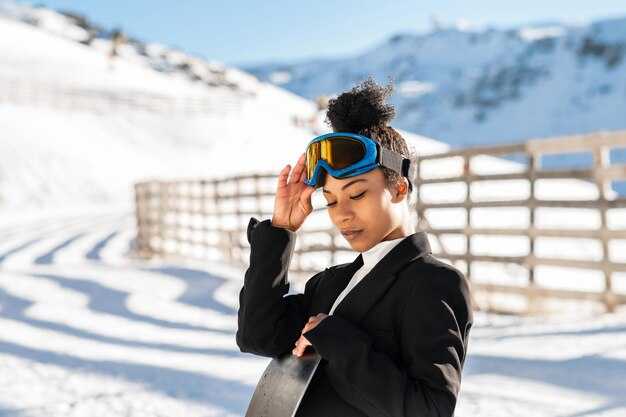
Start with a high-quality on-mountain lesson to build control and reduce falls. For first-timers, that hands-on coaching gives you the feel for turning, stopping, and pace, so you know what to expect rather than guessing like nothing else. This approach helps you learn safely and can help others on the slope.
Choose high-quality gear and a properly fitting helmet to protect your head and mask your face from wind. For on-mountain comfort, pick boots that fit well, and gloves with good grip. In colorado, cold days demand smart layering: avoid cotton, and choose moisture-wicking fabrics for a bright, dry feeling all day. green runs welcome to beginners when conditions are stable.
Plan food and water wisely to maintain energy and focus. Carry quick snacks and a small bottle so you can stay alert between runs, reducing risks. Short breaks allow you to reset balance and prevent fatigue between runs. Advice from on-mountain staff helps you choose safer lines and keep your day pleasant.
Respect others on the slope and set personal limits early. Do not follow faster skiers too closely; keep a safe distance and watch for changing conditions. Use a mask when needed to stay comfortable in windy sections and keep your vision clear. Listen to advice from instructors and local staff–they spot icy patches and weather shifts that influence your line.
Expert-Recommended Pitfalls for First-Time Skiers
Start with a certified beginner lesson and buy a lift ticket for the beginner area. This builds a solid foundation before tackling longer runs. An instructor shows you how to glide, stop, and turn with control, reducing the risk of a hard fall. Wear lightweight, well-fitting gear and avoid bulky packs that slow you down. A calm, focused start keeps you safe and makes the day feel great.
Prioritize layering: base layer, middle layer, and an outer shell made of breathable fabrics. The base layer wicks moisture, the middle layer adds warmth, and the shell blocks wind and snow. Test the fit by moving and bending; there should be no pinching at the neck. Keep a few essentials in a pocket–lip balm, sunscreen, and a small snack–for quick access. A cozy mid-layer adds warmth without bulk.
Be mindful of exposure to sun and wind on the mountains. Use goggles with 100% UV protection and sunscreen on exposed skin. The glare from the snow can surprise you, so protect your eyes on sunny chair rides and throughout your time on the slopes.
Schedule short rests every hour and drink water to avoid fatigue. Pack a quick snack to sustain energy; for the season-long effort, consistency matters. Take a longer lunch break if you feel tired, but keep moving enough to stay warm and avoid stiffness. Rest helps your form improve faster.
Practice safe lift etiquette: ride with the chair out front and avoid sudden movements while boarding. On the slope, stay in control, focusing on doing slow, deliberate turns and stopping gently to avoid collisions with others. Keep your neck relaxed and your weight centered to reduce neck strain during transitions.
Don’t rush to the middle of the mountain; stay in the beginner area until you can link turns smoothly. Rushing makes it easy to lose balance and go off the trail. Keep shoes, poles, and gear properly fitted and tested before you start moving fast. A cautious pace protects your knees and your confidence.
Respect the culture of ski resorts and the family-friendly vibe on the slopes. Follow posted signs, yield to riders in front, and wait your turn in lines. theres value in clear communication and steady progress, especially when you’re learning with kids or a group. Others will notice your safety habits and respond with patience.
Be prepared for a practical reminder: a beaver-like snug strap around the helmet keeps chin and neck secure. Tie cords and straps neatly so nothing dangles. This simple habit saves you from distractions while you focus on the snow.
theres always room to grow with each session. Build a plan for the rest of the season: pick a few easy runs, gradually build speed, and enjoy family trips to practice common moves. Bring a breathable pocket for snacks, keep exposure minimal on windy days, and celebrate small wins with your crew.
Smart Packing: Avoid Overpacking and Forgetting Key Gear
Pack a single compact daypack that holds a base layer, a mid-layer fleece, a water-resistant outer shell, two pairs of socks, gloves, a hat, goggles, sunscreen, lip balm, a small first-aid kit, a compact multitool, a spare lens, a water bottle, and energy bars.
Choose layering that adapts to conditions: a breathable base layer, a warm mid-layer, and a dry outer shell; each item should compress well and dry fast.
Plan two zones of packing: the daypack holds items needed on the slope; the remaining gear stays in a larger bag stored in the car or a locker at the lodge.
Test the pack at home and trim items until the total weight feels manageable; aim for roughly 6–8 pounds (3–4 kg) in the daypack for a half-day outing.
Choose compact alternatives: foldable water bottle, micro towel, small charging cable, and a spare battery.
If gear is rented, assemble a minimal personal kit and verify it before leaving the house.
Do a final check before leaving the house: confirm you have water, snacks, spare lens, charging cable, and a basic first-aid item; verify that you can access everything during the day.
Smart packing supports a smooth day on snow and reduces stress for all ages and abilities.
Gear Decisions: Rent vs Buy, and When to Bring Your Own Boots
Rent boots for your first ski trip. If you already own a well-fitting pair, bring them, but start with rentals to test fit early and feel how your body responds on easy runs. Book a fitting with a boot specialist to compare options, and decide which path feels best for you. This approach saves time and keeps the adventure enjoyable from day one.
Typical boot rentals run about 15–35 per day, with weekly bundles that save a bit. For a 3–4 day trip, expect roughly 60–140; a 7 day plan can reach 100–250. Always wear thin ski socks and test two sizes if needed to ensure heel hold and toe clearance; the right pair should stay down when you flex, and you should feel no numbness after a few minutes. If anything feels off, switch to a different width or a larger shell, and they can help you adjust quickly at the shop. Find a setup somewhere in your plan, and stay hydrated with water or a warm drink during breaks.
The biggest benefit of owning boots is consistent control, which translates to better safety on icy patches and longer fatigue-free sessions. If you ski 8–12 days per season, or you have feet that need a custom insole or wider/narrower volume, buying makes sense. Schedule a final fit with a certified boot fitter to dial in shell size, liner, and footbeds, and test the setup on easy runs before moving to more challenging terrain. The time you invest now pays off on longer days and faster transitions on steeper sections.
Bring your own boots when you travel often, especially for longer stays or multi-stop trips such as Thanksgiving weeks or trips to places like Japan, where you’ll want the same feel across days. Personal boots reduce sizing quirks at the shop and help you stay cozy on cold days; they support orthotics and high-arch feet when needed. If you do bring them, check airline rules for skis and boots, pack them in a sturdy boot bag, and run them through a boot dryer when you return to keep them in shape. On the hill, they help you stay onto the slope and set you up for the next adventure.
Final tips: If you rent, reserve ahead and verify width options; if you buy, plan a 2–3 hour fitting with a pro and bring your own socks, insole inserts, and a boot bag. A quick check on a gentle slope after a short break will reveal if you’ve found the right setup; while you wait, sip a hot drink and keep mittens handy. If anything doesnt feel right, adjust immediately; they wont fix themselves.
Layering Strategy: Base Layers, Insulation, and Outerwear for Cold Days
Start with a snug, moisture-wicking base layer made from merino wool or a high-performance synthetic blend. This first layer sits close to the skin and moves moisture away through the whole day, keeping you dry and warm while skiing. Some runners prefer cotton shirts, but cotton traps moisture and fails when exposure matters, so avoid it at the base. After you secure the base, add a mid-layer that is thick enough to trap heat but breathable, so you stay comfortable on long climbs through changing conditions.
Mid-layer options include thick fleece or light down. Strongly consider pieces that compress well for easy packing and fit under your shell. For what you will experience across a resort town, choose a mid-layer that can adapt to bright sun and chilly wind; on bright days you want warmth without overheating, and on windy, cold days you still need protection. In many cases, the right mid-layer keeps you enjoying the day and reduces fatigue. Also, this layer supports the culture of practical, all-weather clothing that works here and across town centers.
Finish with a weatherproof outer shell that blocks wind and sheds moisture. Look for a waterproof membrane with good breathability, taped seams, and adjustable cuffs. Outerwear offers protection on exposed sections of the trail and on chairlifts, and it should be able to vent when you heat up during a long run. Mittens or insulated gloves, a hat, and a neck gaiter complete the setup so your exposure to cold stays limited here in town or at the resort, and you stay comfortable from first chair to last run. This clothing system is safe and flexible for big days.
Testing at home helps. When you pack for a first ski trip, this whole layering strategy pays off across many destinations. It works in small town hills and in large, bright resort complexes. The biggest payoff comes from a simple rule: adjust layers as conditions change through the day. What matters most is warmth with breathability, protection with mobility, and readiness for weather shifts on snow. This approach keeps you comfortable during experiences you enjoy with friends and family.
| Layer | Material Options | יתרון מרכזי | Practical Tips |
|---|---|---|---|
| Base Layer | Merino wool, synthetic blends (polyester, polypropylene) | Moisture wicking; fast drying | Choose snug fit; avoid cotton |
| Insulation (Mid-layer) | פליז עבה, פוך קל, מילוי סינתטי | שימור חום; יכולת נשימה | לך על אופציה קומפקטית אם אתה מרבה בתנועה |
| בגדי חוץ | מעטפת אטומה למים/נושמת; אפשרויות מבודדות | עמיד לרוח; הגנה מפני לחות | חפש תפרים מודבקים, חפתים מתכווננים, רוכסני אוורור |
מוכנות מיומנויות: הזמינו שיעור לפני שאתם עולים למדרון
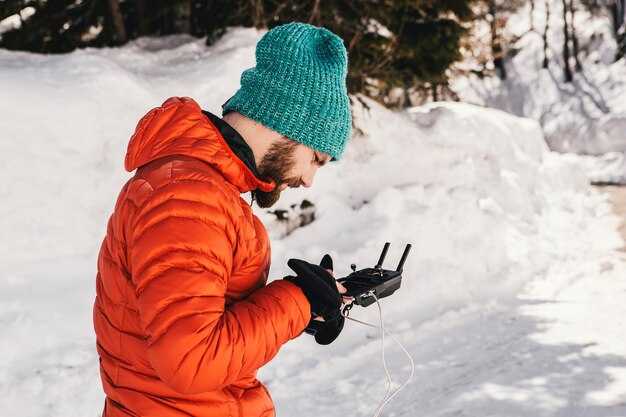
הזמינו שיעור לפני שאתם עולים למדרונות. מאמן מקצועי מכוון את העמידה שלכם ומדגים טכניקה בטוחה וחוזרת, כך שהריצות הראשונות שלכם ירגישו בשליטה ולא מסוכנות. הם אמרו שהטיפים מותאמים לרמה שלכם, נותנים משוב מיידי ועוזרים לכם ליהנות מהתקדמות יציבה לאורך הבוקר, כמו שליטה בפנייה פשוטה. כשמתחילים בהדרכה, צוברים ביטחון ומצמצמים הרגלים רעים. במיוחד למתחילים, ההדרכה הזו גורמת לכם להרגיש בנוח עם היסודות. הם מלמדים רצף שחוזר על עצמו שניתן לעשות בו שימוש חוזר בכל מדרון.
במהלך הסשן תלמדו על בטיחות נפילות, העברת משקל וכיצד להכניס קצב נקי לפניות. המאמן משתמש בתרגילים שתוכלו לקחת לריצות אמיתיות, והוא מתאים את עצמו לקצב שלכם כך שהנסיעה תישאר מעודדת ולא מכריעה. יש מתחילים שמתקשים בגלישה הראשונה, ותתגברו על כמה רגעים מאתגרים בעזרת הדרכה, ותהפכו אותם להתקדמות יציבה ומהנה. יש מעבר בסגנון טירולי על מדרון מתון כדי לבנות חשיפה ללא לחץ.
לפני שאתם יוצאים לדרך, ודאו את החבילה הרצויה: שיעור בודד, מפגש פרטי או שיעור קבוצתי. חנויות רבות מציעות חבילות ציוד, כך שתוכלו לשאול מגפיים, קסדה ומקלות אם אין לכם. לבשו שכבות נוחות וקסדה; הביאו כפפות, קרם הגנה ובקבוק. אם כבר יש לכם כרטיס, תוכלו לשייך אותו לשיעור ולחסוך זמן ברחבי האתר. מקומות מסוימים גם מאפשרים להזמין סינרים כדי להימנע מצפיפות בדלפק ההשכרה. אם תרצו משהו אחר, פשוט שאלו את צוות הדלפק.
לוגיסטיקה ובטיחות: תכנון כרטיסי מעלית, זמני יום ובדיקות ציוד
רכשו כרטיסי מעלית באינטרנט לפחות 7 ימים מראש ובחרו חלון בוקר כדי למזער תורים ולהבטיח התחלה חלקה על ההר, במיוחד למתחילים.
- תכנון סקי פס ולוגיסטיקה קבוצתית
- רכשו אונליין 7–14 ימים מראש; כרטיסים דיגיטליים מזרזים את הכניסה ומפחיתים נקודות מגע.
- עבור קבוצה, חשבו את הכמות למבוגרים ולילדים והקצו חבר משתתף אחד לניהול כרטיסים ולשמירה על כולם ביחד.
- אחסנו את הכרטיסים במקום נגיש בטלפון או בדפוס, ודעו היכן לאסוף אותם - דלפק הקבלה של המלון או דלפק המידע של אתר הנופש יכולים לעזור.
- תמיד תהיה תוכנית גיבוי: אם חלון זמן מוחמץ, עבור למשבצת מאוחרת יותר; אל תחמיץ את ההרמה הראשונה עקב הגעה מאוחרת, במיוחד למשתתפים בפעם הראשונה.
- טיפ למתחילים: התחילו את היום במסלולים קלים; זה עוזר לבנות ביטחון עצמי ומפחית את הסיכון לטעויות שנובעות מעייפות.
- תזמון יומי וקצב על ההר
- תכננו להיות על ההר עד 08:30–09:00; רוב המעליות נפתחות בטווח הזמן הזה, ולהגיע מוקדם עוזר לכם להתחמם בהדרגה, כמו חימום עדין.
- תכננו הפסקת צהריים במקום שטוף שמש כדי להימנע ממאמץ יתר; קחו אתכם מזון אנרגיה ובקבוק מים לדלק קבוע, במיוחד לימים ארוכים וארוכים יותר.
- השתמשו במסלול מעגלי פשוט על ההר: ריצת חימום, ואז כמה ריצות קלות, לאחר מכן התקדמו למקטעים תלולים יותר ככל שהרמה שלכם משתפרת.
- מזג האוויר יכול להשתנות במהירות; הגנה מהשמש חשובה – יש למרוח שוב קרם הגנה, לחבוש כובע ולכסות עור חשוף כדי להימנע מכוויות שמש; ניהול שכבות בגדים ישמור עליכם בנוחות בטמפרטורות משתנות.
- עיין כאן במדריך לאתר הנופש ובמפות כדי לוודא לאן ללכת לשטח ידידותי למתחילים והיכן להתקבץ מחדש עם המדריך שלך.
- בדיקת ציוד והכנות לפני ריצה
- בצעו בדיקת ציוד מהירה לפני תחילת היום: בדקו חיבורים, ברגים, בלמים והתאמת מגפיים; ודאו שהקסדה מאובטחת והמשקפיים נקיות.
- בדוק את הקצוות והשעווה על המגלשיים או הסנובורד; טיפול בסיסי משפר את השליטה ומפחית את העייפות במדרונות ארוכים יותר.
- התלבשו בשכבות: שכבת בסיס, שכבה אמצעית ושכבה חיצונית; כוונו את הבידוד מתחת למעיל כדי להישאר חמים מבלי להתחמם יתר על המידה.
- דברים חיוניים לאריזה: בקבוק מים, מזון אנרגיה, שפתון, קרם הגנה, ערכת כלים קטנה, חלקי חילוף וערכת תיקון קומפקטית; שמור את התיק במקום נגיש.
- בדיקה מהירה עכשיו חוסכת זמן על ההר ועוזרת לך להימנע מתיקונים שתצטרך לעשות בהמשך.
- יש לתכנן לכבס את הציוד לאחר יום השימוש ולייבש אותו ביסודיות; לאחסן את הציוד כראוי במלון כדי למנוע חלודה או נוקשות.
- בטיחות ומשמעת בשטח ההר
- שמרו על כללי הנימוס במסלול: אזורי מתחילים נשארים מימין, תנו זכות קדימה לגולשים מהירים יותר, ואל תגלשו במסלולים סגורים.
- דע את הרמה שלך והישאר בשטח מתאים; אם אתה מתחיל להתעייף, עבור לריצות קצרות וקלות יותר ותנוח כדי למנוע טעויות.
- שימו לב למזג האוויר ולסטטוס המעליות; אם הראות יורדת, קצרו את אורך המסלול שלכם וחזרו לאזורי בטיחות.
- יש לשאת תמיד פרטי קשר של צוות המלון והאתר; במקרה של הפרדה, יש להתאסף בנקודת המפגש המוסכמת ולקרוא את השלטים התלויים כדי להצטרף מחדש לקבוצה במהירות.
- חלק מהבטיחות הוא תכנית שתרגלתם עם המדריך וצוות המלון.
- שגרה לאחר יום עבודה וטעויות שכדאי להימנע מהן
- בחזרה במלון, לשטוף את קרם ההגנה, לייבש ציוד ולאחסן את הציוד באזור יבש ומאוורר.
- בדוק מה עבד טוב ומה צריך להתאים ביום שלמחרת; זה עוזר לך להימנע מחזרה על אותן טעויות ומשפר את הבטיחות הכוללת שלך.
- הקפידו לשתות ולאכול ארוחה מאוזנת כדי להתאושש; צינון ממושך יותר אחר הצהריים יכול למנוע מעייפות וחשיפה לשמש מלהישאר עד הערב.
- נהל יומן פשוט של מה שעובד עבור הרמה שלך, ותכנן את המסלול המחרתי על ההר ובדיקות הציוד.