


 Ελληνικά
  English (UK)
  Русский
  বাংলা
বাংলা  العربية
  日本語
日本語  한국어
한국어  Magyar
  Norsk nynorsk
  Türkçe
  עִבְרִית
  Español
  Čeština
  Svenska
  Português
  Suomi
Suomi  Nederlands
  Română
  Italiano
  Français
  Polski
  Українська
  Deutsch
  简体中文
简体中文  Slovenčina
  Српски језик
  اردو
اردو  Azərbaycan dili
  O‘zbekcha
  አማርኛ
አማርኛ 
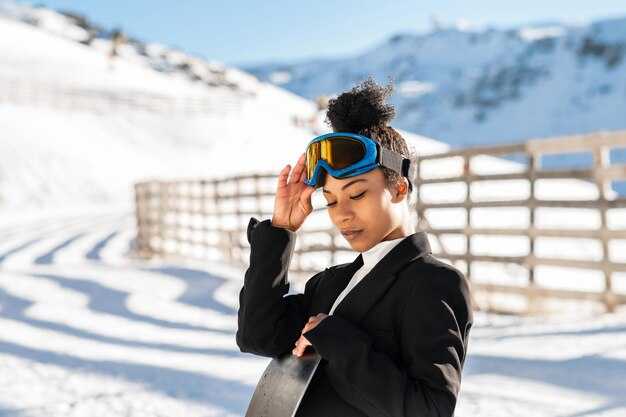
Start with a high-quality on-mountain lesson to build control and reduce falls. For first-timers, that hands-on coaching gives you the feel for turning, stopping, and pace, so you know what to expect rather than guessing like nothing else. This approach helps you learn safely and can help others on the slope.
Choose high-quality gear and a properly fitting helmet to protect your head and mask your face from wind. For on-mountain comfort, pick boots that fit well, and gloves with good grip. In colorado, cold days demand smart layering: avoid cotton, and choose moisture-wicking fabrics for a bright, dry feeling all day. green runs welcome to beginners when conditions are stable.
Plan food and water wisely to maintain energy and focus. Carry quick snacks and a small bottle so you can stay alert between runs, reducing risks. Short breaks allow you to reset balance and prevent fatigue between runs. Advice from on-mountain staff helps you choose safer lines and keep your day pleasant.
Respect others on the slope and set personal limits early. Do not follow faster skiers too closely; keep a safe distance and watch for changing conditions. Use a mask when needed to stay comfortable in windy sections and keep your vision clear. Listen to advice from instructors and local staff–they spot icy patches and weather shifts that influence your line.
Expert-Recommended Pitfalls for First-Time Skiers
Start with a certified beginner lesson and buy a lift ticket for the beginner area. This builds a solid foundation before tackling longer runs. An instructor shows you how to glide, stop, and turn with control, reducing the risk of a hard fall. Wear lightweight, well-fitting gear and avoid bulky packs that slow you down. A calm, focused start keeps you safe and makes the day feel great.
Prioritize layering: base layer, middle layer, and an outer shell made of breathable fabrics. The base layer wicks moisture, the middle layer adds warmth, and the shell blocks wind and snow. Test the fit by moving and bending; there should be no pinching at the neck. Keep a few essentials in a pocket–lip balm, sunscreen, and a small snack–for quick access. A cozy mid-layer adds warmth without bulk.
Be mindful of exposure to sun and wind on the mountains. Use goggles with 100% UV protection and sunscreen on exposed skin. The glare from the snow can surprise you, so protect your eyes on sunny chair rides and throughout your time on the slopes.
Schedule short rests every hour and drink water to avoid fatigue. Pack a quick snack to sustain energy; for the season-long effort, consistency matters. Take a longer lunch break if you feel tired, but keep moving enough to stay warm and avoid stiffness. Rest helps your form improve faster.
Practice safe lift etiquette: ride with the chair out front and avoid sudden movements while boarding. On the slope, stay in control, focusing on doing slow, deliberate turns and stopping gently to avoid collisions with others. Keep your neck relaxed and your weight centered to reduce neck strain during transitions.
Don’t rush to the middle of the mountain; stay in the beginner area until you can link turns smoothly. Rushing makes it easy to lose balance and go off the trail. Keep shoes, poles, and gear properly fitted and tested before you start moving fast. A cautious pace protects your knees and your confidence.
Respect the culture of ski resorts and the family-friendly vibe on the slopes. Follow posted signs, yield to riders in front, and wait your turn in lines. theres value in clear communication and steady progress, especially when you’re learning with kids or a group. Others will notice your safety habits and respond with patience.
Be prepared for a practical reminder: a beaver-like snug strap around the helmet keeps chin and neck secure. Tie cords and straps neatly so nothing dangles. This simple habit saves you from distractions while you focus on the snow.
theres always room to grow with each session. Build a plan for the rest of the season: pick a few easy runs, gradually build speed, and enjoy family trips to practice common moves. Bring a breathable pocket for snacks, keep exposure minimal on windy days, and celebrate small wins with your crew.
Smart Packing: Avoid Overpacking and Forgetting Key Gear
Pack a single compact daypack that holds a base layer, a mid-layer fleece, a water-resistant outer shell, two pairs of socks, gloves, a hat, goggles, sunscreen, lip balm, a small first-aid kit, a compact multitool, a spare lens, a water bottle, and energy bars.
Choose layering that adapts to conditions: a breathable base layer, a warm mid-layer, and a dry outer shell; each item should compress well and dry fast.
Plan two zones of packing: the daypack holds items needed on the slope; the remaining gear stays in a larger bag stored in the car or a locker at the lodge.
Test the pack at home and trim items until the total weight feels manageable; aim for roughly 6–8 pounds (3–4 kg) in the daypack for a half-day outing.
Choose compact alternatives: foldable water bottle, micro towel, small charging cable, and a spare battery.
If gear is rented, assemble a minimal personal kit and verify it before leaving the house.
Do a final check before leaving the house: confirm you have water, snacks, spare lens, charging cable, and a basic first-aid item; verify that you can access everything during the day.
Smart packing supports a smooth day on snow and reduces stress for all ages and abilities.
Gear Decisions: Rent vs Buy, and When to Bring Your Own Boots
Rent boots for your first ski trip. If you already own a well-fitting pair, bring them, but start with rentals to test fit early and feel how your body responds on easy runs. Book a fitting with a boot specialist to compare options, and decide which path feels best for you. This approach saves time and keeps the adventure enjoyable from day one.
Typical boot rentals run about 15–35 per day, with weekly bundles that save a bit. For a 3–4 day trip, expect roughly 60–140; a 7 day plan can reach 100–250. Always wear thin ski socks and test two sizes if needed to ensure heel hold and toe clearance; the right pair should stay down when you flex, and you should feel no numbness after a few minutes. If anything feels off, switch to a different width or a larger shell, and they can help you adjust quickly at the shop. Find a setup somewhere in your plan, and stay hydrated with water or a warm drink during breaks.
The biggest benefit of owning boots is consistent control, which translates to better safety on icy patches and longer fatigue-free sessions. If you ski 8–12 days per season, or you have feet that need a custom insole or wider/narrower volume, buying makes sense. Schedule a final fit with a certified boot fitter to dial in shell size, liner, and footbeds, and test the setup on easy runs before moving to more challenging terrain. The time you invest now pays off on longer days and faster transitions on steeper sections.
Bring your own boots when you travel often, especially for longer stays or multi-stop trips such as Thanksgiving weeks or trips to places like Japan, where you’ll want the same feel across days. Personal boots reduce sizing quirks at the shop and help you stay cozy on cold days; they support orthotics and high-arch feet when needed. If you do bring them, check airline rules for skis and boots, pack them in a sturdy boot bag, and run them through a boot dryer when you return to keep them in shape. On the hill, they help you stay onto the slope and set you up for the next adventure.
Final tips: If you rent, reserve ahead and verify width options; if you buy, plan a 2–3 hour fitting with a pro and bring your own socks, insole inserts, and a boot bag. A quick check on a gentle slope after a short break will reveal if you’ve found the right setup; while you wait, sip a hot drink and keep mittens handy. If anything doesnt feel right, adjust immediately; they wont fix themselves.
Layering Strategy: Base Layers, Insulation, and Outerwear for Cold Days
Start with a snug, moisture-wicking base layer made from merino wool or a high-performance synthetic blend. This first layer sits close to the skin and moves moisture away through the whole day, keeping you dry and warm while skiing. Some runners prefer cotton shirts, but cotton traps moisture and fails when exposure matters, so avoid it at the base. After you secure the base, add a mid-layer that is thick enough to trap heat but breathable, so you stay comfortable on long climbs through changing conditions.
Mid-layer options include thick fleece or light down. Strongly consider pieces that compress well for easy packing and fit under your shell. For what you will experience across a resort town, choose a mid-layer that can adapt to bright sun and chilly wind; on bright days you want warmth without overheating, and on windy, cold days you still need protection. In many cases, the right mid-layer keeps you enjoying the day and reduces fatigue. Also, this layer supports the culture of practical, all-weather clothing that works here and across town centers.
Finish with a weatherproof outer shell that blocks wind and sheds moisture. Look for a waterproof membrane with good breathability, taped seams, and adjustable cuffs. Outerwear offers protection on exposed sections of the trail and on chairlifts, and it should be able to vent when you heat up during a long run. Mittens or insulated gloves, a hat, and a neck gaiter complete the setup so your exposure to cold stays limited here in town or at the resort, and you stay comfortable from first chair to last run. This clothing system is safe and flexible for big days.
Testing at home helps. When you pack for a first ski trip, this whole layering strategy pays off across many destinations. It works in small town hills and in large, bright resort complexes. The biggest payoff comes from a simple rule: adjust layers as conditions change through the day. What matters most is warmth with breathability, protection with mobility, and readiness for weather shifts on snow. This approach keeps you comfortable during experiences you enjoy with friends and family.
| Επίπεδο | Material Options | Κύριο Όφελος | Practical Tips |
|---|---|---|---|
| Base Layer | Merino wool, synthetic blends (polyester, polypropylene) | Moisture wicking; fast drying | Choose snug fit; avoid cotton |
| Insulation (Mid-layer) | Χοντρό fleece, ελαφρύ πουπουλένιο γέμισμα, συνθετικό γέμισμα | Διατήρηση θερμότητας· διαπνοή | Προτιμήστε μια συμπαγή επιλογή εάν μετακινείστε συχνά. |
| Εξωτερικά ενδύματα | Αδιάβροχο/διαπνέον κέλυφος; μονωμένες επιλογές | Αντιανεμικό; προστασία από την υγρασία | Αναζητήστε κολλημένες ραφές, ρυθμιζόμενες μανσέτες, φερμουάρ εξαερισμού |
Ετοιμότητα Δεξιοτήτων: Κλείστε ένα Μάθημα Πριν Κατεβείτε τις Πίστες
Κλείστε ένα μάθημα πριν κατευθυνθείτε στις πλαγιές. Ένας επαγγελματίας προπονητής ρυθμίζει τη στάση σας και δείχνει ασφαλή, επαναλαμβανόμενη τεχνική, ώστε οι πρώτες σας καταβάσεις να είναι ελεγχόμενες και όχι επικίνδυνες. Είπαν ότι οι συμβουλές προσαρμόζονται στο επίπεδό σας, παρέχουν άμεση ανατροφοδότηση και σας βοηθούν να απολαύσετε σταθερή πρόοδο κατά τη διάρκεια του πρωινού, όπως η εκμάθηση μιας απλής στροφής. Όταν ξεκινάτε με καθοδήγηση, αποκτάτε αυτοπεποίθηση και μειώνετε τις κακές συνήθειες. Ειδικά για όσους κάνουν σκι για πρώτη φορά, αυτή η καθοδήγηση σας κάνει να νιώθετε άνετα με τα βασικά. Διδάσκουν μια επαναλαμβανόμενη ακολουθία που μπορείτε να χρησιμοποιήσετε ξανά σε οποιαδήποτε πλαγιά.
Κατά τη διάρκεια της συνεδρίας θα μάθετε για την ασφάλεια σε περίπτωση πτώσης, τη μεταφορά βάρους και τον τρόπο δημιουργίας ενός καθαρού ρυθμού στις στροφές. Ο προπονητής χρησιμοποιεί ασκήσεις που μπορείτε να μεταφέρετε σε πραγματικές διαδρομές και προσαρμόζεται στο ρυθμό σας, έτσι ώστε η βόλτα να παραμένει ενθαρρυντική και όχι συντριπτική. Ορισμένοι αρχάριοι δυσκολεύονται με την πρώτη ολίσθηση και θα κατακτήσετε κάποιες δύσκολες στιγμές με καθοδήγηση, μετατρέποντάς τες σε σταθερή, απολαυστική πρόοδο. Υπάρχει μια διαδρομή τυρολέζικου τύπου σε μια ήπια πλαγιά για να αυξήσετε την έκθεση χωρίς πίεση.
Πριν ξεκινήσετε, επιβεβαιώστε το πακέτο που θέλετε: ένα μεμονωμένο μάθημα, μια ιδιωτική συνεδρία ή ένα ομαδικό μάθημα. Πολλά καταστήματα προσφέρουν πακέτα εξοπλισμού, ώστε να μπορείτε να δανειστείτε μπότες, κράνος και μπατόν αν δεν έχετε δικά σας. Φορέστε άνετα ρούχα σε στρώσεις και κράνος, φέρτε γάντια, αντηλιακό και ένα μπουκάλι. Εάν έχετε ήδη εισιτήριο, μπορείτε να το συνδέσετε με το μάθημά σας και να εξοικονομήσετε χρόνο στο θέρετρο. Ορισμένοι χώροι σάς επιτρέπουν επίσης να κάνετε κράτηση για σαλιάρες για να αποφύγετε τον συνωστισμό στο γραφείο ενοικίασης. Εάν θέλετε κάτι άλλο, απλώς ρωτήστε το προσωπικό της ρεσεψιόν.
Διαχείριση Μεταφορών και Ασφάλεια: Προγραμματισμός Εισιτηρίων Ανελκυστήρα, Χρονοδιαγράμματα Ημέρας και Έλεγχοι Εξοπλισμού
Κλείστε ηλεκτρονικά τις κάρτες για τα λιφτ τουλάχιστον 7 ημέρες πριν και επιλέξτε ένα πρωινό παράθυρο ώρας για να ελαχιστοποιήσετε τις ουρές και να εξασφαλίσετε μια ομαλή έναρξη στο βουνό, ειδικά για τους αρχάριους.
- Σχεδιασμός καρτών ανελκυστήρα και ομαδικής εφοδιαστικής
- Αγοράστε online 7–14 ημέρες νωρίτερα. τα ψηφιακά πάσο επιταχύνουν την είσοδο και μειώνουν τα σημεία επαφής.
- Για μια ομάδα, υπολογίστε την ποσότητα για ενήλικες και παιδιά και ορίστε ένα συμμετέχον μέλος να διαχειριστεί τα εισιτήρια και να κρατήσει τους πάντες μαζί.
- Αποθηκεύστε τα πάσα σας σε ένα σημείο προσβάσιμο στο τηλέφωνό σας ή σε έντυπη μορφή και να γνωρίζετε πού να τα παραλάβετε – η ρεσεψιόν του ξενοδοχείου ή το γραφείο πληροφοριών του θερέτρου μπορούν να σας βοηθήσουν.
- Να έχετε πάντα ένα εφεδρικό σχέδιο: αν χάσετε ένα παράθυρο, μεταβείτε σε μια μεταγενέστερη χρονική περίοδο· μην χάσετε την πρώτη ανύψωση φτάνοντας πολύ αργά, ειδικά για τους συμμετέχοντες που συμμετέχουν για πρώτη φορά.
- Συμβουλή για αρχάριους: Οργανώστε την ημέρα σας ξεκινώντας με εύκολες πίστες. Αυτό σας βοηθά να χτίσετε αυτοπεποίθηση και μειώνει τον κίνδυνο λαθών που σχετίζονται με την κόπωση.
- Ώρες ημέρας και ρυθμός στο βουνό
- Σχεδιάστε να είστε στο βουνό μεταξύ 08:30–09:00. Οι περισσότεροι αναβατήρες ανοίγουν σε αυτό το διάστημα και η έγκαιρη άφιξη σας βοηθά να ζεσταθείτε σταδιακά, σαν μια ήπια προθέρμανση.
- Προγραμματίστε ένα μεσημεριανό διάλειμμα σε ένα ηλιόλουστο σημείο για να αποφύγετε την υπερβολική καταπόνηση. μεταφέρετε ενεργειακή τροφή και ένα μπουκάλι νερό για σταθερή ενέργεια, ειδικά για μεγάλες, μεγαλύτερες ημέρες.
- Χρησιμοποιήστε μια απλή διαδρομή βουνού: προθέρμανση, μετά μερικές εύκολες διαδρομές και στη συνέχεια προχωρήστε σε πιο απότομα τμήματα καθώς βελτιώνεται το επίπεδό σας.
- Ο καιρός μπορεί να αλλάξει γρήγορα. Η προστασία από τον ήλιο είναι σημαντική – ανανεώστε το αντηλιακό, φορέστε καπέλο και καλύψτε το εκτεθειμένο δέρμα για να αποφύγετε τα ηλιακά εγκαύματα. Η διαχείριση των στρώσεων ρούχων σας κρατά άνετους στις μεταβαλλόμενες θερμοκρασίες.
- Διαβάστε εδώ για τον οδηγό του θερέτρου και τους χάρτες για να επιβεβαιώσετε πού να πάτε για περιοχές φιλικές προς αρχάριους και πού να επανασυνδεθείτε με τον οδηγό σας.
- Έλεγχοι εξοπλισμού και προετοιμασία πριν την εκτέλεση
- Γρήγορος έλεγχος εξοπλισμού πριν την ημέρα: επιθεωρήστε δέστρες, βίδες, φρένα και εφαρμογή μπότας· βεβαιωθείτε ότι το κράνος είναι ασφαλές και τα γυαλιά καθαρά.
- Ελέγξτε τις άκρες και περάστε κερί στα σκι ή τις σανίδες· ένα βασικό φινίρισμα βελτιώνει τον έλεγχο και μειώνει την κόπωση σε μεγαλύτερες πλαγιές.
- Ντύσου σε στρώσεις: βάση, ενδιάμεσο και εξωτερικό στρώμα. ρύθμισε την μόνωση κάτω από το μπουφάν για να παραμείνεις ζεστός χωρίς υπερθέρμανση.
- Βασικά πράγματα: μπουκάλι νερού, ενεργειακή τροφή, lip balm, αντηλιακό, ένα μικρό κιτ εργαλείων, ανταλλακτικά και ένα μικρό αυτοκόλλητο επισκευής. φυλάξτε την τσάντα σε προσβάσιμο σημείο.
- Ένας γρήγορος έλεγχος τώρα, εξοικονομεί χρόνο στο βουνό και σας βοηθά να αποφύγετε τις χαμένες ρυθμίσεις αργότερα.
- Σχεδιάστε να πλένετε τον εξοπλισμό μετά από κάθε μέρα και να τον στεγνώνετε καλά. Αποθηκεύστε τον εξοπλισμό σωστά στο ξενοδοχείο για να αποφύγετε τη σκουριά ή το μπλοκάρισμα.
- Ασφάλεια και πειθαρχία στο βουνό
- Ακολουθήστε τους κανόνες συμπεριφοράς στις πλαγιές: οι αρχάριοι κινούνται δεξιά, δίνουν προτεραιότητα στους πιο γρήγορους σκιέρ και αποφεύγουν τις κλειστές διαδρομές.
- Γνωρίστε το επίπεδό σας και μείνετε σε κατάλληλο έδαφος. αν κουράζεστε, μεταβείτε σε μικρότερες, ευκολότερες διαδρομές και ξεκουραστείτε για να αποφύγετε τα λάθη.
- Παρακολουθήστε τον καιρό και την κατάσταση των αναβατήρων· εάν η ορατότητα μειωθεί, συντομεύστε τη διάρκεια της διαδρομής σας και κατευθυνθείτε προς τις ζώνες ασφαλείας.
- Να έχετε πάντα μαζί σας τα στοιχεία επικοινωνίας του ξενοδοχείου και του προσωπικού του θέρετρου. Σε περίπτωση που χωριστείτε, συγκεντρωθείτε στο συμφωνημένο σημείο συνάντησης και διαβάστε τις αναρτημένες πινακίδες για να επανασυνδεθείτε γρήγορα με την ομάδα σας.
- Μέρος της ασφάλειας είναι να έχετε ένα σχέδιο που έχετε εξασκήσει με τον οδηγό και το προσωπικό του ξενοδοχείου.
- Ρουτίνα μετά τη λήξη της ημέρας και λάθη που πρέπει να αποφεύγετε
- Πίσω στο ξενοδοχείο, ξεπλύνετε το αντηλιακό, στεγνώστε τον εξοπλισμό και αποθηκεύστε τον σε στεγνό, αεριζόμενο χώρο.
- Ελέγξτε τι πήγε καλά και τι πρέπει να προσαρμόσετε την επόμενη μέρα. αυτό σας βοηθά να αποφύγετε την επανάληψη των ίδιων λαθών και βελτιώνει τη συνολική σας ασφάλεια.
- Ενυδατωθείτε και καταναλώστε ένα ισορροπημένο γεύμα για αποκατάσταση· μια μεγαλύτερη απογευματινή περίοδος χαλάρωσης μπορεί να αποτρέψει την κόπωση και την έκθεση στον ήλιο από το να διαρκέσουν μέχρι το βράδυ.
- Κρατήστε ένα απλό ημερολόγιο για το τι λειτουργεί για το επίπεδό σας και κάντε ένα σχέδιο για τη διαδρομή στο βουνό αύριο και τους ελέγχους εξοπλισμού.