


 Slovenčina
  English (UK)
  Русский
  বাংলা
বাংলা  العربية
  日本語
日本語  한국어
한국어  Magyar
  Norsk nynorsk
  Türkçe
  עִבְרִית
  Español
  Čeština
  Svenska
  Português
  Ελληνικά
  Suomi
Suomi  Nederlands
  Română
  Italiano
  Français
  Polski
  Українська
  Deutsch
  简体中文
简体中文  Српски језик
  اردو
اردو  Azərbaycan dili
  O‘zbekcha
  አማርኛ
አማርኛ 
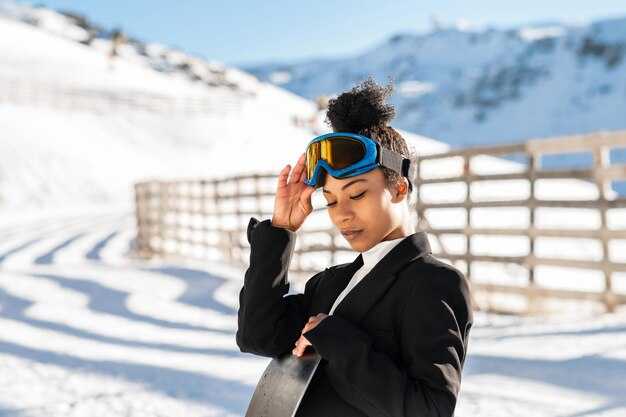
Start with a high-quality on-mountain lesson to build control and reduce falls. For first-timers, that hands-on coaching gives you the feel for turning, stopping, and pace, so you know what to expect rather than guessing like nothing else. This approach helps you learn safely and can help others on the slope.
Choose high-quality gear and a properly fitting helmet to protect your head and mask your face from wind. For on-mountain comfort, pick boots that fit well, and gloves with good grip. In colorado, cold days demand smart layering: avoid cotton, and choose moisture-wicking fabrics for a bright, dry feeling all day. green runs welcome to beginners when conditions are stable.
Plan food and water wisely to maintain energy and focus. Carry quick snacks and a small bottle so you can stay alert between runs, reducing risks. Short breaks allow you to reset balance and prevent fatigue between runs. Advice from on-mountain staff helps you choose safer lines and keep your day pleasant.
Respect others on the slope and set personal limits early. Do not follow faster skiers too closely; keep a safe distance and watch for changing conditions. Use a mask when needed to stay comfortable in windy sections and keep your vision clear. Listen to advice from instructors and local staff–they spot icy patches and weather shifts that influence your line.
Expert-Recommended Pitfalls for First-Time Skiers
Start with a certified beginner lesson and buy a lift ticket for the beginner area. This builds a solid foundation before tackling longer runs. An instructor shows you how to glide, stop, and turn with control, reducing the risk of a hard fall. Wear lightweight, well-fitting gear and avoid bulky packs that slow you down. A calm, focused start keeps you safe and makes the day feel great.
Prioritize layering: base layer, middle layer, and an outer shell made of breathable fabrics. The base layer wicks moisture, the middle layer adds warmth, and the shell blocks wind and snow. Test the fit by moving and bending; there should be no pinching at the neck. Keep a few essentials in a pocket–lip balm, sunscreen, and a small snack–for quick access. A cozy mid-layer adds warmth without bulk.
Be mindful of exposure to sun and wind on the mountains. Use goggles with 100% UV protection and sunscreen on exposed skin. The glare from the snow can surprise you, so protect your eyes on sunny chair rides and throughout your time on the slopes.
Schedule short rests every hour and drink water to avoid fatigue. Pack a quick snack to sustain energy; for the season-long effort, consistency matters. Take a longer lunch break if you feel tired, but keep moving enough to stay warm and avoid stiffness. Rest helps your form improve faster.
Practice safe lift etiquette: ride with the chair out front and avoid sudden movements while boarding. On the slope, stay in control, focusing on doing slow, deliberate turns and stopping gently to avoid collisions with others. Keep your neck relaxed and your weight centered to reduce neck strain during transitions.
Don’t rush to the middle of the mountain; stay in the beginner area until you can link turns smoothly. Rushing makes it easy to lose balance and go off the trail. Keep shoes, poles, and gear properly fitted and tested before you start moving fast. A cautious pace protects your knees and your confidence.
Respect the culture of ski resorts and the family-friendly vibe on the slopes. Follow posted signs, yield to riders in front, and wait your turn in lines. theres value in clear communication and steady progress, especially when you’re learning with kids or a group. Others will notice your safety habits and respond with patience.
Be prepared for a practical reminder: a beaver-like snug strap around the helmet keeps chin and neck secure. Tie cords and straps neatly so nothing dangles. This simple habit saves you from distractions while you focus on the snow.
theres always room to grow with each session. Build a plan for the rest of the season: pick a few easy runs, gradually build speed, and enjoy family trips to practice common moves. Bring a breathable pocket for snacks, keep exposure minimal on windy days, and celebrate small wins with your crew.
Smart Packing: Avoid Overpacking and Forgetting Key Gear
Pack a single compact daypack that holds a base layer, a mid-layer fleece, a water-resistant outer shell, two pairs of socks, gloves, a hat, goggles, sunscreen, lip balm, a small first-aid kit, a compact multitool, a spare lens, a water bottle, and energy bars.
Choose layering that adapts to conditions: a breathable base layer, a warm mid-layer, and a dry outer shell; each item should compress well and dry fast.
Plan two zones of packing: the daypack holds items needed on the slope; the remaining gear stays in a larger bag stored in the car or a locker at the lodge.
Test the pack at home and trim items until the total weight feels manageable; aim for roughly 6–8 pounds (3–4 kg) in the daypack for a half-day outing.
Choose compact alternatives: foldable water bottle, micro towel, small charging cable, and a spare battery.
If gear is rented, assemble a minimal personal kit and verify it before leaving the house.
Do a final check before leaving the house: confirm you have water, snacks, spare lens, charging cable, and a basic first-aid item; verify that you can access everything during the day.
Smart packing supports a smooth day on snow and reduces stress for all ages and abilities.
Gear Decisions: Rent vs Buy, and When to Bring Your Own Boots
Rent boots for your first ski trip. If you already own a well-fitting pair, bring them, but start with rentals to test fit early and feel how your body responds on easy runs. Book a fitting with a boot specialist to compare options, and decide which path feels best for you. This approach saves time and keeps the adventure enjoyable from day one.
Typical boot rentals run about 15–35 per day, with weekly bundles that save a bit. For a 3–4 day trip, expect roughly 60–140; a 7 day plan can reach 100–250. Always wear thin ski socks and test two sizes if needed to ensure heel hold and toe clearance; the right pair should stay down when you flex, and you should feel no numbness after a few minutes. If anything feels off, switch to a different width or a larger shell, and they can help you adjust quickly at the shop. Find a setup somewhere in your plan, and stay hydrated with water or a warm drink during breaks.
The biggest benefit of owning boots is consistent control, which translates to better safety on icy patches and longer fatigue-free sessions. If you ski 8–12 days per season, or you have feet that need a custom insole or wider/narrower volume, buying makes sense. Schedule a final fit with a certified boot fitter to dial in shell size, liner, and footbeds, and test the setup on easy runs before moving to more challenging terrain. The time you invest now pays off on longer days and faster transitions on steeper sections.
Bring your own boots when you travel often, especially for longer stays or multi-stop trips such as Thanksgiving weeks or trips to places like Japan, where you’ll want the same feel across days. Personal boots reduce sizing quirks at the shop and help you stay cozy on cold days; they support orthotics and high-arch feet when needed. If you do bring them, check airline rules for skis and boots, pack them in a sturdy boot bag, and run them through a boot dryer when you return to keep them in shape. On the hill, they help you stay onto the slope and set you up for the next adventure.
Final tips: If you rent, reserve ahead and verify width options; if you buy, plan a 2–3 hour fitting with a pro and bring your own socks, insole inserts, and a boot bag. A quick check on a gentle slope after a short break will reveal if you’ve found the right setup; while you wait, sip a hot drink and keep mittens handy. If anything doesnt feel right, adjust immediately; they wont fix themselves.
Layering Strategy: Base Layers, Insulation, and Outerwear for Cold Days
Start with a snug, moisture-wicking base layer made from merino wool or a high-performance synthetic blend. This first layer sits close to the skin and moves moisture away through the whole day, keeping you dry and warm while skiing. Some runners prefer cotton shirts, but cotton traps moisture and fails when exposure matters, so avoid it at the base. After you secure the base, add a mid-layer that is thick enough to trap heat but breathable, so you stay comfortable on long climbs through changing conditions.
Mid-layer options include thick fleece or light down. Strongly consider pieces that compress well for easy packing and fit under your shell. For what you will experience across a resort town, choose a mid-layer that can adapt to bright sun and chilly wind; on bright days you want warmth without overheating, and on windy, cold days you still need protection. In many cases, the right mid-layer keeps you enjoying the day and reduces fatigue. Also, this layer supports the culture of practical, all-weather clothing that works here and across town centers.
Finish with a weatherproof outer shell that blocks wind and sheds moisture. Look for a waterproof membrane with good breathability, taped seams, and adjustable cuffs. Outerwear offers protection on exposed sections of the trail and on chairlifts, and it should be able to vent when you heat up during a long run. Mittens or insulated gloves, a hat, and a neck gaiter complete the setup so your exposure to cold stays limited here in town or at the resort, and you stay comfortable from first chair to last run. This clothing system is safe and flexible for big days.
Testing at home helps. When you pack for a first ski trip, this whole layering strategy pays off across many destinations. It works in small town hills and in large, bright resort complexes. The biggest payoff comes from a simple rule: adjust layers as conditions change through the day. What matters most is warmth with breathability, protection with mobility, and readiness for weather shifts on snow. This approach keeps you comfortable during experiences you enjoy with friends and family.
| Layer | Material Options | Key Benefit | Praktické tipy |
|---|---|---|---|
| Base Layer | Merino wool, synthetic blends (polyester, polypropylene) | Moisture wicking; fast drying | Choose snug fit; avoid cotton |
| Insulation (Mid-layer) | Thick fleece, light down, synthetic fill | Heat retention; breathability | Ak často cestuješ, zvoľ si kompaktné prevedenie |
| Outerwear | Nepremokavá/priedušná vrchná vrstva; zateplené varianty | Vetruodolné; ochrana proti vlhkosti | Hľadajte podlepené švy, nastaviteľné manžety, ventilačné zipsy |
Pripravenosť na lyžovačku: Rezervujte si lekciu predtým, ako vyrazíte na svah
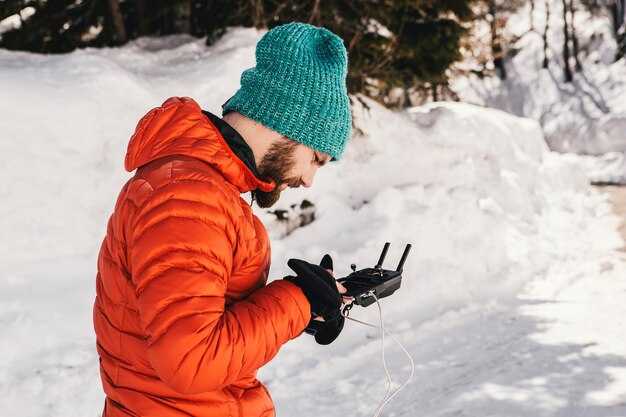
Predtým, ako vyrazíte na svah, si rezervujte lekciu. Profesionálny tréner nastaví váš postoj a ukáže bezpečnú, opakovateľnú techniku, takže vaše prvé jazdy sú skôr kontrolované než riskantné. Hovoria, že tipy sú prispôsobené vašej úrovni, poskytujú okamžitú spätnú väzbu a pomáhajú vám tešiť sa z plynulého pokroku počas celého dopoludnia, napríklad pri zvládaní jednoduchého oblúka. Keď začnete s inštrukciami, získate istotu a obmedzíte zlé návyky. Najmä pre začiatočníkov vás toto vedenie oboznámi so základmi. Naučia vás opakovateľnú postupnosť, ktorú môžete použiť na akomkoľvek svahu.
Počas lekcie sa naučíte bezpečnosť pri páde, prenos váhy a ako nastaviť čistý rytmus do oblúkov. Tréner používa cvičenia, ktoré môžete preniesť do reálnych jázd, a prispôsobia sa vášmu tempu, takže jazda zostane skôr povzbudzujúca než ohromujúca. Niektorým začiatočníkom sa zdá prvý sklz náročný a s pomocou prekonáte niekoľko náročných momentov a premeníte ich na stabilný a príjemný pokrok. K dispozícii je aj traverz v tyrolskom štýle na miernom svahu, ktorý vám umožní budovať si istotu bez tlaku.
Predtým, ako vyrazíte, potvrďte si balík, ktorý si želáte: individuálnu lekciu, súkromnú hodinu alebo skupinový kurz. Mnohé obchody ponúkajú balíčky výstroja, takže si môžete požičať topánky, prilbu a palice, ak ich nevlastníte. Oblečte si pohodlné vrstvy a prilbu; prineste si rukavice, opaľovací krém a fľašu. Ak už máte lístok, môžete ho prepojiť s hodinou a ušetriť čas v celom stredisku. Niektoré prevádzky vám tiež umožňujú rezervovať si vesty, aby ste sa vyhli davom pri pulte s požičovňou. Ak chcete čokoľvek iné, stačí sa opýtať personálu pri pulte.
Logistika a bezpečnosť: Naplánujte si skipasy, denné načasovanie a kontrolu výstroja
Zakúpte si skipasy online aspoň 7 dní vopred a vyberte si ranné okno, aby ste minimalizovali rady a zabezpečili plynulý začiatok na svahu, najmä pre začiatočníkov.
- Plánovanie skipasov a skupinovej logistiky
- Nakupujte online 7 – 14 dní vopred; digitálne preukazy urýchľujú vstup a znižujú kontaktné body.
- Pre skupinu vypočítajte množstvo pre dospelých a deti a priraďte jedného zúčastneného člena na spravovanie lístkov a udržiavanie všetkých pohromade.
- Uložte si lístky niekde, kde k nim budete mať prístup v telefóne alebo v tlačenej podobe, a zistite si, kde si ich môžete vyzdvihnúť – pomôcť vám môže recepcia hotela alebo informačná služba rezortu.
- Vždy majte záložný plán: ak okno zmeškáte, prejdite na neskorší slot; nenechajte si ujsť prvý výťah tým, že prídete príliš neskoro, najmä pre účastníkov, ktorí sa zúčastňujú prvýkrát.
- Tip pre začiatočníkov: Najprv si naplánujte deň okolo ľahkých svahov; pomôže vám to budovať sebavedomie a znižuje riziko chýb spôsobených únavou.
- Časové rozvrhy dňa a rytmus na horách
- Plánujte byť na svahu medzi 08:30–09:00; väčšina vlekov sa spúšťa v tomto okne a skorý príchod vám pomôže postupne sa zahriať, ako jemné zahriatie.
- Naplánujte si obedňajšiu prestávku na slnečnom mieste, aby ste sa vyhli preťaženiu; noste si energetické jedlo a fľašu s vodou pre stabilné dopĺňanie energie, najmä počas dlhých a ešte dlhších dní.
- Používajte jednoduchú slučku na svahu: zahrievacie kolo, potom pár ľahkých jázd a potom postupujte do strmších úsekov, keď sa vaša úroveň zlepší.
- Počasie sa môže rýchlo zmeniť; ochrana pred slnkom je dôležitá – opakovane nanášajte opaľovací krém, noste klobúk a zakrývajte odhalenú pokožku, aby ste sa vyhli spáleniu; vrstvenie oblečenia vám zabezpečí pohodlie pri meniacich sa teplotách.
- Prečítajte si tu sprievodcu strediskom a mapy, aby ste si overili, kam ísť na terén vhodný pre začiatočníkov a kde sa opäť stretnúť so svojím sprievodcom.
- Kontrola výbavy a príprava pred behom
- Rýchla kontrola výstroja deň pred: skontrolujte viazanie, skrutky, brzdy a či topánky dobre sedia; uistite sa, že prilba je zaistená a okuliare sú čisté.
- Skontrolujte hrany a navoskujte lyže alebo dosky; základný servis zlepší kontrolu a zníži únavu na dlhších svahoch.
- Vrstvíte rozumne: základná vrstva, stredná vrstva a vrchná vrstva; upravte izoláciu pod bundou, aby ste zostali v teple bez prehrievania.
- Zbaľte si základné veci: fľašu s vodou, energetické jedlo, balzam na pery, opaľovací krém, malú súpravu náradia, náhradné diely a kompaktnú opravnú záplatu; tašku majte niekde na dosah.
- Rýchla kontrola teraz ušetrí čas na svahu a pomôže ti vyhnúť sa oneskoreným úpravám neskôr.
- Po každom dni plánujte výstroj vyprať a dôkladne vysušiť; správne uskladnite výbavu v hoteli, aby ste predišli hrdzi alebo stuhnutosti.
- Bezpečnosť a disciplína na svahu
- Dodržiavajte pravidlá správania sa na svahu: v oblastiach pre začiatočníkov sa držte vpravo, dávajte prednosť rýchlejším lyžiarom a nevstupujte na uzavreté trate.
- Poznaj svoju úroveň a zdržuj sa vo vhodnom teréne; ak si unavený, preorientuj sa na kratšie, ľahšie jazdy a odpočiň si, aby si predišiel chybám.
- Sledujte počasie a stav vlekov; ak sa zníži viditeľnosť, skráťte si dĺžku jazdy a vráťte sa do bezpečných zón.
- Vždy majte pri sebe kontaktné údaje hotela a personálu rezortu; v prípade oddelenia sa zhromaždite na dohodnutom mieste stretnutia a prečítajte si vyvesené nápisy, aby ste sa rýchlo pripojili k svojej skupine.
- Súčasťou bezpečnosti je mať plán, ktorý ste si precvičili so svojím sprievodcom a hotelovým personálom.
- Rutinná činnosť po ukončení dňa a chyby, ktorých sa treba vyvarovať
- Po návrate do hotela si zmyte opaľovací krém, osušte výstroj a uskladnite vybavenie v suchom, vetranom priestore.
- Zhodnoťte, čo sa vám darilo a čo treba na ďalší deň upraviť; pomôže vám to vyhnúť sa opakovaniu rovnakých chýb a zlepší vašu celkovú bezpečnosť.
- Hydratujte sa a zjedzte vyvážené jedlo na zotavenie; dlhší poobedňajší odpočinok môže zabrániť únave a slnečnému žiareniu, aby pretrvávali až do večera.
- Veď si jednoduchý záznam o tom, čo funguje na tvojej úrovni, a priprav plán zajtrajšej trasy na horách a kontrol vybavenia.