


 עִבְרִית
  English (UK)
  Русский
  বাংলা
বাংলা  العربية
  日本語
日本語  한국어
한국어  Magyar
  Norsk nynorsk
  Türkçe
  Español
  Čeština
  Svenska
  Português
  Ελληνικά
  Suomi
Suomi  Nederlands
  Română
  Italiano
  Français
  Polski
  Українська
  Deutsch
  简体中文
简体中文  Slovenčina
  Српски језик
  اردو
اردو  Azərbaycan dili
  O‘zbekcha
  አማርኛ
አማርኛ 
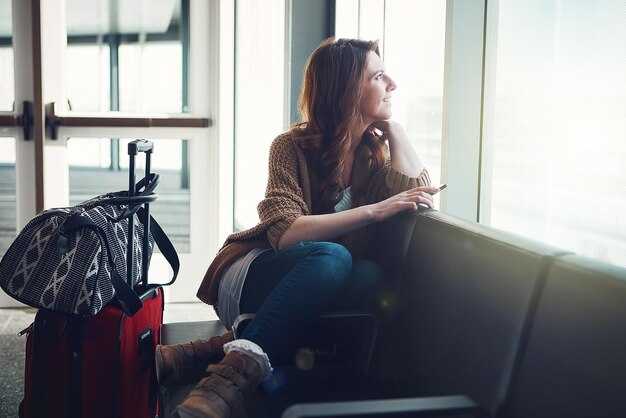
Begin with a practical pre-flight routine: breathe deeply in a 4-7-8 cycle for 3 minutes before you board to feel ready and grounded. Deeply relax your body as you exhale; there you can notice a calmer grip on the armrest and a smooth start to the flight.
Identify your personal triggers and turn them into a plan you know works. Start by noting sensations like a tight chest or fast heartbeat. Pair each trigger with a concrete response: breathe for 5 cycles, grip the armrest, sip water, or use a quick mindfulness cue. By turning fear into action, you build a habit that helps you fly more calmly, and you wouldnt need to rely on luck.
Choose seat and cabin comfort tools that reduce distress. Window seats provide grounding for many flyers; aisles support quick exits. Bring a small neck pillow, earplugs, and a water bottle to stay hydrated. Before boarding, check if the airlines you fly with offer adjustable lighting or quiet zones, and plan to use them. These steps improve comfort mid-air and help you stay present through planes’ movements.
Talk to flight attendants; they’re trained to help anxious flyers. Briefly describe what you’re experiencing and ask for periodic check-ins or a simple explanation if turbulence arises. They can provide reassurance, guide you through breathing, or offer a gentle distraction. Knowing support is available makes you more ready to handle the flight, though you still experience normal sensations. The thing you fear often loses its grip when you have support.
Use a structured distraction plan to ride turbulence smoothly. Prepare a list of non-stimulating activities–an engaging but light book, a calming playlist, or a brief guided meditation. If you feel tremors, fix your gaze on a stable point, count to 60, and breathe in sync with the rhythm. This trigger strategy helps you overcome discomfort with a steady grip and a consistent, smooth breathing pattern.
Know the numbers behind safety and how flights are managed. Accident risk in commercial aviation remains extremely low, with multiple redundant systems and professional crew training. When being prepared with a quick safety briefing and a plan for turbulence, you reduce fear. Spreading your attention to a few factual checks–seat belt sign clarifications, safety briefings, and knowing where your nearest exit is–boosts confidence and reduces fear, especially there in the back of your mind.
Develop a calm-flight habit through gradual exposure. If possible, start with short, non-stop trips or simulate pre-flight routines at home. Repetition lowers sensitivity; after 2–3 flights, sensations during takeoff may feel routine. Track small wins, reflect on progress, and keep a consistent practice even if a flight feels tough, although setbacks happen, and you can handle them.
Prepare a simple pre-flight checklist and stick to it. Your list could include hydration targets, a snack, charged headphones, and a clear plan for what you’ll do if anxiety spikes. Review the seat map, confirm your cabin comfort options, and rehearse a quick breathing cycle before boarding. A predictable routine reduces surprises and reinforces your self-efficacy.
Leverage support networks and a beneficial קידום for anxious flyers. Join established flyers communities, follow credible experts, and share practical tips. Some airlines offer a promotion or lounge access designed for calmer travel, which can reduce stress on the day of departure. Engaging with others and using evidence-based strategies helps you overcome fear and fly with more confidence on longer trips.
Flight Anxiety Action Plan
Create a 5-minute pre-flight grounding routine you can repeat every time you board, and stock a small card with steps for june trips.
Breathing technique: inhale for 4 counts, hold 4, exhale 6. This trains your amygdala response, steadies your body, and keeps you present even when the cabin rattles.
Use a writing cue: quick notes on experiences and what helped you in past flights. Nothing fancy, just what you learned; the plan knows what to do next. It meant to remind you that you control your response.
During signs of tension, observe your body signals. Although the fear rises briefly, you stay with the routine and keep your attention anchored. If you feel tense in shoulders or jaw, pause, exhale, and release. If you feel trapped, adjust your posture and bring attention to your feet and hands to redistribute energy.
Speak with passengers and crew in calm terms about your plan. Knowing you have support reduces stress and helps you enjoy the world around you again, and keeps you moving forward. The thing: small wins add up.
In modern cabins, simple routines beat complex tricks. Your plan is stock and repeatable, so you stay in control without drama. That makes each flight more successful.
| Phase | פעולה | Time |
| Pre-flight | Create a 5-minute grounding routine; writing a brief plan | 5 min |
| In cabin | Breath 4-4-6; scan for tension; readjust posture | לפי הצורך |
| Signs of turbulence | Grounding, short phrases, and brief reassurance to yourself | During event |
Identify Triggers and Build a Quick Grounding Routine
Ground yourself immediately with a 60-second grounding routine that anchors you to the moment and slows the fight-or-flight surge. If fear stopped you before, this minute-long practice reverses that pattern. Breathe, feel your body, and name your surroundings to interrupt automatic fear loops. Inhale through the nose for 4 counts, exhale for 6 counts, repeat four cycles. Then name three things you can see above or across the cabin, press your feet into the floor, and listen for one steady sound such as the cabin hum. This routine becomes a reliable anchor wherever you are across the flight, from takeoff to touchdown. This kind of ritual becomes a familiar tool when you need it most.
Triggers show up as rough motion and engine roar above, the seatbelt sign, or a door ding near the exit. These cues wake the fight-or-flight response, and experiences from others or what you read earlier can amplify worry somewhere in the cabin. The safest path is a simple grounding routine you can apply immediately, during turbulence, during ascent or descent, and this routine remains useful even when you have landed. This approach shifts your brain toward safety and awareness instead of spiraling fear.
To keep it handy, tuck a 60-second card with steps in your pocket or phone. When you feel anxiety rising, run the sequence once, then again if needed. Add a quick meditation bite: a body scan from toes to crown, a slow breath cycle, and a gentle stretch to release tension. This meditation often shifts the mood from tension to calm, and you realized you could save energy for clearer decisions. If you’re aviophobic, practicing this routine across several hours of flight builds resilience and makes flying feel safer over time.
Longer-term practice makes the routine more natural. Spend a few minutes daily at home applying the grounding steps, and review triggers you notice earlier in the day. Keep a short script handy–read it aloud at home or in the airport to prime yourself. By the time you board, the actions become automatic and the experience becomes calmer, not chaotic. When you land, repeat the routine to settle after the motion, and carry the sense of safety onto your next flight.
Pre-Flight Setup: Scheduling, Seating, and Packing for Peace of Mind
One practical move for serious flight anxiety: book a january morning flight and choose a seat toward the front of the cabin to minimize motion and delays right after takeoff.
For seating, avoid crowded aisles and aim for the middle of the cabin; in addition, use headphones to create silence and support listening to a calming script. If a banging sound from outside strikes you, imagine a bomber overhead and remind yourself it’s noise, not danger.
Pack a practical peace kit: water, a healthy snack, a comforting item, and a compact audio guide. Keep it back and accessible; place it in the back pocket and add tricks like a scarf or a small massage ball to ease tense days, and bring a small bottle to sip immediately after boarding.
During boarding and the flight, if noise peaks, use grounding techniques: inhale for four counts, exhale for six, and listen to guided breathing. youve practiced these for years, and often the main tool is simple: focus on breath, posture, and water.
Tell the crew youre anxious; theyve told passengers that small adjustments help, youve prayed for calm in advance can act as a silent anchor. If youve looked for reassurance, you can ask for a quieter seat or a quick check-in before pushback. The main idea is to convert fear into a simple routine you can repeat immediately; marques has shared that small, repeatable steps beat dread when used consistently. Later, youll find the routine easier and less jealous of calm travelers.
Over days of practice, these steps become a habit, reducing the impact of motion, storm, or loud cabin noises. Keep your body relaxed with a neutral stance, let your gaze stay above the seat and rest softly, and breathe with the rhythm you choose. This approach gives you real tools to lean on, and the calm you gain now should carry you through the flight and beyond the door, turning serious anxiety into a confident routine for future trips.
המראה רגוע: נשימה, מיקוד וויזואליזציה קצרה
התחילו עם בלוק נשימה של 60 שניות: שאפו דרך האף לספירה של 4, נשפו דרך הפה לספירה של 6. לאחר מכן חזרו על כך ארבע פעמים. הקפידו על חגורת בטיחות מהודקת למושב. אם המתח עולה, הזכירו לעצמכם שתגובה זו נפוצה בקרב טסים ואתם יכולים לצלוח אותה. שתפו את הטכניקה הזו עם הקבוצה שלכם כדי לעזור לכולם להרגיש קצת יותר רגועים לפני שהמטוסים מתחילים לנסוע לאחור.
אחר כך, קבעו את המבט בנקודה אחת: נקודה קבועה על קיר תא הנוסעים או קצה הכנף. שמרו על אותו קצב של 4 ו-6; כשהמחשבות נודדות, חזרו לנשימה. סקרים בקרב טייסים מראים שהצעדים האלה מפחיתים חרדה במצבים רבים.
ויזואליזציה קצרה לתמיכה בנשימה: דמיינו שביל רגוע שנפרש מנסיעה במונית ועד להמראה, כשזמזום המנוע מתרכך כשאתם נושמים. יש רגע פשוט לאיפוס: שימו לב לנשימה וחזרו לעוגן שלכם. הישארו עם המציאות: תא הנוסעים נשאר בלחץ, הצוות עוקב אחר האירועים, ואתם רוכבים על הרגע בשלווה. אם הבחילה נמשכת, דמיינו גל קריר הזורם דרך פלג גופכם ושתו מים לפי הצורך.
בעת מערבולות, שמרו על מיקוד נשימתי והזכירו לעצמכם את פרוטוקולי הבטיחות. אם אתם עשויים להפיק תועלת, דברו עם הרופא שלכם על תרופות; יש נוסעים הנושאים איתם תרופות נגד בחילות. אין צורך להסתיר עצבנות; הצוות מאומן לעזור, ותוכלו לבקש כוס מים או רגע להתארגן מחדש.
לפני הטיסה הבאה, תרגלו את השגרה הזו במהלך הכנה קרקעית או הסעה, והזמינו חבר טייס לחלוק את הגישה. אולי תנסו זאת קודם כל בטיסה קצרה במרץ; תכננו מראש על ידי זיהוי מושב ליד הכנף לתנועה יציבה יותר ושמרו פריט נוחות קטן. תוכלו להמשיך בתרגול גם בנסיעות ברכבת, ולבנות ביטחון לקראת הרגע בו תשמעו את המנועים מתחילים לפעול והמטוס מתחיל לנוע.
התמודדות בטיסה: ויסות רעשים, הסחות דעת ומסגור מחדש קוגניטיבי
הנח אוזניות מבטלות רעשים, ובמידת הצורך, אטמי אוזניים כדי לחסום רעשי תא הנוסעים. במשך 10 הדקות הראשונות, בצע תרגול הארקה פשוט: הרגש את המושב מתחת לידך, שים לב לנשימה שלך, ובשקט תן שם לשלושה צלילים שאתה שומע.
במידת האפשר, בחרו מושב פינתי הרחק מתנועת התחבורה הראשית כדי להפחית הפרעות וליצור מרחב אישי רגוע יותר. פינה שקטה עוזרת לכם להישאר ממוקדים בתוכנית שלכם, ולא בכל מלמול או צלצול דלת.
ארזו ערכת הסחה מעשית: הפאזל האהוב עליכם, סיפור קצר או רשימת השמעה מרגיעה. השתמשו בה במקטעים קצרים כדי למנוע עייפות: 15 דקות קריאה, 15 דקות של משחק חשיבה, 15 דקות של נשימה, ואז החליפו פעילויות. ערכה זו משתמשת במחזור פשוט כדי לשמור עליכם עסוקים.
שינויים קוגניטיביים: זהו טריגרים כמו רעשים או טורבולנציה, במיוחד כשצלילים עולים בפתאומיות, ואז בחנו את המציאות: מה הסיכון האמיתי כרגע? אמרו לעצמכם שהצלילים הם אותות מהסביבה, לא איומים על ביטחונכם. אם מחשבה מרגישה לא רציונלית, אל תגיבו בביקורת עצמית; תנו לה שם וחזרו למשימה קונקרטית. גישה זו משתמשת בתצפית במקום בשיפוט ומחלישה לאט את אחיזת הדאגה.
שמרו על דפוס נשימה פשוט כדי להרגיע את עצמכם: שאפו במשך ארבע ספירות, נשפו במשך שש, וחזרו על כך במשך חמישה מחזורים. אתם יכולים לעשות זאת בזמן שאתם צופים במסך המושב, מקשיבים לפלייליסט שלכם, או מתמודדים עם רגע של אי נוחות מבלי להסלים לפאניקה. אם הנסיעה נמשכת זמן רב יותר, חזרו על המחזור במהלך השעה כדי לשמור על רוגע.
אם נרשמתם לתכנית מודרכת או שאתם מקבלים תמיכה מצוות הציבור, שתפו את התוכנית שלכם עם איש צוות כשאתם עולים על הסיפון. הם יכולים להציע בדיקה שקטה או רמז דיסקרטי אם אתם נראים מוצפים. הנראות הזו מחזקת את זכותכם לנסיעה רגועה ויכולה להפחית את עוצמת הרעשים הפתאומיים ככל שהשנה מתקדמת.
עקבו אחר ההתקדמות באמצעות סטטיסטיקות קטנות: ציינו את דקות הרוגע במהלך הטיסה, באיזו תדירות השתמשתם בהסחת דעת וכיצד הרגשות שלכם השתנו לאחר כל מחזור נשימה. בין הטיסה הראשונה לחמישית בערך, המוח שלכם יודע כיצד להתאפס מהר יותר ואתם מרגישים יותר בשליטה, גם כאשר הרעשים עולים או שהתא שוב משתתק.
איפוס אחרי טיסה: תחקיר, שינה ותוכניות חשיפה עדינות
התחל בתחקיר לאחר טיסה של 10 דקות מיד לאחר הנחיתה כדי לאפס את מערכת העצבים שלך ולגבש תוכנית לימים הקרובים.
הכירו במה שקרה וכיצד זה השפיע עליכם. ציינו את האירוע, את הרמזים שגרמו לעלייה במתח שלכם, ואת התגובות שלכם, לאחר מכן תעדו מה חסך באנרגיה ומה שאב אותה עבור נסיעות עתידיות.
- תחקור טיסה
- זהה מה מלחיץ ומה עזר. השתמש בפתק כתוב בכתב יד כדי לרשום תחושות, מחשבות ופעולות שנקטת.
- סמן טריגרים כגון רעשי מנוע, חבטות, הכרזות או אזכורים של מצבי חירום. אשר אותם ללא שיפוטיות.
- תשאלו את עצמכם: האם זה היה יכול להיגמר אחרת עם שינוי קטן? אם כן, תכננו את זה בטיול הבא.
- שתפו את נקודות הליבה עם שותף נסיעות מהימן או, במידת הצורך, עם איש מקצוע מיומן בהמשך. אחרים מרוויחים לעתים קרובות משמיעת סיכום תמציתי.
- איפוס שינה אחרי טיסה
- עמעמו את האורות, הימנעו ממסכים בהירים למשך 60 דקות, ושמרו על החדר קריר ושקט כדי לסייע להירדמות.
- נסו מדיטציה של 5–10 דקות או נשימת 4-7-8 כדי להרגיע את הגוף לפני השינה. אם לא סביר שתירדמו, שכבו בשקט והתמקדו בנשימות איטיות ואחידות עד שתרדמו.
- שמרו על שעת יקיצה עקבית ביום שלמחרת כדי לייצב את השעון הצירקדי שלכם.
- אם פספסתם את שעת השינה המתוכננת, התחילו מחדש בחלון ההזדמנויות הבא והימנעו מפעילויות מעוררות חרדה לפני השינה.
- תוכניות חשיפה הדרגתית
- התחילו בחשיפה מנטלית: דמיינו טיסה רגועה והריצו תרחיש מודרך קצר. הניחו יד על החזה כדי לקבע תחושות ושימו לב לכל מתח מתמשך.
- התקדמו לרמזים במציאות: האזינו לקולות תא הנוסעים, צפו בצילומי שדות תעופה בטוחים או בקרו באזור טרמינל שקט בלי לעלות למטוס. עקבו אחר הטריגרים שעולים והשתמשו באסטרטגיות הרגעה.
- עברו לצעדים קטנים בעולם האמיתי: הזמינו טיסה קצרה ולא תובענית או תאמו ביקור בשדה תעופה עם ציר זמן קצר וברור. שתפו פעולה עם מלווה מיומן אם זה מגביר את הביטחון.
- הציבו גבול קונקרטי: סיימו כל חשיפה לפני שהאי-נוחות הופכת למכריעה, ואז חשבו מה לשנות בניסיון הבא.
- תיעוד תוצאות והתאמה: לאחר כל צעד, ציין מה הפחית את הפחד ומה הותיר אותך מודאג. אם זיכרונות טראומטיים צפים, השתמש בנשימות איטיות ושקול הדרכה מקצועית מפרופסור או מומחה לטראומה בעת הצורך.
- תבניות מעשיות ותזכורות
- טופס תחקור תמציתי: מה קרה? מה עזר? מה הלאה? מה אני צריך מאחרים כדי להרגיש נתמך?
- שתף תוכנית קצרה עד שתרגיש בטוח יותר; תסריט קצר יכול לעזור: “אני מתרגל נשימה רגועה, מקשיב לרמזי קרקוע, ואגביל חשיפה לצעדים בטוחים והדרגתיים.”
- שתפו חבר או שוחחו עם כל מי שמכבד את הקצב שלכם; שיתוף פעולה חוסך אנרגיה ומפחית את תחושת הבדידות במהלך המסע.
עובדה: רצף זה מפחית את הסבירות לחרדה מתמשכת לאחר נסיעה ומסייע לך להשיב שליטה במהירות. מתווה פשוט, שנערך בעקביות, יכול לחסוך ממך להימנע מטיסות לחלוטין. אם חווית טראומה או אירוע קשה, התחל בהדרכה מקצועית ובתכנית שמכבדת את הקצב שלך. פרופסור מרקס מציין לעתים קרובות כי צעדים קטנים וניתנים לניהול מניבים את התוצאות הטובות ביותר בטווח הארוך עבור רוב האנשים.