


 Italiano
  English (UK)
  Русский
  বাংলা
বাংলা  العربية
  日本語
日本語  한국어
한국어  Magyar
  Norsk nynorsk
  Türkçe
  עִבְרִית
  Español
  Čeština
  Svenska
  Português
  Ελληνικά
  Suomi
Suomi  Nederlands
  Română
  Français
  Polski
  Українська
  Deutsch
  简体中文
简体中文  Slovenčina
  Српски језик
  اردو
اردو  Azərbaycan dili
  O‘zbekcha
  አማርኛ
አማርኛ 
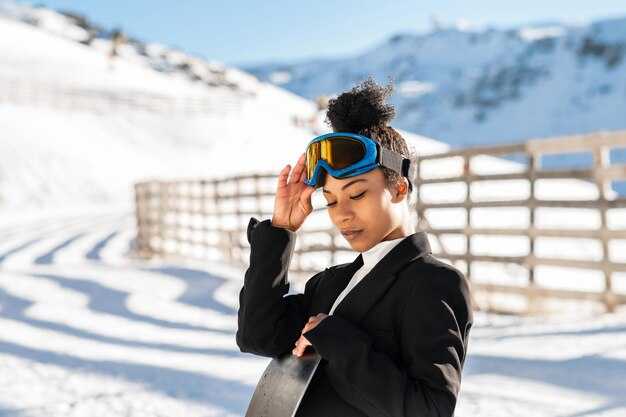
Start with a high-quality on-mountain lesson to build control and reduce falls. For first-timers, that hands-on coaching gives you the feel for turning, stopping, and pace, so you know what to expect rather than guessing like nothing else. This approach helps you learn safely and can help others on the slope.
Choose high-quality gear and a properly fitting helmet to protect your head and mask your face from wind. For on-mountain comfort, pick boots that fit well, and gloves with good grip. In colorado, cold days demand smart layering: avoid cotton, and choose moisture-wicking fabrics for a bright, dry feeling all day. green runs welcome to beginners when conditions are stable.
Plan food and water wisely to maintain energy and focus. Carry quick snacks and a small bottle so you can stay alert between runs, reducing risks. Short breaks allow you to reset balance and prevent fatigue between runs. Advice from on-mountain staff helps you choose safer lines and keep your day pleasant.
Respect others on the slope and set personal limits early. Do not follow faster skiers too closely; keep a safe distance and watch for changing conditions. Use a mask when needed to stay comfortable in windy sections and keep your vision clear. Listen to advice from instructors and local staff–they spot icy patches and weather shifts that influence your line.
Expert-Recommended Pitfalls for First-Time Skiers
Start with a certified beginner lesson and buy a lift ticket for the beginner area. This builds a solid foundation before tackling longer runs. An instructor shows you how to glide, stop, and turn with control, reducing the risk of a hard fall. Wear lightweight, well-fitting gear and avoid bulky packs that slow you down. A calm, focused start keeps you safe and makes the day feel great.
Prioritize layering: base layer, middle layer, and an outer shell made of breathable fabrics. The base layer wicks moisture, the middle layer adds warmth, and the shell blocks wind and snow. Test the fit by moving and bending; there should be no pinching at the neck. Keep a few essentials in a pocket–lip balm, sunscreen, and a small snack–for quick access. A cozy mid-layer adds warmth without bulk.
Be mindful of exposure to sun and wind on the mountains. Use goggles with 100% UV protection and sunscreen on exposed skin. The glare from the snow can surprise you, so protect your eyes on sunny chair rides and throughout your time on the slopes.
Schedule short rests every hour and drink water to avoid fatigue. Pack a quick snack to sustain energy; for the season-long effort, consistency matters. Take a longer lunch break if you feel tired, but keep moving enough to stay warm and avoid stiffness. Rest helps your form improve faster.
Practice safe lift etiquette: ride with the chair out front and avoid sudden movements while boarding. On the slope, stay in control, focusing on doing slow, deliberate turns and stopping gently to avoid collisions with others. Keep your neck relaxed and your weight centered to reduce neck strain during transitions.
Don’t rush to the middle of the mountain; stay in the beginner area until you can link turns smoothly. Rushing makes it easy to lose balance and go off the trail. Keep shoes, poles, and gear properly fitted and tested before you start moving fast. A cautious pace protects your knees and your confidence.
Respect the culture of ski resorts and the family-friendly vibe on the slopes. Follow posted signs, yield to riders in front, and wait your turn in lines. theres value in clear communication and steady progress, especially when you’re learning with kids or a group. Others will notice your safety habits and respond with patience.
Be prepared for a practical reminder: a beaver-like snug strap around the helmet keeps chin and neck secure. Tie cords and straps neatly so nothing dangles. This simple habit saves you from distractions while you focus on the snow.
theres always room to grow with each session. Build a plan for the rest of the season: pick a few easy runs, gradually build speed, and enjoy family trips to practice common moves. Bring a breathable pocket for snacks, keep exposure minimal on windy days, and celebrate small wins with your crew.
Smart Packing: Avoid Overpacking and Forgetting Key Gear
Pack a single compact daypack that holds a base layer, a mid-layer fleece, a water-resistant outer shell, two pairs of socks, gloves, a hat, goggles, sunscreen, lip balm, a small first-aid kit, a compact multitool, a spare lens, a water bottle, and energy bars.
Choose layering that adapts to conditions: a breathable base layer, a warm mid-layer, and a dry outer shell; each item should compress well and dry fast.
Plan two zones of packing: the daypack holds items needed on the slope; the remaining gear stays in a larger bag stored in the car or a locker at the lodge.
Test the pack at home and trim items until the total weight feels manageable; aim for roughly 6–8 pounds (3–4 kg) in the daypack for a half-day outing.
Choose compact alternatives: foldable water bottle, micro towel, small charging cable, and a spare battery.
If gear is rented, assemble a minimal personal kit and verify it before leaving the house.
Do a final check before leaving the house: confirm you have water, snacks, spare lens, charging cable, and a basic first-aid item; verify that you can access everything during the day.
Smart packing supports a smooth day on snow and reduces stress for all ages and abilities.
Gear Decisions: Rent vs Buy, and When to Bring Your Own Boots
Rent boots for your first ski trip. If you already own a well-fitting pair, bring them, but start with rentals to test fit early and feel how your body responds on easy runs. Book a fitting with a boot specialist to compare options, and decide which path feels best for you. This approach saves time and keeps the adventure enjoyable from day one.
Typical boot rentals run about 15–35 per day, with weekly bundles that save a bit. For a 3–4 day trip, expect roughly 60–140; a 7 day plan can reach 100–250. Always wear thin ski socks and test two sizes if needed to ensure heel hold and toe clearance; the right pair should stay down when you flex, and you should feel no numbness after a few minutes. If anything feels off, switch to a different width or a larger shell, and they can help you adjust quickly at the shop. Find a setup somewhere in your plan, and stay hydrated with water or a warm drink during breaks.
The biggest benefit of owning boots is consistent control, which translates to better safety on icy patches and longer fatigue-free sessions. If you ski 8–12 days per season, or you have feet that need a custom insole or wider/narrower volume, buying makes sense. Schedule a final fit with a certified boot fitter to dial in shell size, liner, and footbeds, and test the setup on easy runs before moving to more challenging terrain. The time you invest now pays off on longer days and faster transitions on steeper sections.
Bring your own boots when you travel often, especially for longer stays or multi-stop trips such as Thanksgiving weeks or trips to places like Japan, where you’ll want the same feel across days. Personal boots reduce sizing quirks at the shop and help you stay cozy on cold days; they support orthotics and high-arch feet when needed. If you do bring them, check airline rules for skis and boots, pack them in a sturdy boot bag, and run them through a boot dryer when you return to keep them in shape. On the hill, they help you stay onto the slope and set you up for the next adventure.
Final tips: If you rent, reserve ahead and verify width options; if you buy, plan a 2–3 hour fitting with a pro and bring your own socks, insole inserts, and a boot bag. A quick check on a gentle slope after a short break will reveal if you’ve found the right setup; while you wait, sip a hot drink and keep mittens handy. If anything doesnt feel right, adjust immediately; they wont fix themselves.
Layering Strategy: Base Layers, Insulation, and Outerwear for Cold Days
Start with a snug, moisture-wicking base layer made from merino wool or a high-performance synthetic blend. This first layer sits close to the skin and moves moisture away through the whole day, keeping you dry and warm while skiing. Some runners prefer cotton shirts, but cotton traps moisture and fails when exposure matters, so avoid it at the base. After you secure the base, add a mid-layer that is thick enough to trap heat but breathable, so you stay comfortable on long climbs through changing conditions.
Mid-layer options include thick fleece or light down. Strongly consider pieces that compress well for easy packing and fit under your shell. For what you will experience across a resort town, choose a mid-layer that can adapt to bright sun and chilly wind; on bright days you want warmth without overheating, and on windy, cold days you still need protection. In many cases, the right mid-layer keeps you enjoying the day and reduces fatigue. Also, this layer supports the culture of practical, all-weather clothing that works here and across town centers.
Finish with a weatherproof outer shell that blocks wind and sheds moisture. Look for a waterproof membrane with good breathability, taped seams, and adjustable cuffs. Outerwear offers protection on exposed sections of the trail and on chairlifts, and it should be able to vent when you heat up during a long run. Mittens or insulated gloves, a hat, and a neck gaiter complete the setup so your exposure to cold stays limited here in town or at the resort, and you stay comfortable from first chair to last run. This clothing system is safe and flexible for big days.
Testing at home helps. When you pack for a first ski trip, this whole layering strategy pays off across many destinations. It works in small town hills and in large, bright resort complexes. The biggest payoff comes from a simple rule: adjust layers as conditions change through the day. What matters most is warmth with breathability, protection with mobility, and readiness for weather shifts on snow. This approach keeps you comfortable during experiences you enjoy with friends and family.
| Layer | Material Options | Beneficio Chiave | Consigli Pratici |
|---|---|---|---|
| Base Layer | Merino wool, synthetic blends (polyester, polypropylene) | Moisture wicking; fast drying | Choose snug fit; avoid cotton |
| Insulation (Mid-layer) | Thick fleece, light down, synthetic fill | Heat retention; breathability | Opta per un'opzione compatta se ti sposti spesso. |
| Capispalla | Guscio impermeabile/traspirante; opzioni imbottite | Antivento; protezione dall'umidità | Cerca cuciture nastrate, polsini regolabili, cerniere di ventilazione |
Preparazione Tecnica: Prenota una Lezione Prima di Scendere in Pista
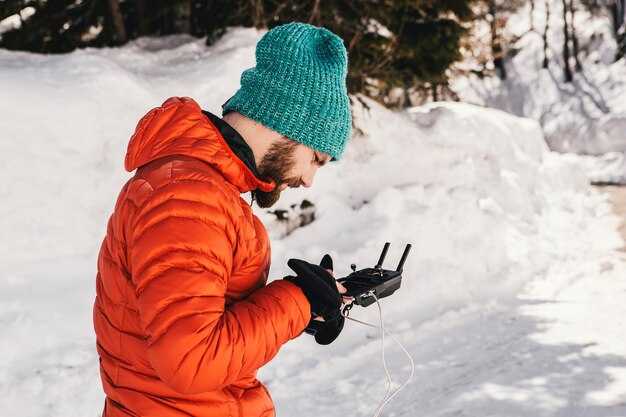
Prenota una lezione prima di affrontare le piste. Un allenatore professionista imposta la tua postura e mostra una tecnica sicura e ripetibile, in modo che le tue prime discese siano controllate piuttosto che rischiose. Dicono che i consigli sono su misura per il tuo livello, forniscono un feedback immediato e ti aiutano a godere di un progresso costante durante la mattinata, come padroneggiare una semplice curva. Quando inizi con l'istruzione, acquisisci sicurezza e riduci le cattive abitudini. Soprattutto per chi è alle prime armi, questa guida ti mette a tuo agio con le basi. Insegnano una sequenza ripetibile che puoi riutilizzare su qualsiasi pendio.
Durante la sessione imparerai le tecniche di sicurezza in caso di caduta, il trasferimento del peso e come impostare un ritmo pulito nelle curve. Il coach utilizza esercizi che potrai mettere in pratica nelle discese vere e proprie, e si adatta al tuo ritmo in modo che la corsa rimanga incoraggiante piuttosto che opprimente. Alcuni principianti trovano difficile la prima scivolata, e con la guida del coach supererai alcuni momenti impegnativi, trasformandoli in progressi costanti e piacevoli. C'è una traversata in stile tirolese su un pendio dolce per aumentare l'esposizione senza pressione.
Prima di uscire, conferma il pacchetto che desideri: una lezione singola, una sessione privata o un corso di gruppo. Molti negozi offrono pacchetti di attrezzatura, quindi puoi prendere in prestito scarponi, casco e bastoncini se non li possiedi. Indossa indumenti comodi a strati e un casco; porta guanti, crema solare e una borraccia. Se hai già un biglietto, puoi collegarlo alla tua lezione e risparmiare tempo in tutto il resort. Alcune sedi ti permettono anche di prenotare le pettorine per evitare affollamento al banco noleggio. Se desideri qualcos'altro, chiedi pure al personale del desk.
Logistica e sicurezza: pianifica skipass, orari giornalieri e controlli dell'attrezzatura
Acquista gli skipass online almeno 7 giorni prima e scegli una fascia oraria mattutina per ridurre al minimo le code e iniziare la giornata in montagna senza intoppi, soprattutto per i principianti.
- Pianificazione degli skipass e della logistica di gruppo
- Acquista online con 7-14 giorni di anticipo; i pass digitali velocizzano l'ingresso e riducono i punti di contatto.
- Per un gruppo, calcolare la quantità di adulti e bambini e incaricare un membro partecipante di gestire i biglietti e tenere tutti uniti.
- Memorizza le tessere in un punto facilmente accessibile sul tuo telefono o stampale, e sappi dove ritirarle: la reception dell'hotel o l'ufficio informazioni del resort possono aiutarti.
- Avere sempre un piano di riserva: se si perde una finestra temporale, passare a uno slot successivo; non mancare il primo tentativo arrivando troppo tardi, specialmente per i partecipanti alla prima esperienza.
- Consiglio per principianti: inizia la giornata con piste facili; questo ti aiuterà a sviluppare sicurezza e ridurrà il rischio di errori dovuti alla fatica.
- Orari giornalieri e ritmo in montagna
- Cerca di essere in montagna entro le 08:30–09:00; la maggior parte degli impianti di risalita apre in quella fascia oraria e arrivare presto ti aiuta a riscaldarti gradualmente, come un dolce warm-up.
- Programma una pausa di mezzogiorno in un luogo soleggiato per evitare sforzi eccessivi; porta con te cibo energetico e una bottiglia d'acqua per un rifornimento costante, soprattutto per le giornate lunghe, più lunghe.
- Utilizza un semplice anello in montagna: una corsa di riscaldamento, poi un paio di discese semplici e infine passa a sezioni più ripide man mano che il tuo livello migliora.
- Il tempo può cambiare rapidamente; la protezione solare è importante: riapplica la crema solare, indossa un cappello e copri la pelle esposta per evitare scottature; vestirsi a strati ti aiuta a stare comodo con le temperature variabili.
- Consulta qui la guida del resort e le mappe per confermare dove andare per i terreni adatti ai principianti e dove ritrovarsi con la tua guida.
- Verifiche dell'equipaggiamento e preparazione pre-corsa
- Effettua un rapido controllo dell'attrezzatura pre-sciata: ispeziona gli attacchi, le viti, i freni e la calzata degli scarponi; assicurati che il casco sia sicuro e che gli occhiali siano puliti.
- Controllare le lamine e sciolinare sci o tavole; una messa a punto di base migliora il controllo e riduce l'affaticamento sulle piste più lunghe.
- Vestiti a strati in modo intelligente: strato base, intermedio e guscio; regola l'isolamento sotto la giacca per stare al caldo senza surriscaldarti.
- Nello zaino: borraccia, barrette energetiche, burrocacao, crema solare, un piccolo kit di attrezzi, pezzi di ricambio e una toppa di riparazione compatta; tieni lo zaino in un posto accessibile.
- Fare un rapido controllo ora ti fa risparmiare tempo sulla montagna e ti aiuta a evitare regolazioni mancate in seguito.
- Pianifica di lavare l'attrezzatura dopo l'uso e asciugarla accuratamente; riponi l'equipaggiamento correttamente in hotel per prevenire ruggine o irrigidimenti.
- Sicurezza e disciplina in montagna
- Segui le regole di comportamento sulle piste: le aree per principianti rimangono sulla destra, dai la precedenza agli sciatori più veloci e non avventurarti sulle piste chiuse.
- Conosci il tuo livello e resta su un terreno adatto; se ti stai stancando, passa a run più corte e facili e riposa per prevenire errori.
- Tieni d'occhio le condizioni meteo e lo stato degli impianti di risalita; se la visibilità diminuisce, riduci la lunghezza della tua discesa e dirigiti verso le zone di sicurezza.
- Porta sempre con te le informazioni di contatto dell'hotel e dello staff del resort; in caso di separazione, ritrovatevi al punto di incontro concordato e leggete i cartelli affissi per ricongiungervi rapidamente al vostro gruppo.
- Parte della sicurezza è avere un piano che hai provato con la tua guida e il personale dell'hotel.
- Routine post-gara e errori da evitare
- Tornati in hotel, rimuovere la crema solare, asciugare l'attrezzatura e riporla in un'area asciutta e ventilata.
- Rivedi cosa è andato bene e cosa modificare il giorno successivo; questo ti aiuta a evitare di ripetere gli stessi errori e migliora la tua sicurezza generale.
- Idratati e consuma un pasto bilanciato per recuperare; un defaticamento pomeridiano più lungo può prevenire che la fatica e l'esposizione al sole persistano fino a sera.
- Tieni un semplice registro di ciò che funziona per il tuo livello e fai un piano per il percorso in montagna di domani e i controlli dell'attrezzatura.