


 O‘zbekcha
  English (UK)
  Русский
  বাংলা
বাংলা  العربية
  日本語
日本語  한국어
한국어  Magyar
  Norsk nynorsk
  Türkçe
  עִבְרִית
  Español
  Čeština
  Svenska
  Português
  Ελληνικά
  Suomi
Suomi  Nederlands
  Română
  Italiano
  Français
  Polski
  Українська
  Deutsch
  简体中文
简体中文  Slovenčina
  Српски језик
  اردو
اردو  Azərbaycan dili
  አማርኛ
አማርኛ 
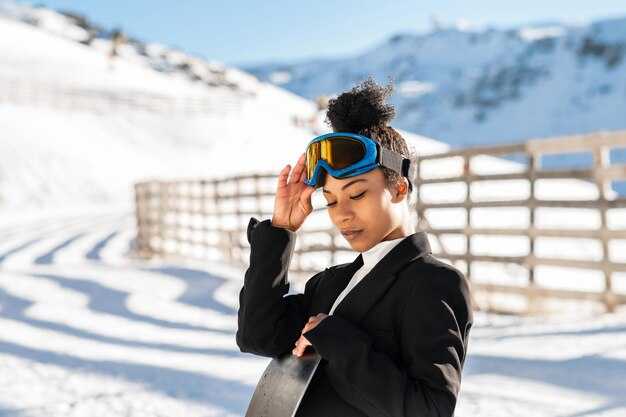
Start with a high-quality on-mountain lesson to build control and reduce falls. For first-timers, that hands-on coaching gives you the feel for turning, stopping, and pace, so you know what to expect rather than guessing like nothing else. This approach helps you learn safely and can help others on the slope.
Choose high-quality gear and a properly fitting helmet to protect your head and mask your face from wind. For on-mountain comfort, pick boots that fit well, and gloves with good grip. In colorado, cold days demand smart layering: avoid cotton, and choose moisture-wicking fabrics for a bright, dry feeling all day. green runs welcome to beginners when conditions are stable.
Plan food and water wisely to maintain energy and focus. Carry quick snacks and a small bottle so you can stay alert between runs, reducing risks. Short breaks allow you to reset balance and prevent fatigue between runs. Advice from on-mountain staff helps you choose safer lines and keep your day pleasant.
Respect others on the slope and set personal limits early. Do not follow faster skiers too closely; keep a safe distance and watch for changing conditions. Use a mask when needed to stay comfortable in windy sections and keep your vision clear. Listen to advice from instructors and local staff–they spot icy patches and weather shifts that influence your line.
Expert-Recommended Pitfalls for First-Time Skiers
Start with a certified beginner lesson and buy a lift ticket for the beginner area. This builds a solid foundation before tackling longer runs. An instructor shows you how to glide, stop, and turn with control, reducing the risk of a hard fall. Wear lightweight, well-fitting gear and avoid bulky packs that slow you down. A calm, focused start keeps you safe and makes the day feel great.
Prioritize layering: base layer, middle layer, and an outer shell made of breathable fabrics. The base layer wicks moisture, the middle layer adds warmth, and the shell blocks wind and snow. Test the fit by moving and bending; there should be no pinching at the neck. Keep a few essentials in a pocket–lip balm, sunscreen, and a small snack–for quick access. A cozy mid-layer adds warmth without bulk.
Be mindful of exposure to sun and wind on the mountains. Use goggles with 100% UV protection and sunscreen on exposed skin. The glare from the snow can surprise you, so protect your eyes on sunny chair rides and throughout your time on the slopes.
Schedule short rests every hour and drink water to avoid fatigue. Pack a quick snack to sustain energy; for the season-long effort, consistency matters. Take a longer lunch break if you feel tired, but keep moving enough to stay warm and avoid stiffness. Rest helps your form improve faster.
Practice safe lift etiquette: ride with the chair out front and avoid sudden movements while boarding. On the slope, stay in control, focusing on doing slow, deliberate turns and stopping gently to avoid collisions with others. Keep your neck relaxed and your weight centered to reduce neck strain during transitions.
Don’t rush to the middle of the mountain; stay in the beginner area until you can link turns smoothly. Rushing makes it easy to lose balance and go off the trail. Keep shoes, poles, and gear properly fitted and tested before you start moving fast. A cautious pace protects your knees and your confidence.
Respect the culture of ski resorts and the family-friendly vibe on the slopes. Follow posted signs, yield to riders in front, and wait your turn in lines. theres value in clear communication and steady progress, especially when you’re learning with kids or a group. Others will notice your safety habits and respond with patience.
Be prepared for a practical reminder: a beaver-like snug strap around the helmet keeps chin and neck secure. Tie cords and straps neatly so nothing dangles. This simple habit saves you from distractions while you focus on the snow.
theres always room to grow with each session. Build a plan for the rest of the season: pick a few easy runs, gradually build speed, and enjoy family trips to practice common moves. Bring a breathable pocket for snacks, keep exposure minimal on windy days, and celebrate small wins with your crew.
Smart Packing: Avoid Overpacking and Forgetting Key Gear
Pack a single compact daypack that holds a base layer, a mid-layer fleece, a water-resistant outer shell, two pairs of socks, gloves, a hat, goggles, sunscreen, lip balm, a small first-aid kit, a compact multitool, a spare lens, a water bottle, and energy bars.
Choose layering that adapts to conditions: a breathable base layer, a warm mid-layer, and a dry outer shell; each item should compress well and dry fast.
Plan two zones of packing: the daypack holds items needed on the slope; the remaining gear stays in a larger bag stored in the car or a locker at the lodge.
Test the pack at home and trim items until the total weight feels manageable; aim for roughly 6–8 pounds (3–4 kg) in the daypack for a half-day outing.
Choose compact alternatives: foldable water bottle, micro towel, small charging cable, and a spare battery.
If gear is rented, assemble a minimal personal kit and verify it before leaving the house.
Do a final check before leaving the house: confirm you have water, snacks, spare lens, charging cable, and a basic first-aid item; verify that you can access everything during the day.
Smart packing supports a smooth day on snow and reduces stress for all ages and abilities.
Gear Decisions: Rent vs Buy, and When to Bring Your Own Boots
Rent boots for your first ski trip. If you already own a well-fitting pair, bring them, but start with rentals to test fit early and feel how your body responds on easy runs. Book a fitting with a boot specialist to compare options, and decide which path feels best for you. This approach saves time and keeps the adventure enjoyable from day one.
Typical boot rentals run about 15–35 per day, with weekly bundles that save a bit. For a 3–4 day trip, expect roughly 60–140; a 7 day plan can reach 100–250. Always wear thin ski socks and test two sizes if needed to ensure heel hold and toe clearance; the right pair should stay down when you flex, and you should feel no numbness after a few minutes. If anything feels off, switch to a different width or a larger shell, and they can help you adjust quickly at the shop. Find a setup somewhere in your plan, and stay hydrated with water or a warm drink during breaks.
The biggest benefit of owning boots is consistent control, which translates to better safety on icy patches and longer fatigue-free sessions. If you ski 8–12 days per season, or you have feet that need a custom insole or wider/narrower volume, buying makes sense. Schedule a final fit with a certified boot fitter to dial in shell size, liner, and footbeds, and test the setup on easy runs before moving to more challenging terrain. The time you invest now pays off on longer days and faster transitions on steeper sections.
Bring your own boots when you travel often, especially for longer stays or multi-stop trips such as Thanksgiving weeks or trips to places like Japan, where you’ll want the same feel across days. Personal boots reduce sizing quirks at the shop and help you stay cozy on cold days; they support orthotics and high-arch feet when needed. If you do bring them, check airline rules for skis and boots, pack them in a sturdy boot bag, and run them through a boot dryer when you return to keep them in shape. On the hill, they help you stay onto the slope and set you up for the next adventure.
Final tips: If you rent, reserve ahead and verify width options; if you buy, plan a 2–3 hour fitting with a pro and bring your own socks, insole inserts, and a boot bag. A quick check on a gentle slope after a short break will reveal if you’ve found the right setup; while you wait, sip a hot drink and keep mittens handy. If anything doesnt feel right, adjust immediately; they wont fix themselves.
Layering Strategy: Base Layers, Insulation, and Outerwear for Cold Days
Start with a snug, moisture-wicking base layer made from merino wool or a high-performance synthetic blend. This first layer sits close to the skin and moves moisture away through the whole day, keeping you dry and warm while skiing. Some runners prefer cotton shirts, but cotton traps moisture and fails when exposure matters, so avoid it at the base. After you secure the base, add a mid-layer that is thick enough to trap heat but breathable, so you stay comfortable on long climbs through changing conditions.
Mid-layer options include thick fleece or light down. Strongly consider pieces that compress well for easy packing and fit under your shell. For what you will experience across a resort town, choose a mid-layer that can adapt to bright sun and chilly wind; on bright days you want warmth without overheating, and on windy, cold days you still need protection. In many cases, the right mid-layer keeps you enjoying the day and reduces fatigue. Also, this layer supports the culture of practical, all-weather clothing that works here and across town centers.
Finish with a weatherproof outer shell that blocks wind and sheds moisture. Look for a waterproof membrane with good breathability, taped seams, and adjustable cuffs. Outerwear offers protection on exposed sections of the trail and on chairlifts, and it should be able to vent when you heat up during a long run. Mittens or insulated gloves, a hat, and a neck gaiter complete the setup so your exposure to cold stays limited here in town or at the resort, and you stay comfortable from first chair to last run. This clothing system is safe and flexible for big days.
Testing at home helps. When you pack for a first ski trip, this whole layering strategy pays off across many destinations. It works in small town hills and in large, bright resort complexes. The biggest payoff comes from a simple rule: adjust layers as conditions change through the day. What matters most is warmth with breathability, protection with mobility, and readiness for weather shifts on snow. This approach keeps you comfortable during experiences you enjoy with friends and family.
| Layer | Material Options | Asosiy afzallik | Practical Tips |
|---|---|---|---|
| Base Layer | Merino wool, synthetic blends (polyester, polypropylene) | Moisture wicking; fast drying | Choose snug fit; avoid cotton |
| Insulation (Mid-layer) | Thick fleece, light down, synthetic fill | Issiqlikni saqlash; nafas olish xususiyati | Ko'p ko'chib yursangiz, ixcham variantni tanlang |
| Ustki kiyim | Suv oʻtkazmaydigan/nafas oladigan tashqi qatlam; izolyatsiya qilingan variantlar | Shamoldan o'tkazmaydigan; namlikdan himoya | Yopishtirilgan choklarni, sozlanadigan manjetlarni, shamollatish fermuarlarini qidiring |
Mahoratga tayyorgarlik: Qiyaliklarga chiqishdan avval darsga yoziling
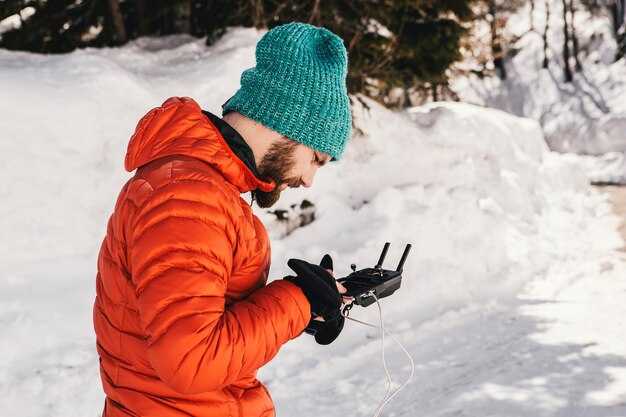
Qiyaliklarga chiqishdan oldin darsga yoziling. Professional murabbiy holatingizni to'g'rilaydi va xavfsiz, takrorlanadigan texnikani ko'rsatadi, shunda sizning birinchi urinishlaringiz xavfli emas, balki nazorat ostida bo'ladi. Ularning aytishicha, maslahatlar sizning darajangizga moslashtirilgan, darhol fikr-mulohaza beradi va oddiy burilishni o'zlashtirish kabi ertalab davomida barqaror o'sishdan zavqlanishga yordam beradi. Ko'rsatma bilan boshlaganingizda, o'zingizga ishonch hosil qilasiz va yomon odatlarni kamaytirasiz. Ayniqsa, birinchi marta kelganlar uchun bu ko'rsatma asoslar bilan tanishishga yordam beradi. Ular har qanday qiyalikda qayta ishlatishingiz mumkin bo'lgan takrorlanadigan ketma-ketlikni o'rgatadilar.
Mashg'ulot davomida siz yiqilishdan himoyalanish, vazn o'tkazish va burilishlarga toza ritmni qanday o'rnatishni o'rganasiz. Murabbiy haqiqiy yurishlarda qo'llashingiz mumkin bo'lgan mashqlardan foydalanadi va ular sizning tezligingizga moslashadi, shunda yurish haddan tashqari yuklamasdan, balki ruhlantiruvchi bo'ladi. Ba'zi yangi boshlag'ichlar birinchi sirpanishni qiyin deb bilishadi va siz bir nechta qiyin daqiqalarni rahbarlik bilan yengib, ularni barqaror, yoqimli taraqqiyotga aylantirasiz. Bosimsiz ta'sirni kuchaytirish uchun yumshoq qiyalikda tirol uslubidagi traver bo'ladi.
Yo'lga chiqishingizdan oldin, o'zingizga kerakli paketni tasdiqlang: yakka dars, shaxsiy mashg'ulot yoki guruh darsi. Ko'pgina do'konlar jihozlar to'plamini taklif qilishadi, shuning uchun agar sizda o'zingizniki bo'lmasa, etik, dubulg'a va tayoqlarni ijaraga olishingiz mumkin. Qulay, qatlamli kiyimlar va dubulg'a kiying; qo'lqop, quyoshdan himoya kremi va suv olib keling. Agar sizda chiptangiz bo'lsa, uni darsingizga bog'lab, kurort bo'ylab vaqtni tejashingiz mumkin. Ba'zi joylar ijaraga berish stolida olomon bo'lmasligi uchun biblarni bron qilish imkonini ham beradi. Agar sizga boshqa narsa kerak bo'lsa, stol xodimlaridan so'rang.
Logistika va Xavfsizlik: Lift Kartalarini, Kun Tartibini va Uskunalar Tekshiruvini Rejalashtiring
Lift passlarini onlayn tarzda kamida 7 kun oldin bron qiling va navbatlarni minimallashtirish va tog'dagi boshlanishni osonlashtirish uchun ertalabki oynani tanlang, ayniqsa yangi boshlovchilar uchun.
- Lift kartalarini va guruh logistikasini rejalashtirish
- Onlayn tarzda 7–14 kun oldin xarid qiling; raqamli oʻtish joylari kirishni tezlashtiradi va teginish nuqtalarini kamaytiradi.
- Guruh uchun kattalar va bolalar sonini hisoblang va ishtirok etuvchi a'zolardan birini chiptalarni boshqarish va hamma birga bo'lishini ta'minlash uchun tayinlang.
- Abonementlarni telefoningizda yoki bosma holda qayerda saqlash mumkinligini bilib oling va ularni qayerdan olishni aniqlab oling – mehmonxona resepsheni yoki kurort maʼlumotlar stoli yordam berishi mumkin.
- Har doim zaxira reja tuzing: agar vaqt oynasi o'tkazib yuborilsa, keyingi vaqtga o'ting; ayniqsa, birinchi marta qatnashayotganlar uchun, birinchi ko'tarilishga kech qolib kelmang.
- Yangi boshlovchilar uchun maslahat: kuningizni avval oson nishabliklar atrofida rejalashtiring; bu sizga o'zingizga bo'lgan ishonchni oshirishga yordam beradi va charchoq bilan bog'liq xatoliklar xavfini kamaytiradi.
- Kun tartibi va tog‘ ritmi
- Tog'da 08:30–09:00 oralig'ida bo'lishni rejalashtiring; ko'pchilik liftlar shu vaqt oralig'ida ochiladi va erta kelish asta-sekin isinishga yordam beradi, xuddi yengil mashqdek.
- Quyoshli joyda tush paytida dam olishni rejalashtiring, zo'riqishning oldini olish uchun; energiya beruvchi ovqat va bir shisha suv olib yuring, ayniqsa uzoq, juda uzoq kunlar uchun.
- Oddiy togʻ aylanmasidan foydalaning: isinish uchun yugurish, keyin bir nechta oson yugurishlar, so'ngra darajangiz yaxshilangani sari tikroq qismlarga o'ting.
- Ob-havo tez o'zgarishi mumkin; quyoshdan himoyalanish muhim – quyoshdan himoya kremini qayta surting, shapka kiying va kuyishdan saqlanish uchun ochiq terini yoping; qatlamli kiyim o'zgaruvchan haroratda sizni qulay his qilishingizga yordam beradi.
- Dam olish maskani qo'llanmasi va xaritalarni bu yerda o'qing, yangi boshlanuvchilar uchun qayerga borish kerakligini va yo'lboshchingiz bilan qayerda qayta guruhlash kerakligini tasdiqlang.
- Uskunalar tekshiruvi va safarga tayyorgarlik
- Tezkor kun oldidan uskunalar tekshiruvi: bog'ichlar, vintlar, tormozlar va etik o'lchamlarini tekshiring; dubulg'aning mahkamligiga va ko'zoynakning tiniqligiga ishonch hosil qiling.
- Chang'ilarni tekshiring va chang'i yoki snoubordlarga mum surting; oddiy sozlash uzun qiyaliklarda nazoratni yaxshilaydi va charchoqni kamaytiradi.
- Aqlli kiyining: ichki qatlam, o'rta qatlam va tashqi qatlam; isib ketmaslik uchun kurtka ostidagi izolyatsiyani sozlang.
- Kerakli narsalar: suv idishi, energiya beruvchi oziq-ovqat, lab uchun balzam, quyoshdan himoya kremi, kichik asboblar to'plami, ehtiyot qismlar va ixcham taʼmirlash yamoqi; sumkani oson yetadigan joyda saqlang.
- Hozir tez tekshiruv o'tkazish tog'da vaqtni tejaydi va keyinroq tuzatishlarni o'tkazib yuborishdan saqlaydi.
- Kun davomida asbob-anjomlarni yuvib, yaxshilab quritishni rejalashtiring; zanglash yoki qotib qolishining oldini olish uchun jihozlarni mehmonxonada to'g'ri saqlang.
- Tog'dagi xavfsizlik va intizom
- Qiyalik odob-axloq qoidalariga rioya qiling: yangi boshlovchilar uchun mo'ljallangan hududlar o'ng tomonda qoladi, tezroq chang'ichilarga yo'l bering va yopiq yo'laklardan uzoqroq turing.
- O'z darajangizni biling va mos keladigan hududda qoling; agar charchayotgan bo'lsangiz, xatolarning oldini olish uchun qisqaroq, osonroq yugurishga o'ting va dam oling.
- Ob-havo va lift holatini kuzatib boring; agar ko'rinish yomonlashsa, yurish masofangizni qisqartiring va xavfsizlik hududlariga qayting.
- Doimo mehmonxona va dam olish maskani xodimlarining aloqa ma'lumotlarini o'zingiz bilan olib yuring; agar adashib qolsangiz, kelishilgan uchrashuv joyida to'plang va guruhingizga tezda qo'shilish uchun osilgan belgilarni o'qing.
- Xavfsizlikning bir qismi bu sizning yo'lboschingiz va mehmonxona xodimlari bilan mashq qilgan rejangizga ega bo'lishdir.
- Kun tartibidagi odatlar va yo'l qo'ymaslik kerak bo'lgan xatolar
- Mehmonxonaga qaytib, quyoshdan himoya kremini yuvib tashlang, jihozlarni quriting va uskunalarni quruq, havalandiriladigan joyda saqlang.
- O'tgan kun yaxshi o'tgan va keyingi kunda nimalarni o'zgartirish kerakligini ko'rib chiqing; bu xatolarni takrorlamaslikka yordam beradi va umumiy xavfsizligingizni oshiradi.
- Qayta tiklanish uchun suv iching va muvozanatli ovqat yeng; tushdan keyin uzoqroq sovushish charchoq va quyosh ta'sirining kechgacha davom etishining oldini oladi.
- O'z darajangiz uchun nima ish berganini oddiy jurnalda saqlang va ertaga tog'dagi yo'nalish va jihozlarni tekshirish rejasini tuzing.