


 Română
  English (UK)
  Русский
  বাংলা
বাংলা  العربية
  日本語
日本語  한국어
한국어  Magyar
  Norsk nynorsk
  Türkçe
  עִבְרִית
  Español
  Čeština
  Svenska
  Português
  Ελληνικά
  Suomi
Suomi  Nederlands
  Italiano
  Français
  Polski
  Українська
  Deutsch
  简体中文
简体中文  Slovenčina
  Српски језик
  اردو
اردو  Azərbaycan dili
  O‘zbekcha
  አማርኛ
አማርኛ 
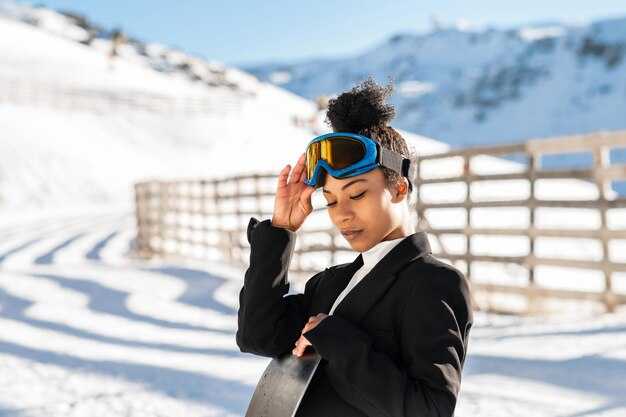
Start with a high-quality on-mountain lesson to build control and reduce falls. For first-timers, that hands-on coaching gives you the feel for turning, stopping, and pace, so you know what to expect rather than guessing like nothing else. This approach helps you learn safely and can help others on the slope.
Choose high-quality gear and a properly fitting helmet to protect your head and mask your face from wind. For on-mountain comfort, pick boots that fit well, and gloves with good grip. In colorado, cold days demand smart layering: avoid cotton, and choose moisture-wicking fabrics for a bright, dry feeling all day. green runs welcome to beginners when conditions are stable.
Plan food and water wisely to maintain energy and focus. Carry quick snacks and a small bottle so you can stay alert between runs, reducing risks. Short breaks allow you to reset balance and prevent fatigue between runs. Advice from on-mountain staff helps you choose safer lines and keep your day pleasant.
Respect others on the slope and set personal limits early. Do not follow faster skiers too closely; keep a safe distance and watch for changing conditions. Use a mask when needed to stay comfortable in windy sections and keep your vision clear. Listen to advice from instructors and local staff–they spot icy patches and weather shifts that influence your line.
Expert-Recommended Pitfalls for First-Time Skiers
Start with a certified beginner lesson and buy a lift ticket for the beginner area. This builds a solid foundation before tackling longer runs. An instructor shows you how to glide, stop, and turn with control, reducing the risk of a hard fall. Wear lightweight, well-fitting gear and avoid bulky packs that slow you down. A calm, focused start keeps you safe and makes the day feel great.
Prioritize layering: base layer, middle layer, and an outer shell made of breathable fabrics. The base layer wicks moisture, the middle layer adds warmth, and the shell blocks wind and snow. Test the fit by moving and bending; there should be no pinching at the neck. Keep a few essentials in a pocket–lip balm, sunscreen, and a small snack–for quick access. A cozy mid-layer adds warmth without bulk.
Be mindful of exposure to sun and wind on the mountains. Use goggles with 100% UV protection and sunscreen on exposed skin. The glare from the snow can surprise you, so protect your eyes on sunny chair rides and throughout your time on the slopes.
Schedule short rests every hour and drink water to avoid fatigue. Pack a quick snack to sustain energy; for the season-long effort, consistency matters. Take a longer lunch break if you feel tired, but keep moving enough to stay warm and avoid stiffness. Rest helps your form improve faster.
Practice safe lift etiquette: ride with the chair out front and avoid sudden movements while boarding. On the slope, stay in control, focusing on doing slow, deliberate turns and stopping gently to avoid collisions with others. Keep your neck relaxed and your weight centered to reduce neck strain during transitions.
Don’t rush to the middle of the mountain; stay in the beginner area until you can link turns smoothly. Rushing makes it easy to lose balance and go off the trail. Keep shoes, poles, and gear properly fitted and tested before you start moving fast. A cautious pace protects your knees and your confidence.
Respect the culture of ski resorts and the family-friendly vibe on the slopes. Follow posted signs, yield to riders in front, and wait your turn in lines. theres value in clear communication and steady progress, especially when you’re learning with kids or a group. Others will notice your safety habits and respond with patience.
Be prepared for a practical reminder: a beaver-like snug strap around the helmet keeps chin and neck secure. Tie cords and straps neatly so nothing dangles. This simple habit saves you from distractions while you focus on the snow.
theres always room to grow with each session. Build a plan for the rest of the season: pick a few easy runs, gradually build speed, and enjoy family trips to practice common moves. Bring a breathable pocket for snacks, keep exposure minimal on windy days, and celebrate small wins with your crew.
Smart Packing: Avoid Overpacking and Forgetting Key Gear
Pack a single compact daypack that holds a base layer, a mid-layer fleece, a water-resistant outer shell, two pairs of socks, gloves, a hat, goggles, sunscreen, lip balm, a small first-aid kit, a compact multitool, a spare lens, a water bottle, and energy bars.
Choose layering that adapts to conditions: a breathable base layer, a warm mid-layer, and a dry outer shell; each item should compress well and dry fast.
Plan two zones of packing: the daypack holds items needed on the slope; the remaining gear stays in a larger bag stored in the car or a locker at the lodge.
Test the pack at home and trim items until the total weight feels manageable; aim for roughly 6–8 pounds (3–4 kg) in the daypack for a half-day outing.
Choose compact alternatives: foldable water bottle, micro towel, small charging cable, and a spare battery.
If gear is rented, assemble a minimal personal kit and verify it before leaving the house.
Do a final check before leaving the house: confirm you have water, snacks, spare lens, charging cable, and a basic first-aid item; verify that you can access everything during the day.
Smart packing supports a smooth day on snow and reduces stress for all ages and abilities.
Gear Decisions: Rent vs Buy, and When to Bring Your Own Boots
Rent boots for your first ski trip. If you already own a well-fitting pair, bring them, but start with rentals to test fit early and feel how your body responds on easy runs. Book a fitting with a boot specialist to compare options, and decide which path feels best for you. This approach saves time and keeps the adventure enjoyable from day one.
Typical boot rentals run about 15–35 per day, with weekly bundles that save a bit. For a 3–4 day trip, expect roughly 60–140; a 7 day plan can reach 100–250. Always wear thin ski socks and test two sizes if needed to ensure heel hold and toe clearance; the right pair should stay down when you flex, and you should feel no numbness after a few minutes. If anything feels off, switch to a different width or a larger shell, and they can help you adjust quickly at the shop. Find a setup somewhere in your plan, and stay hydrated with water or a warm drink during breaks.
The biggest benefit of owning boots is consistent control, which translates to better safety on icy patches and longer fatigue-free sessions. If you ski 8–12 days per season, or you have feet that need a custom insole or wider/narrower volume, buying makes sense. Schedule a final fit with a certified boot fitter to dial in shell size, liner, and footbeds, and test the setup on easy runs before moving to more challenging terrain. The time you invest now pays off on longer days and faster transitions on steeper sections.
Bring your own boots when you travel often, especially for longer stays or multi-stop trips such as Thanksgiving weeks or trips to places like Japan, where you’ll want the same feel across days. Personal boots reduce sizing quirks at the shop and help you stay cozy on cold days; they support orthotics and high-arch feet when needed. If you do bring them, check airline rules for skis and boots, pack them in a sturdy boot bag, and run them through a boot dryer when you return to keep them in shape. On the hill, they help you stay onto the slope and set you up for the next adventure.
Final tips: If you rent, reserve ahead and verify width options; if you buy, plan a 2–3 hour fitting with a pro and bring your own socks, insole inserts, and a boot bag. A quick check on a gentle slope after a short break will reveal if you’ve found the right setup; while you wait, sip a hot drink and keep mittens handy. If anything doesnt feel right, adjust immediately; they wont fix themselves.
Layering Strategy: Base Layers, Insulation, and Outerwear for Cold Days
Start with a snug, moisture-wicking base layer made from merino wool or a high-performance synthetic blend. This first layer sits close to the skin and moves moisture away through the whole day, keeping you dry and warm while skiing. Some runners prefer cotton shirts, but cotton traps moisture and fails when exposure matters, so avoid it at the base. After you secure the base, add a mid-layer that is thick enough to trap heat but breathable, so you stay comfortable on long climbs through changing conditions.
Mid-layer options include thick fleece or light down. Strongly consider pieces that compress well for easy packing and fit under your shell. For what you will experience across a resort town, choose a mid-layer that can adapt to bright sun and chilly wind; on bright days you want warmth without overheating, and on windy, cold days you still need protection. In many cases, the right mid-layer keeps you enjoying the day and reduces fatigue. Also, this layer supports the culture of practical, all-weather clothing that works here and across town centers.
Finish with a weatherproof outer shell that blocks wind and sheds moisture. Look for a waterproof membrane with good breathability, taped seams, and adjustable cuffs. Outerwear offers protection on exposed sections of the trail and on chairlifts, and it should be able to vent when you heat up during a long run. Mittens or insulated gloves, a hat, and a neck gaiter complete the setup so your exposure to cold stays limited here in town or at the resort, and you stay comfortable from first chair to last run. This clothing system is safe and flexible for big days.
Testing at home helps. When you pack for a first ski trip, this whole layering strategy pays off across many destinations. It works in small town hills and in large, bright resort complexes. The biggest payoff comes from a simple rule: adjust layers as conditions change through the day. What matters most is warmth with breathability, protection with mobility, and readiness for weather shifts on snow. This approach keeps you comfortable during experiences you enjoy with friends and family.
| Layer | Material Options | Beneficiu cheie | Practical Tips |
|---|---|---|---|
| Base Layer | Merino wool, synthetic blends (polyester, polypropylene) | Moisture wicking; fast drying | Choose snug fit; avoid cotton |
| Insulation (Mid-layer) | Thick fleece, light down, synthetic fill | Retenție de căldură; respirabilitate | Optează pentru o variantă compactă dacă te muți des. |
| Outerwear | Strat impermeabil/respirabil; opțiuni izolate | Rezistent la vânt; protecție împotriva umezelii | Caută cusături termosudate, manșete ajustabile, fermoare de ventilare. |
Pregătire pentru schi: Rezervă o lecție înainte de a te aventura pe pârtie.
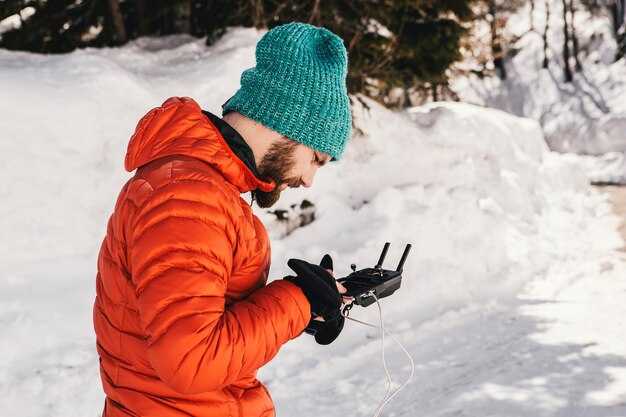
Rezervă o lecție înainte de a te aventura pe pârtie. Un instructor profesionist îți va corecta poziția și îți va arăta tehnici sigure, repetitive, astfel încât primele tale coborâri să fie controlate, nu riscante. Se spune că sfaturile sunt adaptate nivelului tău, oferă feedback imediat și te ajută să progresezi constant pe parcursul dimineții, cum ar fi stăpânirea unei viraje simple. Când începi cu instruire, câștigi încredere și reduci obiceiurile proaste. Mai ales pentru începători, această îndrumare te familiarizează cu noțiunile de bază. Ei te învață o secvență repetitivă pe care o poți reutiliza pe orice pârtie.
În timpul sesiunii vei învăța despre siguranța la căderi, transferul de greutate și cum să stabilești un ritm clar în viraje. Antrenorul folosește exerciții pe care le poți aplica în turele reale, și se adaptează ritmului tău, astfel încât plimbarea să rămână încurajatoare, nu copleșitoare. Unii începători găsesc dificilă prima alunecare, și vei depăși câteva momente dificile cu ajutor, transformându-le în progres constant și plăcut. Există o traversare în stil tirolez pe o pantă ușoară pentru a crește expunerea fără presiune.
Înainte de a pleca, confirmă pachetul pe care îl dorești: o singură lecție, o sesiune privată sau un curs de grup. Multe magazine oferă pachete de echipament, astfel încât poți împrumuta clăpari, cască și bețe dacă nu le deții. Poartă straturi confortabile de haine și o cască; adu-ți mănuși, protecție solară și o sticlă. Dacă ai deja un abonament, îl poți conecta la lecția ta și poți economisi timp în stațiune. Unele locații îți permit, de asemenea, să rezervi veste pentru a evita aglomerația la biroul de închirieri. Dacă dorești altceva,cere personalului de la birou.
Logistică și Siguranță: Planifică Abonamentele de Schi, Programul Zilei și Verificările Echipamentului
Rezervă online permisele de schi cu cel puțin 7 zile înainte și alege un interval orar dimineața pentru a minimiza cozile și a asigura un început lin pe pârtie, în special pentru începători.
- Planificarea abonamentelor de schi și logistica grupului
- Cumpărați online cu 7–14 zile înainte; permisele digitale accelerează intrarea și reduc punctele de contact.
- Pentru un grup, calculează numărul de adulți și copii și desemnează un membru participant să gestioneze biletele și să mențină grupul unit.
- Păstrează permisele undeva accesibil, pe telefon sau printate, și asigură-te că știi de unde să le ridici – recepția hotelului sau biroul de informații al stațiunii te pot ajuta.
- Ai întotdeauna un plan de rezervă: dacă ratezi o fereastră, treci la un slot ulterior; nu rata prima ridicare, ajungând prea târziu, mai ales pentru participanții aflați la prima participare.
- Sfat pentru începători: planifică-ți ziua începând cu pârtii ușoare; acest lucru te ajută să-ți crești încrederea și reduce riscul greșelilor cauzate de oboseală.
- Programul zilnic și ritmul pe munte
- Planifică să fii pe munte între 08:30–09:00; majoritatea instalațiilor de transport pe cablu se deschid în acest interval, iar sosirea devreme te ajută să te încălzești treptat, ca o încălzire ușoară.
- Programează o pauză la prânz într-un loc însorit pentru a evita suprasolicitarea; poartă alimente energizante și o sticlă de apă pentru o alimentație constantă, mai ales în zilele lungi și foarte lungi.
- Folosește un circuit simplu pe munte: o cursă de încălzire, apoi câteva coborâri ușoare, apoi progresează către porțiuni mai abrupte pe măsură ce nivelul tău se îmbunătățește.
- Vremea se poate schimba rapid; protecția solară e importantă – reaplică protecția solară, poartă o pălărie și acoperă pielea expusă pentru a evita arsurile solare; îmbrăcămintea în straturi te menține confortabil la temperaturi variabile.
- Citește aici ghidul stațiunii și hărțile pentru a confirma unde să mergi pentru teren prietenos începătorilor și unde să te regrupezi cu ghidul tău.
- Verificarea echipamentului și pregătirea prealabilă a alergării
- Efectuează o verificare rapidă a echipamentului înainte de ziua pe pârtie: inspectează legăturile, șuruburile, frânele și potrivirea clăparilor; asigură-te că casca este fixată bine și ochelarii sunt curați.
- Verificați canturile și dați cu ceară pe schiuri sau plăci snowboard; o întreținere de bază îmbunătățește controlul și reduce oboseala pe pante mai lungi.
- Stratifică inteligent: strat de bază, strat intermediar și strat exterior; ajustează izolația de sub-jachetă pentru a rămâne cald fără a te supraîncălzi.
- Lucruri esențiale: sticla de apă, mâncare energizantă, balsam de buze, protecție solară, o trusă mică de scule, piese de schimb și un plasture compact de reparații; țineți geanta într-un loc accesibil.
- O verificare rapidă acum economisește timp pe munte și te ajută să eviți ajustări ratate ulterior.
- Planifică să speli echipamentul după fiecare zi și să-l usuci bine; depozitează echipamentul corespunzător la hotel pentru a preveni ruginirea sau rigidizarea.
- Siguranța și disciplina pe pârtie
- Respectați eticheta pârtiilor: zonele pentru începători, țineți dreapta, cedați trecerea schiorilor mai rapizi și nu intrați pe pârtiile închise.
- Cunoaște-ți nivelul și rămâi pe un teren adecvat; dacă obosești, treci la runde mai scurte și mai ușoare și odihnește-te pentru a preveni greșelile.
- Fii atent la starea vremii și la funcționarea instalațiilor de transport pe cablu; dacă vizibilitatea scade, scurtează lungimea coborârii și îndreaptă-te spre zonele de siguranță.
- Asigurați-vă că aveți întotdeauna informațiile de contact ale hotelului și ale personalului complexului; în caz de separare, adunați-vă la punctul de întâlnire stabilit și citiți indicatoarele afișate pentru a vă reuni rapid cu grupul.
- O parte din siguranță constă în a avea un plan pe care l-ai exersat cu ghidul și personalul hotelului.
- Rutina de după zi și greșeli de evitat
- Înapoi la hotel, spală-ți crema de protecție solară, usucă echipamentul și depozitează-l într-un spațiu uscat și ventilat.
- Analizează ce a mers bine și ce trebuie ajustat pentru ziua următoare; acest lucru te ajută să eviți repetarea acelorași greșeli și îți îmbunătățește siguranța generală.
- Hidratează-te și consumă o masă echilibrată pentru a te recupera; o perioadă mai lungă de relaxare după-amiaza poate preveni oboseala și expunerea la soare să persiste până seara.
- Ține un jurnal simplu despre ce funcționează pentru nivelul tău și fă un plan pentru traseul de mâine pe munte și verificările echipamentului.