


 O‘zbekcha
  English (UK)
  Русский
  বাংলা
বাংলা  العربية
  日本語
日本語  한국어
한국어  Magyar
  Norsk nynorsk
  Türkçe
  עִבְרִית
  Español
  Čeština
  Svenska
  Português
  Ελληνικά
  Suomi
Suomi  Nederlands
  Română
  Italiano
  Français
  Polski
  Українська
  Deutsch
  简体中文
简体中文  Slovenčina
  Српски језик
  اردو
اردو  Azərbaycan dili
  አማርኛ
አማርኛ 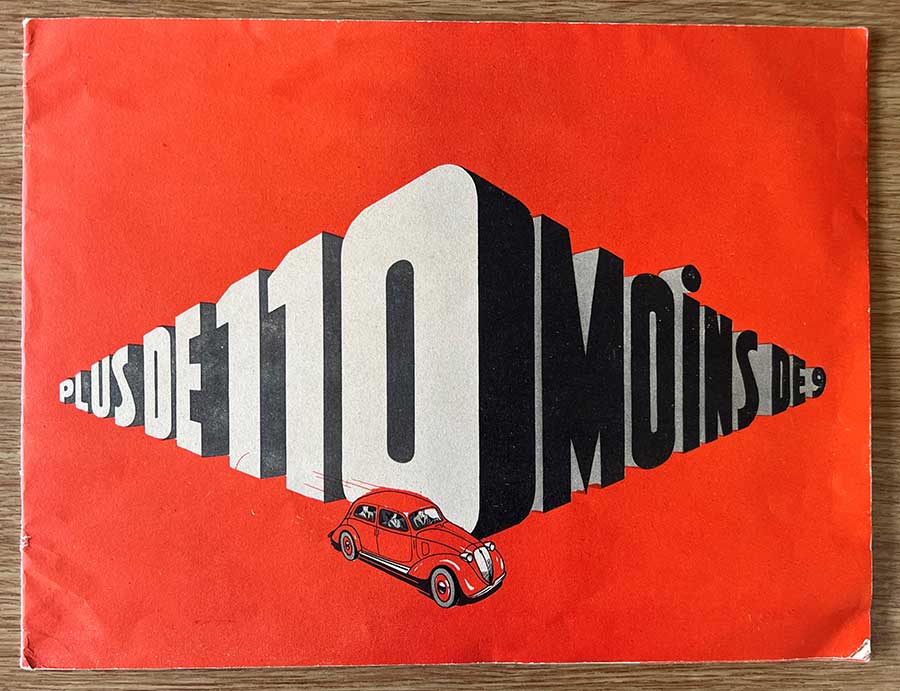 A Closer Look at the Commercial Graphic Designs of the 1930s Revealed at the National Art Library">

Unveiling the Commercial Graphics of the 1930s
The National Art Library is proud to present an intriguing display showcasing the Commercial Graphics of the 1930s. Opening on 21 November 2025, this exhibit is positioned just outside the library doors and features two captivating display cases. One case offers a broad range of Jobbing Printing samples from 1930s Europe, while the other highlights the celebrated works of two innovative Polish Jewish designers, Jan Le Witt and George Him.
Understanding Jobbing Printing: A Timeless Artistic Form
Jobbing Printing refers to printed materials usually made up of just a few sheets, encompassing posters, leaflets, company catalogues, magazine covers, and product labels. Its role in advertising and commercial communication remains relevant, as newcomers to exhibitions often find themselves flipping through modern leaflets and posters much like those from the 1930s.
The origin of the term stretches back to the 19th century. Scholars like Beatrice Ward described boxes filled with specimen pages and prospectuses — all representing current typography and design trends called ‘jobs’. Post the 1929 Wall Street Crash, commercial art embraced eye-catching designs, with brands like Fortnum & Mason, Guinness, and Shell commissioning talented artists to create compelling advertisements that captured consumer attention.
The Visionary Philip James and the Jobbing Printing Collection
The collection was established in 1936 by Philip James, a key figure who later became Keeper of the Library. He meticulously gathered works by reaching out to designers, publishers, and companies worldwide. The aim was to build a modern commercial design archive for art students and industrial artists to study and draw inspiration from. Indeed, his efforts reflect an early understanding of how commercial graphic design inspires creative industries.
Although active collecting halted in 1939 due to the war, further acquisitions were integrated in later decades, including corporate trade literature that tracks the evolution of 20th-century commercial design through to the present day.
Curating the Exhibit: A Journey Through Correspondence and Design
The display was curated by Fen McMorran, Ida Ebehiwalu, Lucy Keck, and Anneke Schadenberg who worked extensively with the correspondence files of Philip James from 1936-1939. These letters, which are part of the V&A Archive, are linked directly to the Jobbing Printing pieces, allowing visitors to experience the dialogue behind the artworks. This personal connection between correspondence and design adds layers to the understanding of commercial graphics’ history, providing a fascinating glimpse into the creative and professional exchanges of that era.
Spotlight on Jan Le Witt and George Him: Designers Who Defined an Era
The exhibit’s second display case pays tribute to Jan Le Witt and George Him, whose partnership began in Warsaw in 1933 and brought a fresh vision to graphic design. Their portfolio includes campaigns for well-known companies such as Birds Eye, and the exhibit features the iconic “Your table – a paradise” series among other notable works.
The duo relocated to London in 1937 with the assistance of the V&A and leading publishers, quickly establishing a reputation for their witty, surrealistic designs. Their style was admired widely and commissioned by prominent organizations including the Post Office and London Transport, as well as various government ministries. Their designs are instantly recognizable for the clever humor and surreal flair they infused into everyday commercial art.
Highlights of the 1930s Commercial Art Movement
- Jobbing Printing was essential to advertising, embracing forms such as posters and leaflets that are still influential today.
- Philip James pioneered systematic collection and reflection on modern commercial design.
- Jan Le Witt and George Him exemplified innovation with their memorable, humorous, and surreal commercial graphics.
- The collaboration between curators and archive correspondence allows a richer narrative behind the artworks.
While detailed reviews and well-researched exhibitions bring these vibrant 1930s designs to life, nothing replaces the experience of seeing them firsthand. Platforms like GetExperience.com offer access to cultural tours and exhibitions that let you dive deep into the world of art and design history, securing your ticket with ease and confidence through their fully digital and secure payment system. Tailor your visit with custom requests and receive offers that match your interests directly from verified providers at reasonable prices. This blend of transparency, convenience, and choice makes planning your journey straightforward and rewarding — Eng yaxshi takliflarni oling da GetExperience.com.
Table 1: Key Components of the Commercial Graphics Display
| Display Case | Contents | Significance |
|---|---|---|
| Jobbing Printing Examples | European printed adverts like posters, leaflets, and catalogues from the 1930s | Showcases the commercial art trends and typography influencing consumer culture |
| Jan Le Witt and George Him | Portfolio with work for Birds Eye, government departments, and transport authorities | Highlights pioneering graphic design blending surrealism with humor in advertising |
Xulosa
The National Art Library’s celebration of the 1930s commercial graphic scene offers a fascinating window into a transformative period for advertising and design. Rooted in the principles of Jobbing Printing and enriched by visionary designers Jan Le Witt and George Him, the display reveals how commercial graphics captured the spirit of their times and laid foundations still relevant today. For travelers and culture enthusiasts, understanding these visual communications adds depth to appreciating past eras and inspires contemporary exploration of new travel experiences, adventure activities, museum tours with live guides, and even online virtual tours. Whether you’re captivated by luxury adventure travel or eco-friendly wildlife safaris, immersing yourself in the history of design enriches any cultural journey.