


 O‘zbekcha
  English (UK)
  Русский
  বাংলা
বাংলা  العربية
  日本語
日本語  한국어
한국어  Magyar
  Norsk nynorsk
  Türkçe
  עִבְרִית
  Español
  Čeština
  Svenska
  Português
  Ελληνικά
  Suomi
Suomi  Nederlands
  Română
  Italiano
  Français
  Polski
  Українська
  Deutsch
  简体中文
简体中文  Slovenčina
  Српски језик
  اردو
اردو  Azərbaycan dili
  አማርኛ
አማርኛ 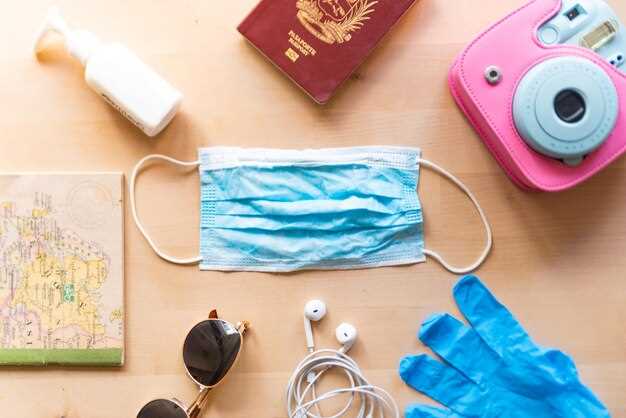 Top Tips to Avoid Germs When Flying – A Practical Travel Health Guide">
Wipe the tray table, armrest, and overhead panel with a sanitizing wipe before you touch them. Starting with a clean surface reduces the threat of germs on your hands and face during flying, especially at high-traffic times after boarding.
Wash hands with soap for at least 20 seconds, or use an alcohol-based sanitizer with 60%+ alcohol when water isn’t readily available. These washing routines make a simple habit that boosts your immune defenses while traveling, and they work best during key moments when you handle shared items or touch the lavatory door. Give back some time by keeping sanitizer handy.
Avoid sharing items that touch your mouth or skin; keep your own materials within reach. dont share headphones with others, and store personal wipes, tissues, and a clean cloth in a dedicated pocket. When you reach for overhead compartments or touch the tray, vaqtida staying mindful of surface contact, rinse or wipe your hands afterward.
Pack a compact medicine kit with pain relievers, antihistamines, a digital thermometer, nasal saline spray, and bandages. This kit helps you manage common problems without leaving your seat. If you were exposed to someone sick, rest, drink water, and monitor fever or throat discomfort; watch for signs of sickness and seek crew assistance or medical care after landing if symptoms worsen.
Practice smart inflight routines: choose seats with more space when possible, minimize time in crowded aisles, and use your own headphones and blanket if you can. Here are ways to reduce exposure: hydrate often, limit alcohol, and eat light meals to avoid digestive upset. Give your body enough time to recover between flights and rest when the seatbelt sign is off. dont forget to share a plan with your travel partner so you can look out for each other’s health.
Germ-Preventing Flight Plan: Actionable Steps Across Phases
Recommendation: Pack a compact kit (size fits in a pocket) with 60–70% alcohol sanitizer and disinfecting wipes, then use it before airport security, during the flight, and after landing to minimize exposure to bacteria and sneezes.
- Before airport
- Assemble your plan: sanitizer, wipes for tables and armrests, a spare mask, and headphones cleaning wipe. Keep reminders in your pocket so you don’t forget any item.
- Washing routine starts here: wash hands after packing and before touching any surface in the airport zone; apply sanitizer before you touch kiosks or security screens.
- Face and gear management: choose a compact, breathable mask if required, and keep it handy next to your headphones for easy access without removing gloves or touching your face.
- Airport mindset: keep your personal space as a zone of control; avoid crowded lines when possible and stay within your own course of movement.
- At security and while moving through the airport
- Security checks: apply sanitizer before grabbing the tray and after returning items to your bag; wipe tray tables if you plan to set belongings down here.
- Distance and route: choose less congested routes, move to a less crowded gate area, and avoid touching shared surfaces when possible.
- Items handling: keep your own water bottle and snacks in a sealed bag; do not reuse others’ utensils or cups; avoid placing items on shared surfaces.
- Headphones and tech: store personal devices in your own bag when not in use and wipe them before and after use if you touch them in public spaces.
- In-flight
- Seat strategy: remain in your assigned zone and minimize unnecessary movement; keep your distance from others when feasible in the cabin.
- Hygiene on board: wash hands upon first reaching your seat, then use sanitizer after touching overhead bin handles or window shades; wipe tray tables and armrests before use if you want extra assurance.
- Face and sneezes control: avoid touching your face; if you cough or sneeze, do so into a tissue or elbow and sanitize hands immediately after.
- Food and drink: choose pre-packaged items when possible; wash hands before opening or handling them; use your own utensils and avoid sharing.
- Air and surfaces: keep air vents on a low, personal setting to reduce exposure to misted particles; don’t lean on the tray table for long periods if you can avoid it.
- After landing
- Hand hygiene: wash hands thoroughly or sanitize after baggage claim and before touching common surfaces in the terminal.
- Disposal: safely discard used wipes and tissues in a sealed bag, then wash hands again on exiting the security zone.
- Clothing and gear check: if you touched shared surfaces, consider changing outer layers or wiping them down, especially if you’re heading to a long trip or another connection.
- Next steps: continue your plan by washing hands on arrival at home or in your hotel and keeping surfaces clean for the next day.
Before You Travel: Health Prep and Vaccination Check
Schedule a vaccination check at least four weeks before travel to verify boosters and required shots. Bring vaccination records, their digital copies if possible, so you can show evidence at airports, hotels, or border controls. For destinations like gibraltar, confirm any entry requirements tied to antibody levels and local health advisories.
Ask your clinician about vaccine timing and possible interactions with medicines you take. Some vaccines need a series of doses or a waiting period after administration. If you are unsure, schedule a short follow-up to avoid getting doses too close to your flight, or probably arriving with too little protection. If you struggle to coordinate timing, ask for a bundled plan from the clinic. This makes making sure you’re protected before boarding much easier. You want to be protected before boarding an airplane and sitting in an enclosed cabin for hours.
Prioritize vaccines for common travel risks: influenza, COVID-19, measles-mumps-rubella, varicella, hepatitis A and B, tetanus-diphtheria-pertussis, and polio, plus meningococcal vaccines based on destination or itinerary. If you have previously been vaccinated, ask about titer tests to confirm protection rather than repeating doses unnecessarily. Travel-specific recommendations may depend on your age, health status, and prior vaccines.
Prepare proof for the trip: store digital copies in a secure cloud and carry printed copies as a backup, ideally on recycled paper. If you’re bringing medicine or injectables, pack them in their original packaging and in your carry-on to avoid temperature swings and loss from checked baggage. Keep a list of medicines and doses; note any refrigeration needs and the contact details of your doctor in case of illness on the road. If something goes wrong, you’ll have what you need to act quickly.
On the plane and at the airport, practice hand hygiene to reduce illness risk: wipe surfaces in overhead bins and seat areas with approved wipes, and wipe door handles in restrooms as an extra precaution. Keep a small bottle of hand sanitizer in your carry-on and wash hands frequently to protect against illness for anyone nearby. If you notice coughing from nearby travelers, give yourself space and use a mask if you’re at higher risk of getting ill.
After arrival, monitor for any persistent symptoms and seek care promptly if fever, shortness of breath, or persistent coughing appears. Stay hydrated, rest, and follow local guidance on quarantine or testing if required. By planning ahead with vaccination checks and hygiene steps, you reduce the risk of illness for anyone sharing your cabin, from your seat to the cabin overhead.
Airport Arrival: Quick Surface Cleansing and Personal Hygiene
Start with immediate surface cleansing: wipe the tray, the table, and armrests as soon as you land; use wipes about the size of a credit card to cover the surfaces, including underneath the tray, then dry with a clean cloth; ensure the surfaces are cleaned. Better, finish with hand sanitizer until hands feel dry. Dont skip this step on planes and in busy hubs, where many people touch the same spots and your seatmates rely on quick, practical hygiene to combat airborne germs. This approach also helps their health and reduces risk for you.
Protect your personal hygiene: use tissues for sneezes and coughs, and then discard them properly. Keep your elbows in when you cough or sneeze to steer droplets away from others. If you touch hair or your face, wash your hands immediately; wash with soap for at least 20 seconds, or use sanitizer when water isn’t available. Regular hand washing reduces coronavirus risk and helps you stay healthier during the rest of your trip.
Communicate kindly with seatmates: keep conversations short and avoid sharing personal items; if you need to talk, do so quietly and at a minimum distance. If whos around you seems uneasy, share a quick hygiene message with anyone nearby: “Please avoid close talk and keep elbows controlled.” This keeps everyone on the same page here and now.
When you plan to eat or settle in, check surfaces again: wipe the tray, the table, and any nearby high-touch spots; underneath and around the seat, you’ll find frequent contact points. The biggest protection comes from consistency – clean, dry surfaces and hands reinforce each other to stop grime from taking hold. Consider keeping a small kit accessible so you can act between gates.
If your route includes a layover in gibraltar or another hub along the road, apply these steps with the same rigor. Reassess after a flight to freshen your grip on clean habits and keep your rest of the day better prepared.
Finish with a simple routine: carry a compact kit with wipes and tissues, keep it easily accessible, and dont hesitate to use it between gates. Share tips with anyone nearby who asks, and keep the message simple: a few wipes, a quick wash, and a smile can cut exposure and help everyone feel safer.
Onboard Practices: Hand Hygiene, Mask Use, and Item Handling
Wash hands for at least 20 seconds with soap and water before handling meals and after using the lavatory. If water isn’t available, use a sanitizer with 60–70% alcohol and rub until dry. Though some travelers skip this step, clean hands reduce transfers to the table, tray, and screen during an in-flight service. These measures were designed for quick, practical use on airplanes and have been updated as of March.
Mask use: Wear a well-fitted mask for the entire flight, especially in the middle seats or when service carts stop near you. Hertzberg suggests keeping a simple course of action: mask on during boarding, at meals, and whenever you’re near others; replace if damp or soiled. Even when cabin announcements say masks are optional, choose consistent masking to reduce risk.
Item handling: Limit sharing of items and minimize contact with touched surfaces. Use wipes on high-touch surfaces such as the tray table, armrests, and seatback screen before touching them. Which surfaces to wipe: tray table, armrests, screen, and other high-touch areas. Store luggage and personal items under the seat in front of you when possible to maintain distance from other passengers and avoid back-and-forth movement around the aisle. Cleaned surfaces stay cleaner when you wipe them regularly, and you can keep a small stock of wipes in your bag for quick jobs. Aim for high levels of cleanliness without overhandling, and remember these tips were developed to work amid busy cabin rhythms.
Checklist and personal kit: Build a short list of steps you follow on every flight. Pack wipes, sanitizer, a mask, a small bag for dirty items, and clean stockings or socks in your carry-on. Keeping these in reach helps you stay on track while in the middle of boarding. Message to yourself: review this list before every flight to build a habit that becomes second nature. Practice these steps at home too, so you’re ready when you’re in the house or up in the air on airplanes.
Movement and circulation: On longer flights, move your feet and thighs to boost circulation and reduce clot risk. Do simple feet pumps, ankle circles, and leg stretches every hour or two. If you’re prone to swelling, consider compression stockings for extra support and comfort during long journeys.
| Mahsulot | Harakat | When | Eslatmalar |
|---|---|---|---|
| Qo'llar | Yuvish yoki dezinfeksiya qilish | Bortga chiqish; hojatxonadan foydalangandan so'ng | Sovun bilan 20 soniya; sovun bo'lmasa, 60–70%li spirtli antiseptik vosita |
| Yuzalar (stol usti, tirsak qo'ygichlar, ekran) | Dezinfektsiyalovchi salfetkalar bilan arting | Birinchi tegishdan oldin; ovqatdan keyin | Qaysi yuzalarni artish kerakligini maqsad qiling; tozalangan yuzalar toza holatda qoladi; iloji bo'lsa, o'z salfetkalaringizdan foydalaning |
| Niqob | Kiying va moslash. | Parvoz paytida; faqat ovqatlanish uchun olib tashlang | Namlangan yoki iflos bo'lsa almashtiring |
| Yuk va shaxsiy buyumlar | Oʻz joyingizda qoling; ulashishdan saqlaning | Oʻtirish va saqlash vaqtida | Oʻrindiq ostida saqlang, oldinga va orqaga harakatni cheklash uchun; kerakli narsalarni qo'l yetadigan joyga qo'ying |
| Oyoqlar va boldirlar | Harakatlaning va cho‘ziling | Har 60–120 daqiqada | Boldiruvchi mushaklarni ko'tarish, oyoq Bilagi zo'r aylanalari; uzoq parvozlar uchun paypoq tavsiya etiladi |
Ovqat va ichimliklar xavfsizligi: Oqilona tanlang, aloqani kamaytiring
Havoda sirtlar va boshqa yo‘lovchilar bilan aloqani kamaytirish uchun muhrlangan, individual qadoqlangan ovqat va ichimliklarni tanlang.
Har bir mahsulotdagi materiallarni tekshiring: buzilishdan himoyalangan muhrlar, o‘qiladigan sanalar va aniq ingredientlar ro‘yxati. Agar qadoqlash buzilgan yoki yomon holatda bo‘lsa, uni iste'mol qilmang.
Aviatashuvchi kompaniyalar tomonidan zavodda muhrlangan butilkalarda taqdim etiladigan ichimliklarni afzal ko'ring va mashinalardan yoki o'z-o'ziga xizmat ko'rsatish stantsiyalaridan muzdan saqlaning, chunki ular ifloslanish xavfini oshirishi mumkin. Bu amaliyot yuqori gigiena standartlarini saqlashga yordam beradi va ovqatingiz bilan o'zaro aloqani kamaytiradi; bu maslahatlar parvoz xavfsizligida sezilarli farq qiladi.
Oʻzingiz bilan salon sumkangizda ixcham toʻplam olib yuring: bir marta ishlatiladigan idishlar, salfetkalar, nam salfetkalar va qoʻl antiseptigi, shunda idishlarni birgalikda ishlatishdan qochishingiz va bortga chiqish va parvoz vaqtida sirtlarni toza saqlashingiz mumkin boʻladi. Ushbu materiallarni olib yurgan holda, siz aloqa nuqtalarini minimal darajada ushlab turasiz va yoʻlda ovqatlanishga tayyor boʻlasiz.
Ovqatlanishdan oldin, qo'llaringizni kamida 20 soniya davomida yuving yoki yaxshilab dezinfeksiya qiling, keyin stolchangizni tozalang. Agar hojatxonaga borsangiz, joyingizga qaytishdan oldin qo'llaringizni yana yuving va yaxshilab quriting.
Agar yo'talayotgan odam yaqin o'tirsa, imkon qadar masofani saqlang, idishlarni birga ishlatmang va agar samolyotga chiqish vaqtida yoki ekipaj tomonidan ruxsat etilsa, boshqa o'rindiqqa o'tishni o'ylab ko'ring. Masofani saqlash sizning va keyingi odamning virusga duchor bo'lishini kamaytiradi.
Ovqatlarni diqqat bilan rejalashtiring: oshxonadan tasodifiy yeguliklargagina ishonmang; kontaktni kamaytirish uchun uyda muhrlangan variantlarni olib kelishni o'ylab ko'ring. Agar siz uyingizdan bir kishi bilan sayohat qilsangiz, ovqatlarni alohida saqlang va idishlarni bo'lishmang. Kamar va sumkani tartibga solish, bortga chiqishda va kabinada narsalaringizga tezda kirishga yordam beradi va keraksiz harakatlarni kamaytiradi.
Kema kasalligi, tibbiy yordam va reyslarni o'zgartirish bilan bog'liq sug'urta rejangizni ko'rib chiqing. Bortga chiqishdan oldin polis raqamlari va favqulodda holatlar uchun kontaktlarni tayyorlab qo'ying va agar alomatlar paydo bo'lsa, ekipaj ko'rsatmalariga amal qiling.
Keyingi o'rinda, sayohat rejangizni amaliy qadamlar bilan to'ldiring: qo'l yuk xaltangizdagi materiallarni belgilab qo'ying, suv uchun alohida idish saqlang va uni faqat muhrlangan manbalardan to'ldiring. Agar kasallik yuzaga kelsa, tibbiy maslahat so'rashdan tortinmang va parvozga xalaqit bermasdan kasallikka qarshi kurashish uchun zaruratga qarab ekipajga xabar bering.
Parvozdan keyingi tartib: Zararsizlantirish va alomatlardan xabardorlik
Tez uchib ketgandan keyingi dezinfeksiya tadbirlarini o'tkazing: qo'llaringizni kamida 20 soniya davomida yuving va stolcha, tirsak qo'ygich va boshqa tegizilgan sirtlarni arting. Avia kompaniyalar buni maslahat berishi mumkin va bu siz parvoz hududlari va kutish zalida yuqtirgan patogenlarga ta'sirni kamaytirish uchun eng katta qadamdir.
Yuzingizni va boshqalarni himoya qiling: yuvilmagan qo'llar bilan yuzingizga tegmang. Agar yo'tal paydo bo'lsa, tirsaklaringiz bilan yoping; gavjum markaziy hududlarda yoningizdagi odamdan qulay masofa saqlang. Nafas olishni qo'llab-quvvatlaydigan va charchoqni kamaytiradigan holatda dam olishga vaqt ajrating; tanangizni his qilib turing.
Samolyotdan tushgandan so'ng shaxsiy narsalarga toza qo'llar bilan teging: qo'l yukingizni va qayta ishlatadigan narsalaringizni artib tashlang va ularni toza joylarda saqlang. Yuzingizga yana tegishdan oldin qo'llaringizni muntazam ravishda yuving va bir xil patnisdan narsalarni bo'lishmang. Bir oz vaqt ajratib, dam oling va sayohatning keyingi bosqichlariga tayyorlaning.
Semptomlardan xabardorlik va keyingi qadamlar: Sayohatdan keyingi bir necha kun ichida tana haroratining ko'tarilishi, yo'tal, nafas qisilishi yoki charchoqni kuzatib boring. Vaqtni behuda sarflamaslik kerak; agar ular mavjud bo'lsa, muhim bo'lmagan sayohatlarni kechiktirish va shifokor bilan maslahatlashish haqida o'ylab ko'ring. Dori-darmonlarni faqat shifokor buyurganidek qabul qiling va zarur bo'lganda dam oling. Boshlangan sanalar va tashrif buyurgan joylaringiz jurnalini yuritib boring va agar kerak bo'lsa, aviakompaniyalar yoki sog'liqni saqlash markazlariga xabar bering.
Kelish rejalashtirish: agar simptomlar kuchaysa, darhol tibbiy yordamga murojaat qiling va sog'lig'ingiz yaxshilanmaguncha boshqa reyslarga chiqishdan saqlaning. Kelajakdagi sayohatlar uchun ixcham tibbiyot qutichasini olib yuring, qo'llaringizni tez-tez yuving va tuzalishni qo'llab-quvvatlash uchun tranzit paytida qulay holatda bo'ling.