


 اردو
اردو  English (UK)
  Русский
  বাংলা
বাংলা  العربية
  日本語
日本語  한국어
한국어  Magyar
  Norsk nynorsk
  Türkçe
  עִבְרִית
  Español
  Čeština
  Svenska
  Português
  Ελληνικά
  Suomi
Suomi  Nederlands
  Română
  Italiano
  Français
  Polski
  Українська
  Deutsch
  简体中文
简体中文  Slovenčina
  Српски језик
  Azərbaycan dili
  O‘zbekcha
  አማርኛ
አማርኛ 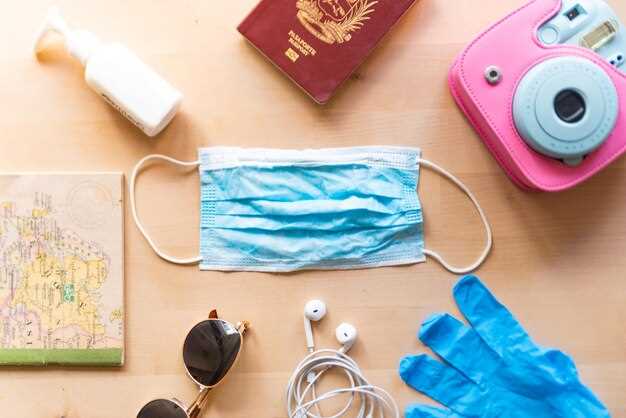 اڑتے وقت جراثیم سے بچنے کے لیے اہم تجاویز - ایک عملی سفری صحت گائیڈ">
Wipe the tray table, armrest, and overhead panel with a sanitizing wipe before you touch them. Starting with a clean surface reduces the threat of germs on your hands and face during flying, especially at high-traffic times after boarding.
Wash hands with soap for at least 20 seconds, or use an alcohol-based sanitizer with 60%+ alcohol when water isn’t readily available. These washing routines make a simple habit that boosts your immune defenses while traveling, and they work best during key moments when you handle shared items or touch the lavatory door. Give back some time by keeping sanitizer handy.
Avoid sharing items that touch your mouth or skin; keep your own materials within reach. dont share headphones with others, and store personal wipes, tissues, and a clean cloth in a dedicated pocket. When you reach for overhead compartments or touch the tray, جبکہ staying mindful of surface contact, rinse or wipe your hands afterward.
Pack a compact medicine kit with pain relievers, antihistamines, a digital thermometer, nasal saline spray, and bandages. This kit helps you manage common problems without leaving your seat. If you were exposed to someone sick, rest, drink water, and monitor fever or throat discomfort; watch for signs of sickness and seek crew assistance or medical care after landing if symptoms worsen.
Practice smart inflight routines: choose seats with more space when possible, minimize time in crowded aisles, and use your own headphones and blanket if you can. Here are ways to reduce exposure: hydrate often, limit alcohol, and eat light meals to avoid digestive upset. Give your body enough time to recover between flights and rest when the seatbelt sign is off. dont forget to share a plan with your travel partner so you can look out for each other’s health.
Germ-Preventing Flight Plan: Actionable Steps Across Phases
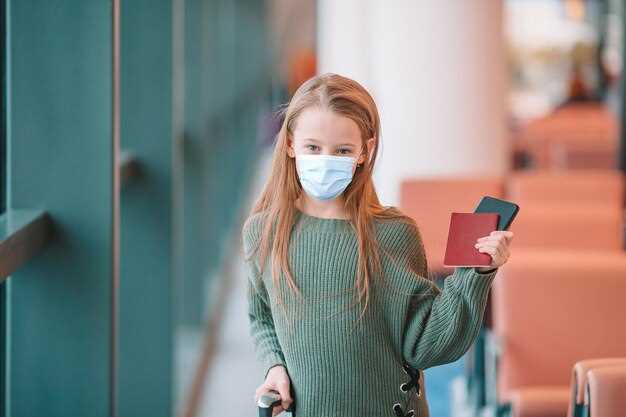
Recommendation: Pack a compact kit (size fits in a pocket) with 60–70% alcohol sanitizer and disinfecting wipes, then use it before airport security, during the flight, and after landing to minimize exposure to bacteria and sneezes.
- Before airport
- Assemble your plan: sanitizer, wipes for tables and armrests, a spare mask, and headphones cleaning wipe. Keep reminders in your pocket so you don’t forget any item.
- Washing routine starts here: wash hands after packing and before touching any surface in the airport zone; apply sanitizer before you touch kiosks or security screens.
- Face and gear management: choose a compact, breathable mask if required, and keep it handy next to your headphones for easy access without removing gloves or touching your face.
- Airport mindset: keep your personal space as a zone of control; avoid crowded lines when possible and stay within your own course of movement.
- At security and while moving through the airport
- Security checks: apply sanitizer before grabbing the tray and after returning items to your bag; wipe tray tables if you plan to set belongings down here.
- Distance and route: choose less congested routes, move to a less crowded gate area, and avoid touching shared surfaces when possible.
- Items handling: keep your own water bottle and snacks in a sealed bag; do not reuse others’ utensils or cups; avoid placing items on shared surfaces.
- Headphones and tech: store personal devices in your own bag when not in use and wipe them before and after use if you touch them in public spaces.
- In-flight
- Seat strategy: remain in your assigned zone and minimize unnecessary movement; keep your distance from others when feasible in the cabin.
- Hygiene on board: wash hands upon first reaching your seat, then use sanitizer after touching overhead bin handles or window shades; wipe tray tables and armrests before use if you want extra assurance.
- Face and sneezes control: avoid touching your face; if you cough or sneeze, do so into a tissue or elbow and sanitize hands immediately after.
- Food and drink: choose pre-packaged items when possible; wash hands before opening or handling them; use your own utensils and avoid sharing.
- Air and surfaces: keep air vents on a low, personal setting to reduce exposure to misted particles; don’t lean on the tray table for long periods if you can avoid it.
- After landing
- Hand hygiene: wash hands thoroughly or sanitize after baggage claim and before touching common surfaces in the terminal.
- Disposal: safely discard used wipes and tissues in a sealed bag, then wash hands again on exiting the security zone.
- Clothing and gear check: if you touched shared surfaces, consider changing outer layers or wiping them down, especially if you’re heading to a long trip or another connection.
- Next steps: continue your plan by washing hands on arrival at home or in your hotel and keeping surfaces clean for the next day.
Before You Travel: Health Prep and Vaccination Check
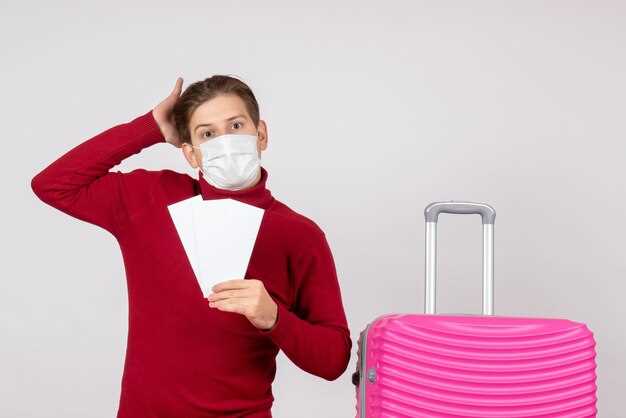
Schedule a vaccination check at least four weeks before travel to verify boosters and required shots. Bring vaccination records, their digital copies if possible, so you can show evidence at airports, hotels, or border controls. For destinations like gibraltar, confirm any entry requirements tied to antibody levels and local health advisories.
Ask your clinician about vaccine timing and possible interactions with medicines you take. Some vaccines need a series of doses or a waiting period after administration. If you are unsure, schedule a short follow-up to avoid getting doses too close to your flight, or probably arriving with too little protection. If you struggle to coordinate timing, ask for a bundled plan from the clinic. This makes making sure you’re protected before boarding much easier. You want to be protected before boarding an airplane and sitting in an enclosed cabin for hours.
Prioritize vaccines for common travel risks: influenza, COVID-19, measles-mumps-rubella, varicella, hepatitis A and B, tetanus-diphtheria-pertussis, and polio, plus meningococcal vaccines based on destination or itinerary. If you have previously been vaccinated, ask about titer tests to confirm protection rather than repeating doses unnecessarily. Travel-specific recommendations may depend on your age, health status, and prior vaccines.
Prepare proof for the trip: store digital copies in a secure cloud and carry printed copies as a backup, ideally on recycled paper. If you’re bringing medicine or injectables, pack them in their original packaging and in your carry-on to avoid temperature swings and loss from checked baggage. Keep a list of medicines and doses; note any refrigeration needs and the contact details of your doctor in case of illness on the road. If something goes wrong, you’ll have what you need to act quickly.
On the plane and at the airport, practice hand hygiene to reduce illness risk: wipe surfaces in overhead bins and seat areas with approved wipes, and wipe door handles in restrooms as an extra precaution. Keep a small bottle of hand sanitizer in your carry-on and wash hands frequently to protect against illness for anyone nearby. If you notice coughing from nearby travelers, give yourself space and use a mask if you’re at higher risk of getting ill.
After arrival, monitor for any persistent symptoms and seek care promptly if fever, shortness of breath, or persistent coughing appears. Stay hydrated, rest, and follow local guidance on quarantine or testing if required. By planning ahead with vaccination checks and hygiene steps, you reduce the risk of illness for anyone sharing your cabin, from your seat to the cabin overhead.
Airport Arrival: Quick Surface Cleansing and Personal Hygiene
Start with immediate surface cleansing: wipe the tray, the table, and armrests as soon as you land; use wipes about the size of a credit card to cover the surfaces, including underneath the tray, then dry with a clean cloth; ensure the surfaces are cleaned. Better, finish with hand sanitizer until hands feel dry. Dont skip this step on planes and in busy hubs, where many people touch the same spots and your seatmates rely on quick, practical hygiene to combat airborne germs. This approach also helps their health and reduces risk for you.
Protect your personal hygiene: use tissues for sneezes and coughs, and then discard them properly. Keep your elbows in when you cough or sneeze to steer droplets away from others. If you touch hair or your face, wash your hands immediately; wash with soap for at least 20 seconds, or use sanitizer when water isn’t available. Regular hand washing reduces coronavirus risk and helps you stay healthier during the rest of your trip.
Communicate kindly with seatmates: keep conversations short and avoid sharing personal items; if you need to talk, do so quietly and at a minimum distance. If whos around you seems uneasy, share a quick hygiene message with anyone nearby: “Please avoid close talk and keep elbows controlled.” This keeps everyone on the same page here and now.
When you plan to eat or settle in, check surfaces again: wipe the tray, the table, and any nearby high-touch spots; underneath and around the seat, you’ll find frequent contact points. The biggest protection comes from consistency – clean, dry surfaces and hands reinforce each other to stop grime from taking hold. Consider keeping a small kit accessible so you can act between gates.
If your route includes a layover in gibraltar or another hub along the road, apply these steps with the same rigor. Reassess after a flight to freshen your grip on clean habits and keep your rest of the day better prepared.
Finish with a simple routine: carry a compact kit with wipes and tissues, keep it easily accessible, and dont hesitate to use it between gates. Share tips with anyone nearby who asks, and keep the message simple: a few wipes, a quick wash, and a smile can cut exposure and help everyone feel safer.
Onboard Practices: Hand Hygiene, Mask Use, and Item Handling
Wash hands for at least 20 seconds with soap and water before handling meals and after using the lavatory. If water isn’t available, use a sanitizer with 60–70% alcohol and rub until dry. Though some travelers skip this step, clean hands reduce transfers to the table, tray, and screen during an in-flight service. These measures were designed for quick, practical use on airplanes and have been updated as of March.
Mask use: Wear a well-fitted mask for the entire flight, especially in the middle seats or when service carts stop near you. Hertzberg suggests keeping a simple course of action: mask on during boarding, at meals, and whenever you’re near others; replace if damp or soiled. Even when cabin announcements say masks are optional, choose consistent masking to reduce risk.
Item handling: Limit sharing of items and minimize contact with touched surfaces. Use wipes on high-touch surfaces such as the tray table, armrests, and seatback screen before touching them. Which surfaces to wipe: tray table, armrests, screen, and other high-touch areas. Store luggage and personal items under the seat in front of you when possible to maintain distance from other passengers and avoid back-and-forth movement around the aisle. Cleaned surfaces stay cleaner when you wipe them regularly, and you can keep a small stock of wipes in your bag for quick jobs. Aim for high levels of cleanliness without overhandling, and remember these tips were developed to work amid busy cabin rhythms.
Checklist and personal kit: Build a short list of steps you follow on every flight. Pack wipes, sanitizer, a mask, a small bag for dirty items, and clean stockings or socks in your carry-on. Keeping these in reach helps you stay on track while in the middle of boarding. Message to yourself: review this list before every flight to build a habit that becomes second nature. Practice these steps at home too, so you’re ready when you’re in the house or up in the air on airplanes.
Movement and circulation: On longer flights, move your feet and thighs to boost circulation and reduce clot risk. Do simple feet pumps, ankle circles, and leg stretches every hour or two. If you’re prone to swelling, consider compression stockings for extra support and comfort during long journeys.
| آئٹم | عمل | When | نوٹس |
|---|---|---|---|
| ہاتھ | دھوئیں یا سینیٹائز کریں۔ | جہاز پر سوار ہونا؛ بیت الخلا کے استعمال کے بعد | 20 سیکنڈ صابن سے؛ صابن دستیاب نہ ہونے کی صورت میں 60-70% الکحل سینیٹائزر |
| سطحات (ٹرے ٹیبل، آرمریسٹ، سکرین) | ڈس انفیکٹنٹ وائپس سے صاف کریں۔ | پہلے چھونے سے پہلے؛ کھانے کے بعد | کہاں کی صفائی کرنی ہے اس کا نشانہ لگائیں؛ صاف کی گئی سطحیں زیادہ صاف رہتی ہیں؛ جب ممکن ہو تو اپنے وائپس استعمال کریں۔ |
| Mask | پہنو اور فٹ ایڈجسٹ کریں۔ | پرواز کے دوران؛ صرف کھانے کے لیے ہٹائیں | اگر گیلا ہو یا گندا ہو تو بدل دیں۔ |
| اسبابِ سفر اور ذاتی اشیاء | اپنی جگہ میں رہیں؛ اشتراک کرنے سے گریز کریں۔ | بورڈنگ اور ذخیرہ کرنے کے دوران | سامان کو پیچھے آگے ہلنے سے بچانے کے لیے سیٹ کے نیچے اسٹور کریں؛ جن چیزوں کی آپ کو ضرورت ہے انہیں پہنچ میں لائیں۔ |
| پاؤں اور ٹانگیں | حرکت کریں اور کھینچیں۔ | ہر 60-120 منٹ میں | پنڈلیوں کو اٹھائیں، ٹخنوں کو گھمائیں؛ لمبی پروازوں کے لیے جرابیں تجویز کی جاتی ہیں۔ |
کھانے پینے کی اشیاء کی حفاظت: سوچ سمجھ کر انتخاب کریں، رابطہ کم سے کم کریں۔
پرواز میں سطحوں اور دوسرے مسافروں کے ساتھ رابطے کو کم سے کم کرنے کے لیے سیل بند، انفرادی طور پر پیک شدہ کھانے اور مشروبات کا انتخاب کریں۔.
ہر آئٹم پر مواد چیک کریں: چھیڑ چھاڑ سے محفوظ سیل، پڑھنے کے قابل تاریخیں، اور اجزاء کی واضح فہرستیں۔ اگر پیکجنگ خراب یا ناقص حالت میں ہو تو اسے استعمال نہ کریں۔.
ہوائی جہازوں کی جانب سے پیش کردہ فیکٹری سے مہر بند بوتلوں میں مشروبات کو ترجیح دیں، اور مشینوں یا سیلف سروس اسٹیشنوں سے برف سے پرہیز کریں جو آلودگی کے خطرے کو بڑھا سکتے ہیں۔ یہ عمل حفظان صحت کے اعلی معیار کو برقرار رکھنے میں مدد کرتا ہے اور آپ کے کھانے کے ساتھ کراس کانٹیکٹ کو کم کرتا ہے۔ یہ تجاویز پرواز کے دوران حفاظت میں نمایاں فرق پیدا کرتی ہیں۔.
اپنے کیبن بیگ میں ایک چھوٹا سا کِٹ رکھیں: ڈسپوزایبل برتن، نیپکن، وائپس اور ہینڈ سینیٹائزر، تاکہ آپ برتنوں کو بانٹنے سے گریز کر سکیں اور بورڈنگ کے دوران اور پرواز میں سطحوں کو صاف رکھ سکیں۔ یہ مواد ساتھ رکھنے سے آپ رابطہ پوائنٹس کو کم سے کم رکھتے ہیں اور چلتے پھرتے کھانے کے لیے تیار رہتے ہیں۔.
کھانا کھانے سے پہلے، کم از کم 20 سیکنڈ تک ہاتھ دھوئیں یا اچھی طرح سینیٹائز کریں، پھر اپنی ٹرے ٹیبل کو صاف کریں۔ اگر آپ بیت الخلاء جاتے ہیں، تو اپنی نشست پر واپس آنے سے پہلے دوبارہ ہاتھ دھوئیں اور اچھی طرح خشک کریں۔.
اگر کوئی کھانسی کرنے والا شخص قریب بیٹھا ہے، تو جب ممکن ہو فاصلہ رکھیں، برتنوں کا اشتراک کرنے سے گریز کریں، اور اگر بورڈنگ کے دوران یا کیبن عملے کی طرف سے اجازت ہو تو کسی دوسری سیٹ پر منتقل ہونے پر غور کریں۔ فاصلہ رکھنے سے آپ اور اگلے شخص کے لیے خطرہ کم ہوتا ہے۔.
کھانے کا احتیاط سے منصوبہ بنائیں: گلّے سے ملنے والے بے ترتیب اسنیکس پر انحصار نہ کریں؛ رابطے کو کم سے کم کرنے کے لیے گھر سے سیل بند آپشنز لانے پر غور کریں۔ اگر آپ اپنے گھر کے کسی فرد کے ساتھ سفر کرتے ہیں، تو کھانے الگ رکھیں اور برتنوں کا اشتراک نہ کریں۔ بیلٹ اور بیگ کی تنظیم بورڈنگ کے دوران اور کیبن میں آپ کی اشیاء تک جلدی رسائی میں مدد کرتی ہے، غیر ضروری حرکت کو کم کرتی ہے۔.
اپنی انشورنس پالیسی کا جہاز پر بیماری، طبی امداد اور پرواز میں تبدیلیوں سے متعلق کوریج کے لیے جائزہ لیں۔ پالیسی نمبر اور ہنگامی رابطے جہاز پر سوار ہونے سے پہلے اپنے پاس رکھیں، اور اگر علامات ظاہر ہوں تو عملے کی ہدایات پر عمل کریں۔.
اگلا مرحلہ یہ ہے کہ اپنا سفری منصوبہ عملی اقدامات سے بھریں: اپنے کیری آن مواد کو لیبل لگائیں، پانی کے لیے ایک علیحدہ بوتل رکھیں، اور اسے صرف سیل بند ذرائع سے بھریں۔ اگر بیماری پیدا ہوتی ہے تو طبی مشورے لینے میں ہچکچاہٹ نہ کریں اور ضرورت پڑنے پر عملے کو رپورٹ کریں تاکہ پرواز میں خلل ڈالے بغیر بیماری کا مقابلہ کیا جا سکے۔.
پرواز کے بعد معمول: جراثیم کشی اور علامات سے آگاہی
پرواز کے بعد فوری طور پر جراثیم سے پاک کرنے کا عمل کریں: کم از کم 20 سیکنڈ تک اپنے ہاتھ دھوئیں اور ٹرے، آرم ریسٹ اور دیگر چھوئی جانے والی سطحوں کو صاف کریں۔ ہوائی کمپنیاں شاید اس بات کا مشورہ دیتی ہیں، اور یہ وہ سب سے بڑا اقدام ہے جو آپ پرواز کے دوران اور بورڈنگ سینٹر میں اٹھائے جانے والے پیتھوجینز سے بچنے کے لیے اٹھا سکتے ہیں۔.
اپنے چہرے اور دوسروں کو محفوظ رکھیں: بغیر دھوئے ہاتھوں سے اپنے چہرے کو مت چھوئیں ۔ اگر کھانسی ہو تو اپنی کہنیوں سے ڈھانپیں؛ گنجان مرکز والے علاقوں میں اپنے ساتھ والے شخص سے مناسب فاصلہ رکھیں۔ سانس لینے میں مدد دینے اور تھکاوٹ کو کم کرنے کے لیے آرام کرنے کے لیے وقت نکالیں؛ اپنے جسم کے بارے میں باخبر رہیں۔.
ہوائی جہاز سے اترنے کے بعد صاف ہاتھوں سے اپنے سامان کو سنبھالیں: اپنے کیری آن اور دوبارہ استعمال ہونے والی اشیاء کو صاف کریں اور انہیں صاف جگہوں پر رکھیں۔ دوبارہ اپنے چہرے کو چھونے سے پہلے باقاعدگی سے اپنے ہاتھ دھوئیں اور ایک ہی ٹرے سے چیزیں بانٹنے سے گریز کریں۔ سفر میں اپنے اگلے اقدامات کے لیے ری سیٹ کرنے اور تیاری کرنے کے لیے کچھ وقت نکالیں۔.
علامات سے آگاہی اور اگلے اقدامات: سفر کے بعد اگلے چند دنوں تک بخار، کھانسی، سانس کی قلت، یا تھکاوٹ کی نگرانی کریں۔ ضائع کرنے کا کوئی وقت نہیں ہے۔ اگر یہ موجود ہیں، تو غیر ضروری سفر میں تاخیر کرنے پر غور کریں اور کسی طبی ماہر سے مشورہ کریں۔ ادویات صرف ہدایت کے مطابق لیں اور ضرورت کے مطابق آرام کریں۔ شروع ہونے کی تاریخوں اور جن علاقوں کا آپ نے دورہ کیا ہے ان کا ایک لاگ رکھیں تاکہ ضرورت کے مطابق ایئر لائنز یا صحت مراکز کو رپورٹ کیا جا سکے۔.
آمد کی منصوبہ بندی: اگر علامات مزید خراب ہوں تو فوری طبی امداد حاصل کریں اور کلیئر ہونے تک مزید پروازوں میں سوار ہونے سے گریز کریں۔ مستقبل کے سفر کے لیے، ایک کمپیکٹ ہیلتھ کٹ ساتھ رکھیں، بار بار ہاتھ دھوئیں، اور صحتیابی کو سپورٹ کرنے کے لیے ٹرانزٹ کے دوران آرام دہ پوزیشن میں رہیں۔.