


 Română
  English (UK)
  Русский
  বাংলা
বাংলা  العربية
  日本語
日本語  한국어
한국어  Magyar
  Norsk nynorsk
  Türkçe
  עִבְרִית
  Español
  Čeština
  Svenska
  Português
  Ελληνικά
  Suomi
Suomi  Nederlands
  Italiano
  Français
  Polski
  Українська
  Deutsch
  简体中文
简体中文  Slovenčina
  Српски језик
  اردو
اردو  Azərbaycan dili
  O‘zbekcha
  አማርኛ
አማርኛ 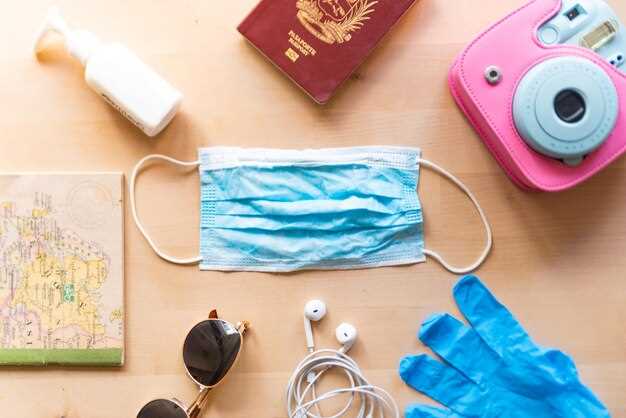 Top Tips to Avoid Germs When Flying – A Practical Travel Health Guide">
Wipe the tray table, armrest, and overhead panel with a sanitizing wipe before you touch them. Starting with a clean surface reduces the threat of germs on your hands and face during flying, especially at high-traffic times after boarding.
Wash hands with soap for at least 20 seconds, or use an alcohol-based sanitizer with 60%+ alcohol when water isn’t readily available. These washing routines make a simple habit that boosts your immune defenses while traveling, and they work best during key moments when you handle shared items or touch the lavatory door. Give back some time by keeping sanitizer handy.
Avoid sharing items that touch your mouth or skin; keep your own materials within reach. dont share headphones with others, and store personal wipes, tissues, and a clean cloth in a dedicated pocket. When you reach for overhead compartments or touch the tray, while staying mindful of surface contact, rinse or wipe your hands afterward.
Pack a compact medicine kit with pain relievers, antihistamines, a digital thermometer, nasal saline spray, and bandages. This kit helps you manage common problems without leaving your seat. If you were exposed to someone sick, rest, drink water, and monitor fever or throat discomfort; watch for signs of sickness and seek crew assistance or medical care after landing if symptoms worsen.
Practice smart inflight routines: choose seats with more space when possible, minimize time in crowded aisles, and use your own headphones and blanket if you can. Here are ways to reduce exposure: hydrate often, limit alcohol, and eat light meals to avoid digestive upset. Give your body enough time to recover between flights and rest when the seatbelt sign is off. dont forget to share a plan with your travel partner so you can look out for each other’s health.
Germ-Preventing Flight Plan: Actionable Steps Across Phases
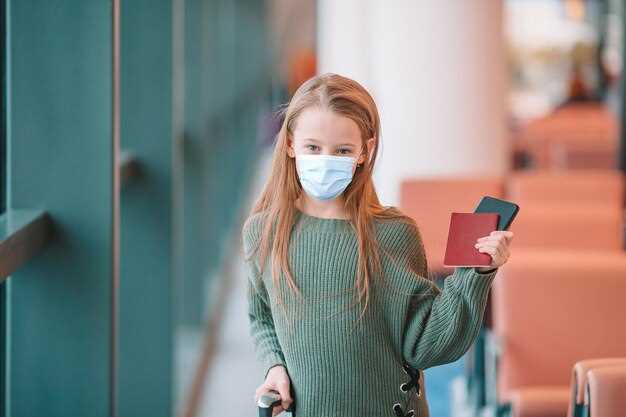
Recommendation: Pack a compact kit (size fits in a pocket) with 60–70% alcohol sanitizer and disinfecting wipes, then use it before airport security, during the flight, and after landing to minimize exposure to bacteria and sneezes.
- Before airport
- Assemble your plan: sanitizer, wipes for tables and armrests, a spare mask, and headphones cleaning wipe. Keep reminders in your pocket so you don’t forget any item.
- Washing routine starts here: wash hands after packing and before touching any surface in the airport zone; apply sanitizer before you touch kiosks or security screens.
- Face and gear management: choose a compact, breathable mask if required, and keep it handy next to your headphones for easy access without removing gloves or touching your face.
- Airport mindset: keep your personal space as a zone of control; avoid crowded lines when possible and stay within your own course of movement.
- At security and while moving through the airport
- Security checks: apply sanitizer before grabbing the tray and after returning items to your bag; wipe tray tables if you plan to set belongings down here.
- Distance and route: choose less congested routes, move to a less crowded gate area, and avoid touching shared surfaces when possible.
- Items handling: keep your own water bottle and snacks in a sealed bag; do not reuse others’ utensils or cups; avoid placing items on shared surfaces.
- Headphones and tech: store personal devices in your own bag when not in use and wipe them before and after use if you touch them in public spaces.
- In-flight
- Seat strategy: remain in your assigned zone and minimize unnecessary movement; keep your distance from others when feasible in the cabin.
- Hygiene on board: wash hands upon first reaching your seat, then use sanitizer after touching overhead bin handles or window shades; wipe tray tables and armrests before use if you want extra assurance.
- Face and sneezes control: avoid touching your face; if you cough or sneeze, do so into a tissue or elbow and sanitize hands immediately after.
- Food and drink: choose pre-packaged items when possible; wash hands before opening or handling them; use your own utensils and avoid sharing.
- Air and surfaces: keep air vents on a low, personal setting to reduce exposure to misted particles; don’t lean on the tray table for long periods if you can avoid it.
- After landing
- Hand hygiene: wash hands thoroughly or sanitize after baggage claim and before touching common surfaces in the terminal.
- Disposal: safely discard used wipes and tissues in a sealed bag, then wash hands again on exiting the security zone.
- Clothing and gear check: if you touched shared surfaces, consider changing outer layers or wiping them down, especially if you’re heading to a long trip or another connection.
- Next steps: continue your plan by washing hands on arrival at home or in your hotel and keeping surfaces clean for the next day.
Before You Travel: Health Prep and Vaccination Check
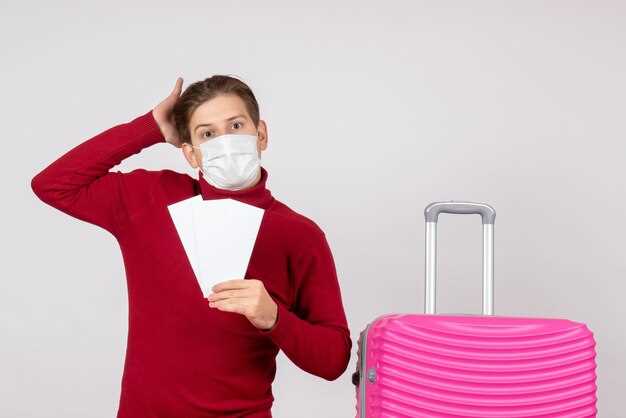
Schedule a vaccination check at least four weeks before travel to verify boosters and required shots. Bring vaccination records, their digital copies if possible, so you can show evidence at airports, hotels, or border controls. For destinations like gibraltar, confirm any entry requirements tied to antibody levels and local health advisories.
Ask your clinician about vaccine timing and possible interactions with medicines you take. Some vaccines need a series of doses or a waiting period after administration. If you are unsure, schedule a short follow-up to avoid getting doses too close to your flight, or probably arriving with too little protection. If you struggle to coordinate timing, ask for a bundled plan from the clinic. This makes making sure you’re protected before boarding much easier. You want to be protected before boarding an airplane and sitting in an enclosed cabin for hours.
Prioritize vaccines for common travel risks: influenza, COVID-19, measles-mumps-rubella, varicella, hepatitis A and B, tetanus-diphtheria-pertussis, and polio, plus meningococcal vaccines based on destination or itinerary. If you have previously been vaccinated, ask about titer tests to confirm protection rather than repeating doses unnecessarily. Travel-specific recommendations may depend on your age, health status, and prior vaccines.
Prepare proof for the trip: store digital copies in a secure cloud and carry printed copies as a backup, ideally on recycled paper. If you’re bringing medicine or injectables, pack them in their original packaging and in your carry-on to avoid temperature swings and loss from checked baggage. Keep a list of medicines and doses; note any refrigeration needs and the contact details of your doctor in case of illness on the road. If something goes wrong, you’ll have what you need to act quickly.
On the plane and at the airport, practice hand hygiene to reduce illness risk: wipe surfaces in overhead bins and seat areas with approved wipes, and wipe door handles in restrooms as an extra precaution. Keep a small bottle of hand sanitizer in your carry-on and wash hands frequently to protect against illness for anyone nearby. If you notice coughing from nearby travelers, give yourself space and use a mask if you’re at higher risk of getting ill.
After arrival, monitor for any persistent symptoms and seek care promptly if fever, shortness of breath, or persistent coughing appears. Stay hydrated, rest, and follow local guidance on quarantine or testing if required. By planning ahead with vaccination checks and hygiene steps, you reduce the risk of illness for anyone sharing your cabin, from your seat to the cabin overhead.
Airport Arrival: Quick Surface Cleansing and Personal Hygiene
Start with immediate surface cleansing: wipe the tray, the table, and armrests as soon as you land; use wipes about the size of a credit card to cover the surfaces, including underneath the tray, then dry with a clean cloth; ensure the surfaces are cleaned. Better, finish with hand sanitizer until hands feel dry. Dont skip this step on planes and in busy hubs, where many people touch the same spots and your seatmates rely on quick, practical hygiene to combat airborne germs. This approach also helps their health and reduces risk for you.
Protect your personal hygiene: use tissues for sneezes and coughs, and then discard them properly. Keep your elbows in when you cough or sneeze to steer droplets away from others. If you touch hair or your face, wash your hands immediately; wash with soap for at least 20 seconds, or use sanitizer when water isn’t available. Regular hand washing reduces coronavirus risk and helps you stay healthier during the rest of your trip.
Communicate kindly with seatmates: keep conversations short and avoid sharing personal items; if you need to talk, do so quietly and at a minimum distance. If whos around you seems uneasy, share a quick hygiene message with anyone nearby: “Please avoid close talk and keep elbows controlled.” This keeps everyone on the same page here and now.
When you plan to eat or settle in, check surfaces again: wipe the tray, the table, and any nearby high-touch spots; underneath and around the seat, you’ll find frequent contact points. The biggest protection comes from consistency – clean, dry surfaces and hands reinforce each other to stop grime from taking hold. Consider keeping a small kit accessible so you can act between gates.
If your route includes a layover in gibraltar or another hub along the road, apply these steps with the same rigor. Reassess after a flight to freshen your grip on clean habits and keep your rest of the day better prepared.
Finish with a simple routine: carry a compact kit with wipes and tissues, keep it easily accessible, and dont hesitate to use it between gates. Share tips with anyone nearby who asks, and keep the message simple: a few wipes, a quick wash, and a smile can cut exposure and help everyone feel safer.
Onboard Practices: Hand Hygiene, Mask Use, and Item Handling
Wash hands for at least 20 seconds with soap and water before handling meals and after using the lavatory. If water isn’t available, use a sanitizer with 60–70% alcohol and rub until dry. Though some travelers skip this step, clean hands reduce transfers to the table, tray, and screen during an in-flight service. These measures were designed for quick, practical use on airplanes and have been updated as of March.
Mask use: Wear a well-fitted mask for the entire flight, especially in the middle seats or when service carts stop near you. Hertzberg suggests keeping a simple course of action: mask on during boarding, at meals, and whenever you’re near others; replace if damp or soiled. Even when cabin announcements say masks are optional, choose consistent masking to reduce risk.
Item handling: Limit sharing of items and minimize contact with touched surfaces. Use wipes on high-touch surfaces such as the tray table, armrests, and seatback screen before touching them. Which surfaces to wipe: tray table, armrests, screen, and other high-touch areas. Store luggage and personal items under the seat in front of you when possible to maintain distance from other passengers and avoid back-and-forth movement around the aisle. Cleaned surfaces stay cleaner when you wipe them regularly, and you can keep a small stock of wipes in your bag for quick jobs. Aim for high levels of cleanliness without overhandling, and remember these tips were developed to work amid busy cabin rhythms.
Checklist and personal kit: Build a short list of steps you follow on every flight. Pack wipes, sanitizer, a mask, a small bag for dirty items, and clean stockings or socks in your carry-on. Keeping these in reach helps you stay on track while in the middle of boarding. Message to yourself: review this list before every flight to build a habit that becomes second nature. Practice these steps at home too, so you’re ready when you’re in the house or up in the air on airplanes.
Movement and circulation: On longer flights, move your feet and thighs to boost circulation and reduce clot risk. Do simple feet pumps, ankle circles, and leg stretches every hour or two. If you’re prone to swelling, consider compression stockings for extra support and comfort during long journeys.
| Item | Acțiune | When | Note |
|---|---|---|---|
| Mâini | Spălați sau dezinfectați | La îmbarcare; după folosirea toaletei | 20 de secunde cu săpun; dezinfectant de mâini cu alcool 60–70% dacă săpunul nu este disponibil |
| Suprafețe (tăviță, cotiere, ecran) | Ștergeți cu șervețele dezinfectante. | Înainte de primul contact; după mese | Ștergeți suprafețele vizate; suprafețele curățate rămân mai curate; folosiți propriile șervețele, când este posibil. |
| Mask | Poartă și ajustează potrivirea | În timpul zborului; se îndepărtează doar pentru a mânca | Înlocuiți dacă este umed sau murdar. |
| Bagaje și obiecte personale | Păstrează-ți limitele; evită să împărtășești. | În timpul îmbarcării și depozitării | Depozitați sub scaun pentru a limita mișcarea înainte și înapoi; aduceți obiectele de care aveți nevoie la îndemână |
| Picioare și gambe | Mișcă-te și întinde-te | La fiecare 60–120 de minute | Ridicări pe vârfuri, rotiri ale gleznei; ciorapii compresivi sunt recomandați pentru zborurile lungi. |
Siguranța alimentelor și băuturilor: Alege cu grijă, minimizează contactul
Alegeți mese și băuturi sigilate, ambalate individual, pentru a reduce la minimum contactul cu suprafețele și cu alți pasageri în timpul zborului.
Verificați dacă fiecare produs are: sigilii care indică deschiderea, date lizibile și liste clare de ingrediente. Dacă ambalajul este deteriorat sau în stare proastă, nu-l consumați.
Preferă băuturile servite în sticle sigilate din fabrică de către companiile aeriene și evită gheața de la automate sau stațiile self-serve care pot crește riscul de contaminare. Această practică ajută la menținerea unor standarde ridicate de igienă și reduce contactul încrucișat cu mâncarea ta; aceste sfaturi fac o diferență notabilă în siguranța în timpul zborului.
Poartă cu tine un kit compact în bagajul de cabină: tacâmuri de unică folosință, șervețele, șervețele umede și dezinfectant pentru mâini, astfel încât să eviți folosirea în comun a tacâmurilor și să menții suprafețele curate la îmbarcare și în timpul zborului. Având aceste materiale la îndemână, reduci punctele de contact la minimum și ești pregătit pentru mesele din timpul călătoriei.
Înainte de a mânca, spălați-vă pe mâini timp de cel puțin 20 de secunde sau dezinfectați-le temeinic, apoi ștergeți tăvița. Dacă mergeți la baie, spălați-vă din nou pe mâini și uscați-le bine înainte de a vă întoarce la locul dumneavoastră.
Dacă o persoană care tușește stă lângă tine, păstrează distanța când este posibil, evită să folosești aceleași ustensile și ia în considerare mutarea pe un alt loc, dacă este permis în timpul îmbarcării sau de către echipajul de cabină. Păstrarea distanței reduce expunerea pentru tine și pentru persoana de lângă.
Planifică-ți mesele cu atenție: nu te baza pe gustări aleatorii din bucătărie; ia în considerare posibilitatea de a aduce opțiuni sigilate de acasă pentru a minimiza contactul. Dacă călătorești cu cineva din casa ta, păstrează mesele separate și nu împărțiți ustensilele. Organizarea curelei și a bagajului te ajută să accesezi rapid articolele în timpul îmbarcării și în cabină, reducând mișcările inutile.
Verifică-ți planul de asigurare pentru acoperire în caz de îmbolnăvire la bord, îngrijire medicală și modificări ale zborului. Păstrează la îndemână numerele polițelor și contactele de urgență înainte de a te îmbarca și urmează instrucțiunile echipajului dacă apar simptome.
Apoi, completează-ți planul de călătorie cu pași practici: etichetează materialele din bagajul de mână, păstrează o sticlă separată pentru apă și umple-o doar din surse sigilate. Dacă apare vreo boală, nu ezita să ceri sfaturi medicale și să raportezi echipajului după cum este necesar pentru a combate boala fără a perturba zborul.
Rutina post-zbor: Decontaminare și conștientizare a simptomelor
Efectuați rapid o decontaminare post-zbor: spălați-vă mâinile timp de cel puțin 20 de secunde și ștergeți tava, cotierele și alte suprafețe atinse. Companiile aeriene probabil că vă recomandă acest lucru și este cel mai important pas pe care îl puteți face pentru a reduce expunerea la agenții patogeni pe care i-ați luat în zonele de zbor și în centrul de îmbarcare.
Protejează-ți fața și pe ceilalți: evită să-ți atingi fața cu mâinile nespălate. Dacă apare tusea, acoperă-ți cu coatele; păstrează o distanță confortabilă față de persoana de lângă tine în zonele centrale aglomerate. Fă-ți timp să te odihnești într-o poziție care susține respirația și reduce oboseala; fii atent la corpul tău.
După debarcare, manipulați-vă lucrurile cu mâini curate: ștergeți bagajul de mână și obiectele pe care le veți reutiliza și depozitați-le în locuri curate. Spălați-vă frecvent pe mâini înainte de a vă mai atinge fața și evitați să folosiți obiecte din aceeași tavă. Luați-vă un moment să vă resetați și să vă pregătiți pentru următoarele etape ale călătoriei.
Conștientizarea simptomelor și pașii următori: monitorizați apariția febrei, a tusei, a dificultăților de respirație sau a oboselii în următoarele zile după călătorie. Nu e timp de pierdut; dacă acestea sunt prezente, luați în considerare amânarea călătoriilor neesențiale și consultați un medic. Luați medicamentele numai conform prescripției și odihniți-vă după cum este necesar. Păstrați o evidență a datelor de debut și a zonelor pe care le-ați vizitat pentru a le raporta companiilor aeriene sau centrelor de sănătate, după cum este necesar.
Planificarea călătoriei: dacă simptomele se agravează, solicitați imediat îngrijire medicală și evitați îmbarcarea în alte zboruri până la obținerea aprobării. Pentru călătoriile viitoare, luați cu dvs. un kit medical compact, mențineți spălarea frecventă a mâinilor și stați într-o poziție confortabilă în timpul tranzitului pentru a sprijini recuperarea.