


 Polski
  English (UK)
  Русский
  বাংলা
বাংলা  العربية
  日本語
日本語  한국어
한국어  Magyar
  Norsk nynorsk
  Türkçe
  עִבְרִית
  Español
  Čeština
  Svenska
  Português
  Ελληνικά
  Suomi
Suomi  Nederlands
  Română
  Italiano
  Français
  Українська
  Deutsch
  简体中文
简体中文  Slovenčina
  Српски језик
  اردو
اردو  Azərbaycan dili
  O‘zbekcha
  አማርኛ
አማርኛ 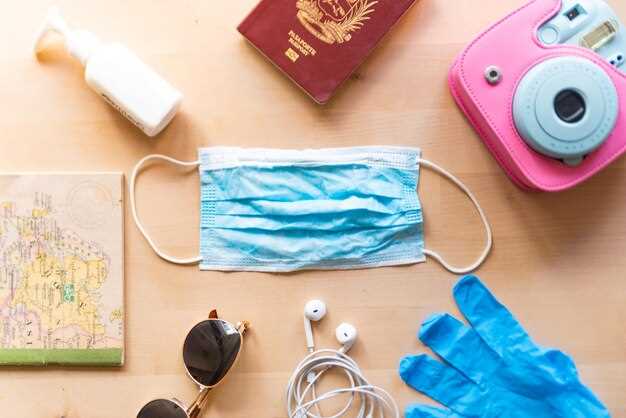 Top Tips to Avoid Germs When Flying – A Practical Travel Health Guide">
Wipe the tray table, armrest, and overhead panel with a sanitizing wipe before you touch them. Starting with a clean surface reduces the threat of germs on your hands and face during flying, especially at high-traffic times after boarding.
Wash hands with soap for at least 20 seconds, or use an alcohol-based sanitizer with 60%+ alcohol when water isn’t readily available. These washing routines make a simple habit that boosts your immune defenses while traveling, and they work best during key moments when you handle shared items or touch the lavatory door. Give back some time by keeping sanitizer handy.
Avoid sharing items that touch your mouth or skin; keep your own materials within reach. dont share headphones with others, and store personal wipes, tissues, and a clean cloth in a dedicated pocket. When you reach for overhead compartments or touch the tray, while staying mindful of surface contact, rinse or wipe your hands afterward.
Pack a compact medicine kit with pain relievers, antihistamines, a digital thermometer, nasal saline spray, and bandages. This kit helps you manage common problems without leaving your seat. If you were exposed to someone sick, rest, drink water, and monitor fever or throat discomfort; watch for signs of sickness and seek crew assistance or medical care after landing if symptoms worsen.
Practice smart inflight routines: choose seats with more space when possible, minimize time in crowded aisles, and use your own headphones and blanket if you can. Here are ways to reduce exposure: hydrate often, limit alcohol, and eat light meals to avoid digestive upset. Give your body enough time to recover between flights and rest when the seatbelt sign is off. dont forget to share a plan with your travel partner so you can look out for each other’s health.
Germ-Preventing Flight Plan: Actionable Steps Across Phases
Recommendation: Pack a compact kit (size fits in a pocket) with 60–70% alcohol sanitizer and disinfecting wipes, then use it before airport security, during the flight, and after landing to minimize exposure to bacteria and sneezes.
- Before airport
- Assemble your plan: sanitizer, wipes for tables and armrests, a spare mask, and headphones cleaning wipe. Keep reminders in your pocket so you don’t forget any item.
- Washing routine starts here: wash hands after packing and before touching any surface in the airport zone; apply sanitizer before you touch kiosks or security screens.
- Face and gear management: choose a compact, breathable mask if required, and keep it handy next to your headphones for easy access without removing gloves or touching your face.
- Airport mindset: keep your personal space as a zone of control; avoid crowded lines when possible and stay within your own course of movement.
- At security and while moving through the airport
- Security checks: apply sanitizer before grabbing the tray and after returning items to your bag; wipe tray tables if you plan to set belongings down here.
- Distance and route: choose less congested routes, move to a less crowded gate area, and avoid touching shared surfaces when possible.
- Items handling: keep your own water bottle and snacks in a sealed bag; do not reuse others’ utensils or cups; avoid placing items on shared surfaces.
- Headphones and tech: store personal devices in your own bag when not in use and wipe them before and after use if you touch them in public spaces.
- In-flight
- Seat strategy: remain in your assigned zone and minimize unnecessary movement; keep your distance from others when feasible in the cabin.
- Hygiene on board: wash hands upon first reaching your seat, then use sanitizer after touching overhead bin handles or window shades; wipe tray tables and armrests before use if you want extra assurance.
- Face and sneezes control: avoid touching your face; if you cough or sneeze, do so into a tissue or elbow and sanitize hands immediately after.
- Food and drink: choose pre-packaged items when possible; wash hands before opening or handling them; use your own utensils and avoid sharing.
- Air and surfaces: keep air vents on a low, personal setting to reduce exposure to misted particles; don’t lean on the tray table for long periods if you can avoid it.
- After landing
- Hand hygiene: wash hands thoroughly or sanitize after baggage claim and before touching common surfaces in the terminal.
- Disposal: safely discard used wipes and tissues in a sealed bag, then wash hands again on exiting the security zone.
- Clothing and gear check: if you touched shared surfaces, consider changing outer layers or wiping them down, especially if you’re heading to a long trip or another connection.
- Next steps: continue your plan by washing hands on arrival at home or in your hotel and keeping surfaces clean for the next day.
Before You Travel: Health Prep and Vaccination Check
Schedule a vaccination check at least four weeks before travel to verify boosters and required shots. Bring vaccination records, their digital copies if possible, so you can show evidence at airports, hotels, or border controls. For destinations like gibraltar, confirm any entry requirements tied to antibody levels and local health advisories.
Ask your clinician about vaccine timing and possible interactions with medicines you take. Some vaccines need a series of doses or a waiting period after administration. If you are unsure, schedule a short follow-up to avoid getting doses too close to your flight, or probably arriving with too little protection. If you struggle to coordinate timing, ask for a bundled plan from the clinic. This makes making sure you’re protected before boarding much easier. You want to be protected before boarding an airplane and sitting in an enclosed cabin for hours.
Prioritize vaccines for common travel risks: influenza, COVID-19, measles-mumps-rubella, varicella, hepatitis A and B, tetanus-diphtheria-pertussis, and polio, plus meningococcal vaccines based on destination or itinerary. If you have previously been vaccinated, ask about titer tests to confirm protection rather than repeating doses unnecessarily. Travel-specific recommendations may depend on your age, health status, and prior vaccines.
Prepare proof for the trip: store digital copies in a secure cloud and carry printed copies as a backup, ideally on recycled paper. If you’re bringing medicine or injectables, pack them in their original packaging and in your carry-on to avoid temperature swings and loss from checked baggage. Keep a list of medicines and doses; note any refrigeration needs and the contact details of your doctor in case of illness on the road. If something goes wrong, you’ll have what you need to act quickly.
On the plane and at the airport, practice hand hygiene to reduce illness risk: wipe surfaces in overhead bins and seat areas with approved wipes, and wipe door handles in restrooms as an extra precaution. Keep a small bottle of hand sanitizer in your carry-on and wash hands frequently to protect against illness for anyone nearby. If you notice coughing from nearby travelers, give yourself space and use a mask if you’re at higher risk of getting ill.
After arrival, monitor for any persistent symptoms and seek care promptly if fever, shortness of breath, or persistent coughing appears. Stay hydrated, rest, and follow local guidance on quarantine or testing if required. By planning ahead with vaccination checks and hygiene steps, you reduce the risk of illness for anyone sharing your cabin, from your seat to the cabin overhead.
Airport Arrival: Quick Surface Cleansing and Personal Hygiene
Start with immediate surface cleansing: wipe the tray, the table, and armrests as soon as you land; use wipes about the size of a credit card to cover the surfaces, including underneath the tray, then dry with a clean cloth; ensure the surfaces are cleaned. Better, finish with hand sanitizer until hands feel dry. Dont skip this step on planes and in busy hubs, where many people touch the same spots and your seatmates rely on quick, practical hygiene to combat airborne germs. This approach also helps their health and reduces risk for you.
Protect your personal hygiene: use tissues for sneezes and coughs, and then discard them properly. Keep your elbows in when you cough or sneeze to steer droplets away from others. If you touch hair or your face, wash your hands immediately; wash with soap for at least 20 seconds, or use sanitizer when water isn’t available. Regular hand washing reduces coronavirus risk and helps you stay healthier during the rest of your trip.
Communicate kindly with seatmates: keep conversations short and avoid sharing personal items; if you need to talk, do so quietly and at a minimum distance. If whos around you seems uneasy, share a quick hygiene message with anyone nearby: “Please avoid close talk and keep elbows controlled.” This keeps everyone on the same page here and now.
When you plan to eat or settle in, check surfaces again: wipe the tray, the table, and any nearby high-touch spots; underneath and around the seat, you’ll find frequent contact points. The biggest protection comes from consistency – clean, dry surfaces and hands reinforce each other to stop grime from taking hold. Consider keeping a small kit accessible so you can act between gates.
If your route includes a layover in gibraltar or another hub along the road, apply these steps with the same rigor. Reassess after a flight to freshen your grip on clean habits and keep your rest of the day better prepared.
Finish with a simple routine: carry a compact kit with wipes and tissues, keep it easily accessible, and dont hesitate to use it between gates. Share tips with anyone nearby who asks, and keep the message simple: a few wipes, a quick wash, and a smile can cut exposure and help everyone feel safer.
Onboard Practices: Hand Hygiene, Mask Use, and Item Handling
Wash hands for at least 20 seconds with soap and water before handling meals and after using the lavatory. If water isn’t available, use a sanitizer with 60–70% alcohol and rub until dry. Though some travelers skip this step, clean hands reduce transfers to the table, tray, and screen during an in-flight service. These measures were designed for quick, practical use on airplanes and have been updated as of March.
Mask use: Wear a well-fitted mask for the entire flight, especially in the middle seats or when service carts stop near you. Hertzberg suggests keeping a simple course of action: mask on during boarding, at meals, and whenever you’re near others; replace if damp or soiled. Even when cabin announcements say masks are optional, choose consistent masking to reduce risk.
Item handling: Limit sharing of items and minimize contact with touched surfaces. Use wipes on high-touch surfaces such as the tray table, armrests, and seatback screen before touching them. Which surfaces to wipe: tray table, armrests, screen, and other high-touch areas. Store luggage and personal items under the seat in front of you when possible to maintain distance from other passengers and avoid back-and-forth movement around the aisle. Cleaned surfaces stay cleaner when you wipe them regularly, and you can keep a small stock of wipes in your bag for quick jobs. Aim for high levels of cleanliness without overhandling, and remember these tips were developed to work amid busy cabin rhythms.
Checklist and personal kit: Build a short list of steps you follow on every flight. Pack wipes, sanitizer, a mask, a small bag for dirty items, and clean stockings or socks in your carry-on. Keeping these in reach helps you stay on track while in the middle of boarding. Message to yourself: review this list before every flight to build a habit that becomes second nature. Practice these steps at home too, so you’re ready when you’re in the house or up in the air on airplanes.
Movement and circulation: On longer flights, move your feet and thighs to boost circulation and reduce clot risk. Do simple feet pumps, ankle circles, and leg stretches every hour or two. If you’re prone to swelling, consider compression stockings for extra support and comfort during long journeys.
| Element | Action | When | Notatki |
|---|---|---|---|
| Ręce | Umyj lub zdezynfekuj | Po skorzystaniu z toalety; podczas wchodzenia na pokład | 20 sekund mycia mydłem; 60–70% środka odkażającego na bazie alkoholu, jeśli mydło jest niedostępne |
| Powierzchnie (stolik, podłokietniki, ekran) | Przetrzeć chusteczkami dezynfekującymi | Przed pierwszym dotknięciem; po posiłkach | Wycierać konkretne powierzchnie; czyste powierzchnie pozostają czystsze; w miarę możliwości używać własnych chusteczek |
| Mask | Założyć i dopasować. | Podczas lotu; zdejmować tylko do jedzenia | Wymienić w razie zawilgocenia lub zabrudzenia. |
| Bagaż i rzeczy osobiste | Trzymaj się swojego obszaru; unikaj dzielenia się. | Podczas wchodzenia na pokład i przechowywania | Przechowuj pod siedzeniem, aby ograniczyć ruch do przodu i do tyłu; miej potrzebne przedmioty w zasięgu ręki. |
| Stopy i nogi | Poruszaj się i rozciągaj | Co 60–120 minut | Wspięcia na palce, krążenia stopami; zalecane podkolanówki do długich lotów |
Bezpieczeństwo posiłków i napojów: Wybieraj mądrze, minimalizuj kontakt
Wybieraj zapieczętowane, indywidualnie pakowane posiłki i napoje, aby zminimalizować kontakt z powierzchniami i innymi pasażerami podczas lotu.
Sprawdź materiały każdego produktu: plomby zabezpieczające przed otwarciem, czytelne daty i jasne listy składników. Jeśli opakowanie jest uszkodzone lub w złym stanie, nie spożywaj produktu.
Preferuj napoje serwowane w fabrycznie zamkniętych butelkach przez linie lotnicze i unikaj lodu z maszyn lub samoobsługowych stanowisk, które mogą zwiększać ryzyko kontaminacji. Ta praktyka pomaga utrzymać wysokie standardy higieny i ogranicza kontakt krzyżowy z posiłkiem; te wskazówki robią zauważalną różnicę w bezpieczeństwie podczas lotu.
Miej w bagażu podręcznym kompaktowy zestaw: jednorazowe sztućce, serwetki, chusteczki nawilżane i płyn do dezynfekcji rąk, aby uniknąć dzielenia się sztućcami i utrzymać czystość powierzchni podczas wsiadania i w trakcie lotu. Mając te materiały, minimalizujesz punkty kontaktu i jesteś przygotowany na posiłki w podróży.
Przed jedzeniem umyj ręce przez co najmniej 20 sekund lub dokładnie je zdezynfekuj, a następnie przetrzyj stolik. Jeśli korzystasz z toalety, umyj ponownie ręce i dokładnie je osusz przed powrotem na swoje miejsce.
Jeśli w pobliżu siedzi osoba kaszląca, zachowaj dystans, jeśli to możliwe, unikaj dzielenia się sztućcami i rozważ zmianę miejsca, jeśli jest to dozwolone podczas wejścia na pokład lub przez personel pokładowy. Zachowanie odstępu zmniejsza narażenie zarówno dla ciebie, jak i dla następnej osoby.
Planuj posiłki z wyprzedzeniem: nie polegaj na przypadkowych przekąskach z kuchni; rozważ zabranie zapieczętowanych produktów z domu, aby zminimalizować kontakt. Jeśli podróżujesz z kimś z twojego domu, spożywajcie posiłki oddzielnie i nie dzielcie się sztućcami. Dobrze zorganizowany pas i torba pomogą ci szybko dostać się do potrzebnych rzeczy podczas wejścia na pokład i w kabinie, redukując zbędne ruchy.
Sprawdź swoją polisę ubezpieczeniową pod kątem zakresu związanego z chorobą na pokładzie, opieką medyczną i zmianami lotów. Miej pod ręką numery polis i kontakty alarmowe przed wejściem na pokład i postępuj zgodnie z instrukcjami załogi, jeśli pojawią się objawy.
Następnie uzupełnij plan podróży o praktyczne kroki: oznacz swoje materiały podręczne, miej oddzielną butelkę na wodę i napełniaj ją tylko z zapieczętowanych źródeł. W razie choroby nie wahaj się zasięgnąć porady lekarskiej i zgłaszaj to załodze w razie potrzeby, aby zwalczyć chorobę bez zakłócania lotu.
Rutyna po locie: Dekontaminacja i świadomość objawów
Wykonaj szybką dekontaminację po locie: umyj ręce przez co najmniej 20 sekund i przetrzyj tackę, podłokietniki i inne dotykane powierzchnie. Linie lotnicze prawdopodobnie to zalecają, a to największy krok, jaki możesz podjąć, aby ograniczyć narażenie na patogeny, które zebrałeś na pokładzie i w centrum wejścia na pokład.
Chroń swoją twarz i innych: unikaj dotykania twarzy nieumytymi rękami. W przypadku kaszlu, zasłaniaj się łokciem; zachowuj komfortową odległość od osoby obok w zatłoczonych miejscach. Znajdź czas na odpoczynek w pozycji wspomagającej oddychanie i redukującej zmęczenie; bądź uważny na swoje ciało.
Po wyjściu z samolotu dotykaj rzeczy osobistych czystymi rękami: przetrzyj bagaż podręczny i przedmioty, których będziesz ponownie używać, i przechowuj je w czystych miejscach. Regularnie myj ręce przed ponownym dotknięciem twarzy i unikaj dzielenia się przedmiotami z tej samej tacy. Poświęć chwilę, aby zresetować się i przygotować do kolejnych etapów podróży.
Świadomość występowania objawów i dalsze kroki: obserwuj, czy w ciągu kilku następnych dni po podróży nie wystąpi gorączka, kaszel, duszności lub zmęczenie. Nie ma czasu do stracenia; jeśli wystąpią, rozważ opóźnienie podróży, które nie są niezbędne, i skonsultuj się z lekarzem. Przyjmuj leki tylko zgodnie z zaleceniami i odpoczywaj w razie potrzeby. Prowadź dziennik dat początku objawów i obszarów, które odwiedziłeś, aby w razie potrzeby zgłosić je liniom lotniczym lub ośrodkom zdrowia.
Planowanie podróży: w przypadku nasilenia się objawów, niezwłocznie zasięgnij porady lekarskiej i unikaj wchodzenia na pokład kolejnych lotów do czasu uzyskania zgody lekarza. Na przyszłe wyjazdy zabierz ze sobą podręczny zestaw medyczny, często myj ręce i utrzymuj wygodną pozycję podczas transportu, aby wspomóc powrót do zdrowia.