


 اردو
اردو  English (UK)
  Русский
  বাংলা
বাংলা  العربية
  日本語
日本語  한국어
한국어  Magyar
  Norsk nynorsk
  Türkçe
  עִבְרִית
  Español
  Čeština
  Svenska
  Português
  Ελληνικά
  Suomi
Suomi  Nederlands
  Română
  Italiano
  Français
  Polski
  Українська
  Deutsch
  简体中文
简体中文  Slovenčina
  Српски језик
  Azərbaycan dili
  O‘zbekcha
  አማርኛ
አማርኛ 
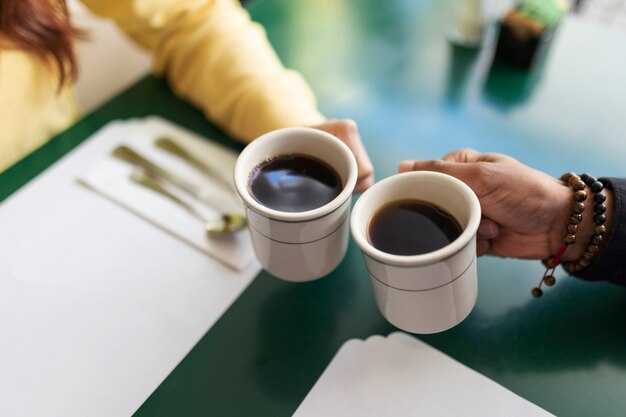
Try the edible cup on your next flight: drink your coffee, then eat the cup to cut waste. Air New Zealand is testing a compostable, edible cup that customers can enjoy after drinks. The cup comes in a vanilla flavor with cream accents, and the team wrote that these cups bring a tangible reduction in waste from inflight service. In trials, crews report the edible shell holds up through the early minutes of a drink, then offers a safe bite for those who want it.
The edible shell uses a thin, food-grade composition that is also sturdy enough for a daily latte, without dissolving instantly. After the cup empties, passengers can enjoy the remaining shell; it is designed to break down in compost streams rather than linger as waste. These features help reduce litter on flights and give customers a playful moment that adds value to travel.
In a six-week series of trials, Air New Zealand served roughly 2,000 edible cups per week across three routes, totaling about 12,000 cups. Data show waste reductions of roughly 20–25% compared with standard cups, and customer satisfaction rose by about 12 percentage points. Passengers praised the vanilla-cream balance, and the cup performed better than expected in real-use conditions. The results suggest a viable path to broader rollout for inflight service, analysts said.
For customers eager to try, choose the vanilla-cream edition and drink first, then bite the edible cup. Airlines planning a rollout should coordinate with catering teams to ensure the cups are stocked with drinks that suit the texture and flavor profile. Also, inform cabin crews that the cup is safe to chew and swallow, helping to bring compostable waste streams into daily operations. If the aim is to replace part of plastic cup use, start with one high-traffic route and monitor results over a month. If successful, airlines could extend this to the world.
These trials provide a practical blueprint: test flavor and texture, collect daily feedback from customers, and track waste and cost implications. The long plan ahead requires coordination across catering, cabin crews, and procurement, but it aligns with sustainability goals. Airlines can scale the edible cup in high-traffic segments first, then expand as data supports a broader rollout. The concept aims to cut waste while maintaining service quality, with edible cups that integrate into routine use and leave little residue after consumption.
Air New Zealand Edible Coffee Cups: Drink Your Coffee, Then Eat the Cup
Try the plant-based edible cup on Air New Zealand flights; sip your coffee, then eat the cup.
Recent pilots in select lounges showcased cups crafted from plant-based material that can be eaten after you finish the drink. Some customers with loyalty cards noted the experience adds value to travel and supports the airline’s eco plan.
The concept centers on reducing waste while keeping taste and convenience intact. The cups are compostable and designed to provide a flavorful end note, rather than a throwaway wrapper. This option offers a practical path for airlines aiming to curb single-use packaging and improve the passenger experience.
In extended routes and in premium lounges, Air New Zealand tests the approach, gathering feedback from crew, customers, and lounge teams. The board monitors disposal logistics, bin design, and the rate at which cups are consumed or disposed. The aim is to refine texture, finish, and feel so the cups remain appealing while serving an environmental aim.
Tips for travelers: finish your drink, then decide whether to eat the cup right away or save it for a snack between bites. If you cannot finish, place the cup in the designated bin to support the composting stream in lounges that offer facilities. This approach helps provide data for future planning and encourages guests to engage with planet-friendly travel.
| فیچر | Traditional cup | Edible cup | Compostable cup |
|---|---|---|---|
| مٹیریل | Paper or plastic-lined paper | Plant-based edible material | Plant-based and compostable |
| End-of-life | Recycle or discard where facilities exist | Eat or discard into compost stream | Compostable in industrial facilities |
| Flavor | غیر جانبدار | Flexible flavor profile (unflavored or light notes) | Neutral by design |
| گنجائش | Typical 8 oz (237 ml) | Designed for standard coffee serving | Supports standard servings |
Air New Zealand trials edible vanilla-flavored cookie coffee cups on board and in its lounges to help reduce waste
Roll out the edible vanilla-flavored cookie cups across all cabins and lounges within the next quarter; this will replace most single-use plastic cups used for drinks, providing an alternative to plastic packaging, and Air New Zealand said the move could cut beverage waste by a meaningful margin on long-haul journeys.
Each cup uses wheat flour and plant-based fats to create a vanilla-flavored dough that crisps into a cookie you can eat after finishing the drink. Using a compact bake-onboard process, crews prepare fresh cups. The cups also serve as desserts for customers, adding a sweet pairing to coffee or tea. This program serves as a dessert option for customers.
Implementation includes a bolt-on plan: pilot on six long-haul routes and in six lounges, with baseline measurements for drinks served and waste diverted. Track metrics like plastics saved, cups used, and customer feedback from surveys; such data will guide expansion to more routes.
Ingredients and packaging emphasize simplicity: the recipe relies on flour (wheat) and plant-based ingredients; packaging is minimized to avoid extra waste, and the rollout will share results in a customer newsletter which explains how such innovations contribute to sustainability. Staff will use cards on service trolleys to guide waste sorting and to inform customers about the edible cups.
Operational details place the vanilla-flavored cups alongside beverages, with an optional vanilla sauce for pairing. This approach supports a smoother service and reduces the need for disposable napkins and sauces that add to waste, while giving passengers a concise, enjoyable alternative.
The environmental impact targets extend beyond reduced plastics; replacing single-use cups cuts plastic pollution, potentially benefiting oceans and water systems. It also relies on compostable waste streams to ensure any residual packaging or liners are managed responsibly, and it aims to bring more sustainability to long journeys than current practices, demonstrating that edible solutions can work on both onboard itineraries and in lounges, which already serve a large share of customer traffic.
If the trial proves successful, Air New Zealand will widen the program to more lounges and routes, continue reporting results via its newsletter, and establish the edible cup as a standard alternative to plastics in drinks service, with ongoing monitoring of waste streams and customer satisfaction.
Flavor options and shelf life of vanilla cookie cups
For daily service, offer vanilla-flavored cups that are compostable and wheat-based, with add-ins like citrus zest or cocoa nibs. These options pair well with light sauces and fresh fruit toppings, and they stay plant-based, only using compostable cups and avoiding plastic waste. Recent trials have tested two variants: vanilla-flavored with citrus zest and vanilla-flavored with cocoa nibs; trialling these shows some customers have a preference. Use these cards near the serving area to explain flavors, while keeping the setup simple. Some teams have seen strong interest when you bring variety without complicating the workflow. According to sustainability goals, compostable cups reduce plastic waste and support oceans. If you run a trial, include a newsletter snippet to collect feedback; you can share results with your customer list and update the lineup. Twiices per week, refresh the board with these flavors and adjust based on feedback.
Storage and shelf life: Keep vanilla cups in a sealed container in a cool area, ideally around 4-8 C. At room temperature (20-22 C) the cups stay good for 3-5 days; refrigeration extends to 7-14 days; freezing is allowable for longer storage, up to 2-3 months, then thaw slowly and use within 2 days. Do not expose to moisture; re-seal after each use to avoid sogginess. For daily stock, rotate batches so the oldest cups are used first, and mark dates on a simple log.
Allergen and serving notes: the base uses wheat, so clearly label vanilla-flavored cups and note plant-based ingredients. When serving, offer small samples on cards and invite customers to pair with a sauce or a light beverage; keep water handy for palate cleansing between tastings. Some operators run trials with a tasting flight and collect feedback via a short newsletter poll; results help refine the flavor lineup and the shelf-life plan.
On-board service steps: drink first, then eat the cup
Recommendation: Tell passengers explicitly to drink first, then eat the cup, so the coffee delivers full aroma and the edible shell remains intact until the bite.
-
Step 1 – Presentation and base: Serve the drink in a plant-based cup built from flour and water. Add a vanilla note and a light sauce to keep the shell pleasant to bite. The recipe uses eight ingredients and aims to stay stable through typical flight temperatures.
-
Step 2 – Clear crew cues and cards: Place simple instruction cards on the tray that state the order. The australia-based co-founder wrote that such cues reduce confusion; according to feedback, repeating the cue twiices times helps ensure customers follow the sequence.
-
Step 3 – Temperature and safety: Maintain the drink at a comfortable temperature to protect the edible shell’s texture. Using a cup designed for on-board service minimizes cracking while preserving the vanilla-cream balance.
-
Step 4 – The bite sequence: After finishing the drinks, invite the customer to eat the edge of the cup. These steps provide a natural transition from drink to bite and help deliver the plant-based experience without leaving plastics on the tray.
-
Step 5 – Environmental impact: Emphasize reduction of plastics by choosing the edible cup. The cups use plant-based ingredients and can be composted where facilities exist, supporting environmental goals and less waste in the cabin. The plastics used in traditional packaging are replaced by edible alternatives, reducing waste overall.
-
Step 6 – Feedback and metrics: Offer a brief card for customer feedback on texture and flavor, and track responses by drinks category. This data supports ongoing innovation and shows more positive reactions when the experience is well integrated into service routines.
-
Step 7 – Ingredient transparency: Explain the cup’s composition: plant-based, with water, flour, vanilla, and a cream-like glaze; the edible shell is designed to be eaten with the drink. These details reassure customers about safety and taste, and align with the stated eight-ingredient recipe.
Note: The approach comes from a broader innovation program in Australia, with input from the co-founder and a focus on reducing environmental impact and plastic use across cabin menus. Using these steps, staff can deliver a cohesive, engaging experience that customers remember when choosing an edible cup for drinks.
پیداوار اور سورسنگ: اجزاء، سپلائرز، اور ذخیرہ
سپلائی چین میں مسائل اور ضیاع کو کم کرنے کے لیے قابلِ اعتماد مقامی سپلائرز سے اجزا حاصل کریں اور انہیں کنٹرول شدہ ماحول میں ذخیرہ کریں۔ لاؤنج میں پیش کیے جانے والے مشروبات میں کپ کے معیار کو برقرار رکھنے کے لیے مستقل مزاجی ضروری ہے۔ اس کا آغاز اجزا کے حصول اور دیکھ بھال میں احتیاط سے ہوتا ہے۔ شریک بانی جیمی ٹریس ایبلٹی پر زور دیتے ہیں تاکہ تیار مصنوعات کا ذائقہ تمام آپریشنز میں یکساں رہے۔.
Ingredients
- آٹے کی بنیاد (گندم یا گلوٹین سے پاک مرکب) ایک مضبوط کپ کی ساخت بنانے کے لیے۔.
- شیرینی اور ساخت کو متوازن کرنے کے لیے چینی اور نمک، اور چاہیں تو چاکلیٹی ذائقے کے لیے کوکو پاؤڈر۔.
- مکھن یا پودوں پر مبنی مارجرین، مضبوطی اور کرسپی پن کے لیے۔.
- ملاوٹ اور تشکیل کے دوران تسلسل کو ایڈجسٹ کرنے کے لیے پانی۔.
- ونیلا ایسنس اور خوشبو اور گہرائی کے لیے اختیاری مصالحے۔.
- قدرتی ایملسیفائر یا لیسیتھن اختیاری، کریکنگ کو کم کرنے اور ہینڈلنگ کو بہتر بنانے کے لیے۔.
سپلائرز
- مقامی ملیں اور خشک سامان فراہم کرنے والے بنیادی اجزاء کے لیے، جو شفاف سورسنگ اور تیز تر دوبارہ اسٹاک کرنے کے چکروں کو ممکن بناتے ہیں۔.
- ان کپوں میں غذائی ترجیحات کے مطابق ڈیری یا پلانٹ بیسڈ متبادل، قابل اعتماد کوآپریٹیوز سے۔.
- خصوصی کوکو، ونیلا، اور ذائقہ دار گھر برائے مسلسل پروفائلز اور بیچ بہ بیچ سیدھائی۔.
- پیکجنگ اور کوٹنگ کے شراکت دار جو کمپوسٹ ہونے والے بورڈ یا خوردنی کوٹنگز پیش کرتے ہیں جو اس فارمیٹ کے ساتھ جوڑتے ہیں۔.
ذخیرہ کرنے اور ہینڈلنگ کا طریقہ
- خشک اجزاء کو 15–20°C پر ذخیرہ کریں اور نمی کو 60% سے کم رکھیں تاکہ ساخت اور تازگی برقرار رہے۔.
- کھولنے کے بعد، اجزاء کو بہترین استعمال کے ادوار میں رکھنے کے لیے اسٹاک کو FIFO کے ذریعے گھمائیں۔.
- ذائقہ کی منتقلی کو روکنے کے لیے تیار شدہ کپوں کو مضبوط بو والی اشیاء سے دور، ایئر ٹائٹ، مبہم ڈبوں میں رکھیں۔.
- بہترین نتائج کے لیے، آزمائشی بیچ تیار کریں اور بیک کرنے کے اوقات، درجہ حرارت اور نمی کے بارے میں ڈیٹا لاگ کریں تاکہ مسلسل ایڈجسٹمنٹ کی رہنمائی کی جا سکے۔.
معیار، استحکام، اور جاری تجربات
- ان کپوں میں ذائقہ، خوشبو اور پانی کی سرگرمی کی جانچ کے لیے لاؤنج اسٹاف کے ساتھ باقاعدہ ٹرائلز (trials) کریں، پھر اس کے مطابق فارمولیشن کو ایڈجسٹ کریں۔.
- زمینی اثرات پیماائش، روایتی ڈسپوزایبلز سے کچرے کا مقابلہ کر کے؛ مقصد زمینی اثرات گھٹانا اور مجموعی پائیداری کو بہتر بنانا ہے۔.
- پائلٹ فیڈبیک کے مطابق، عمل کو اس طرح بہتر بنائیں کہ ہر بیچ دوسرے بیچوں کے مقابلے میں زیادہ مستقل ہو اور ایسپریسو اور لانگ بلیک جیسے مشروبات کے لیے ایک قابل اعتماد بنیاد ثابت ہو۔.
- کپ ختم ہونے کے بعد پراڈکٹ کی اصل برقرار رکھیں؛ نسخہ اس طرح ڈیزائن کریں کہ کپ کا ذائقہ کافی کے ذائقے کو اوور پاور کیے بغیر اس کی تکمیل کرے۔.
- ناکامیوں اور کامیابیوں کو دستاویزی شکل دیں، پھر اگلی آزمائشوں اور مجموعی سپلائی چین کو بہتر بنانے کے لیے ٹیم کے ساتھ حاصل کردہ معلومات کا تبادلہ کریں۔.
خوردنی کپوں کے لیے صحت، حفاظت اور الرجی کے متعلق غور کرنے کی باتیں

ہر خوردنی کپ پر تمام اجزاء اور الرجنز درج کریں، اور الرجی والے صارفین کے لیے ایک غیر خوردنی آپشن پیش کریں۔ عملے اور صارفین کو فوری فیصلے کرنے میں مدد کرنے کے لیے کپ پر ہی اور کاؤنٹر پر موجود آرڈر کارڈز پر الرجن نوٹس لگائیں۔.
کراس کنٹیکٹ سے بچنے کے لیے تیاری کے دوران مصنوعات کو الگ رکھیں: ڈیئری، نٹس یا گلوٹین والے کپوں کے لیے مخصوص برتن، دستانے اور سطحیں استعمال کریں۔ عملے کو تربیت دیں کہ وہ فروخت کے مقام پر صارفین کو الرجی سے متعلق معلومات زبانی طور پر بتائیں۔ لیبل، جو صارفین کو فوری فیصلہ کرنے میں مدد کرتے ہیں، واضح ہونے چاہئیں، اور صارفین کے صرف ایک ذیلی گروپ کو غیر خوردنی کپوں کی ضرورت ہوتی ہے، اس لیے دونوں انتخاب واضح طور پر پیش کریں اور جہاں ممکن ہو غیر خوردنی آپشنز کے لیے فوری آئیکن دکھائیں تاکہ انہیں فیصلہ کرنے میں مدد ملے۔.
آٹھ گاہکوں نے مقامی ایئرپورٹ کیوسک پر کپوں کا تجربہ کرتے ہوئے چکھنے کے بعد اپنی رائے دی۔ انہوں نے کہا کہ ان کے مشروبات میں کریم اور دیگرSauce اقسام شامل تھیں، اور انہوں نے واضح لیبلنگ کی اہمیت کو اجاگر کیا۔ پانچ نے کہا کہ اگر ڈیئری اور کریم کے اجزاء درج ہوں تو وہ خوردنی کپوں سے پینا جاری رکھیں گے، دو نے ساخت کے بارے میں خدشات کا اظہار کیا، اور ایک نے ڈیئری فری متبادل کا مطالبہ کیا۔.
موادِ ابتدائیہ: کپ کی بنیاد آٹے اور پانی سے تیار کی جاتی ہے، جسے پکا کر ایک مکمل خول بنایا جاتا ہے جو گرم مشروبات کو پکڑتا ہے۔ اگر کپ گرمی میں نرم ہو جائے، تو 15 منٹ کے اندر پیش کرنے یا ایک متبادل کپ کی پیشکش کرنے کا مشورہ دیں۔ اس بات کو یقینی بنائیں کہ مائع اور چٹنیوں سے بھرنے پر خول برقرار رہے۔.
ضائع ہونے اور پائیداری: مقامی زیلینڈز کے شراکت داروں نے بہترین طریقہ کار کی تفصیلات بتاتے ہوئے عملے کو کارڈ لکھے۔ فضلہ کو کم کرنے کی خاطر خوردنی کپوں میں مشروبات پیش کریں، لیکن گاہکوں کو خبردار کریں کہ بچ جانے والے کسی بھی حصے کو فوری طور پر ختم کر دینا چاہیے تاکہ گیلی شیل سے بچا جا سکے۔ استعمال کے بعد، کپ مناسب سہولیات میں کھاد بن سکتے ہیں، جبکہ تیار شدہ مصنوعات کو لینڈ فلز کے بجائے مقامی کھاد کے دھاروں میں جانا چاہئے۔ پائیداری کے موقف سے، یہ نقطہ نظر جدت لاتا ہے اور پیکیجنگ کو کم کرتا ہے جبکہ مقامی سپلائرز کو سپورٹ کرتا ہے۔.
صارفین کے لیے رہنمائی: پیک پر مختصر تجاویز کے ساتھ ایک صفحے کا کارڈ فراہم کریں: گرم ہونے پر سنبھالیں، زیادہ گرم کرنے سے گریز کریں، اور تلف کرنے سے پہلے پانی سے دھو لیں۔ اس کا جوہر ذائقہ کے ساتھ حفاظت اور عملے کے لیے خطرے کو سنبھالنے میں آسانی کو برقرار رکھنا ہے۔ یہ رہنمائی مقامی ٹیموں کی جانب سے تمام دکانوں میں یکسانیت کے لیے ہے۔.
تاثرات کا حصول اور آزمائشی پیمائشیں
آسٹریلیا میں آٹھ پائلٹ سائٹس پر جولائی میں دو ہفتوں کا فیڈبیک سپرنٹ شروع کریں، جس میں ہوائی اڈے کے لاؤنجز بھی شامل ہیں، تاکہ وسیع تر تعیناتی سے قبل ابتدائی اشارے حاصل کیے جاسکیں اور مسائل کو حل کیا جا سکے۔.
آٹھ آزمائشی میٹرکس کی وضاحت کریں اور انہیں روزانہ ٹریک کریں: چکھنے والوں میں قبولیت کی شرح، 5 نکاتی پیمانے پر اوسط اطمینان، سرو کیے جانے والے کپوں کی تعداد جہاں کپ برقرار رہے، پلاسٹک کے کپ کے مقابلے میں کچرے میں کمی، خوردنی کپ میں تبدیلی کی شرح، فی گھنٹہ سرو میں تھرو پٹ، نقصان کی وجہ سے تبدیلیوں کی ضرورت، اور ونیلا خوشبو اور گندم کی ساخت پر صارف کا تاثر؛ اس کے علاوہ تاثرات اور سیاق و سباق کے وقت کو بھی ریکارڈ کریں۔.
استعمال کے مقامات پر اور فالو اپس کے ذریعے جوابات جمع کریں تاکہ ڈیٹا کے سمندر بنائے جا سکیں۔ یہ طریقہ کار، کیوسک پر فوری QR سروے اور موبائل پیغامات کا استعمال کرتے ہوئے، منہ کے ذائقے اور خوشبو کی پیمائش کرنے میں مدد کرتا ہے۔ کچھ جوابات میں ذائقہ اور ساخت پر طویل نوٹس شامل ہوتے ہیں۔ مکمل نتائج بورڈ کو قابل عمل اقدامات کے ساتھ پیش کرتے ہیں۔.
ہوائی اڈے کے آؤٹ لیٹس پر گرمی کے اثرات، کوٹنگ کی پائیداری، اور بورڈ کے مواد کے ساتھ مطابقت جیسے چیلنجوں سے نمٹنا؛ ٹیسٹنگ کے منصوبے کے مطابق، ونیلا-گندم کے فنش میں یہ تبدیلی لاؤنجوں میں محفوظ ہونے پر قابل عمل رہتی ہے۔ جب نتائج پلاسٹک پر واضح برتری دکھاتے ہیں، تو بحر اوقیانوس اور آسٹریلیا میں پھیلے آٹھ اضافی سائٹس تک توسیع کرنے کا منصوبہ بنائیں۔.