


 Azərbaycan dili
  English (UK)
  Русский
  বাংলা
বাংলা  العربية
  日本語
日本語  한국어
한국어  Magyar
  Norsk nynorsk
  Türkçe
  עִבְרִית
  Español
  Čeština
  Svenska
  Português
  Ελληνικά
  Suomi
Suomi  Nederlands
  Română
  Italiano
  Français
  Polski
  Українська
  Deutsch
  简体中文
简体中文  Slovenčina
  Српски језик
  اردو
اردو  O‘zbekcha
  አማርኛ
አማርኛ 
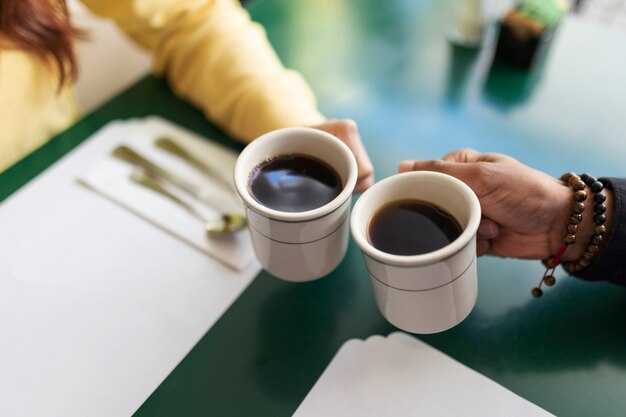
Try the edible cup on your next flight: drink your coffee, then eat the cup to cut waste. Air New Zealand is testing a compostable, edible cup that customers can enjoy after drinks. The cup comes in a vanilla flavor with cream accents, and the team wrote that these cups bring a tangible reduction in waste from inflight service. In trials, crews report the edible shell holds up through the early minutes of a drink, then offers a safe bite for those who want it.
The edible shell uses a thin, food-grade composition that is also sturdy enough for a daily latte, without dissolving instantly. After the cup empties, passengers can enjoy the remaining shell; it is designed to break down in compost streams rather than linger as waste. These features help reduce litter on flights and give customers a playful moment that adds value to travel.
In a six-week series of trials, Air New Zealand served roughly 2,000 edible cups per week across three routes, totaling about 12,000 cups. Data show waste reductions of roughly 20–25% compared with standard cups, and customer satisfaction rose by about 12 percentage points. Passengers praised the vanilla-cream balance, and the cup performed better than expected in real-use conditions. The results suggest a viable path to broader rollout for inflight service, analysts said.
For customers eager to try, choose the vanilla-cream edition and drink first, then bite the edible cup. Airlines planning a rollout should coordinate with catering teams to ensure the cups are stocked with drinks that suit the texture and flavor profile. Also, inform cabin crews that the cup is safe to chew and swallow, helping to bring compostable waste streams into daily operations. If the aim is to replace part of plastic cup use, start with one high-traffic route and monitor results over a month. If successful, airlines could extend this to the world.
These trials provide a practical blueprint: test flavor and texture, collect daily feedback from customers, and track waste and cost implications. The long plan ahead requires coordination across catering, cabin crews, and procurement, but it aligns with sustainability goals. Airlines can scale the edible cup in high-traffic segments first, then expand as data supports a broader rollout. The concept aims to cut waste while maintaining service quality, with edible cups that integrate into routine use and leave little residue after consumption.
Air New Zealand Edible Coffee Cups: Drink Your Coffee, Then Eat the Cup
Try the plant-based edible cup on Air New Zealand flights; sip your coffee, then eat the cup.
Recent pilots in select lounges showcased cups crafted from plant-based material that can be eaten after you finish the drink. Some customers with loyalty cards noted the experience adds value to travel and supports the airline’s eco plan.
The concept centers on reducing waste while keeping taste and convenience intact. The cups are compostable and designed to provide a flavorful end note, rather than a throwaway wrapper. This option offers a practical path for airlines aiming to curb single-use packaging and improve the passenger experience.
In extended routes and in premium lounges, Air New Zealand tests the approach, gathering feedback from crew, customers, and lounge teams. The board monitors disposal logistics, bin design, and the rate at which cups are consumed or disposed. The aim is to refine texture, finish, and feel so the cups remain appealing while serving an environmental aim.
Tips for travelers: finish your drink, then decide whether to eat the cup right away or save it for a snack between bites. If you cannot finish, place the cup in the designated bin to support the composting stream in lounges that offer facilities. This approach helps provide data for future planning and encourages guests to engage with planet-friendly travel.
| Xüsusiyyət | Traditional cup | Edible cup | Compostable cup |
|---|---|---|---|
| Material | Paper or plastic-lined paper | Plant-based edible material | Plant-based and compostable |
| End-of-life | Recycle or discard where facilities exist | Eat or discard into compost stream | Compostable in industrial facilities |
| Flavor | Neutral | Flexible flavor profile (unflavored or light notes) | Neutral by design |
| Capacity | Typical 8 oz (237 ml) | Designed for standard coffee serving | Supports standard servings |
Air New Zealand trials edible vanilla-flavored cookie coffee cups on board and in its lounges to help reduce waste
Roll out the edible vanilla-flavored cookie cups across all cabins and lounges within the next quarter; this will replace most single-use plastic cups used for drinks, providing an alternative to plastic packaging, and Air New Zealand said the move could cut beverage waste by a meaningful margin on long-haul journeys.
Each cup uses wheat flour and plant-based fats to create a vanilla-flavored dough that crisps into a cookie you can eat after finishing the drink. Using a compact bake-onboard process, crews prepare fresh cups. The cups also serve as desserts for customers, adding a sweet pairing to coffee or tea. This program serves as a dessert option for customers.
Implementation includes a bolt-on plan: pilot on six long-haul routes and in six lounges, with baseline measurements for drinks served and waste diverted. Track metrics like plastics saved, cups used, and customer feedback from surveys; such data will guide expansion to more routes.
Ingredients and packaging emphasize simplicity: the recipe relies on flour (wheat) and plant-based ingredients; packaging is minimized to avoid extra waste, and the rollout will share results in a customer newsletter which explains how such innovations contribute to sustainability. Staff will use cards on service trolleys to guide waste sorting and to inform customers about the edible cups.
Operational details place the vanilla-flavored cups alongside beverages, with an optional vanilla sauce for pairing. This approach supports a smoother service and reduces the need for disposable napkins and sauces that add to waste, while giving passengers a concise, enjoyable alternative.
The environmental impact targets extend beyond reduced plastics; replacing single-use cups cuts plastic pollution, potentially benefiting oceans and water systems. It also relies on compostable waste streams to ensure any residual packaging or liners are managed responsibly, and it aims to bring more sustainability to long journeys than current practices, demonstrating that edible solutions can work on both onboard itineraries and in lounges, which already serve a large share of customer traffic.
If the trial proves successful, Air New Zealand will widen the program to more lounges and routes, continue reporting results via its newsletter, and establish the edible cup as a standard alternative to plastics in drinks service, with ongoing monitoring of waste streams and customer satisfaction.
Flavor options and shelf life of vanilla cookie cups
For daily service, offer vanilla-flavored cups that are compostable and wheat-based, with add-ins like citrus zest or cocoa nibs. These options pair well with light sauces and fresh fruit toppings, and they stay plant-based, only using compostable cups and avoiding plastic waste. Recent trials have tested two variants: vanilla-flavored with citrus zest and vanilla-flavored with cocoa nibs; trialling these shows some customers have a preference. Use these cards near the serving area to explain flavors, while keeping the setup simple. Some teams have seen strong interest when you bring variety without complicating the workflow. According to sustainability goals, compostable cups reduce plastic waste and support oceans. If you run a trial, include a newsletter snippet to collect feedback; you can share results with your customer list and update the lineup. Twiices per week, refresh the board with these flavors and adjust based on feedback.
Storage and shelf life: Keep vanilla cups in a sealed container in a cool area, ideally around 4-8 C. At room temperature (20-22 C) the cups stay good for 3-5 days; refrigeration extends to 7-14 days; freezing is allowable for longer storage, up to 2-3 months, then thaw slowly and use within 2 days. Do not expose to moisture; re-seal after each use to avoid sogginess. For daily stock, rotate batches so the oldest cups are used first, and mark dates on a simple log.
Allergen and serving notes: the base uses wheat, so clearly label vanilla-flavored cups and note plant-based ingredients. When serving, offer small samples on cards and invite customers to pair with a sauce or a light beverage; keep water handy for palate cleansing between tastings. Some operators run trials with a tasting flight and collect feedback via a short newsletter poll; results help refine the flavor lineup and the shelf-life plan.
On-board service steps: drink first, then eat the cup
Recommendation: Tell passengers explicitly to drink first, then eat the cup, so the coffee delivers full aroma and the edible shell remains intact until the bite.
-
Step 1 – Presentation and base: Serve the drink in a plant-based cup built from flour and water. Add a vanilla note and a light sauce to keep the shell pleasant to bite. The recipe uses eight ingredients and aims to stay stable through typical flight temperatures.
-
Step 2 – Clear crew cues and cards: Place simple instruction cards on the tray that state the order. The australia-based co-founder wrote that such cues reduce confusion; according to feedback, repeating the cue twiices times helps ensure customers follow the sequence.
-
Step 3 – Temperature and safety: Maintain the drink at a comfortable temperature to protect the edible shell’s texture. Using a cup designed for on-board service minimizes cracking while preserving the vanilla-cream balance.
-
Step 4 – The bite sequence: After finishing the drinks, invite the customer to eat the edge of the cup. These steps provide a natural transition from drink to bite and help deliver the plant-based experience without leaving plastics on the tray.
-
Step 5 – Environmental impact: Emphasize reduction of plastics by choosing the edible cup. The cups use plant-based ingredients and can be composted where facilities exist, supporting environmental goals and less waste in the cabin. The plastics used in traditional packaging are replaced by edible alternatives, reducing waste overall.
-
Step 6 – Feedback and metrics: Offer a brief card for customer feedback on texture and flavor, and track responses by drinks category. This data supports ongoing innovation and shows more positive reactions when the experience is well integrated into service routines.
-
Step 7 – Ingredient transparency: Explain the cup’s composition: plant-based, with water, flour, vanilla, and a cream-like glaze; the edible shell is designed to be eaten with the drink. These details reassure customers about safety and taste, and align with the stated eight-ingredient recipe.
Note: The approach comes from a broader innovation program in Australia, with input from the co-founder and a focus on reducing environmental impact and plastic use across cabin menus. Using these steps, staff can deliver a cohesive, engaging experience that customers remember when choosing an edible cup for drinks.
İstehsal və təchizat: inqrediyentlər, təchizatçılar və saxlama
Təchizat zəncirindəki problemləri və itkiləri azaltmaq üçün etibarlı yerli təchizatçılardan xammal alın və nəzarət olunan mühitdə saxlayın. Salonlarda təqdim olunan içkilərdə stəkanların keyfiyyət göstərməsi üçün davamlılıq mühümdür; bu, xammalın dəqiqliklə alınması və idarə edilməsindən başlayır. Həmtəsisçi Jamie, hazır məhsulun bütün əməliyyatlar üzrə eyni dada malik olması üçün izlənmə qabiliyyətini vurğulayır.
Ingredients
- Un əsasları (buğda və ya qlütensiz qarışıqlar) möhkəm fincan quruluşu yaratmaq üçün.
- Şirinliyi və teksturanı balanslaşdırmaq üçün şəkər və duz, şokolad dadı üçün isə əlavə kakao.
- Bərk yağ və ya bitki mənşəli marqarin, bütövlük və xırtıldayan dişləmə üçün.
- Qarışdırma və formalaşdırma zamanı konsistensiyanı tənzimləmək üçün su.
- Vanil essensiyası və ətir və dərinlik əlavə etmək üçün əlavə ədviyyatlar.
- Təbii emulqator və ya lesitin, çatlamanı azaltmaq və işlənməni yaxşılaşdırmaq üçün, seçimə görə.
Təchizatçılar
- Şəffaf mənbələri və daha sürətli ehtiyat dövrlərini təmin edən yerli dəyirmanlar və əsas inqrediyentlər üçün quru məhsul tədarükçüləri.
- Bu fincanlarda qida seçimlərinə uyğunlaşmaq üçün etibarlı kooperativlərdən süd və ya bitki əsaslı alternativlər.
- Xüsusi kakao, vanil və ləzzət evləri ardıcıl profillər və partiyadan-partiyaya uyğunlaşma üçün.
- Bu formatla uyğunlaşan kompostlana bilən kartonlar və ya yeyilə bilən örtüklər təklif edən qablaşdırma və örtük tərəfdaşları.
Saxlama və işləmə
- Quru inqrediyentlər tekstura və təravəti qorumaq üçün 15–20°C-də, rütubət isə 60%-dən aşağı saxlanılan yerdə saxlanmalıdır.
- Açıldıqdan sonra, inqrediyentləri istifadə müddətinə uyğun saxlamaq üçün FIFO (ilk gələn, ilk çıxan) prinsipini tətbiq edin.
- Hazır fincanları, dad ötürməsinin qarşısını almaq üçün, hermetik, şəffaf olmayan qablarda, güclü qoxulu əşyalardan uzaq saxlayın.
- Ən yaxşı nəticələr üçün sınaq partiyaları keçirin və davamlı düzəlişlərə rəhbərlik etmək üçün bişirmə müddətləri, temperaturlar və rütubət üzrə məlumatları qeyd edin.
Keyfiyyət, davamlılıq və davam edən sınaqlar
- Mütəmadi olaraq zal işçiləri ilə dad, ətir və su aktivliyini ölçmək üçün sınaqlar keçirin (sınaqlar) və sonra formulaya uyğun olaraq düzəlişlər edin.
- Tullantı poliqonunun təsirini tullantıları ənənəvi birdəfəliklərlə müqayisə etməklə ölçün; məqsəd tullantı poliqonlarını azaltmaq və ümumi davamlılığı yaxşılaşdırmaqdır.
- Pilot rəylərinə əsasən, prosesi elə təkmilləşdirin ki, hər partiya partiyalar arasında daha tutarlı olsun və espresso və uzun qara kimi içkilər üçün etibarlı bir baza rolunu oynasın.
- Fincan bitdikdən sonra məhsulun mahiyyətini qoruyun; resepti elə tərtib edin ki, fincanın dadı qəhvənin dadını üstələmədən onu tamamlasın.
- Uğursuzluqları və uğurları sənədləşdirin, sonra öyrəndiklərinizi komanda ilə paylaşın ki, növbəti sınaqları və ümumi tədarük zəncirini təkmilləşdirəsiniz.
Yeməli stəkanlar üçün sağlamlıq, təhlükəsizlik və allergiya məsələləri

Hər bir yeyilə bilən stəkanın üzərində bütün inqrediyentləri və allergenləri qeyd edin və allergiyası olan müştərilər üçün yeyilməyən seçim təklif edin. İşçilərə və müştərilərə tez qərar verməyə kömək etmək üçün allergen qeydlərini stəkanın özünə və piştaxtadakı sifariş kartlarına yerləşdirin.
Çapraz təmasın qarşısını almaq üçün hazırlıq zamanı məhsulları ayrı saxlayın: süd, qoz və ya qlüten olan stəkanlar üçün xüsusi qablar, əlcəklər və səthlərdən istifadə edin. İşçiləri satış nöqtəsində müştərilərə allergen məlumatlarını şifahi şəkildə çatdırmaq üçün təlimləndirin. Müştərilərə sürətli qərar verməyə kömək edən etiketlər aydın olmalı və yalnız müştərilərin bir hissəsinə qeyri-yeyinti stəkanları lazımdır, buna görə də hər iki seçimi aydın şəkildə təqdim edin və mümkün olduqda, qərar vermələrinə kömək etmək üçün qeyri-yeyinti seçimləri üçün sürətli bir işarə göstərin.
Yerli hava limanı köşkündə stəkanları sınaqdan keçirən səkkiz müştəri dadından sonra rəy bildirdi. Onlar içkilərinin tərkibində qaymaq və digər sous növlərinin olduğunu söylədilər və aydın etiketləmənin vacibliyini vurğuladılar; beşi süd və qaymaq komponentləri sadalandığı təqdirdə yeyilə bilən stəkanlardan içməyə davam edəcəklərini, ikisi tekstura ilə bağlı narahatlıqlarını bildirdi və biri südsüz alternativ istədi.
Material əsasları: stəkanın altlığı isti içkiləri saxlaya bilən hazır qabıq əldə etmək üçün un və sudan istifadə edilərək bişirilir. Əgər stəkan istidə yumşaq olursa, 15 dəqiqə ərzində servis etməyi və ya ehtiyat stəkan təklif etməyi məsləhət görün. Maye və souslarla doldurulduqda qabığın bütöv qalmasına əmin olun.
Utilizasiya və davamlılıq: yerli Zealand tərəfdaşları işçilər üçün ən yaxşı təcrübələri əks etdirən kartlar yazıblar. Tullantıları azaltmaq üçün içkiləri yeyilə bilən stəkanlarda təqdim edin, lakin müştərilərə xəbərdarlıq edin ki, hər hansı bir qalıq hissəsini islanmış qabıqlardan qaçmaq üçün dərhal bitirsinlər. İstifadə edildikdən sonra stəkanlar müvafiq müəssisələrdə komposta çevrilə bilər, bitmiş məhsullar isə zibil poliqonlarına deyil, yerli kompost axınlarına göndərilməlidir. Davamlılıq baxımından bu yanaşma yerli tədarükçüləri dəstəkləyərək innovasiya gətirir və qablaşdırmanı azaldır.
İstehlakçıya təlimat: Bir səhifəlik kartla qısa qablaşdırma məsləhətləri təqdim edin: isti halda işlədin, həddindən artıq qızdırmadan qaçının və atmazdan əvvəl istifadədən sonra su ilə yaxalayın. Əsas məsələ dadı təhlükəsizlik və işçilərin riski idarə etməsinin asanlığı ilə balanslaşdırmaqdır. Bu təlimat yerli komandalardan bütün satış məntəqələrində ardıcıllığı təmin etmək üçün gəlir.
Geriyə bildirişlərin toplanması və sınaq göstəriciləri
Avstraliyanın səkkiz pilot ərazisində, o cümlədən hava limanı gözləmə zallarında, iyul ayında iki həftəlik rəy toplama sprintinə başlayın ki, daha geniş miqyasda tətbiq etməzdən əvvəl ilkin siqnalları tutaq və problemləri həll edək.
Səkkiz sınaq metriki müəyyən edin və onları hər gün izləyin: dadanlar arasında qəbul nisbəti, 5 ballıq şkala üzrə orta məmnunluq, bardağın salamat qaldığı servis sayı, plastik stəkanlara qarşı tullantıların azaldılması, yeyilə bilən stəkanlara keçid nisbəti, saatda servis sayı, zədələnmə səbəbindən dəyişdirmə ehtiyacı və istifadəçilərin vanil ətri və buğda teksturası ilə bağlı rəyləri; həmçinin rəylərin vaxtını və kontekstini qeydə alın.
İstifadə yerlərində və davamlı təqiblərlə cavabları toplayaraq dəryalar qədər məlumat əldə edin; bu yanaşma, köşklərdəki sürətli QR anketlərindən və dad və ətri kalibrləməyə kömək edən mobil xatırlatmalardan istifadə edərək həyata keçirilir. Bəzi cavablar dad və tekstura haqqında uzun qeydlərdən ibarətdir; yekun nəticələr idarə heyətini tədbirlər görüləcək addımlarla təmin edir.
Hava limanı çıxışlarında istilik təsirinə, örtüyün davamlılığına və lövhə materialları ilə uyğunluğuna dair problemləri həll edin; sınaq planına əsasən, bu vanil-buğda örtüyünə keçid salonlarda saxlanıldıqda mümkün olaraq qalır. Nəticələr plastik üzərində aydın üstünlük göstərdikdə, okeanlar və Avstraliya boyunca daha səkkiz əlavə məkana miqyasını genişləndirməyi planlaşdırın.