


 Українська
  English (UK)
  Русский
  বাংলা
বাংলা  العربية
  日本語
日本語  한국어
한국어  Magyar
  Norsk nynorsk
  Türkçe
  עִבְרִית
  Español
  Čeština
  Svenska
  Português
  Ελληνικά
  Suomi
Suomi  Nederlands
  Română
  Italiano
  Français
  Polski
  Deutsch
  简体中文
简体中文  Slovenčina
  Српски језик
  اردو
اردو  Azərbaycan dili
  O‘zbekcha
  አማርኛ
አማርኛ 
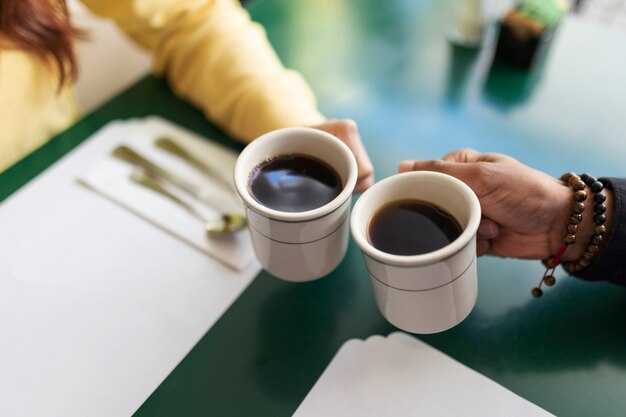
Try the edible cup on your next flight: drink your coffee, then eat the cup to cut waste to cut waste. Air New Zealand is testing a compostable, edible cup that customers can enjoy after drinks. The cup comes in a vanilla flavour with cream accents, and the team wrote that these cups bring a tangible reduction in waste from inflight service. In trials, crews report the edible shell holds up through the early minutes of a drink, then offers a safe bite for those who want it.
The edible shell uses a thin, food-grade composition that is also sturdy enough for a daily latte, without dissolving instantly. After the cup empties, passengers can enjoy the remaining shell; it's designed to break down in compost streams rather than linger as waste. These features help reduce litter on flights and give customers a playful moment that adds value to travel.
In a six-week series of trials, Air New Zealand served roughly 2,000 edible cups per week across three routes, totalling about 12,000 cups. Data show waste reductions of roughly 20–25% compared with standard cups, and customer satisfaction rose by about 12 percentage points. Passengers praised the vanilla-cream balance, and the cup performed better than expected in real-use conditions. The results suggest a viable path to broader rollout for inflight service, analysts said.
For customers eager to try, choose the vanilla-cream edition and drink first, then bite the edible cup. Airlines planning a rollout should coordinate with catering teams to ensure the cups are stocked with drinks that suit the texture and flavour profile. Also, inform cabin crews that the cup is safe to chew and swallow, helping to bring compostable waste streams into daily operations. If the aim is to replace part of plastic cup use, start with one high-traffic route and monitor results over a month. If successful, airlines could extend this to the world.
These trials provide a practical blueprint: test flavour and texture, collect daily feedback from customers, and track waste and cost implications. The long plan ahead requires coordination across catering, cabin crews, and procurement, but it aligns with sustainability goals. Airlines can scale the edible cup in high-traffic segments first, then expand as data supports a broader rollout. The concept aims to cut waste while maintaining service quality, with edible cups that integrate into routine use and leave little residue after consumption.
Air New Zealand Edible Coffee Cups: Drink Your Coffee, Then Eat the Cup
Try the plant-based edible cup on Air New Zealand flights; sip your coffee, then eat the cup.
Recent trials in select lounges showcased cups crafted from plant-based material that can be eaten after you finish your drink. Some customers with loyalty cards noted the experience adds value to travel and supports the airline's eco plan.
The concept centres on reducing waste while keeping taste and convenience intact. The cups are compostable and designed to provide a flavourful end note, rather than a throwaway wrapper. This option offers a practical path for airlines aiming to curb single-use packaging and improve the passenger experience.
On longer routes and in premium lounges, Air New Zealand is testing the approach, gathering feedback from crew, customers, and lounge teams. The board is monitoring disposal logistics, bin design, and the rate at which cups are consumed or disposed of. The aim is to refine texture, finish and feel so the cups remain appealing while serving an environmental aim.
Tips for travellers: finish your drink, then decide whether to eat the cup right away or save it for a snack between bites. If you cannot finish, place the cup in the designated bin to support the composting stream in lounges that offer facilities. This approach helps provide data for future planning and encourages guests to engage with planet-friendly travel.
| Особливість | Traditional cup | Edible cup | Compostable cup |
|---|---|---|---|
| Material | Paper or paper-lined paper | Plant-based edible material | Plant-based and compostable |
| End-of-life | Recycle or discard where facilities are available | Eat or discard into compost stream | Compostable in industrial facilities |
| Flavour | Neutral | Flexible flavour profile (unflavoured or light notes) | Neutral by design |
| Capacity | Typical 8 fl oz (227 ml) | Designed for standard coffee serving | Supports standard servings |
Air New Zealand trials edible vanilla-flavoured biscuit coffee cups on board and in its lounges to help reduce waste
Implement the edible vanilla-flavoured cookie cups across all cabins and lounges within the next quarter; this will replace most single-use plastic cups used for drinks, providing an alternative to plastic packaging, and Air New Zealand said the move could cut beverage waste by a meaningful margin on long-haul journeys.
Each cup uses wheat flour and plant-based fats to create a vanilla-flavoured dough that crisps into a cookie you can eat after finishing the drink. Using a compact bake-onboard process, crews prepare fresh cups. The cups also serve as desserts for customers, adding a sweet pairing to coffee or tea. This programme serves as a dessert option for customers.
Implementation includes a bolt-on plan: pilot on six long-haul routes and in six lounges, with baseline measurements for drinks served and waste diverted. Track metrics like plastics saved, cups used, and customer feedback from surveys; such data will guide expansion to more routes.
Ingredients and packaging emphasise simplicity: the recipe relies on flour (wheat) and plant-based ingredients; packaging is minimised to avoid extra waste, and the rollout will share results in a customer newsletter which explains how such innovations contribute to sustainability. Staff will use cards on service trolleys to guide waste sorting and to inform customers about the edible cups.
Operational details place the vanilla-flavoured cups alongside beverages, with an optional vanilla sauce for pairing. This approach supports a smoother service and reduces the need for disposable napkins and sauces that add to waste, whilst giving passengers a concise, enjoyable alternative.
The environmental impact targets extend beyond reduced plastics; replacing single-use cups cuts plastic pollution, potentially benefiting oceans and water systems. It also relies on compostable waste streams to ensure any residual packaging or liners are managed responsibly, and it aims to bring more sustainability to long journeys than current practices, demonstrating that edible solutions can work on both onboard itineraries and in lounges, which already serve a large share of customer traffic.
If the trial proves successful, Air New Zealand will widen the programme to more lounges and routes, continue reporting results via its newsletter, and establish the edible cup as a standard alternative to plastics in drinks service, with ongoing monitoring of waste streams and customer satisfaction.
Flavour options and shelf life of vanilla cookie cups
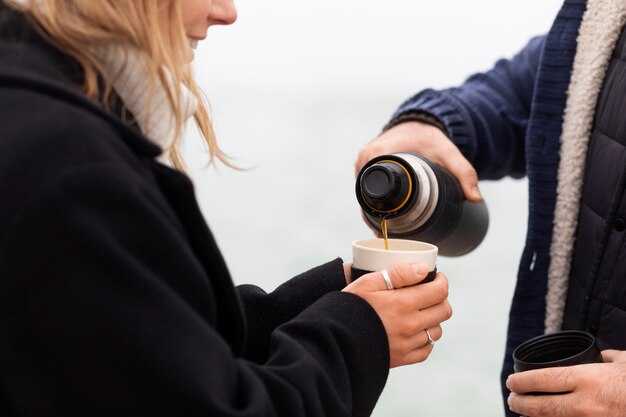
For daily service, offer vanilla-flavoured cups that are compostable and wheat-based, with add-ins like citrus zest or cocoa nibs. These options pair well with light sauces and fresh fruit toppings, and they stay plant-based, only using compostable cups and avoiding plastic waste. Recent trials have tested two variants: vanilla-flavoured with citrus zest and vanilla-flavoured with cocoa nibs; trialling these shows some customers have a preference. Use these cards near the serving area to explain flavours, while keeping the setup simple. Some teams have seen strong interest when you bring variety without complicating the workflow. According to sustainability goals, compostable cups reduce plastic waste and support oceans. If you run a trial, include a newsletter snippet to collect feedback; you can share results with your customer list and update the lineup. Twiices per week, refresh the board with these flavours and adjust based on feedback.
Storage and shelf life: Keep vanilla cups in a sealed container in a cool area, ideally around 4-8°C. At room temperature (20-22°C) the cups stay good for 3-5 days; refrigeration extends to 7-14 days; freezing is allowable for longer storage, up to 2-3 months, then thaw slowly and use within 2 days. Do not expose to moisture; re-seal after each use to avoid sogginess. For daily stock, rotate batches so the oldest cups are used first, and mark dates on a simple log.
Allergen and serving notes: the base uses wheat, so clearly label vanilla-flavoured cups and note plant-based ingredients. When serving, offer small samples on cards and invite customers to pair with a sauce or a light beverage; keep water handy for palate cleansing between tastings. Some operators run trials with a tasting flight and collect feedback via a short newsletter poll; results help refine the flavour line-up and the shelf-life plan.
On-board service steps: drink first, then dispose of the cup.
Recommendation: Tell passengers explicitly to drink first, then eat the cup, so the coffee delivers full aroma and the edible shell remains intact until the bite.
-
Step 1 – Presentation and base: Serve the drink in a plant-based cup built from flour and water. Add a vanilla note and a light sauce to keep the shell pleasant to bite. The recipe uses eight ingredients and aims to stay stable through typical flight temperatures.
-
Step 2 – Clear crew cues and cards: Place simple instruction cards on the tray that state the order. The Australia-based co-founder wrote that such cues reduce confusion; according to feedback, repeating the cue two times helps ensure customers follow the sequence.
-
Step 3 – Temperature and safety: Keep the drink at a comfortable temperature to protect the edible shell’s texture. Using a cup designed for on-board service minimises cracking while preserving the vanilla-cream balance.
-
Step 4 – The bite sequence: After finishing the drinks, invite the customer to eat the edge of the cup. These steps provide a natural transition from drink to bite and help deliver the plant-based experience without leaving plastics on the tray.
-
Step 5 – Environmental impact: Emphasise reduction of plastics by choosing the edible cup. The cups use plant-based ingredients and can be composted where facilities exist, supporting environmental goals and less waste in the cabin. The plastics used in traditional packaging are replaced by edible alternatives, reducing waste overall.
-
Step 6 – Feedback and metrics: Offer a brief card for customer feedback on texture and flavour, and track responses by drinks category. This data supports ongoing innovation and shows more positive reactions when the experience is well integrated into service routines.
-
Step 7 – Ingredient transparency: Explain the cup’s composition: plant-based, with water, flour, vanilla, and a cream-like glaze; the edible shell is designed to be eaten with the drink. These details reassure customers about safety and taste, and align with the stated eight-ingredient recipe.
Note: The approach comes from a broader innovation programme in Australia, with input from the co-founder and a focus on reducing environmental impact and plastic use across cabin menus. Using these steps, staff can deliver a cohesive, engaging experience that customers remember when choosing an edible cup for drinks.
Production and sourcing: ingredients, suppliers, and storage
Source ingredients from trusted local suppliers and store them in a controlled environment to reduce challenges and waste in the supply chain. For the cups to perform in drinks served in lounges, consistency matters; this starts with precision in sourcing and handling. Co-founder Jamie highlights traceability so that the finished product tastes the same across operations.
Інгредієнти
- Flour base (wheat or gluten-free blends) to make a sturdy cup structure.
- Sugar and salt to balance sweetness and texture, with optional cocoa for a chocolatey finish.
- Butter or plant-based spread for cohesion and a crisp bite.
- Water to adjust consistency during mixing and forming.
- Vanilla essence and optional spices to add aroma and depth.
- Natural emulsifier or lecithin optional, to reduce cracking and improve handling.
Suppliers
- Local mills and dry goods suppliers for primary ingredients, enabling transparent sourcing and faster restock cycles.
- Dairy or plant-based alternatives from trusted co-operatives to align with dietary preferences in these cups.
- Speciality cocoa, vanilla, and flavour houses for consistent profiles and batch-to-batch alignment.
- Packaging and coating partners offering compostable boards or edible coatings that pair with this format.
Storage and handling
- Store dry ingredients at 15–20°C with humidity kept below 60% to preserve texture and freshness.
- After opening, rotate stock using FIFO to keep ingredients within their best-use windows.
- Keep finished cups in airtight, opaque bins away from strong-smelling items to prevent flavour transfer.
- For best results, conduct trial batches and log data on bake times, temperatures, and moisture to guide ongoing adjustments.
Quality, sustainability, and ongoing trials
- Run regular trials with lounge staff to gauge bite, aroma, and water activity in these cups, then adjust formulation accordingly.
- Measure landfill impact by comparing waste with traditional disposables; the aim is to reduce landfills and improve overall sustainability.
- Based on pilot feedback, refine the process so each batch is more consistent batch-to-batch and serves as a reliable base for drinks like espresso and long blacks.
- Keep the essence of the product intact after the cup is finished; design the recipe so the cup’s flavour complements the coffee without overpowering it.
- Document failures and successes, then share learnings with the team to improve the next trials and the overall supply chain.
Health, safety, and allergy considerations for edible cups

Label all ingredients and allergens on every edible cup, and offer a non-edible option for customers with allergies. Put allergen notes on the cup itself and on the order cards at the counter to help staff and customers make quick decisions.
Keep products separate during prep to avoid cross-contamination: use dedicated utensils, gloves, and surfaces for cups with dairy, nuts, or gluten. Train staff to verbalise allergen information to customers at the point of sale. Labels, which help customers decide quickly, should be obvious, and only a subset of customers needs non-edible cups, so present both choices clearly and where possible show a quick icon for non-edible options to help them decide.
Eight customers trialling the cups at a local airport kiosk provided feedback after tasting them. They said their drinks included cream and other sauce varieties, and they highlighted the importance of clear labelling; five said they would continue drinking from edible cups if dairy and cream components were listed, two raised texture concerns, and one asked for a dairy-free alternative.
Material basics: the cup base uses flour and water, baked to a finished shell that holds hot drinks. If the cup becomes soft in heat, advise serving within 15 minutes or offering a backup cup. Ensure the shell stays intact when filled with liquids and sauces.
Disposal and sustainability: local zealands partners wrote cards to staff detailing best practice. Serve drinks in edible cups to reduce waste, but warn customers that any leftover portions should be finished promptly to avoid soggy shells. After use, the cups can become compost in appropriate facilities, whilst finished products should go to local compost streams rather than landfill. From a sustainability stance, this approach brings innovation and reduces packaging whilst supporting local suppliers.
Consumer guidance: provide brief on-pack tips with a one-page card: handle while warm, avoid overheating, and rinse with water after use before disposal. The essence is to balance flavour with safety and ease for staff to manage risk. This guidance comes from local teams for consistency across outlets.
Feedback collection and trial metrics
Launch a two-week feedback sprint in July across eight pilot sites in Australia, including airport lounges, to capture early signals and fix issues before broader deployment.
Define eight trial metrics and track them daily: acceptance rate amongst tasters, average satisfaction on a 5-point scale, number of serves where the cup remains intact, waste reduction versus plastic cups, switch rate to edible cups, throughput in serves per hour, need for replacements due to damage, and user feedback on vanilla aroma and wheat texture; also capture timing of feedback and context.
Collect responses at points of use and through follow-ups to build oceans of data; this approach, using quick QR surveys at kiosks and mobile prompts, that help calibrate mouthfeel and aroma. Some responses include long-form notes on flavour and texture; finished results feed the board with actionable steps.
Address challenges like heat impact at airport outlets, coating durability, and compatibility with board materials; according to the testing plan, this switch to a vanilla-wheat finish remains viable when stored in lounges. When results show a clear advantage over plastic, plan to scale to eight additional sites across oceans and australia.