


 עִבְרִית
  English (UK)
  Русский
  বাংলা
বাংলা  العربية
  日本語
日本語  한국어
한국어  Magyar
  Norsk nynorsk
  Türkçe
  Español
  Čeština
  Svenska
  Português
  Ελληνικά
  Suomi
Suomi  Nederlands
  Română
  Italiano
  Français
  Polski
  Українська
  Deutsch
  简体中文
简体中文  Slovenčina
  Српски језик
  اردو
اردو  Azərbaycan dili
  O‘zbekcha
  አማርኛ
አማርኛ 
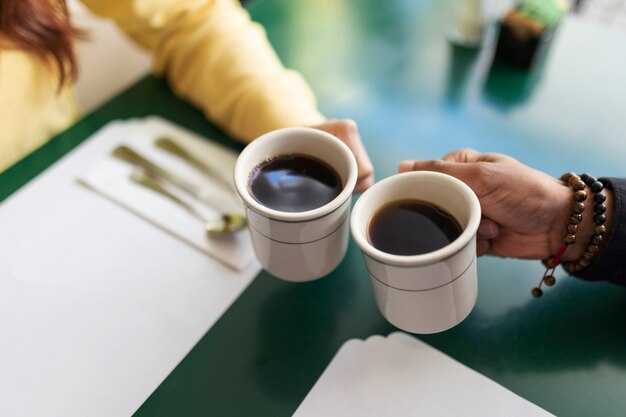
Try the edible cup on your next flight: drink your coffee, then eat the cup to cut waste. Air New Zealand is testing a compostable, edible cup that customers can enjoy after drinks. The cup comes in a vanilla flavor with cream accents, and the team wrote that these cups bring a tangible reduction in waste from inflight service. In trials, crews report the edible shell holds up through the early minutes of a drink, then offers a safe bite for those who want it.
The edible shell uses a thin, food-grade composition that is also sturdy enough for a daily latte, without dissolving instantly. After the cup empties, passengers can enjoy the remaining shell; it is designed to break down in compost streams rather than linger as waste. These features help reduce litter on flights and give customers a playful moment that adds value to travel.
In a six-week series of trials, Air New Zealand served roughly 2,000 edible cups per week across three routes, totaling about 12,000 cups. Data show waste reductions of roughly 20–25% compared with standard cups, and customer satisfaction rose by about 12 percentage points. Passengers praised the vanilla-cream balance, and the cup performed better than expected in real-use conditions. The results suggest a viable path to broader rollout for inflight service, analysts said.
For customers eager to try, choose the vanilla-cream edition and drink first, then bite the edible cup. Airlines planning a rollout should coordinate with catering teams to ensure the cups are stocked with drinks that suit the texture and flavor profile. Also, inform cabin crews that the cup is safe to chew and swallow, helping to bring compostable waste streams into daily operations. If the aim is to replace part of plastic cup use, start with one high-traffic route and monitor results over a month. If successful, airlines could extend this to the world.
These trials provide a practical blueprint: test flavor and texture, collect daily feedback from customers, and track waste and cost implications. The long plan ahead requires coordination across catering, cabin crews, and procurement, but it aligns with sustainability goals. Airlines can scale the edible cup in high-traffic segments first, then expand as data supports a broader rollout. The concept aims to cut waste while maintaining service quality, with edible cups that integrate into routine use and leave little residue after consumption.
Air New Zealand Edible Coffee Cups: Drink Your Coffee, Then Eat the Cup
Try the plant-based edible cup on Air New Zealand flights; sip your coffee, then eat the cup.
Recent pilots in select lounges showcased cups crafted from plant-based material that can be eaten after you finish the drink. Some customers with loyalty cards noted the experience adds value to travel and supports the airline’s eco plan.
The concept centers on reducing waste while keeping taste and convenience intact. The cups are compostable and designed to provide a flavorful end note, rather than a throwaway wrapper. This option offers a practical path for airlines aiming to curb single-use packaging and improve the passenger experience.
In extended routes and in premium lounges, Air New Zealand tests the approach, gathering feedback from crew, customers, and lounge teams. The board monitors disposal logistics, bin design, and the rate at which cups are consumed or disposed. The aim is to refine texture, finish, and feel so the cups remain appealing while serving an environmental aim.
Tips for travelers: finish your drink, then decide whether to eat the cup right away or save it for a snack between bites. If you cannot finish, place the cup in the designated bin to support the composting stream in lounges that offer facilities. This approach helps provide data for future planning and encourages guests to engage with planet-friendly travel.
| תכונה | Traditional cup | Edible cup | Compostable cup |
|---|---|---|---|
| Material | Paper or plastic-lined paper | Plant-based edible material | Plant-based and compostable |
| End-of-life | Recycle or discard where facilities exist | Eat or discard into compost stream | Compostable in industrial facilities |
| Flavor | כללים: - ספק רק את התרגום, ללא הסברים - שמור על הטון והסגנון המקוריים - שמור על העיצוב ושבירות השורות | Flexible flavor profile (unflavored or light notes) | Neutral by design |
| Capacity | Typical 8 oz (237 ml) | Designed for standard coffee serving | Supports standard servings |
Air New Zealand trials edible vanilla-flavored cookie coffee cups on board and in its lounges to help reduce waste
Roll out the edible vanilla-flavored cookie cups across all cabins and lounges within the next quarter; this will replace most single-use plastic cups used for drinks, providing an alternative to plastic packaging, and Air New Zealand said the move could cut beverage waste by a meaningful margin on long-haul journeys.
Each cup uses wheat flour and plant-based fats to create a vanilla-flavored dough that crisps into a cookie you can eat after finishing the drink. Using a compact bake-onboard process, crews prepare fresh cups. The cups also serve as desserts for customers, adding a sweet pairing to coffee or tea. This program serves as a dessert option for customers.
Implementation includes a bolt-on plan: pilot on six long-haul routes and in six lounges, with baseline measurements for drinks served and waste diverted. Track metrics like plastics saved, cups used, and customer feedback from surveys; such data will guide expansion to more routes.
Ingredients and packaging emphasize simplicity: the recipe relies on flour (wheat) and plant-based ingredients; packaging is minimized to avoid extra waste, and the rollout will share results in a customer newsletter which explains how such innovations contribute to sustainability. Staff will use cards on service trolleys to guide waste sorting and to inform customers about the edible cups.
Operational details place the vanilla-flavored cups alongside beverages, with an optional vanilla sauce for pairing. This approach supports a smoother service and reduces the need for disposable napkins and sauces that add to waste, while giving passengers a concise, enjoyable alternative.
The environmental impact targets extend beyond reduced plastics; replacing single-use cups cuts plastic pollution, potentially benefiting oceans and water systems. It also relies on compostable waste streams to ensure any residual packaging or liners are managed responsibly, and it aims to bring more sustainability to long journeys than current practices, demonstrating that edible solutions can work on both onboard itineraries and in lounges, which already serve a large share of customer traffic.
If the trial proves successful, Air New Zealand will widen the program to more lounges and routes, continue reporting results via its newsletter, and establish the edible cup as a standard alternative to plastics in drinks service, with ongoing monitoring of waste streams and customer satisfaction.
Flavor options and shelf life of vanilla cookie cups
For daily service, offer vanilla-flavored cups that are compostable and wheat-based, with add-ins like citrus zest or cocoa nibs. These options pair well with light sauces and fresh fruit toppings, and they stay plant-based, only using compostable cups and avoiding plastic waste. Recent trials have tested two variants: vanilla-flavored with citrus zest and vanilla-flavored with cocoa nibs; trialling these shows some customers have a preference. Use these cards near the serving area to explain flavors, while keeping the setup simple. Some teams have seen strong interest when you bring variety without complicating the workflow. According to sustainability goals, compostable cups reduce plastic waste and support oceans. If you run a trial, include a newsletter snippet to collect feedback; you can share results with your customer list and update the lineup. Twiices per week, refresh the board with these flavors and adjust based on feedback.
Storage and shelf life: Keep vanilla cups in a sealed container in a cool area, ideally around 4-8 C. At room temperature (20-22 C) the cups stay good for 3-5 days; refrigeration extends to 7-14 days; freezing is allowable for longer storage, up to 2-3 months, then thaw slowly and use within 2 days. Do not expose to moisture; re-seal after each use to avoid sogginess. For daily stock, rotate batches so the oldest cups are used first, and mark dates on a simple log.
Allergen and serving notes: the base uses wheat, so clearly label vanilla-flavored cups and note plant-based ingredients. When serving, offer small samples on cards and invite customers to pair with a sauce or a light beverage; keep water handy for palate cleansing between tastings. Some operators run trials with a tasting flight and collect feedback via a short newsletter poll; results help refine the flavor lineup and the shelf-life plan.
On-board service steps: drink first, then eat the cup
Recommendation: Tell passengers explicitly to drink first, then eat the cup, so the coffee delivers full aroma and the edible shell remains intact until the bite.
-
Step 1 – Presentation and base: Serve the drink in a plant-based cup built from flour and water. Add a vanilla note and a light sauce to keep the shell pleasant to bite. The recipe uses eight ingredients and aims to stay stable through typical flight temperatures.
-
Step 2 – Clear crew cues and cards: Place simple instruction cards on the tray that state the order. The australia-based co-founder wrote that such cues reduce confusion; according to feedback, repeating the cue twiices times helps ensure customers follow the sequence.
-
Step 3 – Temperature and safety: Maintain the drink at a comfortable temperature to protect the edible shell’s texture. Using a cup designed for on-board service minimizes cracking while preserving the vanilla-cream balance.
-
Step 4 – The bite sequence: After finishing the drinks, invite the customer to eat the edge of the cup. These steps provide a natural transition from drink to bite and help deliver the plant-based experience without leaving plastics on the tray.
-
Step 5 – Environmental impact: Emphasize reduction of plastics by choosing the edible cup. The cups use plant-based ingredients and can be composted where facilities exist, supporting environmental goals and less waste in the cabin. The plastics used in traditional packaging are replaced by edible alternatives, reducing waste overall.
-
Step 6 – Feedback and metrics: Offer a brief card for customer feedback on texture and flavor, and track responses by drinks category. This data supports ongoing innovation and shows more positive reactions when the experience is well integrated into service routines.
-
Step 7 – Ingredient transparency: Explain the cup’s composition: plant-based, with water, flour, vanilla, and a cream-like glaze; the edible shell is designed to be eaten with the drink. These details reassure customers about safety and taste, and align with the stated eight-ingredient recipe.
הערה: הגישה מגיעה מתוכנית חדשנות רחבה יותר באוסטרליה, עם קלט ממייסד שותף ודגש על הפחתת ההשפעה הסביבתית וצריכת הפלסטיק בתפריטי תאי הנוסעים. באמצעות צעדים אלה, הצוות יכול לספק חוויה מגובשת ומרתקת שהלקוחות זוכרים כאשר הם בוחרים בכוס אכילה לשתייה.
ייצור ומקורות: מרכיבים, ספקים ואחסון
מקור רכיבים מספקים מקומיים מהימנים ואחסן אותם בסביבה מבוקרת כדי לצמצם אתגרים ובזבוז בשרשרת האספקה. כדי שהכוסות יתפקדו במשקאות המוגשים בטרקלינים, עקביות חשובה; זה מתחיל בדיוק במקורות ובטיפול. המייסד השותף ג'יימי מדגיש את היכולת לעקוב אחר מקורות הרכיבים, כך שלמוצר המוגמר יהיה אותו טעם בכל הפעולות.
רכיבים
- בסיס קמח (חיטה או תערובות נטולות גלוטן) ליצירת מבנה כוס יציב.
- סוכר ומלח לאיזון המתיקות והמרקם, עם קקאו אופציונלי לגימור שוקולדי.
- חמאה או מרגרינה צמחית לעִקְבִּיּוּת ונְשִׁיכָה פריכה.
- מים להתאמת המרקם במהלך הערבוב והעיצוב.
- תמצית וניל ותבלינים אופציונליים להוספת ארומה ועומק.
- מתחלב טבעי או לציטין אופציונלי, כדי להפחית סדקים ולשפר את הטיפול.
ספקים
- טחנות מקומיות וספקי מצרכים יבשים למרכיבים עיקריים, המאפשרים מקורות שקופים ומחזורי חידוש מלאי מהירים יותר.
- חלבי או חלופות צמחיות מקואופרטיבים מהימנים, להתאמה להעדפות תזונתיות בכוסות אלה.
- בתי קקאו, וניל וחומרי טעם וריח מיוחדים לפרופילים עקביים ותיאום בין אצוות.
- שותפי אריזה וציפוי המציעים קרטונים מתכלים או ציפויים אכילים המתאימים לפורמט זה.
אחסון וטיפול
- יש לאחסן מרכיבים יבשים בטמפרטורה של 15–20 מעלות צלזיוס עם לחות מתחת ל-60% כדי לשמור על המרקם והטריות.
- לאחר הפתיחה, יש לסובב את המלאי בשיטת FIFO כדי לשמור על טריות המרכיבים.
- יש לשמור ספלים מוכנים במיכלים אטומים ואטומים לאור הרחק מחפצים בעלי ריח חזק כדי למנוע העברת טעמים.
- לקבלת התוצאות הטובות ביותר, ערכו אצוות ניסיון ותעדו נתונים על זמני אפייה, טמפרטורות ולחות כדי להנחות התאמות שוטפות.
איכות, קיימות וניסויים מתמשכים
- ערוך ניסויים שוטפים (ניסויים) עם צוות הלאונג' כדי לאמוד ביס, ארומה ופעילות מים בכוסות אלה, ולאחר מכן התאם את הפורמולה בהתאם.
- יש למדוד את השפעת הטמנת הפסולת על ידי השוואת פסולת עם מוצרים מתכלים מסורתיים; המטרה היא להפחית את הטמנת הפסולת ולשפר את הקיימות הכוללת.
- בהתאם למשוב הטייסים, יש לחדד את התהליך כך שכל אצווה תהיה עקבית יותר בין אצוות ותשמש בסיס אמין למשקאות כמו אספרסו ואמריקנו.
- שמרו על מהות המוצר בשלמותה גם לאחר סיום הכוס; תכננו את המתכון כך שטעם הכוס ישלים את הקפה ולא ישתלט עליו.
- תעדו כישלונות והצלחות, ולאחר מכן שתפו את הלמידות עם הצוות כדי לשפר את הניסויים הבאים ואת שרשרת האספקה הכוללת.
שיקולי בריאות, בטיחות ואלרגיה עבור כוסות אכילות

סמנו את כל המרכיבים ואת כל האלרגנים על כל כוס אכילה, והציעו אפשרות שאינה אכילה ללקוחות הסובלים מאלרגיות. ציינו את הערות האלרגנים על הכוס עצמה ועל כרטיסי ההזמנה בדלפק כדי לסייע לצוות וללקוחות לקבל החלטות מהירות.
הקפידו להפריד מוצרים במהלך ההכנה כדי למנוע מגע צולב: השתמשו בכלי מטבח, כפפות ומשטחים ייעודיים לכוסות עם חלב, אגוזים או גלוטן. אמנו את הצוות להעביר מידע על אלרגנים ללקוחות בנקודת המכירה. תוויות, המסייעות ללקוחות להחליט במהירות, צריכות להיות ברורות, ורק תת-קבוצה של לקוחות זקוקה לכוסות לא אכילות, לכן הציגו את שתי האפשרויות בבירור ובמידת האפשר הציגו סמל מהיר לאפשרויות לא אכילות כדי לעזור להם להחליט.
שמונה לקוחות שניסו את הכוסות בדוכן מקומי בשדה תעופה מסרו משוב לאחר שטעמו אותן. הם ציינו שהמשקאות שלהם הכילו שמנת וסוגי רטבים נוספים, והדגישו את החשיבות של תיוג ברור; חמישה אמרו שימשיכו לשתות מכוסות אכילות אם רכיבי חלב ושמנת יפורטו, שניים העלו חששות לגבי המרקם, ואחד ביקש חלופה נטולת חלב.
יסודות חומרים: בסיס הכוס משתמש בקמח ומים, אפוי למעטפת מוגמרת שמחזיקה משקאות חמים. אם הכוס מתרככת בחום, יש לייעץ להגיש תוך 15 דקות או להציע כוס גיבוי. יש לוודא שהמעטפת נשארת שלמה כשממלאים אותה בנוזלים ורטבים.
סילוק וקיימות: שותפים מקומיים בניו זילנד כתבו כרטיסים לעובדים המפרטים שיטות עבודה מומלצות. יש להגיש משקאות בכוסות אכילות כדי להפחית פסולת, אך להזהיר את הלקוחות כי יש לסיים מיד כל מנה שנותרה כדי להימנע מקליפות ספוגיות. לאחר השימוש, הכוסות יכולות להפוך לקומפוסט במתקנים מתאימים, בעוד שמוצרים מוגמרים צריכים לעבור לנחלי קומפוסט מקומיים ולא למטמנות. מנקודת מבט של קיימות, גישה זו מביאה חדשנות ומפחיתה אריזות תוך תמיכה בספקים מקומיים.
הנחיות לצרכן: ספקו טיפים קצרים על האריזה עם כרטיס של עמוד אחד: יש לטפל בזהירות כשהמוצר חם, יש להימנע מחימום יתר, ולשטוף במים לאחר השימוש לפני השלכה. המהות היא לאזן טעם עם בטיחות וקלות ניהול סיכונים לצוות. הנחיות אלה מגיעות מצוותים מקומיים לעקביות בין הסניפים.
איסוף משוב ומדדי ניסיון
השקת סבב משוב דו‑שבועי ביולי בשמונה אתרי פיילוט באוסטרליה, כולל טרקליני תעופה, כדי לקלוט אותות מוקדמים ולתקן בעיות לפני פריסה רחבה יותר.
הגדר שמונה מדדי ניסיון ועקוב אחריהם מדי יום: שיעור קבלה בקרב טועמים, שביעות רצון ממוצעת בסולם של 5 נקודות, מספר הגשות שבהן הכוס נשארת שלמה, הפחתת פסולת לעומת כוסות פלסטיק, שיעור מעבר לכוסות אכילות, תפוקה בהגשות לשעה, צורך בהחלפות עקב נזק, ומשוב משתמשים על ארומת וניל ומרקם חיטה; כמו כן, צלם את תזמון המשוב וההקשר.
אסוף תגובות בנקודות השימוש ובאמצעות מעקב כדי לבנות אוקיינוסים של נתונים; גישה זו, באמצעות סקרי QR מהירים בדוכנים ובהנחיות לנייד, מסייעת לכייל תחושה בפה וארומה. חלק מהתגובות כוללות הערות ארוכות טווח על טעם ומרקם; התוצאות הסופיות מספקות למועצה צעדים מעשיים.
לטפל באתגרים כמו השפעת החום בנקודות שקע בשדות תעופה, עמידות הציפוי ותאימות לחומרי הלוח; על פי תוכנית הבדיקות, מעבר זה לגימור וניל-חיטה נשאר אפשרי כאשר הוא מאוחסן בטרקלינים. כאשר התוצאות מראות יתרון ברור על פני פלסטיק, לתכנן להתרחב לשמונה אתרים נוספים ברחבי האוקיינוסים ואוסטרליה.