


 O‘zbekcha
  English (UK)
  Русский
  বাংলা
বাংলা  العربية
  日本語
日本語  한국어
한국어  Magyar
  Norsk nynorsk
  Türkçe
  עִבְרִית
  Español
  Čeština
  Svenska
  Português
  Ελληνικά
  Suomi
Suomi  Nederlands
  Română
  Italiano
  Français
  Polski
  Українська
  Deutsch
  简体中文
简体中文  Slovenčina
  Српски језик
  اردو
اردو  Azərbaycan dili
  አማርኛ
አማርኛ 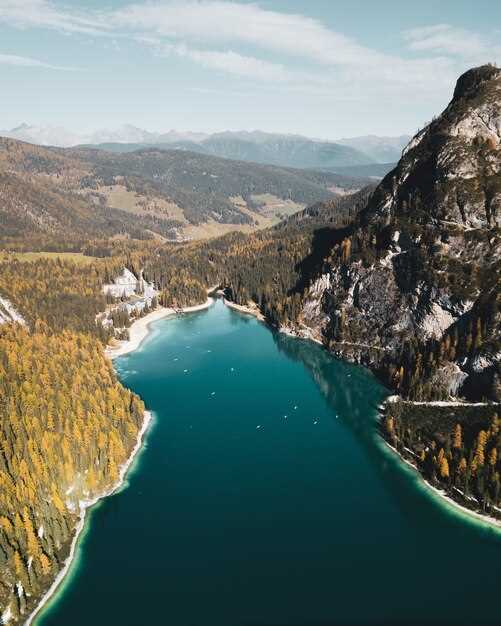 Yevropaning ajoyib geografik moʻjizalari – Eng yaxshi tabiiy diqqatga sazovor joylar">
Plan a sunrise visit to the Swiss Alps to see the peaks glow with first light and photograph serrated silhouettes above pine slopes.
Then travel along Norway’s fjords, where long glacial arms reach toward the sea. A quiet vessel cruise along the water reveals sheer rock faces and cascades that plunge into sheltered inlets.
In Croatia, Plitvice Lakes National Park presents layered terraces with turquoise pools linked by cascades, set among dense woods and a thriving avifauna along the paths.
Italy’s Dolomites and the Matterhorn offer alpine panoramas; pyramidal peaks rise above glacial valleys, inviting hikers to plan multi-day routes around high passes.
In Iceland, Gullfoss and nearby geothermal fields show a dynamic mix of ice and steam, while Vatnajökull holds vast ice that feeds rivers across the highlands.
Practical tips: visit early, wear sturdy footwear, and allocate a couple of hours for each site to enjoy clear views and quiet moments.
Gouffre Berger, France: Practical Guide to Exploring Europe’s Deepest Cave
Plan your descent with a licensed guide; youll need a booking and a safety briefing before entering Gouffre Berger. Referred to as Europe’s deepest cave, Gouffre Berger in France’s Isère region offers a completely subterranean world where the interior unfolds through a sequence of shafts and dimly lit galleries. The surface approach is simple, but the exploration inside demands focus, steady rhythm, and respect for the cave’s delicate balance. The scenery above ground remains picturesque, with birds circling above the entrance as you prepare; the underground passages reveal a powerful, great contrast that leaves visitors marveling.
Gear list: helmet with secure chin strap; headlamp with two back-up sources; sturdy boots with grip; a durable harness and rope kit; warm, moisture-wicking layers; a waterproof shell; and a small pack with water and snacks. youll carry a spare light, batteries, and a compact first-aid kit inside. Guides handle fixed lines and anchors; do not improvise. With proper conditioning and rope techniques, the descent to the largest sections can take most of a day; pace yourself and listen to your guide.
The interior features dimly lit galleries, underground lakes, and the constant hum of running water. The route may require wading through shallow pools and careful footwork through slick rock. Falls create echoes that sharpen eyes and contribute to the sense of scale; the space feels powerful yet open and simple in some sections, while hiding complex passage networks elsewhere. Visitors should remain respectful of the environment, keep hands free for rope work, and listen to the guide’s instructions. For some, the textures on mineral formations evoke lascaux-like patterns, a curious link between prehistoric art and modern exploration; marveling at this contrast helps you feel how humans have used cave spaces across the ages.
Getting there: take a train to a nearby French town, then a short bus ride or taxi to the trailhead. A single day trip is common for experienced groups, but many visitors prefer an overnight stay in a nearby village to allow for a calm start and exit before fatigue sets in. The entrance is modest, but the descent below ground is anything but; plan for a full-day schedule, and respect the opening times and safety rules provided by your guide, because the cave is dynamic and weather-dependent. Local guides, including a veteran named lovech, help newcomers with pacing, rope handling, and how to read cave signs.
Location specifics: Gouffre Berger’s geographical setting and access route
Begin with a licensed guide and enter Gouffre Berger only with a full team and proper gear. Inside the limestone cavity, the initial chamber opens into a wide passage and a tall shaft, delivering a spectacle that echoes the drama of the Matterhorn. Just as you step in, keep your headlamp bright and your pace deliberate, and respect fixed lines and rope sections. Padirac and Aggtelek are renowned centers in their own right, but Gouffre Berger centers on technical cave exploration in a way that demands coordinated teamwork and careful planning.
Location specifics: Gouffre Berger sits inside the Vercors limestone massif, within the Isère region of central France. The entrance lies just below a cliff on the plateau’s edge, inside a wooded hillside that frames a karst valley. The cave’s network formed as groundwater flowed through carbonate rock, eroding and expanding passages since the earth cooled. The system includes a deep cavity and a series of canyons and chambers, making it a landmark in European speleology and a full experience for skilled cavers–ahead of other famous examples such as Krubera, Mulino, Altamira, or larger cave complexes that show different karst dynamics.
Access route: Begin at the plateau trailhead above the valley and park at the designated pull-off, then follow a marked path that climbs to a saddle. From there, a short scramble leads down to the entrance; plan a 30–60 minute approach depending on conditions. Enter via the cleft and descend into the main passages with a guide; rope gear is required for vertical sections, and a helmet is mandatory. The longest vertical segments in the network require careful ropework and teamwork. Always check weather before you go, as rainfall can raise water levels below. For a safe, memorable experience, coordinate with a local speleological club, respect the environment, and use the center of your plan to understand how the earth’s flow has shaped these caves for generations.
Access, permits, and booking: steps to arrange a visit
Book online through the official park authority at least six weeks before your visit to secure entry permits and a specific time slot.
In regions like vatnajokull, many routes in protected zones require a guide and a permit; verify the rule for your chosen path with local authorities. If your plan includes a steep descent, ensure the guide is qualified for glacier terrain.
Consult the primary source of information on the park’s site or the national tourism portal to confirm which forms to submit and where to send them.
Lead times vary by season; summer slots fill quickly, so plan six to eight weeks ahead and note group size limits (often 8–12 participants per guide).
Prepare documents and gear; bring government ID, the permit receipt, weather-appropriate clothing, durable boots, a basic first-aid kit, and sun protection. youll want to keep the load light.
On the day, arrive early for check-in, present permits, and listen to the guide’s safety briefing. During the descent or ascent, follow the path markers and respect closures in place where necessary.
If you travel from ireland or majorca, plan buffer days for transfers and consider packages that connect multiple sights; you can align your stay with nearby places and hostels for easy access to the next site. The route often offers powerful scenery and adrenaline moments, with picturesque views that highlight the beauty of the region.
For curious visitors, some routes pass near paleolithic sites and even vilenica cave histories; guides may share greek myths to enrich the experience while you observe rock forms along the gorge.
Seasonal timing and conditions: when to plan your descent
Plan your descent in late spring or early autumn for most sites to balance daylight, weather stability, and crowd levels. For vatnajokull and other glaciers, expect variable wind and rapid weather shifts; this window keeps temps manageable and allows longer sunlit days without mid-summer meltwater floods. If forecasts shift, continue to monitor and adjust plans instead of forcing a descent into a risky slot.
Across the continent, microclimates demand site-specific timing: verdon’s south-facing cliffs warm up fast, target April–June or September–October; lamprechtsofen caves stay accessible with guided slots; capri’s sea-cliff experiences shine in late spring and early autumn when seas calm and suns arc lower for dramatic light. millions of light beams cross crystal walls, making ethereal moments. In borgio, coastal routes respond to wind and tides; in basilicata, pollino trails offer better conditions in May–September; you can continue planning with local guides for maximum safety.
| Site | Best Window (months) | Approx Daylight | Key Conditions | Gear & Access |
|---|---|---|---|---|
| vatnajokull | Mid-June to early September | 14–20 hours peak; wind risk possible | Glacier routes, crevasses, cold temps | First gear: helmet, crampons, ice axe; rope, harness; warm layers; waterproof boots; access requires permit |
| verdon | April–June and Sept–Oct | 12–14 hours in spring; heat possible in summer | Rugged limestone, potential floods in spring, sun exposure | Helmet, sturdy boots, rope systems; access through local guides; caution on wet ledges |
| lamprechtsofen | March–October (tours run year-round with schedules) | g‘or yoritilishiga qarab 10–12 soat | Efirsimon kristall tuzilmalar; g'orning doimiy harorati ~8–12 C | Dubulg'a, bosh chiroq, issiq kiyimlar; ekskursiya uchun joy band qiling; g'or ofisida ro'yxatdan o'ting |
| боржио вереззи | April–June and Sept–Oct | 12–16 soat | Janubga qaragan qirg'oq qoyalari; shamol va dengiz holati tushishga ta'sir qiladi | Kerak joylarda toqqa chiqish kamaridan; sohil boʻylab sayr qilish yoʻlaklari uchun qutqaruv yelekchasi; mahalliy ruxsatnoma orqali kirish |
| Kapri | Kapri | 12–14 soat; dengiz sharoitlari oʻzgaruvchan | Dengiz qoyalari manzaralari, parom aloqalari; odamlar eng ko'p yoz o'rtalarida bo'ladi | Dengiz kayaklari yoki qoyali yo'nalishlar gidni talab qiladi; yengil jabduq; quyoshdan himoya |
| pollino, bazilikata | May–September | 11–15 soat; quruq mavsum afzal | Togʻ yoʻlaklari; ob-havo tez oʻzgarishi mumkin; yovvoyi tabiat | Mustahkam etiklar, trekking tayoqlari, xaritalar; kerak boʻlganda ruxsatnoma; mahalliy reynjerlar orqali kirish |
Uskunalar, mashgʻulot va xavfsizlik: gʻorlarni oʻrganish boʻyicha maslahatlar
Har bir tushishdan oldin dubulg'angiz, bosh chirog'ingiz va zaxira batareyalaringizni tekshiring; o'zini dramatik tarzda namoyon qiladigan yer osti yo'laklari uchun ishonchli yorug'lik manbai juda muhim.
Nam joylarda ko‘lmak ko‘llarni suzib o‘tishga to‘g‘ri keladi; elektronika uchun quruq xalta, cho‘milish kostyumi va almashtirish uchun kiyim olib keling. Yaxshi tortishishga ega mustahkam poyabzal kiying va zaxira paypoqlarni suv o‘tkazmaydigan xaltada saqlang; suvdan chiqqaningizda artinish uchun kichik sochiq olib yuring.
- Xavfsiz jag' bog'ichiga ega dubulg'a va agar mavjud bo'lsa, yuz qalqoni varianti
- Asosiy chiroq va ikkita zaxira chiroq; suv o'tkazmaydigan akkumulyator paketlari va qo'shimcha akkumulyatorlar
- Marshrutga mos arqon yoki mahkamlangan arqon; yangi boshlanuvchilar uchun 20–30 m uzunlik ko'plab vertikallarni qoplaydi
- Mustahkam g'or poyabzallari yoki yaxshi ushlovchi trekking etiklari va tizza himoyasi
- Elektronika, hujjatlar va qo'shimcha kiyimlar uchun suv o'tkazmaydigan sumkalar
- Qishki g'orlar uchun iliq qatlam va shamol esadigan joylar uchun yengil qobiq
- Birinchi yordam to'plami, hushtak va suv o'tkazmaydigan xarita yoki oflayn navigator
- Oʻtish kengliklari, balandliklar va langar nuqtalarini oʻlchash uchun oʻlchov tasmasi yoki arqon
- Yo'lingizni belgilash uchun marker lenta yoki bo'r va qaydlar uchun kichik daftar
Mashg'ulotlar amaliy va bosqichma-bosqich bo'lishi kerak. Malakali yo'lboshchi bilan tan olingan g'or xavfsizligi kursini o'ting, sherik tekshiruvlarini o'tkazing va signallar, ortga qaytish vaqti va favqulodda vaziyat tartiblari haqida kelishib oling. Avval quruq joylarda, keyin yorug' nam joylarda mashq qiling va nihoyat nazorat ostida vertikal tushishni simulyatsiya qiling. Boshlashdan oldin, yo'lboshchingiz bilan marshrutni ko'rib chiqing, marshrut bo'ylab bir nechta chiqish variantlarini tasdiqlang va har bir segment uchun real vaqt byudjetini belgilang. Xotirjam ritmni yaratish uzoq g'or kunida energiya va diqqatni jamlashga yordam beradi.
Mavsumiy rejalashtirish muhim. Qishda sovuq suv va haroratning tez o'zgarishidan saqlaning; ta'sirni cheklang va qo'shimcha issiq qatlamlarni rejalashtiring. Yozda gidratatsiya, kirishdan oldin quyosh ta'sirini rejalashtiring va charchoqni kuzating. Har doim to'liq ishonadigan rejangiz bo'lsin; rejangiz haqida hamrohlaringizni xabardor qiling va uni gid bilan tasdiqlang. Gruziya va boshqa karst hududlarida ob-havo g'orga kirish va suv sathiga ta'sir qiladi; mos ravishda jihozlarni sozlang.
Mashhur joylarda kontekst muhim. Ba’zi g‘orlar YUNESKO ro‘yxatiga kiritilgan hududlarda joylashgan va mahalliy qoidalar ruxsatnomalar yoki gid bilan kirishni talab qilishi mumkin. Karvoyroning sohilida joylashgan qirg‘oq bo‘yi dengiz g‘orlari suv ko‘tarilishi haqida xabardor bo‘lishni va eroziyaga hurmat bilan qarashni talab qiladi; nozik shakllanishga zarar yetkazmaslik uchun belgilangan yo‘llarda qoling. Lasko kabi g‘orlar bizga kuchli geologiya va tashrif buyuruvchilar hamda tadqiqotchilarni birdek o‘ziga jalb qiluvchi dramatik toshlari bilan vaqt o‘tishi bilan ham o‘ziga rom etishini eslatadi. Gruziyada turli g‘or muhitlari xavflarni o‘lchay oladigan va xavfsizlik bo‘yicha maslahatlar bera oladigan tajribali gid bilan kashf qilishga chorlaydi. Aslida, g‘orlar qadimgi insoniyat tarixi bilan bog‘liq bo‘lib, vaqt o‘tishi bilan har bir ekspeditsiya tashrif buyuruvchilar uchun mazmunli tajriba bo‘ladi.
Yaqin atrofdagi diqqatga sazovor joylar va sayohat g'oyalari: Yevropa g'oringiz marshrutini kengaytirish
Sloveniyadagi Postoyna g'ori bilan boshlang, u yerda juda samarali tanishuv mavjud: millionlab stalaktit va stalagmitlarni joylashtirgan yoritilgan ohaktosh jinslari bo'ylab 90 daqiqadan sal ko'proq vaqt davomida sayohat, undan so'ng zallar orasida qisqa poyezd sayohati. Kontrastni his qilish uchun yetarli vaqt.
Shundan so'ng, janubga, Bazilikataga, Pertosa-Auletta g'orlariga boring, u yerda 60 daqiqalik qayiqda sayohat karst tizimi orqali daryodan o'tadi; yoritilgan xonalar tuproq rangli toshlarni ochib beradi, stalaktitlar esa shiftdan chiroqlar kabi osilib turadi.
Xuddi shu hududda siz gigant g'or (Grotta Gigante)ga tashrif buyurib, miqyosni solishtirishingiz mumkin: millionlab yillar davomida hosil bo'lgan ustunlar bilan qad rostlagan ulkan xona, keng yo'laklar va yorug', yaxshi yoritilgan atmosfera bilan bog'langan.
Keyingi, shimolga Islandiyaga o'ting va Vatnayokull ostidagi muz g'orlarini o'rganing. Muzlagan devorlar ko'k qirralarda quyosh nurini aks ettiradi va gidlar sizni 2-3 soat davomida yoritilgan tunellar bo'ylab olib borib, eng baland muz tuzilmalari va yer bilan muz o'rtasidagi hayratlanarli kontrastni ta'kidlaydi.
Fransiya mashhur boʻlgan Padirak jarligini taklif etadi, u yerda lift sizni boʻshliqqa olib tushadi va qayiq yer osti daryosi boʻylab toʻq sariq va oq rangda yoritilgan toshlar ostidan suzib oʻtadi. Bu joy yaqin atrofdagi gʻorlarni va yer ustidagi Gouffre hududini oʻrganish bilan yaxshi mos keladi.
Nihoyat, rejaga Gretsiya orollarida dam olishni ham qo'shing. Gretsiya qirg'oqlari dengiz qoyalari va orol qo'ltiqlari orasida dengiz g'orlarini yashiradi; qirg'oq va g'orlarni shakllantiruvchi suvda quyosh nurini va karst xususiyatlarini his qilish uchun paromlar, qisqa qayiq sayohatlari va qirg'oq bo'ylab sayrlarni birlashtira olasiz.