


 Polski
  English (UK)
  Русский
  বাংলা
বাংলা  العربية
  日本語
日本語  한국어
한국어  Magyar
  Norsk nynorsk
  Türkçe
  עִבְרִית
  Español
  Čeština
  Svenska
  Português
  Ελληνικά
  Suomi
Suomi  Nederlands
  Română
  Italiano
  Français
  Українська
  Deutsch
  简体中文
简体中文  Slovenčina
  Српски језик
  اردو
اردو  Azərbaycan dili
  O‘zbekcha
  አማርኛ
አማርኛ 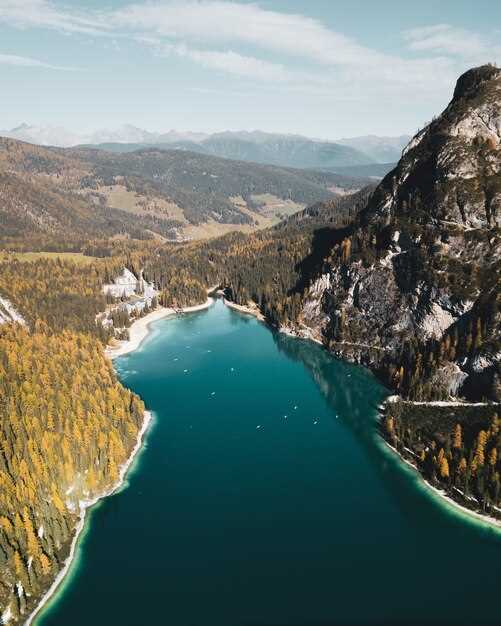 Spektakularne cuda geograficzne Europy – Najważniejsze naturalne punkty orientacyjne">
Plan a sunrise visit to the Swiss Alps to see the peaks glow with first light and photograph serrated silhouettes above pine slopes.
Then travel along Norway’s fjords, where long glacial arms reach toward the sea. A cicho vessel cruise along the water reveals sheer rock faces and cascades that plunge into sheltered inlets.
In Croatia, Plitvice Lakes National Park presents layered terraces with turquoise pools linked by cascades, set among dense woods and a thriving avifauna along the paths.
Italy’s Dolomites and the Matterhorn offer alpine panoramas; pyramidal peaks rise above glacial valleys, inviting hikers to plan multi-day routes around high passes.
In Iceland, Gullfoss and nearby geothermal fields show a dynamic mix of ice and steam, while Vatnajökull holds vast ice that feeds rivers across the highlands.
Praktyczne wskazówki: visit early, wear sturdy footwear, and allocate a couple of hours for each site to enjoy clear views and quiet moments.
Gouffre Berger, France: Practical Guide to Exploring Europe’s Deepest Cave
Plan your descent with a licensed guide; youll need a booking and a safety briefing before entering Gouffre Berger. Referred to as Europe’s deepest cave, Gouffre Berger in France’s Isère region offers a completely subterranean world where the interior unfolds through a sequence of shafts and dimly lit galleries. The surface approach is simple, but the exploration inside demands focus, steady rhythm, and respect for the cave’s delicate balance. The scenery above ground remains picturesque, with birds circling above the entrance as you prepare; the underground passages reveal a powerful, great contrast that leaves visitors marveling.
Gear list: helmet with secure chin strap; headlamp with two back-up sources; sturdy boots with grip; a durable harness and rope kit; warm, moisture-wicking layers; a waterproof shell; and a small pack with water and snacks. youll carry a spare light, batteries, and a compact first-aid kit inside. Guides handle fixed lines and anchors; do not improvise. With proper conditioning and rope techniques, the descent to the largest sections can take most of a day; pace yourself and listen to your guide.
The interior features dimly lit galleries, underground lakes, and the constant hum of running water. The route may require wading through shallow pools and careful footwork through slick rock. Falls create echoes that sharpen eyes and contribute to the sense of scale; the space feels powerful yet open and simple in some sections, while hiding complex passage networks elsewhere. Visitors should remain respectful of the environment, keep hands free for rope work, and listen to the guide’s instructions. For some, the textures on mineral formations evoke lascaux-like patterns, a curious link between prehistoric art and modern exploration; marveling at this contrast helps you feel how humans have used cave spaces across the ages.
Getting there: take a train to a nearby French town, then a short bus ride or taxi to the trailhead. A single day trip is common for experienced groups, but many visitors prefer an overnight stay in a nearby village to allow for a calm start and exit before fatigue sets in. The entrance is modest, but the descent below ground is anything but; plan for a full-day schedule, and respect the opening times and safety rules provided by your guide, because the cave is dynamic and weather-dependent. Local guides, including a veteran named lovech, help newcomers with pacing, rope handling, and how to read cave signs.
Location specifics: Gouffre Berger’s geographical setting and access route
Begin with a licensed guide and enter Gouffre Berger only with a full team and proper gear. Inside the limestone cavity, the initial chamber opens into a wide passage and a tall shaft, delivering a spectacle that echoes the drama of the Matterhorn. Just as you step in, keep your headlamp bright and your pace deliberate, and respect fixed lines and rope sections. Padirac and Aggtelek are renowned centers in their own right, but Gouffre Berger centers on technical cave exploration in a way that demands coordinated teamwork and careful planning.
Location specifics: Gouffre Berger sits inside the Vercors limestone massif, within the Isère region of central France. The entrance lies just below a cliff on the plateau’s edge, inside a wooded hillside that frames a karst valley. The cave’s network formed as groundwater flowed through carbonate rock, eroding and expanding passages since the earth cooled. The system includes a deep cavity and a series of canyons and chambers, making it a landmark in European speleology and a full experience for skilled cavers–ahead of other famous examples such as Krubera, Mulino, Altamira, or larger cave complexes that show different karst dynamics.
Access route: Begin at the plateau trailhead above the valley and park at the designated pull-off, then follow a marked path that climbs to a saddle. From there, a short scramble leads down to the entrance; plan a 30–60 minute approach depending on conditions. Enter via the cleft and descend into the main passages with a guide; rope gear is required for vertical sections, and a helmet is mandatory. The longest vertical segments in the network require careful ropework and teamwork. Always check weather before you go, as rainfall can raise water levels below. For a safe, memorable experience, coordinate with a local speleological club, respect the environment, and use the center of your plan to understand how the earth’s flow has shaped these caves for generations.
Access, permits, and booking: steps to arrange a visit
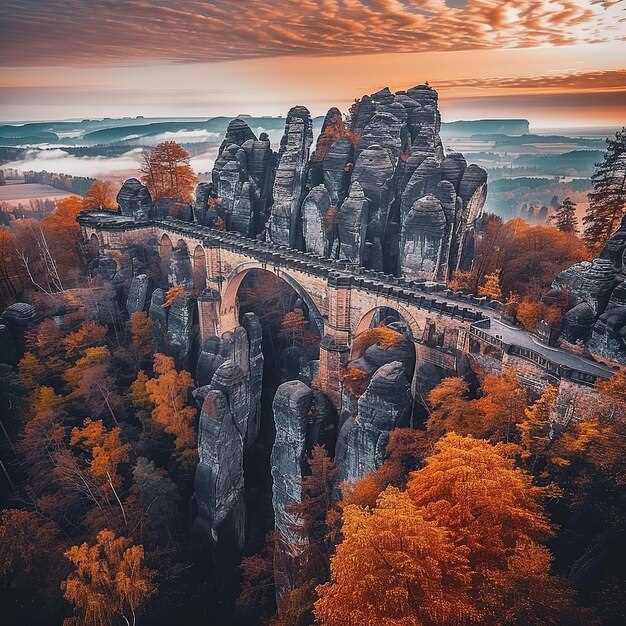
Book online through the official park authority at least six weeks before your visit to secure entry permits and a specific time slot.
In regions like vatnajokull, many routes in protected zones require a guide and a permit; verify the rule for your chosen path with local authorities. If your plan includes a steep descent, ensure the guide is qualified for glacier terrain.
Consult the primary source of information on the park’s site or the national tourism portal to confirm which forms to submit and where to send them.
Lead times vary by season; summer slots fill quickly, so plan six to eight weeks ahead and note group size limits (often 8–12 participants per guide).
Prepare documents and gear; bring government ID, the permit receipt, weather-appropriate clothing, durable boots, a basic first-aid kit, and sun protection. youll want to keep the load light.
On the day, arrive early for check-in, present permits, and listen to the guide’s safety briefing. During the descent or ascent, follow the path markers and respect closures in place where necessary.
If you travel from ireland or majorca, plan buffer days for transfers and consider packages that connect multiple sights; you can align your stay with nearby places and hostels for easy access to the next site. The route often offers powerful scenery and adrenaline moments, with picturesque views that highlight the beauty of the region.
For curious visitors, some routes pass near paleolithic sites and even vilenica cave histories; guides may share greek myths to enrich the experience while you observe rock forms along the gorge.
Seasonal timing and conditions: when to plan your descent
Plan your descent in late spring or early autumn for most sites to balance daylight, weather stability, and crowd levels. For vatnajokull and other glaciers, expect variable wind and rapid weather shifts; this window keeps temps manageable and allows longer sunlit days without mid-summer meltwater floods. If forecasts shift, continue to monitor and adjust plans instead of forcing a descent into a risky slot.
Across the continent, microclimates demand site-specific timing: verdon’s south-facing cliffs warm up fast, target April–June or September–October; lamprechtsofen caves stay accessible with guided slots; capri’s sea-cliff experiences shine in late spring and early autumn when seas calm and suns arc lower for dramatic light. millions of light beams cross crystal walls, making ethereal moments. In borgio, coastal routes respond to wind and tides; in basilicata, pollino trails offer better conditions in May–September; you can continue planning with local guides for maximum safety.
| Strona | Best Window (months) | Approx Daylight | Key Conditions | Gear & Access |
|---|---|---|---|---|
| vatnajokull | Mid-June to early September | 14–20 hours peak; wind risk possible | Glacier routes, crevasses, cold temps | First gear: helmet, crampons, ice axe; rope, harness; warm layers; waterproof boots; access requires permit |
| verdon | April–June and Sept–Oct | 12–14 hours in spring; heat possible in summer | Rugged limestone, potential floods in spring, sun exposure | Helmet, sturdy boots, rope systems; access through local guides; caution on wet ledges |
| lamprechtsofen | March–October (tours run year-round with schedules) | 10–12 godzin, w zależności od oświetlenia jaskini | Eteryczne formacje kryształowe; stała temperatura w jaskini ~8–12 C | Kask, czołówka, ciepłe warstwy; rezerwuj przewodnika z wyprzedzeniem; zameldowanie w biurze jaskini. |
| borgio verezzi | April–June and Sept–Oct | 12–16 godzin | Klify nadmorskie o ekspozycji południowej; na zejście wpływa wiatr i stan morza | Uprząż wspinaczkowa tam, gdzie wymagana; kamizelka ratunkowa na szlaki przybrzeżne; dostęp za okazaniem lokalnego zezwolenia. |
| Capri | Capri | 12–14 godzin; warunki na morzu zmienne | Widoki na klify, połączenia promowe; szczyt natężenia ruchu przypada na środek lata | Kajaki morskie lub trasy klifowe wymagają przewodnika; lekka uprząż; ochrona przed słońcem |
| Pollino, Basilicata | Maj–wrzesień | 11–15 godzin; preferowana pora sucha | Szlaki górskie; nagłe zmiany pogody; dzika przyroda | Solidne buty, kijki trekkingowe, mapy; pozwolenie w razie potrzeby; dostęp przez lokalnych strażników. |
Sprzęt, trening i bezpieczeństwo: porady dotyczące eksploracji jaskiń
Sprawdź kask, czołówkę i zapasowe baterie przed każdym zejściem; niezawodne źródło światła jest kluczowe w podziemnych przejściach, które ujawniają się w dramatyczny sposób.
W mokrych miejscach spodziewaj się przeprawy wpław przez rozlewiska; zabierz wodoszczelną torbę na elektronikę, strój kąpielowy i ubranie na zmianę. Miej solidne obuwie z dobrą przyczepnością i trzymaj zapasowe skarpety w wodoodpornym woreczku; noś ze sobą mały ręcznik do wytarcia się po wyjściu na powierzchnię.
- Kask z bezpiecznym paskiem pod brodą i opcjonalną osłoną twarzy, jeśli jest dostępna
- Główna latarka czołowa plus dwie zapasowe; wodoodporne zestawy akumulatorów i dodatkowe baterie.
- Lina lub lina stała odpowiednia do trasy; dla początkujących, długość 20–30 m wystarcza na wiele pionowych odcinków
- Solidne buty speleologiczne lub buty trekkingowe z dobrą przyczepnością oraz ochraniacze na kolana
- Wodoszczelne worki na elektronikę, dokumenty i dodatkową odzież
- Ciepła warstwa do zimowych jaskiń i lekka powłoka do stref chłodu wiatru
- Apteczka pierwszej pomocy, gwizdek i wodoodporna mapa lub nawigacja offline
- Taśma miernicza lub sznur do mierzenia szerokości przejść, spadków i punktów kotwiczenia
- Taśma markerowa lub kreda do oznaczania trasy i mały notatnik z notatkami
Szkolenie powinno być praktyczne i stopniowe. Weź udział w uznanym kursie bezpieczeństwa jaskiniowego z wykwalifikowanym przewodnikiem, przeprowadzajcie wzajemne kontrole partnerskie i ustalcie sygnały, czas odwrotu oraz procedury awaryjne. Ćwicz najpierw w suchych odcinkach, potem w lekko mokrych obszarach, a na koniec zasymuluj pionowe zejście pod nadzorem. Przed rozpoczęciem omów trasę z przewodnikiem, potwierdź wiele opcji wyjścia na całej trasie i ustal realistyczny budżet czasowy dla każdego segmentu. Stworzenie spokojnego rytmu pomaga zarządzać energią i utrzymać koncentrację podczas długiego dnia w jaskini.
Planowanie sezonowe ma znaczenie. Zimą chroń się przed zimną wodą i gwałtownymi zmianami temperatury; ogranicz ekspozycję i zaplanuj dodatkowe ciepłe warstwy. Latem planuj nawodnienie, ekspozycję na słońce przed wejściem i monitoruj zmęczenie. Zawsze miej plan, któremu całkowicie ufasz; poinformuj towarzyszy o swoim planie i potwierdź go z przewodnikiem. W Gruzji i innych regionach krasowych pogoda wpływa na dostęp do jaskiń i poziom wody; odpowiednio dostosuj sprzęt.
W słynnych miejscach kontekst ma znaczenie. Niektóre jaskinie znajdują się na obszarach wpisanych na listę unesco, a lokalne przepisy mogą wymagać pozwoleń lub dostępu z przewodnikiem. Na wybrzeżu Carvoeiro nadmorskie jaskinie morskie wymagają świadomości pływów i poszanowania erozji; trzymaj się wyznaczonych ścieżek, aby nie zakłócać delikatnych formacji. Jaskinie takie jak Lascaux przypominają nam, że zachwycają na przestrzeni czasu, a potężna geologia i dramatyczne kamienie przyciągają zarówno turystów, jak i badaczy. W Gruzji różne środowiska jaskiniowe zachęcają do eksploracji z doświadczonym przewodnikiem, który może oszacować ryzyko i udzielić wskazówek dotyczących bezpieczeństwa. W rzeczywistości jaskinie łączą się ze starożytnymi ludzkimi historiami, dzięki czemu każda wyprawa w czasie jest dla odwiedzających znaczącym przeżyciem.
Pobliskie atrakcje i pomysły na wycieczki: poszerzanie planu zwiedzania europejskich jaskiń
Zacznij od Jaskini Postojnej w Słowenii, gdzie czeka na Ciebie bardzo efektywne wprowadzenie, dostępne tutaj: nieco ponad 90-minutowy spacer z przewodnikiem przez oświetlone wapienne skały, w których mieszczą się miliony stalaktytów i stalagmitów, po którym następuje krótka przejażdżka pociągiem między salami. W sam raz, aby rozkoszować się kontrastem.
Następnie udaj się na południe, do Basilicaty, by zwiedzić jaskinie Pertosa-Auletta, gdzie 60-minutowa wycieczka łodzią prowadzi rzeką przez system krasowy; oświetlone komory odsłaniają skały w odcieniach ziemi, a stalaktyty zwisają z sufitu niczym lampiony.
W tym samym regionie można również odwiedzić Jaskinię Gigantyczną (Grotta Gigante), aby ocenić skalę: imponującą komnatę z kolumnami formowanymi przez miliony lat, połączoną szerokimi przejściami i charakteryzującą się jasną, dobrze oświetloną atmosferą.
Następnie przemieść się na północ, do Islandii, i odkryj jaskinie lodowe pod lodowcem Vatnajökull. Zamrożone ściany odbijają światło słoneczne w niebieskich fasetach, a przewodnicy prowadzą przez oświetlone tunele przez 2–3 godziny, prezentując najwyższe formacje lodowe i zapierający dech w piersiach kontrast między ziemią a lodem.
Francja oferuje Gouffre de Padirac, słynną przepaść, gdzie winda opuszcza Cię w pustkę, a łódź płynie podziemną rzeką pod skałami, które lśnią w pomarańczowym i białym oświetleniu. Ten przystanek idealnie łączy się z dniem spędzonym na zwiedzaniu pobliskich jaskiń i obszaru Gouffre na powierzchni.
Na koniec wpleć w plan wycieczkę na grecką wyspę. Greckie wybrzeże kryje jaskinie morskie między klifami i zatokami wysp; możesz połączyć przeprawy promami, krótkie rejsy łodziami i spacery po lądzie, by rozkoszować się słońcem na wodzie i formami krasowymi kształtującymi zarówno wybrzeże, jak i jaskinie.