


 اردو
اردو  English (UK)
  Русский
  বাংলা
বাংলা  العربية
  日本語
日本語  한국어
한국어  Magyar
  Norsk nynorsk
  Türkçe
  עִבְרִית
  Español
  Čeština
  Svenska
  Português
  Ελληνικά
  Suomi
Suomi  Nederlands
  Română
  Italiano
  Français
  Polski
  Українська
  Deutsch
  简体中文
简体中文  Slovenčina
  Српски језик
  Azərbaycan dili
  O‘zbekcha
  አማርኛ
አማርኛ 
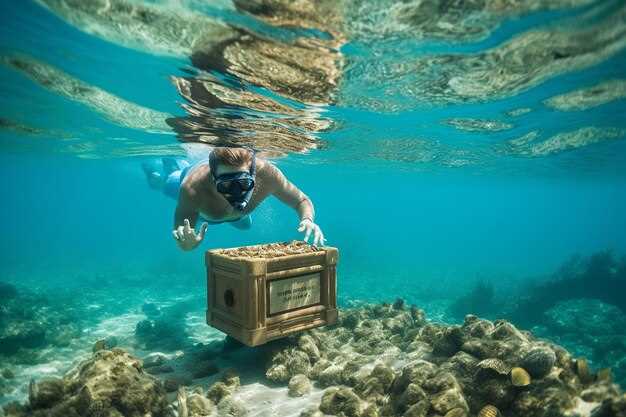
The Great Barrier Reef, located off the eastern coasts of Australia, is an extraordinary example of nature’s beauty and biodiversity. Stretching over 2,300 kilometers, this remarkable ecosystem is home to thousands of species, including vibrant coral reefs, diverse fish communities, and abundant marine life. As a custodian of this underwater paradise, the local communities and environmental specialists have implemented various practices aimed at sustaining and improving the reef’s health amidst the challenges posed by climate change and tourist activity.
In recent years, the health of the Great Barrier Reef has been under threat, with alarming reports indicating a decline in coral cover due to rising ocean temperatures, pollution, and limited sustainable practices. Efforts to create action plans and reduce detrimental impacts are crucial for preserving the delicate balance of this marine web. The reef is not merely a tourist destination; it serves a significant purpose for locals, contributing to their livelihoods while also embodying an incredible living laboratory for visitors and researchers alike.
Throughout this guide, we will explore distinct parts of the Great Barrier Reef, from its northern islands to the southern sections that showcase remarkable biodiversity and stunning landscapes. We will highlight routes that visitors can take to discover the wonders of this underwater world and provide insights into the various activities that support sustainability and enhance the overall tourist experience. By engaging with the realities faced by the reef and the communities that depend on it, we hope to inspire a deeper connection between travelers and this incredible natural treasure.
Impact of Climate Change on Coral Reefs
The Great Barrier Reef, a UNESCO World Heritage Site, is experiencing drastic changes due to climate change. The impacts are multifaceted and affect various sections of the ecosystem. Rising ocean temperatures are causing coral bleaching, which occurs when corals expel the symbiotic algae that give them color and nutrients. This process not only leads to lost biodiversity but also weakens the entire reef structure, making it more susceptible to diseases and external stresses.
Another critical issue is the increased levels of carbon dioxide in the atmosphere, which result in ocean acidification. This phenomenon affects the ability of corals to build their calcium carbonate skeletons, ultimately leading to a detrimental decrease in reef formation. Studies have shown that by the end of the century, many coral reefs could be in a state of poor health if current trends continue, causing significant repercussions on local societies that rely on reefs for food, tourism, and their spiritual connection to nature.
Pollutants from nearby lands also contribute to the problem. Non-point source pollution, caused by sedimentation and nutrients like phosphorus from agricultural runoff, harms water quality and increases harmful algal blooms. These pollutants disrupt native marine life and further threaten the delicate balance of the ecosystem. Consequently, managing these environmental pressures is crucial for the preservation of the Great Barrier Reef.
Locals and environmental organizations are advocating for the protection of this invaluable ecosystem, supporting various management systems and initiatives, including the GBRMPA (Great Barrier Reef Marine Park Authority) and GBRWHA (Great Barrier Reef World Heritage Area). Efforts are underway to improve awareness and policies that aim to lower the impact of climate change. Regular updates on the reef’s health provide society with essential maps and data to understand the regions most affected by climate change.
The ongoing debate continues regarding the best strategies for carbon reduction and reef management, highlighting the urgency of these issues. As we step into the future, the need for collective action is clear; our reliance on the Great Barrier Reef necessitates a unified approach to ensure its survival for generations to come. By discovering sustainable practices and endorsing responsible tourism, we can work towards a healthier environment that honors both the scientific and spiritual value of this natural wonder.
How Rising Temperatures Affect Coral Reefs

Rising ocean temperatures have a significant impact on coral reefs, causing detrimental effects that threaten these underwater ecosystems. The earliest signs of stress in coral populations, such as bleaching, can be directly linked to higher water temperatures. As temperature rises, corals expel the algae (zooxanthellae) that live in their tissues, leading to a loss of color and essential nutrients.
This mass bleaching event reduces biodiversity, affecting the entire marine food web. For example, a decline in coral health can lead to decreased populations of fish and other marine species that rely on coral reefs for habitat and food. Regions adjacent to the Great Barrier Reef are no exception, witnessing a significant reduction in marine life as a result of these changes.
The long-term effects of rising temperatures can be seen in shifts in species distribution, as marine life tends to move to cooler waters. Such shifts can reduce the number of visitors to specific tourist sites, negatively impacting local economies that rely on maritime tourism. Regulatory measures have been implemented to conserve the reef, but further action is essential to mitigate these impacts.
Additionally, these rising temperatures can lead to increased sedimentation and toxic algal blooms, further stressing coral systems. Mangrove forests, which help stabilize coastal regions, may also be impacted, affecting their ability to provide a buffer against extreme weather events. Sustainable trips to the reef must consciously join efforts to protect these fragile ecosystems.
To truly conserve coral reefs, it is essential to understand the data surrounding these environmental changes. The value of coral reefs extends beyond their beauty; they provide critical services, including shoreline protection and supporting local fisheries. In a way, every step taken towards reducing carbon emissions can also be a step toward preserving these underwater paradises for future generations.
The Role of Ocean Acidification in Coral Bleaching
Ocean acidification is a significant factor affecting the health of coral reefs. It occurs when carbon dioxide (CO2) from the atmosphere dissolves in ocean water, forming carbonic acid. This process lowers the pH of seawater, making it more acidic, which inhibits corals’ ability to grow and maintain their calcium carbonate structures. The implications of this are dire for reef ecosystems, which are vital for numerous marine species, including fish, sharks, and dugongs.
The selection of coral species that can survive in these changing conditions is becoming increasingly important. Studies have stated that certain corals are more resilient to acidification, but overall, the decline in coral health can be linked directly to this phenomenon. Higher levels of acidification result in poorer growth rates and reduced spawning success. Consequently, areas with significant declines in coral cover are being identified across the Great Barrier Reef.
Management strategies must address not only ocean acidification but also additional pressures such as overfishing and pollution, including plastic waste and mercury contamination. As it stands, coral reefs are under considerable threat, making their protection crucial. The Commonwealth and local operators have been actively seeking improvement in conservation efforts.
A recent report by Michael Parnell highlighted that the survival of reef-associated animal species is reliant on the health of seagrasses, which are directly impacted by acidification. These habitats provide essential substrate for young fish and contribute to the overall value of the ecosystem. Sadly, the improvement of coral health is still a work in progress, requiring dedicated efforts to reverse the negative trends observed.
| Factors Affecting Coral Health | اثر |
|---|---|
| Ocean Acidification | Inhibits coral growth and resilience |
| Overfishing | Reduces fish populations necessary for reef dynamics |
| Plastic Pollution | Affects overall reef health and biodiversity |
| Mercury Contamination | Threatens marine life and human health |
The future of the Great Barrier Reef and its associated ecosystems hinges on the collaborative efforts of all stakeholders involved. Identifying effective management practices and fostering awareness among local communities is vital for extending the lifespan of these underwater wonders.
Effects of Climate Change on Marine Biodiversity
The Great Barrier Reef is a stunning representation of nature’s underwater paradise, but it is facing significant challenges due to climate change. These changes have a profound impact on marine biodiversity, threatening various forms of life within this ecosystem.
Several activities contribute to climate change, including increased pollution and greenhouse gas emissions. The rise in water temperatures affects the delicate balance of marine life, particularly atolls and coral reefs. Some key impacts include:
- Coral bleaching: Higher temperatures cause coral to expel the algae that live in symbiosis with them, leading to bleaching and increased vulnerability.
- Acidification: The absorption of excess CO2 by oceans reduces water pH levels, which in turn affects the ability of marine organisms to build shells, impacting entire food chains.
- Changes in species distribution: Warmer waters drive fish and other marine species to migrate towards cooler areas, often towards the eastern coastline or more temperate environments.
Understanding these impacts is a priority for local islander communities and maritime programs. Research, including studies by CSIRO, has emphasized the need for immediate action to mitigate these threats. Key steps include:
- Promoting sustainable tourism practices that minimize human impact on marine ecosystems.
- Implementing pollution controls to reduce the amount of mercury and other harmful substances entering the water.
- Establishing protected marine areas to safeguard critical habitats and species.
Your involvement as tourists, families, and individuals is crucial. Examples of positive actions you can take include:
- Participating in local conservation efforts and beach clean-ups.
- Choosing eco-friendly products and supporting initiatives that aim to restore eroding coastlines.
- Educating others about the significance of preserving marine biodiversity for future generations.
The long-term outlook for the Great Barrier Reef relies on collective efforts to combat climate change. The time to act is now, as the future of this spectacular marine biodiversity truly depends on our actions today.
Future Predictions for the Great Barrier Reef
The outlook for the Great Barrier Reef remains a subject of intense scientific scrutiny and debate. Recent شائع کردہ studies have indicated that, without immediate and significant action, the reef’s ecosystems may suffer drastic changes due to climate interference and pollution. Citizens and researchers alike have raised alarms over the ongoing challenges faced by local habitats, including the killing of vital species such as ڈگونگ اور تنزلی سی گراس گھاس کے میدان۔.
ماہی گیری، سیاحت اور زراعت کو باقاعدہ بنانے کی کوششیں کوئینزلینڈ متنوع جنگلی حیات کے تحفظ کے لیے خطے کو ترجیح دی جا رہی ہے۔ مزید براں، تحقیقی ادارے جیسے کہ کیمبرج اور ہوگ-گلڈبرگ ہم اہم مسکنات اور ان کی صحت کی تفصیلی نقشہ جات پر کام کر رہے ہیں، جس کا مقصد تحفظ کے لیے واضح فریم ورک فراہم کرنا ہے۔ تاہم، بیرونی عوامل، جیسے پلاسٹک فضلہ اور نکل کان کنی کی مداخلت، ان مثبت انتظامات کو مسلسل چیلنج کر رہی ہے۔.
مرجانی چٹان کے مختلف علاقے تنزلی کی مختلف شرحوں کا سامنا کر رہے ہیں، جس کی وجہ سے ریگولیٹری فریم ورکس میں مخصوص انتظامات کا مطالبہ کیا گیا ہے۔ کچھ علاقے کورل بلیچنگ کے واقعات سے متاثر ہوئے ہیں، جبکہ دیگر زیادہ لچکدار ہیں۔ انسٹی ٹیوٹ علوم بحریہ تباہ شدہ علاقوں کی بحالی کے لیے مختلف راستے تلاش کر رہی ہے، بشمول تعارف کرانا۔ مینگرو دوبارِه لگانا اور بگلا نیسٹنگ پروجیکٹس۔.
علاقائی باشندوں اور تھرڈ پارٹی تنظیموں کا تعاون بہت اہم ہے۔ کمیونٹی پر مبنی اقدامات کا اعلان کیا گیا ہے جس کا مقصد ریف کے تحفظ میں فعال طور پر حصہ لینے کے لیے سیاحوں اور محققین کے ساتھ مل کر کام کرنا ہے۔ تاہم، مستقبل قریب میں مؤثر اقدامات کے بغیر، گریٹ بیریئر ریف، موسمیاتی تبدیلیوں، انسانی سرگرمیوں اور جاری ماحولیاتی دباؤ کی وجہ سے بڑی حد تک ناقابل شناخت ہو سکتی ہے۔.
یہ امید کی جاتی ہے کہ مسلسل تحقیق اور اجتماعی شرکت اس قدرتی عجوبے کے لیے ایک پائیدار مستقبل کو یقینی بنانے کے لیے ضروری اقدامات فراہم کرے گی، اس بات کو یقینی بناتے ہوئے کہ حیاتیاتی تنوع کے مرکز کے طور پر اس کی میراث ہزاروں سال تک قائم رہ سکے۔.
اثرات کو کم کرنے کے لیے مقامی اور عالمی اقدامات
حالیہ برسوں میں، حیثیت گریٹ بیریئر ریف کے زوال نے مقامی کمیونٹیز اور عالمی تنظیموں کو اس زیر آب جنت کے تحفظ کے لیے اقدامات کرنے پر آمادہ کیا ہے۔. قانون سازی مرجان آبادیوں کے تحفظ کے لیے ایک مسودہ تیار کیا جا رہا ہے تاکہ شامل کریں سخت تر ضوابط ڈریجنگ اور ضائع کریں۔ ڈمپ ایسے طریقوں سے جو سمندری ماحول پر منفی اثر ڈالتے ہیں۔ سبسٹریٹ. ۔ ان اصلاحات کا مقصد اس بات کو یقینی بنانا ہے کہ مرجان پولپس وہ تحفظ حاصل ہو جس کے وہ مستحق ہیں، خاص طور پر اہم مراحل کے دوران تولید نسل مدتوں۔.
پاپوا نیو گنی اور مشرقی آسٹریلیا جیسے علاقائی محکموں کی کوششوں کو مقامی جزیراتی برادریوں کی متحدہ کوششوں سے حمایت حاصل ہوئی ہے۔ یہ اقدامات ساحلی علاقوں میں پائیدار سیاحت کے طریقوں کی ضرورت پر زور دیتے ہیں۔ ریزورٹس جو ماحولیاتی توازن کا احترام کرتے ہوں اور زائرین کی حوصلہ افزائی کرتے ہوں۔ دریافت کریں متنوع جنگلی حیات کو نقصان پہنچائے بغیر۔ ایک مربوط کوشش میں،, سروے صحت کی نگرانی کے لیے کیے جاتے ہیں اور achievements چٹانوں کے ماحولیاتی نظاموں پر پڑنے والے اثرات کا پتہ لگانے میں مدد ملے۔ economic سرگرمیاں۔.
حکومتی اقدامات کے علاوہ، معاشرتی تحریکیں بھی ابھر کر سامنے آئی ہیں، جن کا مقصد موسمیاتی تبدیلی اور فوسل کے اثرات کے بارے میں شعور اجاگر کرنا ہے۔ ایندھن آبی حیات پر ہے۔ مہمات افراد کی حوصلہ افزائی کرتی ہیں کہ وہ شعوری انتخاب کریں جو ریف کی حفاظت میں معاون ثابت ہوں، ان سرگرمیوں کو فروغ دیں جو اس کے ماحولیاتی نظام کی خوبصورتی سے لطف اندوز ہوتے ہوئے نقصان کو کم سے کم کریں۔ یہ اقدام گلوبل وارمنگ کو حل کرنے کی جاری جدوجہد کے متوازی ہے، جو کہ ہے۔ یقین رکھتا تھا ان نازک ماحول پر بڑھتے ہوئے دباؤ کی ایک اہم وجہ ہے۔.
ماہرین اس بات پر زور دیتے ہیں کہ عمل کا وقت اب ہے۔ جیسے جیسے آبادی بڑھ رہی ہے اور ہمارے قدرتی وسائل پر دباؤ بڑھ رہا ہے، فوری اور مؤثر طریقوں کی ضرورت پہلے سے کہیں زیادہ اہم ہوتی جارہی ہے۔ بروڈی کی ٹیم کے شروع کردہ منصوبوں کا مقصد پائیدار بنانا ہے۔ انتخاب چٹانوں کی طویل مدتی بقا کو یقینی بنانے کے ساتھ ساتھ ان کی جمالیاتی کشش کو برقرار رکھنے کے پروٹوکولز۔ ماضی کے چیلنجوں کو سمجھنے اور جدید حل کی طرف بڑھنے سے، معاشرہ meet عظیم بیریئر ریف کی صحت پر سمجھوتہ کیے بغیر معاشی ترقی کے تقاضے۔.
خلاصہ یہ کہ عظیم حائل مرجانی چٹان کے تحفظ کے لیے باہمی اشتراک سے کیے جانے والے تجربات اور سائنسی ترقیات، اس کی آئندہ نسلوں کے لیے بقا کو یقینی بنانے کی ایک پُرعزم کوشش کو ظاہر کرتے ہیں۔ مقامی اور عالمی اقدامات کا امتزاج ایسی حقیقت کے حصول کے لیے ضروری ہے جہاں فطرت اور معاشرہ دونوں ہم آہنگی کے ساتھ پھل پھول سکیں۔.
آپ مرجان کے تحفظ کی کوششوں میں کیسے مدد کر سکتے ہیں
عظیم رکاوٹی مرجانی چٹان، جو حیاتیاتی تنوع سے مالا مال ایک شاندار ماحولیاتی نظام ہے، کو ایسے چیلنجز درپیش ہیں جو اس کے وجود کے لیے خطرہ ہیں۔ ایک معاشرے کی حیثیت سے، مستقبل کی نسلوں کے لیے اس کے تحفظ کو یقینی بنانے کے لیے مرجان کے تحفظ کی کوششوں میں شامل ہونا بہت ضروری ہے۔ یہاں کچھ طریقے ہیں جن سے آپ اپنا حصہ ڈال سکتے ہیں:
- خود کو تعلیم دیجیے: مرجان کی چٹانوں کی حیاتیات اور ان کو درپیش مختلف خطرات، جیسے کہ ڈریجنگ اور موسمیاتی تبدیلی کو سمجھنا پہلا قدم ہے۔ کیمبرج جیسے اداروں کے وسائل قیمتی بصیرت فراہم کرتے ہیں۔.
- اپنے کاربن فوٹ پرنٹ کو کم کریں: دولتِ مشترکہ کے جاری قانون سازی کا مقصد موسمیاتی تبدیلی سے نمٹنا ہے۔ فوسل فیول کے استعمال کو کم کرنے اور متبادل توانائی کے ذرائع کی حمایت کرنے سے، آپ ریف کی صحت کو متاثر کرنے والے کاربن کے اخراج سے لڑنے میں مدد کرتے ہیں۔.
- پائیدار طریقوں کی حمایت کریں: جہاں تک ممکن ہو، ایسی مصنوعات کا انتخاب کریں جو ذمہ داری سے حاصل کی گئی ہوں۔ اس میں سمندری غذا اور سیاحت کے وہ اختیارات شامل ہیں جو مرجانی چٹانوں کے ماحولیاتی نظام پر اثرات کو کم سے کم کرتے ہیں۔.
- تحفظاتی پروگراموں میں حصہ لیں: ہیرون جزیرے جیسے مقامی معاشروں کے ساتھ منسلک ہو کر آپ چٹانوں کی لچک پر مرکوز کوششوں میں شامل ہو سکتے ہیں۔ بہت سے پروگرام COVID سے محفوظ رضاکارانہ مواقع فراہم کرتے ہیں۔.
- قانون سازی کی وکالت کریں: مرجانی چٹانوں کو متاثر کرنے والی پالیسیوں سے باخبر رہیں اور حساس مقامات پر کوئلہ بردار اور صنعتی ترقی جیسی نقصان دہ سرگرمیوں کے خلاف سخت قوانین کی وکالت کریں۔.
یہ بات قابلِ غور ہے کہ پچھلے مطالعات نے مرجانی صحت کو سمندری حیات کی مجموعی لچک سے جوڑا ہے۔ لہٰذا، دنیا کی ایک تہائی مچھلیوں کی انواع کی بقا، جن میں سے بہت سی بین المداری علاقوں سے اوپر ہیں، براہ راست مرجانی ماحولیاتی نظاموں کی صحت سے جڑی ہوئی ہے۔.
آج، مرجان کی چٹانوں کے لیے مستقبل مشکل لیکن ناامید نہیں لگتا۔ تحفظ کی کوششوں میں حصہ ڈال کر، آپ اس بڑے حل کا حصہ بن جاتے ہیں جو اس بات کو یقینی بناتا ہے کہ ان زیرِ آب جنتوں کو برقرار رکھا جائے۔ ذمہ داری کے ساتھ چٹانوں کا دورہ کر کے، آپ انسانوں اور فطرت کے درمیان ایک پائیدار تعلق کو فروغ دینے میں مدد کرتے ہیں۔.
یاد رکھیں، ہر چھوٹی کوشش شمار ہوتی ہے۔ چاہے آپ تحفظاتی خیراتی اداروں کی مدد کر رہے ہوں یا محض مرجانی چٹانوں کی خوبصورتی اور اہمیت کے بارے میں آگاہی پھیلا رہے ہوں، آپ کے اقدامات معنی رکھتے ہیں۔ آئیے حل کا حصہ بنیں اور مستقبل کے لیے اس زیر آب عجوبے کی حفاظت کریں۔.