


 አማርኛ
አማርኛ  English (UK)
  Русский
  বাংলা
বাংলা  العربية
  日本語
日本語  한국어
한국어  Magyar
  Norsk nynorsk
  Türkçe
  עִבְרִית
  Español
  Čeština
  Svenska
  Português
  Ελληνικά
  Suomi
Suomi  Nederlands
  Română
  Italiano
  Français
  Polski
  Українська
  Deutsch
  简体中文
简体中文  Slovenčina
  Српски језик
  اردو
اردو  Azərbaycan dili
  O‘zbekcha
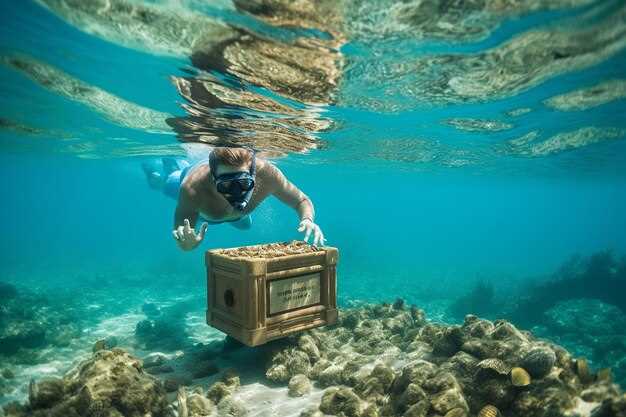
The Great Barrier Reef, located off the eastern coasts of Australia, is an extraordinary example of nature’s beauty and biodiversity. Stretching over 2,300 kilometers, this remarkable ecosystem is home to thousands of species, including vibrant coral reefs, diverse fish communities, and abundant marine life. As a custodian of this underwater paradise, the local communities and environmental specialists have implemented various practices aimed at sustaining and improving the reef’s health amidst the challenges posed by climate change and tourist activity.
In recent years, the health of the Great Barrier Reef has been under threat, with alarming reports indicating a decline in coral cover due to rising ocean temperatures, pollution, and limited sustainable practices. Efforts to create action plans and reduce detrimental impacts are crucial for preserving the delicate balance of this marine web. The reef is not merely a tourist destination; it serves a significant purpose for locals, contributing to their livelihoods while also embodying an incredible living laboratory for visitors and researchers alike.
Throughout this guide, we will explore distinct parts of the Great Barrier Reef, from its northern islands to the southern sections that showcase remarkable biodiversity and stunning landscapes. We will highlight routes that visitors can take to discover the wonders of this underwater world and provide insights into the various activities that support sustainability and enhance the overall tourist experience. By engaging with the realities faced by the reef and the communities that depend on it, we hope to inspire a deeper connection between travelers and this incredible natural treasure.
Impact of Climate Change on Coral Reefs
The Great Barrier Reef, a UNESCO World Heritage Site, is experiencing drastic changes due to climate change. The impacts are multifaceted and affect various sections of the ecosystem. Rising ocean temperatures are causing coral bleaching, which occurs when corals expel the symbiotic algae that give them color and nutrients. This process not only leads to lost biodiversity but also weakens the entire reef structure, making it more susceptible to diseases and external stresses.
Another critical issue is the increased levels of carbon dioxide in the atmosphere, which result in ocean acidification. This phenomenon affects the ability of corals to build their calcium carbonate skeletons, ultimately leading to a detrimental decrease in reef formation. Studies have shown that by the end of the century, many coral reefs could be in a state of poor health if current trends continue, causing significant repercussions on local societies that rely on reefs for food, tourism, and their spiritual connection to nature.
Pollutants from nearby lands also contribute to the problem. Non-point source pollution, caused by sedimentation and nutrients like phosphorus from agricultural runoff, harms water quality and increases harmful algal blooms. These pollutants disrupt native marine life and further threaten the delicate balance of the ecosystem. Consequently, managing these environmental pressures is crucial for the preservation of the Great Barrier Reef.
Locals and environmental organizations are advocating for the protection of this invaluable ecosystem, supporting various management systems and initiatives, including the GBRMPA (Great Barrier Reef Marine Park Authority) and GBRWHA (Great Barrier Reef World Heritage Area). Efforts are underway to improve awareness and policies that aim to lower the impact of climate change. Regular updates on the reef’s health provide society with essential maps and data to understand the regions most affected by climate change.
The ongoing debate continues regarding the best strategies for carbon reduction and reef management, highlighting the urgency of these issues. As we step into the future, the need for collective action is clear; our reliance on the Great Barrier Reef necessitates a unified approach to ensure its survival for generations to come. By discovering sustainable practices and endorsing responsible tourism, we can work towards a healthier environment that honors both the scientific and spiritual value of this natural wonder.
How Rising Temperatures Affect Coral Reefs

Rising ocean temperatures have a significant impact on coral reefs, causing detrimental effects that threaten these underwater ecosystems. The earliest signs of stress in coral populations, such as bleaching, can be directly linked to higher water temperatures. As temperature rises, corals expel the algae (zooxanthellae) that live in their tissues, leading to a loss of color and essential nutrients.
This mass bleaching event reduces biodiversity, affecting the entire marine food web. For example, a decline in coral health can lead to decreased populations of fish and other marine species that rely on coral reefs for habitat and food. Regions adjacent to the Great Barrier Reef are no exception, witnessing a significant reduction in marine life as a result of these changes.
The long-term effects of rising temperatures can be seen in shifts in species distribution, as marine life tends to move to cooler waters. Such shifts can reduce the number of visitors to specific tourist sites, negatively impacting local economies that rely on maritime tourism. Regulatory measures have been implemented to conserve the reef, but further action is essential to mitigate these impacts.
Additionally, these rising temperatures can lead to increased sedimentation and toxic algal blooms, further stressing coral systems. Mangrove forests, which help stabilize coastal regions, may also be impacted, affecting their ability to provide a buffer against extreme weather events. Sustainable trips to the reef must consciously join efforts to protect these fragile ecosystems.
To truly conserve coral reefs, it is essential to understand the data surrounding these environmental changes. The value of coral reefs extends beyond their beauty; they provide critical services, including shoreline protection and supporting local fisheries. In a way, every step taken towards reducing carbon emissions can also be a step toward preserving these underwater paradises for future generations.
The Role of Ocean Acidification in Coral Bleaching
Ocean acidification is a significant factor affecting the health of coral reefs. It occurs when carbon dioxide (CO2) from the atmosphere dissolves in ocean water, forming carbonic acid. This process lowers the pH of seawater, making it more acidic, which inhibits corals’ ability to grow and maintain their calcium carbonate structures. The implications of this are dire for reef ecosystems, which are vital for numerous marine species, including fish, sharks, and dugongs.
The selection of coral species that can survive in these changing conditions is becoming increasingly important. Studies have stated that certain corals are more resilient to acidification, but overall, the decline in coral health can be linked directly to this phenomenon. Higher levels of acidification result in poorer growth rates and reduced spawning success. Consequently, areas with significant declines in coral cover are being identified across the Great Barrier Reef.
Management strategies must address not only ocean acidification but also additional pressures such as overfishing and pollution, including plastic waste and mercury contamination. As it stands, coral reefs are under considerable threat, making their protection crucial. The Commonwealth and local operators have been actively seeking improvement in conservation efforts.
A recent report by Michael Parnell highlighted that the survival of reef-associated animal species is reliant on the health of seagrasses, which are directly impacted by acidification. These habitats provide essential substrate for young fish and contribute to the overall value of the ecosystem. Sadly, the improvement of coral health is still a work in progress, requiring dedicated efforts to reverse the negative trends observed.
| Factors Affecting Coral Health | ጉልበት |
|---|---|
| Ocean Acidification | Inhibits coral growth and resilience |
| Overfishing | Reduces fish populations necessary for reef dynamics |
| Plastic Pollution | Affects overall reef health and biodiversity |
| Mercury Contamination | Threatens marine life and human health |
The future of the Great Barrier Reef and its associated ecosystems hinges on the collaborative efforts of all stakeholders involved. Identifying effective management practices and fostering awareness among local communities is vital for extending the lifespan of these underwater wonders.
Effects of Climate Change on Marine Biodiversity
The Great Barrier Reef is a stunning representation of nature’s underwater paradise, but it is facing significant challenges due to climate change. These changes have a profound impact on marine biodiversity, threatening various forms of life within this ecosystem.
Several activities contribute to climate change, including increased pollution and greenhouse gas emissions. The rise in water temperatures affects the delicate balance of marine life, particularly atolls and coral reefs. Some key impacts include:
- Coral bleaching: Higher temperatures cause coral to expel the algae that live in symbiosis with them, leading to bleaching and increased vulnerability.
- Acidification: The absorption of excess CO2 by oceans reduces water pH levels, which in turn affects the ability of marine organisms to build shells, impacting entire food chains.
- Changes in species distribution: Warmer waters drive fish and other marine species to migrate towards cooler areas, often towards the eastern coastline or more temperate environments.
Understanding these impacts is a priority for local islander communities and maritime programs. Research, including studies by CSIRO, has emphasized the need for immediate action to mitigate these threats. Key steps include:
- Promoting sustainable tourism practices that minimize human impact on marine ecosystems.
- Implementing pollution controls to reduce the amount of mercury and other harmful substances entering the water.
- Establishing protected marine areas to safeguard critical habitats and species.
Your involvement as tourists, families, and individuals is crucial. Examples of positive actions you can take include:
- Participating in local conservation efforts and beach clean-ups.
- Choosing eco-friendly products and supporting initiatives that aim to restore eroding coastlines.
- Educating others about the significance of preserving marine biodiversity for future generations.
The long-term outlook for the Great Barrier Reef relies on collective efforts to combat climate change. The time to act is now, as the future of this spectacular marine biodiversity truly depends on our actions today.
Future Predictions for the Great Barrier Reef
The outlook for the Great Barrier Reef remains a subject of intense scientific scrutiny and debate. Recent የታተመ studies have indicated that, without immediate and significant action, the reef’s ecosystems may suffer drastic changes due to climate interference and pollution. Citizens and researchers alike have raised alarms over the ongoing challenges faced by local habitats, including the killing of vital species such as ዱጎንግ ናይ ምንቁልቋልን ሳር ባህሪ ሜዳዎች።.
እሳኬት የማውጻ ቱሪዝም ናይ መግቢት ግብርናን ኣብ ኩዊንስላንድ ክልል ብዝሒ ዝዓይነቱ እንስሳ እናዕዋፍ ንምዕቃብ ቀዳምነት ይውሃቦ ኣሎ። ብተወሳኺ ተመራመርቲ ካብ ትካላት ከም Cambridge እንዲሁም ሆግ-ጉልድበርግ እቲ ንህይወት ዘለዎም ሃብታትን ጥዕንኦምን ዝገልጽ ዝርዝራዊ ካርታታት ብምስራሕ ንውሕስነት ዘለዎም ኣገባባት ንምቕራብ ይጽዕሩ ኣለዉ። ይኹን እምበር፡ ከም ናይ ፕላስቲክ ቆሻሻን ጽግና ናይ ኒከንን ዝኣመሰሉ ደገፋት ደገፍቲ፡ ነዚ ጽቡቕ ምድላዋት ተጻብኦ ይፈጥሩ ኣለዉ።.
የተለያዩ የድንጋይ ክልሎች የተለያየ የመራቆት ደረጃ እያጋጠማቸው ነው፣ይህም የቁጥጥር ማዕቀፎች ላይ ያነጣጠሩ ድንጋጌዎች እንዲካተቱ ጥሪ ቀርቧል። አንዳንድ ክልሎች በኮራል ነጣቂነት የተጠቁ ሲሆን ሌሎቹ ደግሞ የበለጠ የመቋቋም አቅም አላቸው። የ ኢንስቲትዩት የባህር ላይ ሳይንስ ጉዳት የደረሰባቸውን አካባቢዎች ለመመለስ የተለያዩ መንገዶችን እየዳሰሰ ነው፣ ይህም የሚከተሉትን ጨምሮ ማንግሩቭ እንደገና መትከል እና ሄሮን ፕሮጀክቶችን መደርደር::.
የአካባቢው ነዋሪዎችና የሶስተኛ ወገን ድርጅቶች ትብብር ወሳኝ ነው። ቱሪስቶችና ተመራማሪዎች በድንጋይ ዐለቶች ጥበቃ ላይ በንቃት እንዲሳተፉ ዓላማ ያደረጉ የማኅበረሰብ አቀፍ ፕሮጀክቶች ይፋ ተደርገዋል። ይሁን እንጂ በአጭር ጊዜ ውስጥ ውጤታማ እርምጃ ካልተወሰደ፣ የአየር ንብረት ለውጥ፣ የሰዎች እንቅስቃሴና ቀጣይ የአካባቢ ጭንቀቶች በታላቁ የባሕር ዐለቶች ክምችት ላይ ከፍተኛ ለውጥ ሊያመጡ ይችላሉ።.
እቲ ትጽቢት ቀጻሊ ምርምርን ተሳትፎ ሕብረተሰብን ነዚ ተፈጥሯዊ ተኣምር ዘላቒ መጻኢ ንምውሓስ ዘኽእል ስጉምትታት ብምሃብ እቲ ከም መዕቀኒ ስነ-ህይወታዊ ሓድነት ዝነበሮ ርስቱ ንኣሽሓት ዓመታት ክጸንሕ ምግባር እዩ።.
እቶን ኣካባብያውን ዓለማውን ስጉምትታት ንምጉዳል ሳዕቤን
በቅርብ ዓመታት ውስጥ፣ status ዓቢይ ዓጥር ባሕሪ ሪፍ ምዕናው ንlocal communitiesን global organizationsን ነዚ ትሕቲ ባሕሪ ገነት ንምዕቃብ ስጉምትታት ክወስዱ ደሪኽዎም።. ሕግጋት ዓላማው የኮራልን ዝርያ ለመከላከል ያለመ በአሁኑ ጊዜ እየተዘጋጀ ያለው ለ include ይበልጡኑ ዝተጣበቑ ሕግታት ኣብ ልዕሊ ድራጊንግ ናብረትን ምብኻንን ዳምፕ ልማዶች በጣምራይ ተጽዕኖ ፶ፈጥሩ ለባሕር ዉድ ህይወት ንጣፍ. እነዚህ ማሻሻያዎች ኮራልን ለማረጋገጥ ያለሙ ናቸው ፖሊፕስ እንዲገባቸው ጥበቃ እንዲያገኙ በተለይም በአስቸጋሪ መውለድ ግዜታት።.
Ol wok blong ol regional dipatmen, olsem olgeta long Papua Niugini mo isten Australia, ol lokol aelan komuniti i sapotem olgeta folem wan tingting. Olgeta wok ia i putum bigfala tingting long nid blong ol stretfala fasin blong turisim long kostal resorts ኣህጉራዊ ስነ-ምህዳራዊ ሚዛን ዝሕልውን በጻሕቲ ከም ዝብገኹ discover የተለያዩ የዱር እንስሳት ላይ ጉዳት ሳያደርሱ። በተቀናጀ ጥረት፣, ሕቶታት ይካሄዳሉ ጤናን ለመከታተል እና achievements ናይ ሪፍ ስነ-ምህዳራት ክከታተል ፡ ሳዕቤናት ናይ قتصادي ነገሮች።.
ከመንግስታዊ እርምጃዎች በተጨማሪ የአየር ንብረት ለውጥ እና ቅሪተ አካልን በተመለከተ ግንዛቤ ለማስጨበጥ ያለሙ ማህበራዊ እንቅስቃሴዎች ብቅ አሉ። ነዳጅ ኣብ ህይወት ባሕሪ። ውልቀሰባት ነቲ ሪፍ ንምዕቃብ ዝሕግዙ ውሳነታት ንኽገብሩ ዘተባብዑ ወፍርታት፡ ነቲ ስነ-ምህዳሩ ውበት እናማረኹ ዝጎድኡ ንኽውሕዱ ዝሕግዙ ንጥፈታት የተባብዑ። እዚ ተበግሶ ምስቲ ቀጻሊ ምድላይ ንምክልኻል ምውሳኽ ሙቐት ዓለም ይመሳሰል። አምኗል ይህንን ደካማ አካባቢዎች ላይ እየጨመረ ያለውን ጫና የሚያመጣ ጉልህ ምክንያት መሆን።.
ባለሙያዎች የእርምጃው ጊዜ አሁን እንደሆነ አጽንኦት ይሰጣሉ። የህዝብ ቁጥር እየጨመረ ሲሄድ እና በተፈጥሮ ሀብታችን ላይ ያለው ጫና እየጨመረ በሄደ መጠን, ፈጣን እና ውጤታማ ልምዶችን ተግባራዊ ማድረግ ከመቼውም ጊዜ በበለጠ ወሳኝ እየሆነ መጥቷል. በብሮዲ ቡድን የተጀመሩት መሰል ፕሮጀክቶች ዘላቂነትን ለመፍጠር ያለሙ ናቸው selection መርትዕማት ንምሕላው ውበት ሪፍ ከምኡ'ውን ምርግጋፅ ቀፃልነት ነዊሕ ግዘ። ብመረዳእታ ብዛዕባ ዝሓለፉ ተግዳላትን ምንቅስቓስ ናብ ሓደስቲ ፍታሕቲ፡ ሕብረተሰብ ይኽእል'ዩ። meet ጣዕመ ምጣኔ ሃብታዊ ዕብየትን ብዘይምጉዳል ጥዕና ዓቢይ ዓጥር ባሕሪ።.
የጋራ ሙከራዎችንና ሳይንሳዊ እድገቶችን በመጠቀም ታላቁን ባሪየር ሪፍን ለመጠበቅ የሚደረገው ጥረት ለወደፊቱ ትውልድ እንዲኖር ለማድረግ ያለመ ቁርጠኝነት ያሳያል። የአካባቢና ዓለም አቀፍ እርምጃዎች ጥምረት ተፈጥሮና ማኅበረሰብ ተስማምተው የሚኖሩበትን እውን ለማድረግ አስፈላጊ ነው።.
Ngkang Ko Imwasang me luch Coral
ታላቁ ባሪየር ሪፍ፣ በብዝሃ ህይወት የበለፀገ አስደናቂ ስነ-ምህዳር፣ ህልውናውን አደጋ ላይ የሚጥሉ ተግዳሮቶች እያጋጠሙት ነው። እንደ ማህበረሰብ፣ ለወደፊት ትውልዶች ጥበቃውን ለማረጋገጥ በኮራል ጥበቃ ጥረቶች ውስጥ መሳተፍ ወሳኝ ነው። አስተዋፅኦ ማድረግ የሚችሉባቸው መንገዶች እነሆ፡-
- Amenez Atekyem: ኮራል ሪፍ ባዮሎጂን መረዳት እንዲሁም እንደ ድሬዲንግ እና የአየር ንብረት ለውጥ ያሉ ስጋቶችን መገንዘብ የመጀመሪያው እርምጃ ነው። ከካምብሪጅ ያሉ ተቋማት የሚሰጡት ሃብቶች ጠቃሚ ግንዛቤዎችን ይሰጣሉ።.
- አሻራችሁን የካርቦን መጠንን ቅነሱ ፡ እቲ ቀጻሊ ሕግጋት ኮመንዌልዝ ንምዕቃብ ለውጢ ኺንክየድ እዩ። ነዳዲ ቅሪት ምጥቃም ብምንካይ ሓይልታት ተተካእቲ ብምድጋፍካ ኣብ ጥዕና ሪፍ ዜንጸባርቕ ልቀት ካርቦን ንምክልኻል ትሕግዝ።.
- ድጋፍ ዘላቂ ልማዶችን፡ በተቻለ መጠን ኃላፊነት በተሞላበት መንገድ የተገኙ ምርቶችን ምረጥ። ይህም በድንጋያማ የባሕር ሥነ ምሕዳሮች ላይ የሚያሳድረውን ተጽዕኖ የሚቀንሱ የባሕር ምግቦችን እና የቱሪዝም አማራጮችን ይጨምራል።.
- ተሳትፎ በዕቅድ ጥበቃ ፕሮግራሞች፡ ኅዳግና ምስ እቶም ኣብ ከባቢኡ ዘለዉ ማሕበረሰባት፡ ከምቶም ኣብ ደሴት ሄሮን ዘለዉ፡ ኣብ ጽንዓት ሪፎች ንምድሃብ ኣብ ዝዓለመ ጻዕርታት ክትሳተፍ የኽእለካ። ብዙሓት መደባት፡ ድሕንነቱ ዝተረጋገጸ ናይ COVID ናይ ወለንታ ዕድላት ይህቡ።.
- ሕግን ይደግፉ ፡ ቆራሌ ሪፍስን አፌክት ዚገብራ ፖሊሲታት ተኸታተሉ፡ ከምኡ’ውን ከም ኣጉርን ኢንዱስትሪካዊ ምዕባሌ ኣብ ጽዑቕ ቦታታት ዝኣመሰሉ ጉድኣት ዘስዕቡ ንጥፈታት ዝጻረር ዝረገሐ ሕግታት ክወጽእ ተማጎቱ።.
ትኩረት የሚስብ ነው፣ ቀደምት ጥናቶች የኮራል ጤና ከባሕር ሕይወት አጠቃላይ ጥንካሬ ጋር እንዳገናኙት ልብ ይሏል። ስለዚህ፣ በዓለም ላይ ካሉት የአሳ ዝርያዎች መካከል አንድ ሦስተኛ የሚሆኑት በሞገድ መሀል ዞኖች በላይ የሚገኙት ብዙዎቹ በቀጥታ ከኮራል ሥነ ምህዳሮች ጤና ጋር የተሳሰሩ ናቸው።.
እምብዛም ተስፋ አስቆራጭ ባይመስልም ዛሬ ላይ የዓለት ኮራል ሪፎች ዕጣ ፈንታ አስቸጋሪ ይመስላል። ለጥበቃ ጥረቶች አስተዋጽኦ በማበርከትህ፣ እነዚህ የውሃ ውስጥ ገነቶች እንዲጠበቁ የሚያረጋግጠው የትልቁ መፍትሔ አካል ትሆናለህ። ሪፉን በአስተማማኝ ሁኔታ በመጎብኘትህ በሰው ልጅ እና በተፈጥሮ መካከል ዘላቂ ግንኙነት እንዲዳብር ትረዳለህ።.
እያንዳንዱ ትንሽ ጥረት እንደሚቆጠር አስታውሱ። የጥበቃ በጎ አድራጎት ድርጅቶችን እየደገፉ ይሁን ወይም ስለ ኮራል ሪፎች ውበት እና አስፈላጊነት ግንዛቤ እያሳደጉ፣ ድርጊቶችዎ አስፈላጊ ናቸው። የመፍትሄው አካል እንሁን እና ይህንን የውሃ ውስጥ ድንቅ ለወደፊቱ እንጠብቅ።.