


 Nederlands
  English (UK)
  Русский
  বাংলা
বাংলা  العربية
  日本語
日本語  한국어
한국어  Magyar
  Norsk nynorsk
  Türkçe
  עִבְרִית
  Español
  Čeština
  Svenska
  Português
  Ελληνικά
  Suomi
Suomi  Română
  Italiano
  Français
  Polski
  Українська
  Deutsch
  简体中文
简体中文  Slovenčina
  Српски језик
  اردو
اردو  Azərbaycan dili
  O‘zbekcha
  አማርኛ
አማርኛ 
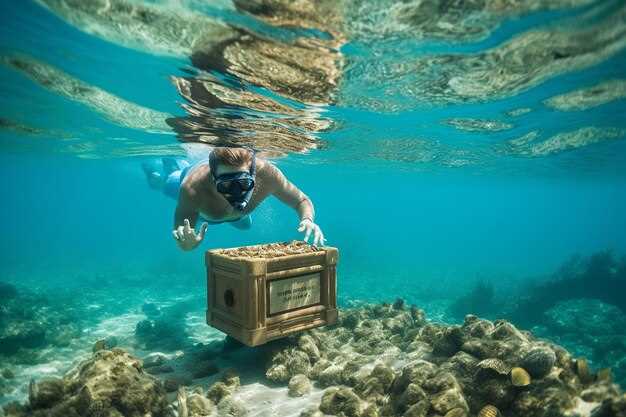
The Great Barrier Reef, located off the eastern coasts of Australia, is an extraordinary example of nature’s beauty and biodiversity. Stretching over 2,300 kilometers, this remarkable ecosystem is home to thousands of species, including vibrant coral reefs, diverse fish communities, and abundant marine life. As a custodian of this underwater paradise, the local communities and environmental specialists have implemented various practices aimed at sustaining and improving the reef’s health amidst the challenges posed by climate change and tourist activity.
In recent years, the health of the Great Barrier Reef has been under threat, with alarming reports indicating a decline in coral cover due to rising ocean temperatures, pollution, and limited sustainable practices. Efforts to create action plans and reduce detrimental impacts are crucial for preserving the delicate balance of this marine web. The reef is not merely a tourist destination; it serves a significant purpose for locals, contributing to their livelihoods while also embodying an incredible living laboratory for visitors and researchers alike.
Throughout this guide, we will explore distinct parts of the Great Barrier Reef, from its northern islands to the southern sections that showcase remarkable biodiversity and stunning landscapes. We will highlight routes that visitors can take to discover the wonders of this underwater world and provide insights into the various activities that support sustainability and enhance the overall tourist experience. By engaging with the realities faced by the reef and the communities that depend on it, we hope to inspire a deeper connection between travelers and this incredible natural treasure.
Impact of Climate Change on Coral Reefs
The Great Barrier Reef, a UNESCO World Heritage Site, is experiencing drastic changes due to climate change. The impacts are multifaceted and affect various sections of the ecosystem. Rising ocean temperatures are causing coral bleaching, which occurs when corals expel the symbiotic algae that give them color and nutrients. This process not only leads to lost biodiversity but also weakens the entire reef structure, making it more susceptible to diseases and external stresses.
Another critical issue is the increased levels of carbon dioxide in the atmosphere, which result in ocean acidification. This phenomenon affects the ability of corals to build their calcium carbonate skeletons, ultimately leading to a detrimental decrease in reef formation. Studies have shown that by the end of the century, many coral reefs could be in a state of poor health if current trends continue, causing significant repercussions on local societies that rely on reefs for food, tourism, and their spiritual connection to nature.
Pollutants from nearby lands also contribute to the problem. Non-point source pollution, caused by sedimentation and nutrients like phosphorus from agricultural runoff, harms water quality and increases harmful algal blooms. These pollutants disrupt native marine life and further threaten the delicate balance of the ecosystem. Consequently, managing these environmental pressures is crucial for the preservation of the Great Barrier Reef.
Locals and environmental organizations are advocating for the protection of this invaluable ecosystem, supporting various management systems and initiatives, including the GBRMPA (Great Barrier Reef Marine Park Authority) and GBRWHA (Great Barrier Reef World Heritage Area). Efforts are underway to improve awareness and policies that aim to lower the impact of climate change. Regular updates on the reef’s health provide society with essential maps and data to understand the regions most affected by climate change.
The ongoing debate continues regarding the best strategies for carbon reduction and reef management, highlighting the urgency of these issues. As we step into the future, the need for collective action is clear; our reliance on the Great Barrier Reef necessitates a unified approach to ensure its survival for generations to come. By discovering sustainable practices and endorsing responsible tourism, we can work towards a healthier environment that honors both the scientific and spiritual value of this natural wonder.
How Rising Temperatures Affect Coral Reefs

Rising ocean temperatures have a significant impact on coral reefs, causing detrimental effects that threaten these underwater ecosystems. The earliest signs of stress in coral populations, such as bleaching, can be directly linked to higher water temperatures. As temperature rises, corals expel the algae (zooxanthellae) that live in their tissues, leading to a loss of color and essential nutrients.
This mass bleaching event reduces biodiversity, affecting the entire marine food web. For example, a decline in coral health can lead to decreased populations of fish and other marine species that rely on coral reefs for habitat and food. Regions adjacent to the Great Barrier Reef are no exception, witnessing a significant reduction in marine life as a result of these changes.
The long-term effects of rising temperatures can be seen in shifts in species distribution, as marine life tends to move to cooler waters. Such shifts can reduce the number of visitors to specific tourist sites, negatively impacting local economies that rely on maritime tourism. Regulatory measures have been implemented to conserve the reef, but further action is essential to mitigate these impacts.
Additionally, these rising temperatures can lead to increased sedimentation and toxic algal blooms, further stressing coral systems. Mangrove forests, which help stabilize coastal regions, may also be impacted, affecting their ability to provide a buffer against extreme weather events. Sustainable trips to the reef must consciously join efforts to protect these fragile ecosystems.
To truly conserve coral reefs, it is essential to understand the data surrounding these environmental changes. The value of coral reefs extends beyond their beauty; they provide critical services, including shoreline protection and supporting local fisheries. In a way, every step taken towards reducing carbon emissions can also be a step toward preserving these underwater paradises for future generations.
The Role of Ocean Acidification in Coral Bleaching
Ocean acidification is a significant factor affecting the health of coral reefs. It occurs when carbon dioxide (CO2) from the atmosphere dissolves in ocean water, forming carbonic acid. This process lowers the pH of seawater, making it more acidic, which inhibits corals’ ability to grow and maintain their calcium carbonate structures. The implications of this are dire for reef ecosystems, which are vital for numerous marine species, including fish, sharks, and dugongs.
The selection of coral species that can survive in these changing conditions is becoming increasingly important. Studies have stated that certain corals are more resilient to acidification, but overall, the decline in coral health can be linked directly to this phenomenon. Higher levels of acidification result in poorer growth rates and reduced spawning success. Consequently, areas with significant declines in coral cover are being identified across the Great Barrier Reef.
Management strategies must address not only ocean acidification but also additional pressures such as overfishing and pollution, including plastic waste and mercury contamination. As it stands, coral reefs are under considerable threat, making their protection crucial. The Commonwealth and local operators have been actively seeking improvement in conservation efforts.
A recent report by Michael Parnell highlighted that the survival of reef-associated animal species is reliant on the health of seagrasses, which are directly impacted by acidification. These habitats provide essential substrate for young fish and contribute to the overall value of the ecosystem. Sadly, the improvement of coral health is still a work in progress, requiring dedicated efforts to reverse the negative trends observed.
| Factors Affecting Coral Health | Impact |
|---|---|
| Ocean Acidification | Inhibits coral growth and resilience |
| Overfishing | Reduces fish populations necessary for reef dynamics |
| Plastic Pollution | Affects overall reef health and biodiversity |
| Mercury Contamination | Threatens marine life and human health |
The future of the Great Barrier Reef and its associated ecosystems hinges on the collaborative efforts of all stakeholders involved. Identifying effective management practices and fostering awareness among local communities is vital for extending the lifespan of these underwater wonders.
Effects of Climate Change on Marine Biodiversity
The Great Barrier Reef is a stunning representation of nature’s underwater paradise, but it is facing significant challenges due to climate change. These changes have a profound impact on marine biodiversity, threatening various forms of life within this ecosystem.
Several activities contribute to climate change, including increased pollution and greenhouse gas emissions. The rise in water temperatures affects the delicate balance of marine life, particularly atolls and coral reefs. Some key impacts include:
- Coral bleaching: Higher temperatures cause coral to expel the algae that live in symbiosis with them, leading to bleaching and increased vulnerability.
- Acidification: The absorption of excess CO2 by oceans reduces water pH levels, which in turn affects the ability of marine organisms to build shells, impacting entire food chains.
- Changes in species distribution: Warmer waters drive fish and other marine species to migrate towards cooler areas, often towards the eastern coastline or more temperate environments.
Understanding these impacts is a priority for local islander communities and maritime programs. Research, including studies by CSIRO, has emphasized the need for immediate action to mitigate these threats. Key steps include:
- Promoting sustainable tourism practices that minimize human impact on marine ecosystems.
- Implementing pollution controls to reduce the amount of mercury and other harmful substances entering the water.
- Establishing protected marine areas to safeguard critical habitats and species.
Your involvement as tourists, families, and individuals is crucial. Examples of positive actions you can take include:
- Participating in local conservation efforts and beach clean-ups.
- Choosing eco-friendly products and supporting initiatives that aim to restore eroding coastlines.
- Educating others about the significance of preserving marine biodiversity for future generations.
The long-term outlook for the Great Barrier Reef relies on collective efforts to combat climate change. The time to act is now, as the future of this spectacular marine biodiversity truly depends on our actions today.
Future Predictions for the Great Barrier Reef
The outlook for the Great Barrier Reef remains a subject of intense scientific scrutiny and debate. Recent gepubliceerd studies have indicated that, without immediate and significant action, the reef’s ecosystems may suffer drastic changes due to climate interference and pollution. Citizens and researchers alike have raised alarms over the ongoing challenges faced by local habitats, including the killing of vital species such as dugongs and the degradation of seagrass meadows.
Efforts to regulate fishing, tourism, and agriculture in the Queensland region are being prioritized to protect diverse wildlife. Moreover, researchers from institutions like Cambridge en Hoegh-Guldberg are working on comprehensive maps detailing significant habitats and their health, aiming to provide clear frameworks for conservation. However, the interference caused by outside factors, such as plastic waste and nickel mining, continues to challenge these positive arrangements.
Distinct regions of the reef are experiencing varying rates of degradation, which has led to a call for targeted provisions in regulatory frameworks. Some regions have suffered from coral bleaching events, while others remain more resilient. The Institute of Marine Science is exploring various routes for restoring damaged areas, including the introduction of mangrove replanting and heron nesting projects.
The collaboration between locals and third-party organizations is crucial. Community-driven initiatives have been announced that aim to join forces with tourists and researchers to actively participate in reef protection. However, without effective action in the near future, the Great Barrier Reef may become largely unrecognizable due to climate shifts, human activity, and ongoing environmental stressors.
The hope is that continued research and community engagement will provide the necessary steps to secure a sustainable future for this natural wonder, ensuring that its legacy as a biodiversity hotspot can endure for thousands of years to come.
Local and Global Actions to Mitigate Impact
In recente jaren is de status of the Great Barrier Reef has prompted local communities and global organizations to take action towards preserving this underwater paradise. Legislation aimed at protecting coral populations is currently being drafted to include stricter regulations on dredging and waste dump practices that negatively impact the delicate marine substrate. These improvements aim to ensure that coral polyps receive the protection they deserve, particularly during crucial spawning periodes.
Efforts by regional departments, such as those in Papua New Guinea and eastern Australia, have been supported by united efforts from local islander communities. These initiatives emphasize the need for sustainable tourism practices in coastal resorts that respect the ecological balance and encourage visitors to discover the diverse wildlife without causing harm. In a concerted effort, onderzoeken are conducted to monitor health and prestaties of the reef ecosystems, helping to track the impacts of economisch activiteiten.
In addition to governmental measures, societal movements have emerged, aiming to raise awareness about the effects of climate change and fossil fuels on marine life. Campaigns encourage individuals to make conscious choices that will contribute to the conservation of the reef, promoting activities that enjoy the beauty of its ecosystems while minimizing harm. This initiative parallels the ongoing quest to address global warming, which is geloofde to be a significant factor causing the increasing stress on these fragile environments.
Experts emphasize that the time for action is now. As populations grow and pressures on our natural resources increase, the need for immediate and effective practices becomes ever more critical. Projects like those initiated by Brodie’s team aim to create sustainable selection protocols for maintaining the aesthetic appeal of the reef while ensuring its long-term viability. By understanding the past challenges and moving towards innovative solutions, society can meet the demands of economic growth without compromising the health of the Great Barrier Reef.
In summary, the collaborative experiments and scientific advancements towards protecting the Great Barrier Reef showcase a determined effort to ensure its existence for future generations. The combination of local and global actions is essential to achieve a reality where both nature and society can thrive in harmony.
How You Can Support Coral Conservation Efforts
The Great Barrier Reef, a stunning ecosystem rich in biodiversity, is facing challenges that threaten its existence. As a society, it is crucial to engage in coral conservation efforts to ensure its protection for future generations. Here are some ways you can contribute:
- Educate Yourself: Understanding the biology of coral reefs and the various threats they face, such as dredging and climate change, is the first step. Resources from institutions like Cambridge provide valuable insights.
- Reduce Your Carbon Footprint: The commonwealth’s ongoing legislation aims to address climate change. By reducing your use of fossil fuels and supporting alternative energy sources, you help combat the carbon emissions that affect reef health.
- Support Sustainable Practices: Whenever possible, choose products that are sourced responsibly. This includes seafood and tourism options that minimize impact on reef ecosystems.
- Participate in Conservation Programs: Engaging with local communities, like those on Heron Island, allows you to join efforts focused on reef resilience. Many programs offer COVID-safe volunteer opportunities.
- Advocate for Legislation: Stay informed about policies affecting coral reefs and advocate for stricter regulations against damaging activities like coalport and industrial development in sensitive locations.
It’s interesting to note that previous studies have linked coral health to the overall resilience of marine life. Therefore, the survival of one-third of the world’s fish species, many of which are above the intertidal zones, is directly tied to the health of coral ecosystems.
Today, the outlook for coral reefs seems hard but not hopeless. By contributing to conservation efforts, you become part of the larger solution that ensures these underwater paradises are maintained. By visiting the reef responsibly, you help foster a sustainable relationship between humans and nature.
Remember, every small effort counts. Whether you’re supporting conservation charities or simply spreading awareness about the beauty and importance of coral reefs, your actions matter. Let’s be part of the solution and protect this submerged wonder for the future.