


 Ελληνικά
  English (UK)
  Русский
  বাংলা
বাংলা  العربية
  日本語
日本語  한국어
한국어  Magyar
  Norsk nynorsk
  Türkçe
  עִבְרִית
  Español
  Čeština
  Svenska
  Português
  Suomi
Suomi  Nederlands
  Română
  Italiano
  Français
  Polski
  Українська
  Deutsch
  简体中文
简体中文  Slovenčina
  Српски језик
  اردو
اردو  Azərbaycan dili
  O‘zbekcha
  አማርኛ
አማርኛ 
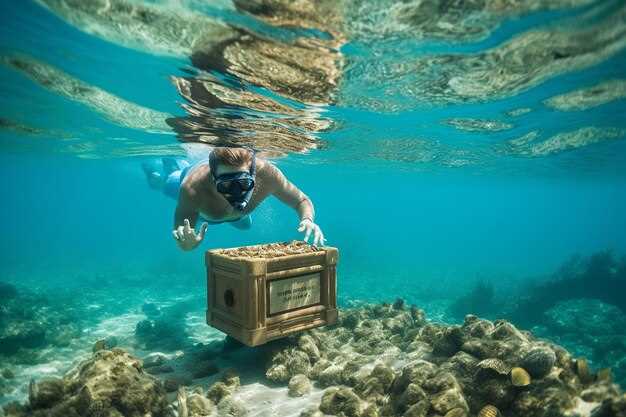
The Great Barrier Reef, located off the eastern coasts of Australia, is an extraordinary example of nature’s beauty and biodiversity. Stretching over 2,300 kilometers, this remarkable ecosystem is home to thousands of species, including vibrant coral reefs, diverse fish communities, and abundant marine life. As a custodian of this underwater paradise, the local communities and environmental specialists have implemented various practices aimed at sustaining and improving the reef’s health amidst the challenges posed by climate change and tourist activity.
In recent years, the health of the Great Barrier Reef has been under threat, with alarming reports indicating a decline in coral cover due to rising ocean temperatures, pollution, and limited sustainable practices. Efforts to create action plans and reduce detrimental impacts are crucial for preserving the delicate balance of this marine web. The reef is not merely a tourist destination; it serves a significant purpose for locals, contributing to their livelihoods while also embodying an incredible living laboratory for visitors and researchers alike.
Throughout this guide, we will explore distinct parts of the Great Barrier Reef, from its northern islands to the southern sections that showcase remarkable biodiversity and stunning landscapes. We will highlight routes that visitors can take to discover the wonders of this underwater world and provide insights into the various activities that support sustainability and enhance the overall tourist experience. By engaging with the realities faced by the reef and the communities that depend on it, we hope to inspire a deeper connection between travelers and this incredible natural treasure.
Impact of Climate Change on Coral Reefs
The Great Barrier Reef, a UNESCO World Heritage Site, is experiencing drastic changes due to climate change. The impacts are multifaceted and affect various sections of the ecosystem. Rising ocean temperatures are causing coral bleaching, which occurs when corals expel the symbiotic algae that give them color and nutrients. This process not only leads to lost biodiversity but also weakens the entire reef structure, making it more susceptible to diseases and external stresses.
Another critical issue is the increased levels of carbon dioxide in the atmosphere, which result in ocean acidification. This phenomenon affects the ability of corals to build their calcium carbonate skeletons, ultimately leading to a detrimental decrease in reef formation. Studies have shown that by the end of the century, many coral reefs could be in a state of poor health if current trends continue, causing significant repercussions on local societies that rely on reefs for food, tourism, and their spiritual connection to nature.
Pollutants from nearby lands also contribute to the problem. Non-point source pollution, caused by sedimentation and nutrients like phosphorus from agricultural runoff, harms water quality and increases harmful algal blooms. These pollutants disrupt native marine life and further threaten the delicate balance of the ecosystem. Consequently, managing these environmental pressures is crucial for the preservation of the Great Barrier Reef.
Locals and environmental organizations are advocating for the protection of this invaluable ecosystem, supporting various management systems and initiatives, including the GBRMPA (Great Barrier Reef Marine Park Authority) and GBRWHA (Great Barrier Reef World Heritage Area). Efforts are underway to improve awareness and policies that aim to lower the impact of climate change. Regular updates on the reef’s health provide society with essential maps and data to understand the regions most affected by climate change.
The ongoing debate continues regarding the best strategies for carbon reduction and reef management, highlighting the urgency of these issues. As we step into the future, the need for collective action is clear; our reliance on the Great Barrier Reef necessitates a unified approach to ensure its survival for generations to come. By discovering sustainable practices and endorsing responsible tourism, we can work towards a healthier environment that honors both the scientific and spiritual value of this natural wonder.
How Rising Temperatures Affect Coral Reefs
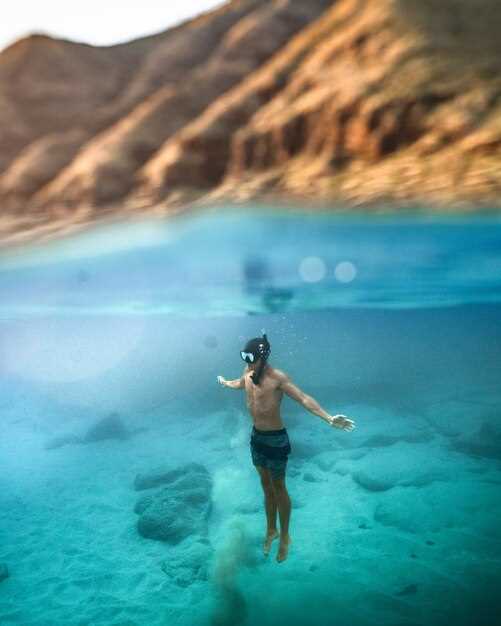
Rising ocean temperatures have a significant impact on coral reefs, causing detrimental effects that threaten these underwater ecosystems. The earliest signs of stress in coral populations, such as bleaching, can be directly linked to higher water temperatures. As temperature rises, corals expel the algae (zooxanthellae) that live in their tissues, leading to a loss of color and essential nutrients.
This mass bleaching event reduces biodiversity, affecting the entire marine food web. For example, a decline in coral health can lead to decreased populations of fish and other marine species that rely on coral reefs for habitat and food. Regions adjacent to the Great Barrier Reef are no exception, witnessing a significant reduction in marine life as a result of these changes.
The long-term effects of rising temperatures can be seen in shifts in species distribution, as marine life tends to move to cooler waters. Such shifts can reduce the number of visitors to specific tourist sites, negatively impacting local economies that rely on maritime tourism. Regulatory measures have been implemented to conserve the reef, but further action is essential to mitigate these impacts.
Additionally, these rising temperatures can lead to increased sedimentation and toxic algal blooms, further stressing coral systems. Mangrove forests, which help stabilize coastal regions, may also be impacted, affecting their ability to provide a buffer against extreme weather events. Sustainable trips to the reef must consciously join efforts to protect these fragile ecosystems.
To truly conserve coral reefs, it is essential to understand the data surrounding these environmental changes. The value of coral reefs extends beyond their beauty; they provide critical services, including shoreline protection and supporting local fisheries. In a way, every step taken towards reducing carbon emissions can also be a step toward preserving these underwater paradises for future generations.
The Role of Ocean Acidification in Coral Bleaching
Ocean acidification is a significant factor affecting the health of coral reefs. It occurs when carbon dioxide (CO2) from the atmosphere dissolves in ocean water, forming carbonic acid. This process lowers the pH of seawater, making it more acidic, which inhibits corals’ ability to grow and maintain their calcium carbonate structures. The implications of this are dire for reef ecosystems, which are vital for numerous marine species, including fish, sharks, and dugongs.
The selection of coral species that can survive in these changing conditions is becoming increasingly important. Studies have stated that certain corals are more resilient to acidification, but overall, the decline in coral health can be linked directly to this phenomenon. Higher levels of acidification result in poorer growth rates and reduced spawning success. Consequently, areas with significant declines in coral cover are being identified across the Great Barrier Reef.
Management strategies must address not only ocean acidification but also additional pressures such as overfishing and pollution, including plastic waste and mercury contamination. As it stands, coral reefs are under considerable threat, making their protection crucial. The Commonwealth and local operators have been actively seeking improvement in conservation efforts.
A recent report by Michael Parnell highlighted that the survival of reef-associated animal species is reliant on the health of seagrasses, which are directly impacted by acidification. These habitats provide essential substrate for young fish and contribute to the overall value of the ecosystem. Sadly, the improvement of coral health is still a work in progress, requiring dedicated efforts to reverse the negative trends observed.
| Factors Affecting Coral Health | Επιπτώσεις |
|---|---|
| Ocean Acidification | Inhibits coral growth and resilience |
| Overfishing | Reduces fish populations necessary for reef dynamics |
| Plastic Pollution | Affects overall reef health and biodiversity |
| Mercury Contamination | Threatens marine life and human health |
The future of the Great Barrier Reef and its associated ecosystems hinges on the collaborative efforts of all stakeholders involved. Identifying effective management practices and fostering awareness among local communities is vital for extending the lifespan of these underwater wonders.
Effects of Climate Change on Marine Biodiversity
The Great Barrier Reef is a stunning representation of nature’s underwater paradise, but it is facing significant challenges due to climate change. These changes have a profound impact on marine biodiversity, threatening various forms of life within this ecosystem.
Several activities contribute to climate change, including increased pollution and greenhouse gas emissions. The rise in water temperatures affects the delicate balance of marine life, particularly atolls and coral reefs. Some key impacts include:
- Coral bleaching: Higher temperatures cause coral to expel the algae that live in symbiosis with them, leading to bleaching and increased vulnerability.
- Acidification: The absorption of excess CO2 by oceans reduces water pH levels, which in turn affects the ability of marine organisms to build shells, impacting entire food chains.
- Changes in species distribution: Warmer waters drive fish and other marine species to migrate towards cooler areas, often towards the eastern coastline or more temperate environments.
Understanding these impacts is a priority for local islander communities and maritime programs. Research, including studies by CSIRO, has emphasized the need for immediate action to mitigate these threats. Key steps include:
- Promoting sustainable tourism practices that minimize human impact on marine ecosystems.
- Implementing pollution controls to reduce the amount of mercury and other harmful substances entering the water.
- Establishing protected marine areas to safeguard critical habitats and species.
Your involvement as tourists, families, and individuals is crucial. Examples of positive actions you can take include:
- Participating in local conservation efforts and beach clean-ups.
- Choosing eco-friendly products and supporting initiatives that aim to restore eroding coastlines.
- Educating others about the significance of preserving marine biodiversity for future generations.
The long-term outlook for the Great Barrier Reef relies on collective efforts to combat climate change. The time to act is now, as the future of this spectacular marine biodiversity truly depends on our actions today.
Future Predictions for the Great Barrier Reef
The outlook for the Great Barrier Reef remains a subject of intense scientific scrutiny and debate. Recent δημοσιεύτηκε studies have indicated that, without immediate and significant action, the reef’s ecosystems may suffer drastic changes due to climate interference and pollution. Citizens and researchers alike have raised alarms over the ongoing challenges faced by local habitats, including the killing of vital species such as δługκογκς και την υποβάθμιση του θαλάσσιο γρασίδι λιβάδια.
Προσπάθειες για τη ρύθμιση της αλιείας, του τουρισμού και της γεωργίας στον/στην/στο Κουίνσλαντ προτεραιότητα δίνεται στην περιοχή για την προστασία της ποικιλόμορφης άγριας ζωής. Επιπλέον, ερευνητές από ιδρύματα όπως Κέιμπριτζ και Χόεγκ-Γκούλντμπεργκ εργάζονται σε ολοκληρωμένους χάρτες που περιγράφουν λεπτομερώς σημαντικούς οικοτόπους και την υγεία τους, με στόχο την παροχή σαφών πλαισίων για τη διατήρηση. Ωστόσο, οι παρεμβολές που προκαλούνται από εξωτερικούς παράγοντες, όπως τα πλαστικά απόβλητα και η εξόρυξη νικελίου, συνεχίζουν να θέτουν προκλήσεις σε αυτές τις θετικές ρυθμίσεις.
Διακριτές περιοχές του υφάλου βιώνουν διαφορετικούς βαθμούς υποβάθμισης, γεγονός που έχει οδηγήσει σε έκκληση για στοχευμένες προβλέψεις στα ρυθμιστικά πλαίσια. Ορισμένες περιοχές έχουν υποστεί φαινόμενα λεύκανσης κοραλλιών, ενώ άλλες παραμένουν πιο ανθεκτικές. Οι Ινστιτούτο Η θαλάσσιας επιστήμης διερευνά διάφορες οδούς για την αποκατάσταση κατεστραμμένων περιοχών, συμπεριλαμβανομένης της εισαγωγής μαγκρόβιο δάσος επαναφύτευση και Ερωδιός έργα εμφώλευσης.
Η συνεργασία μεταξύ των ντόπιων και των τρίτων οργανισμών είναι ζωτικής σημασίας. Έχουν ανακοινωθεί πρωτοβουλίες που καθοδηγούνται από την κοινότητα και στοχεύουν να ενώσουν τις δυνάμεις τους με τουρίστες και ερευνητές για να συμμετάσχουν ενεργά στην προστασία των υφάλων. Ωστόσο, χωρίς αποτελεσματική δράση στο εγγύς μέλλον, ο Μεγάλος Κοραλλιογενής Ύφαλος ενδέχεται να καταστεί σε μεγάλο βαθμό αγνώριστος λόγω των κλιματικών αλλαγών, της ανθρώπινης δραστηριότητας και των συνεχιζόμενων περιβαλλοντικών παραγόντων καταπόνησης.
Η ελπίδα είναι ότι η συνεχής έρευνα και η συμμετοχή της κοινότητας θα παράσχουν τα απαραίτητα βήματα για να εξασφαλιστεί ένα βιώσιμο μέλλον για αυτό το φυσικό θαύμα, διασφαλίζοντας ότι η κληρονομιά του ως σημείο υψηλής βιοποικιλότητας μπορεί να διαρκέσει για χιλιάδες χρόνια.
Τοπικές και Παγκόσμιες Δράσεις για τον Μετριασμό των Επιπτώσεων
Τα τελευταία χρόνια, ο κατάσταση Η φθορά του Μεγάλου Κοραλλιογενούς Υφάλου έχει ωθήσει τις τοπικές κοινότητες και τους παγκόσμιους οργανισμούς να αναλάβουν δράση για τη διατήρηση αυτού του υποθαλάσσιου παραδείσου. Νομοθεσία με στόχο την προστασία των κοραλλιογενών πληθυσμών βρίσκεται επί του παρόντος υπό σύνταξη για include αυστηρότερους κανονισμούς για εκβάθυνση και σπατάλη χωματερή πρακτικές που επηρεάζουν αρνητικά το εύθραυστο θαλάσσιο υπόστρωμα. Αυτές οι βελτιώσεις στοχεύουν να διασφαλίσουν ότι τα κοράλλια πολύποδες λαμβάνουν την προστασία που τους αξίζει, ιδίως κατά τη διάρκεια κρίσιμων ωοτοκία periods.
Οι προσπάθειες από περιφερειακά τμήματα, όπως αυτά στην Παπούα Νέα Γουινέα και την ανατολική Αυστραλία, έχουν υποστηριχθεί από ενωμένες προσπάθειες από τις τοπικές νησιωτικές κοινότητες. Αυτές οι πρωτοβουλίες τονίζουν την ανάγκη για βιώσιμες τουριστικές πρακτικές στις παράκτιες resorts που σέβονται την οικολογική ισορροπία και ενθαρρύνουν τους επισκέπτες να ανακαλύψτε την ποικιλόμορφη άγρια ζωή χωρίς να προκληθεί βλάβη. Σε μια συντονισμένη προσπάθεια, έρευνες διενεργούνται για την παρακολούθηση της υγείας και επιτεύγματα των υφάλων οικοσυστημάτων, βοηθώντας στην παρακολούθηση των επιπτώσεων των οικονομικός δραστηριότητες.
Εκτός από τα κυβερνητικά μέτρα, έχουν αναδυθεί κοινωνικά κινήματα, με στόχο την ευαισθητοποίηση σχετικά με τις επιπτώσεις της κλιματικής αλλαγής και των ορυκτών καύσιμα στη θαλάσσια ζωή. Οι εκστρατείες ενθαρρύνουν τα άτομα να κάνουν συνειδητές επιλογές που θα συμβάλουν στη διατήρηση του υφάλου, προωθώντας δραστηριότητες που απολαμβάνουν την ομορφιά των οικοσυστημάτων του, ελαχιστοποιώντας παράλληλα τις ζημιές. Αυτή η πρωτοβουλία παράλληλα με τη συνεχιζόμενη προσπάθεια για την αντιμετώπιση της υπερθέρμανσης του πλανήτη, η οποία είναι πίστευε να αποτελεί σημαντικό παράγοντα που προκαλεί την αυξανόμενη πίεση σε αυτά τα εύθραυστα περιβάλλοντα.
Οι ειδικοί τονίζουν ότι η ώρα για δράση είναι τώρα. Καθώς οι πληθυσμοί αυξάνονται και οι πιέσεις στους φυσικούς μας πόρους αυξάνονται, η ανάγκη για άμεσες και αποτελεσματικές πρακτικές γίνεται ακόμη πιο κρίσιμη. Έργα όπως αυτά που ξεκίνησε η ομάδα του Brodie στοχεύουν στη δημιουργία βιώσιμων selection πρωτόκολλα για τη διατήρηση της αισθητικής γοητείας του υφάλου, διασφαλίζοντας παράλληλα τη μακροπρόθεσμη βιωσιμότητά του. Κατανοώντας τις προηγούμενες προκλήσεις και προχωρώντας προς καινοτόμες λύσεις, η κοινωνία μπορεί συναντώ τις απαιτήσεις της οικονομικής ανάπτυξης χωρίς να διακυβεύεται η υγεία του Μεγάλου Κοραλλιογενούς Υφάλου.
Συνοψίζοντας, τα συνεργατικά πειράματα και οι επιστημονικές εξελίξεις για την προστασία του Μεγάλου Κοραλλιογενούς Υφάλου καταδεικνύουν μια αποφασιστική προσπάθεια για να διασφαλιστεί η ύπαρξή του για τις μελλοντικές γενιές. Ο συνδυασμός τοπικών και παγκόσμιων δράσεων είναι απαραίτητος για να επιτευχθεί μια πραγματικότητα όπου τόσο η φύση όσο και η κοινωνία μπορούν να ευδοκιμήσουν αρμονικά.
Πώς Μπορείτε να Υποστηρίξετε τις Προσπάθειες Διατήρησης των Κοραλλιών
Ο Μέγας Κοραλλιογενής Ύφαλος, ένα εκπληκτικό οικοσύστημα πλούσιο σε βιοποικιλότητα, αντιμετωπίζει προκλήσεις που απειλούν την ύπαρξή του. Ως κοινωνία, είναι ζωτικής σημασίας να συμμετάσχουμε σε προσπάθειες διατήρησης των κοραλλιών για να διασφαλίσουμε την προστασία του για τις μελλοντικές γενιές. Ακολουθούν ορισμένοι τρόποι με τους οποίους μπορείτε να συνεισφέρετε:
- Εκπαιδεύστε τον Εαυτό σας: Η κατανόηση της βιολογίας των κοραλλιογενών υφάλων και των διαφόρων απειλών που αντιμετωπίζουν, όπως η εκσκαφή και η κλιματική αλλαγή, είναι το πρώτο βήμα. Πόροι από ιδρύματα όπως το Cambridge παρέχουν πολύτιμες πληροφορίες.
- Μειώστε το Αποτύπωμα Άνθρακά σας: Η συνεχιζόμενη νομοθεσία της κοινοπολιτείας στοχεύει στην αντιμετώπιση της κλιματικής αλλαγής. Μειώνοντας τη χρήση ορυκτών καυσίμων και υποστηρίζοντας εναλλακτικές πηγές ενέργειας, βοηθάτε στην καταπολέμηση των εκπομπών άνθρακα που επηρεάζουν την υγεία των υφάλων.
- Υποστήριξη Βιώσιμων Πρακτικών: Όποτε είναι δυνατόν, επιλέξτε προϊόντα που προέρχονται με υπευθυνότητα. Αυτό περιλαμβάνει επιλογές θαλασσινών και τουρισμού που ελαχιστοποιούν τον αντίκτυπο στα οικοσυστήματα των υφάλων.
- Συμμετοχή σε Προγράμματα Διατήρησης: Η ενασχόληση με τις τοπικές κοινότητες, όπως αυτές στο Heron Island, σας επιτρέπει να συμμετάσχετε σε προσπάθειες που επικεντρώνονται στην ανθεκτικότητα των υφάλων. Πολλά προγράμματα προσφέρουν ευκαιρίες εθελοντισμού με ασφάλεια COVID.
- Υποστήριξη για Νομοθεσία: Ενημερωθείτε για τις πολιτικές που επηρεάζουν τους κοραλλιογενείς υφάλους και υποστηρίξτε αυστηρότερους κανονισμούς κατά των επιζήμιων δραστηριοτήτων, όπως τα ανθρακωρυχεία και η βιομηχανική ανάπτυξη σε ευαίσθητες τοποθεσίες.
Είναι ενδιαφέρον να σημειωθεί ότι προηγούμενες μελέτες έχουν συνδέσει την υγεία των κοραλλιών με τη συνολική ανθεκτικότητα της θαλάσσιας ζωής. Επομένως, η επιβίωση του ενός τρίτου των ειδών ψαριών παγκοσμίως, πολλά από τα οποία βρίσκονται πάνω από τις παλιρροιακές ζώνες, συνδέεται άμεσα με την υγεία των κοραλλιογενών οικοσυστημάτων.
Σήμερα, οι προοπτικές για τους κοραλλιογενείς υφάλους φαίνονται δύσκολες, αλλά όχι απελπιστικές. Συμβάλλοντας στις προσπάθειες διατήρησης, γίνεστε μέρος της ευρύτερης λύσης που διασφαλίζει τη διατήρηση αυτών των υποβρύχιων παραδείσων. Επισκεπτόμενοι τον ύφαλο με υπευθυνότητα, βοηθάτε στην καλλιέργεια μιας βιώσιμης σχέσης μεταξύ ανθρώπου και φύσης.
Να θυμάστε, κάθε μικρή προσπάθεια μετράει. Είτε υποστηρίζετε φιλανθρωπικές οργανώσεις για τη διατήρηση της φύσης είτε απλώς διαδίδετε την ευαισθητοποίηση σχετικά με την ομορφιά και τη σημασία των κοραλλιογενών υφάλων, οι πράξεις σας έχουν σημασία. Ας γίνουμε μέρος της λύσης και ας προστατεύσουμε αυτό το βυθισμένο θαύμα για το μέλλον.