


 Polski
  English (UK)
  Русский
  বাংলা
বাংলা  العربية
  日本語
日本語  한국어
한국어  Magyar
  Norsk nynorsk
  Türkçe
  עִבְרִית
  Español
  Čeština
  Svenska
  Português
  Ελληνικά
  Suomi
Suomi  Nederlands
  Română
  Italiano
  Français
  Українська
  Deutsch
  简体中文
简体中文  Slovenčina
  Српски језик
  اردو
اردو  Azərbaycan dili
  O‘zbekcha
  አማርኛ
አማርኛ 
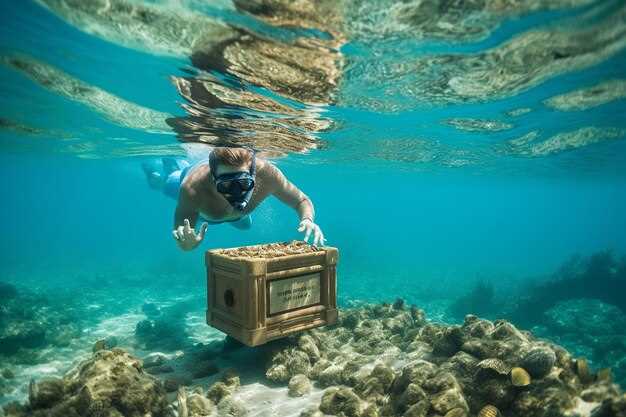
The Great Barrier Reef, located off the eastern coasts of Australia, is an extraordinary example of nature’s beauty and biodiversity. Stretching over 2,300 kilometers, this remarkable ecosystem is home to thousands of species, including vibrant coral reefs, diverse fish communities, and abundant marine life. As a custodian of this underwater paradise, the local communities and environmental specialists have implemented various practices aimed at sustaining and improving the reef’s health amidst the challenges posed by climate change and tourist activity.
In recent years, the health of the Great Barrier Reef has been under threat, with alarming reports indicating a decline in coral cover due to rising ocean temperatures, pollution, and limited sustainable practices. Efforts to create action plans and reduce detrimental impacts are crucial for preserving the delicate balance of this marine web. The reef is not merely a tourist destination; it serves a significant purpose for locals, contributing to their livelihoods while also embodying an incredible living laboratory for visitors and researchers alike.
Throughout this guide, we will explore distinct parts of the Great Barrier Reef, from its northern islands to the southern sections that showcase remarkable biodiversity and stunning landscapes. We will highlight routes that visitors can take to discover the wonders of this underwater world and provide insights into the various activities that support sustainability and enhance the overall tourist experience. By engaging with the realities faced by the reef and the communities that depend on it, we hope to inspire a deeper connection between travelers and this incredible natural treasure.
Impact of Climate Change on Coral Reefs
The Great Barrier Reef, a UNESCO World Heritage Site, is experiencing drastic changes due to climate change. The impacts are multifaceted and affect various sections of the ecosystem. Rising ocean temperatures are causing coral bleaching, which occurs when corals expel the symbiotic algae that give them color and nutrients. This process not only leads to lost biodiversity but also weakens the entire reef structure, making it more susceptible to diseases and external stresses.
Another critical issue is the increased levels of carbon dioxide in the atmosphere, which result in ocean acidification. This phenomenon affects the ability of corals to build their calcium carbonate skeletons, ultimately leading to a detrimental decrease in reef formation. Studies have shown that by the end of the century, many coral reefs could be in a state of poor health if current trends continue, causing significant repercussions on local societies that rely on reefs for food, tourism, and their spiritual connection to nature.
Pollutants from nearby lands also contribute to the problem. Non-point source pollution, caused by sedimentation and nutrients like phosphorus from agricultural runoff, harms water quality and increases harmful algal blooms. These pollutants disrupt native marine life and further threaten the delicate balance of the ecosystem. Consequently, managing these environmental pressures is crucial for the preservation of the Great Barrier Reef.
Locals and environmental organizations are advocating for the protection of this invaluable ecosystem, supporting various management systems and initiatives, including the GBRMPA (Great Barrier Reef Marine Park Authority) and GBRWHA (Great Barrier Reef World Heritage Area). Efforts are underway to improve awareness and policies that aim to lower the impact of climate change. Regular updates on the reef’s health provide society with essential maps and data to understand the regions most affected by climate change.
The ongoing debate continues regarding the best strategies for carbon reduction and reef management, highlighting the urgency of these issues. As we step into the future, the need for collective action is clear; our reliance on the Great Barrier Reef necessitates a unified approach to ensure its survival for generations to come. By discovering sustainable practices and endorsing responsible tourism, we can work towards a healthier environment that honors both the scientific and spiritual value of this natural wonder.
How Rising Temperatures Affect Coral Reefs

Rising ocean temperatures have a significant impact on coral reefs, causing detrimental effects that threaten these underwater ecosystems. The earliest signs of stress in coral populations, such as bleaching, can be directly linked to higher water temperatures. As temperature rises, corals expel the algae (zooxanthellae) that live in their tissues, leading to a loss of color and essential nutrients.
This mass bleaching event reduces biodiversity, affecting the entire marine food web. For example, a decline in coral health can lead to decreased populations of fish and other marine species that rely on coral reefs for habitat and food. Regions adjacent to the Great Barrier Reef are no exception, witnessing a significant reduction in marine life as a result of these changes.
The long-term effects of rising temperatures can be seen in shifts in species distribution, as marine life tends to move to cooler waters. Such shifts can reduce the number of visitors to specific tourist sites, negatively impacting local economies that rely on maritime tourism. Regulatory measures have been implemented to conserve the reef, but further action is essential to mitigate these impacts.
Additionally, these rising temperatures can lead to increased sedimentation and toxic algal blooms, further stressing coral systems. Mangrove forests, which help stabilize coastal regions, may also be impacted, affecting their ability to provide a buffer against extreme weather events. Sustainable trips to the reef must consciously join efforts to protect these fragile ecosystems.
To truly conserve coral reefs, it is essential to understand the data surrounding these environmental changes. The value of coral reefs extends beyond their beauty; they provide critical services, including shoreline protection and supporting local fisheries. In a way, every step taken towards reducing carbon emissions can also be a step toward preserving these underwater paradises for future generations.
The Role of Ocean Acidification in Coral Bleaching
Ocean acidification is a significant factor affecting the health of coral reefs. It occurs when carbon dioxide (CO2) from the atmosphere dissolves in ocean water, forming carbonic acid. This process lowers the pH of seawater, making it more acidic, which inhibits corals’ ability to grow and maintain their calcium carbonate structures. The implications of this are dire for reef ecosystems, which are vital for numerous marine species, including fish, sharks, and dugongs.
The selection of coral species that can survive in these changing conditions is becoming increasingly important. Studies have stated that certain corals are more resilient to acidification, but overall, the decline in coral health can be linked directly to this phenomenon. Higher levels of acidification result in poorer growth rates and reduced spawning success. Consequently, areas with significant declines in coral cover are being identified across the Great Barrier Reef.
Management strategies must address not only ocean acidification but also additional pressures such as overfishing and pollution, including plastic waste and mercury contamination. As it stands, coral reefs are under considerable threat, making their protection crucial. The Commonwealth and local operators have been actively seeking improvement in conservation efforts.
A recent report by Michael Parnell highlighted that the survival of reef-associated animal species is reliant on the health of seagrasses, which are directly impacted by acidification. These habitats provide essential substrate for young fish and contribute to the overall value of the ecosystem. Sadly, the improvement of coral health is still a work in progress, requiring dedicated efforts to reverse the negative trends observed.
| Factors Affecting Coral Health | Impact |
|---|---|
| Ocean Acidification | Inhibits coral growth and resilience |
| Overfishing | Reduces fish populations necessary for reef dynamics |
| Plastic Pollution | Affects overall reef health and biodiversity |
| Mercury Contamination | Threatens marine life and human health |
The future of the Great Barrier Reef and its associated ecosystems hinges on the collaborative efforts of all stakeholders involved. Identifying effective management practices and fostering awareness among local communities is vital for extending the lifespan of these underwater wonders.
Effects of Climate Change on Marine Biodiversity
The Great Barrier Reef is a stunning representation of nature’s underwater paradise, but it is facing significant challenges due to climate change. These changes have a profound impact on marine biodiversity, threatening various forms of life within this ecosystem.
Several activities contribute to climate change, including increased pollution and greenhouse gas emissions. The rise in water temperatures affects the delicate balance of marine life, particularly atolls and coral reefs. Some key impacts include:
- Coral bleaching: Higher temperatures cause coral to expel the algae that live in symbiosis with them, leading to bleaching and increased vulnerability.
- Acidification: The absorption of excess CO2 by oceans reduces water pH levels, which in turn affects the ability of marine organisms to build shells, impacting entire food chains.
- Changes in species distribution: Warmer waters drive fish and other marine species to migrate towards cooler areas, often towards the eastern coastline or more temperate environments.
Understanding these impacts is a priority for local islander communities and maritime programs. Research, including studies by CSIRO, has emphasized the need for immediate action to mitigate these threats. Key steps include:
- Promoting sustainable tourism practices that minimize human impact on marine ecosystems.
- Implementing pollution controls to reduce the amount of mercury and other harmful substances entering the water.
- Establishing protected marine areas to safeguard critical habitats and species.
Your involvement as tourists, families, and individuals is crucial. Examples of positive actions you can take include:
- Participating in local conservation efforts and beach clean-ups.
- Choosing eco-friendly products and supporting initiatives that aim to restore eroding coastlines.
- Educating others about the significance of preserving marine biodiversity for future generations.
The long-term outlook for the Great Barrier Reef relies on collective efforts to combat climate change. The time to act is now, as the future of this spectacular marine biodiversity truly depends on our actions today.
Future Predictions for the Great Barrier Reef
The outlook for the Great Barrier Reef remains a subject of intense scientific scrutiny and debate. Recent opublikowany studies have indicated that, without immediate and significant action, the reef’s ecosystems may suffer drastic changes due to climate interference and pollution. Citizens and researchers alike have raised alarms over the ongoing challenges faced by local habitats, including the killing of vital species such as diugonie i degradacji trawa morska łąki.
Wysiłki na rzecz regulacji rybołówstwa, turystyki i rolnictwa w Queensland priorytetowo traktowane są regiony w celu ochrony różnorodnej fauny i flory. Ponadto naukowcy z instytucji takich jak Cambridge oraz Hoegh-Guldberg pracują nad obszernymi mapami szczegółowo opisującymi ważne siedliska i ich stan zdrowia, dążąc do zapewnienia jasnych ram dla ochrony przyrody. Jednak zakłócenia powodowane przez czynniki zewnętrzne, takie jak odpady z tworzyw sztucznych i wydobycie niklu, wciąż stanowią wyzwanie dla tych pozytywnych ustaleń.
Poszczególne regiony rafy doświadczają zróżnicowanego tempa degradacji, co doprowadziło do wezwania o ukierunkowane przepisy w ramach regulacyjnych. Niektóre regiony ucierpiały z powodu epizodów blaknięcia koralowców, podczas gdy inne pozostają bardziej odporne. Instytut nauk morskich bada różne sposoby przywracania zniszczonych obszarów, w tym wprowadzenie mangrove przesadzanie i czapla projekty zagnieżdżone.
Kluczowa jest współpraca między lokalnymi mieszkańcami a organizacjami zewnętrznymi. Ogłoszono inicjatywy oddolne, mające na celu połączenie sił z turystami i naukowcami, aby aktywnie uczestniczyć w ochronie raf. Jednak bez skutecznych działań w najbliższej przyszłości Wielka Rafa Koralowa może stać się w dużej mierze nie do poznania z powodu zmian klimatycznych, działalności człowieka i ciągłych stresorów środowiskowych.
Pokłada się nadzieję, że dalsze badania i zaangażowanie społeczności zapewnią niezbędne kroki do zabezpieczenia zrównoważonej przyszłości dla tego cudu natury, zapewniając, że jego dziedzictwo jako centrum bioróżnorodności przetrwa tysiące lat.
Działania lokalne i globalne w celu złagodzenia wpływu
W ostatnich latach, status Wielkość zniszczeń Wielkiej Rafy Koralowej skłoniła lokalne społeczności i organizacje globalne do podjęcia działań mających na celu ochronę tego podwodnego raju. Ustawodawstwo mający na celu ochronę populacji koralowców jest obecnie opracowywany w celu include bardziej rygorystyczne przepisy dotyczące pogłębianie dna i zmarnować zrzut praktyk, które negatywnie wpływają na delikatny ekosystem morski podłoże. Ulepszenia te mają na celu zapewnienie, że koral polipy otrzymać ochronę, na jaką zasługują, szczególnie w krytycznych tarło periods.
Wysiłki departamentów regionalnych, takich jak te w Papui Nowej Gwinei i wschodniej Australii, były wspierane przez wspólne działania lokalnych społeczności wyspiarskich. Inicjatywy te podkreślają potrzebę zrównoważonych praktyk turystycznych na obszarach przybrzeżnych. rezorty które szanują równowagę ekologiczną i zachęcają odwiedzających do discover różnorodną faunę i florę bez wyrządzania szkód. W podjętym wysiłku, ankiety są przeprowadzane w celu monitorowania zdrowia i achievements ekosystemów raf koralowych, pomagając w śledzeniu wpływu economic aktywności.
Oprócz działań rządowych pojawiły się ruchy społeczne, których celem jest podnoszenie świadomości na temat skutków zmian klimatycznych i paliw kopalnych. paliwa na życie morskie. Kampanie zachęcają jednostki do podejmowania świadomych wyborów, które przyczynią się do ochrony rafy, promując działania, które pozwalają cieszyć się pięknem jej ekosystemów, minimalizując jednocześnie szkody. Inicjatywa ta jest analogiczna do trwającej walki z globalnym ociepleniem, które jest wierzył znaczącym czynnikiem powodującym narastający stres na tych wrażliwych środowiskach.
Eksperci podkreślają, że czas na działanie jest teraz. Wraz ze wzrostem populacji i presji na zasoby naturalne, potrzeba natychmiastowych i skutecznych praktyk staje się coraz bardziej krytyczna. Projekty takie jak te zainicjowane przez zespół Brodiego mają na celu stworzenie zrównoważonych selection protokoły utrzymania estetycznego wyglądu rafy, zapewniając jednocześnie jej długoterminową żywotność. Rozumiejąc dotychczasowe wyzwania i zmierzając ku innowacyjnym rozwiązaniom, społeczeństwo może spotkaj się wymogi wzrostu gospodarczego bez narażania na szwank stanu zdrowia Wielkiej Rafy Koralowej.
Podsumowując, wspólne eksperymenty i postęp naukowy w kierunku ochrony Wielkiej Rafy Koralowej stanowią przykład zdeterminowanych wysiłków, aby zapewnić jej istnienie dla przyszłych pokoleń. Połączenie działań lokalnych i globalnych jest niezbędne do osiągnięcia rzeczywistości, w której zarówno przyroda, jak i społeczeństwo mogą harmonijnie prosperować.
Jak możesz wesprzeć działania na rzecz ochrony koralowców
Wielka Rafa Koralowa, oszałamiający ekosystem bogaty w bioróżnorodność, stoi w obliczu wyzwań zagrażających jego istnieniu. Jako społeczeństwo, musimy zaangażować się w działania na rzecz ochrony koralowców, aby zapewnić im ochronę dla przyszłych pokoleń. Oto kilka sposobów, w jakie możesz się do tego przyczynić:
- Wyedukuj się: Zrozumienie biologii raf koralowych i różnorodnych zagrożeń, przed którymi stoją, takich jak pogłębianie dna i zmiany klimatyczne, to pierwszy krok. Zasoby z instytucji takich jak Cambridge oferują cenne spostrzeżenia.
- Zmniejsz swój ślad węglowy: Trwające ustawodawstwo Wspólnoty Narodów ma na celu walkę ze zmianami klimatycznymi. Ograniczając zużycie paliw kopalnych i wspierając alternatywne źródła energii, pomagasz zwalczać emisje dwutlenku węgla, które wpływają na zdrowie raf koralowych.
- Wspieraj zrównoważone praktyki: W miarę możliwości wybieraj produkty pozyskiwane w sposób odpowiedzialny. Dotyczy to owoców morza i opcji turystycznych, które minimalizują wpływ na ekosystemy raf koralowych.
- Weź udział w programach ochrony przyrody: Angażowanie się w lokalne społeczności, takie jak ta na Heron Island, pozwala dołączyć do wysiłków skupionych na odporności rafy. Wiele programów oferuje możliwości wolontariatu z zachowaniem zasad bezpieczeństwa COVID.
- Orędownictwo na rzecz Ustawodawstwa: Bądź na bieżąco z polityką wpływającą na rafy koralowe i opowiadaj się za bardziej rygorystycznymi przepisami przeciwko szkodliwym działaniom, takim jak porty węglowe i rozwój przemysłowy w wrażliwych lokalizacjach.
Warto zauważyć, że wcześniejsze badania powiązały zdrowie koralowców z ogólną odpornością życia morskiego. Dlatego też przetrwanie jednej trzeciej światowej populacji gatunków ryb, z których wiele bytuje powyżej strefy międzypływowej, jest bezpośrednio związane ze zdrowiem ekosystemów koralowych.
Dziś perspektywy dla raf koralowych rysują się jako trudne, ale nie beznadziejne. Wspierając działania na rzecz ochrony, stajesz się częścią większego rozwiązania, które zapewnia przetrwanie tych podwodnych rajów. Odpowiedzialnie odwiedzając rafę, pomagasz budować zrównoważoną relację między ludźmi a naturą.
Pamiętaj, każdy, nawet najmniejszy wysiłek się liczy. Niezależnie od tego, czy wspierasz organizacje charytatywne zajmujące się ochroną przyrody, czy po prostu szerzysz wiedzę o pięknie i znaczeniu raf koralowych, Twoje działania mają znaczenie. Bądźmy częścią rozwiązania i chrońmy ten zatopiony cud dla przyszłych pokoleń.