


 Azərbaycan dili
  English (UK)
  Русский
  বাংলা
বাংলা  العربية
  日本語
日本語  한국어
한국어  Magyar
  Norsk nynorsk
  Türkçe
  עִבְרִית
  Español
  Čeština
  Svenska
  Português
  Ελληνικά
  Suomi
Suomi  Nederlands
  Română
  Italiano
  Français
  Polski
  Українська
  Deutsch
  简体中文
简体中文  Slovenčina
  Српски језик
  اردو
اردو  O‘zbekcha
  አማርኛ
አማርኛ 
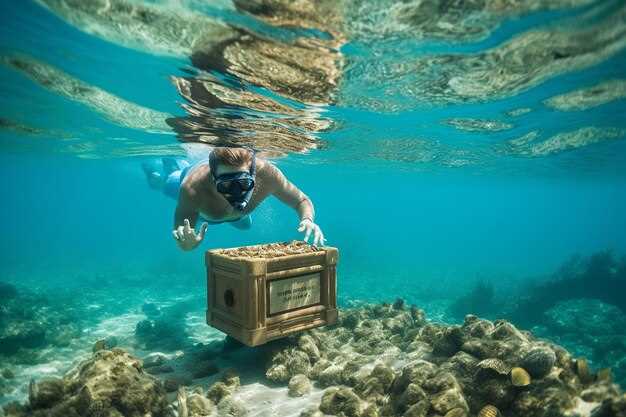
The Great Barrier Reef, located off the eastern coasts of Australia, is an extraordinary example of nature’s beauty and biodiversity. Stretching over 2,300 kilometers, this remarkable ecosystem is home to thousands of species, including vibrant coral reefs, diverse fish communities, and abundant marine life. As a custodian of this underwater paradise, the local communities and environmental specialists have implemented various practices aimed at sustaining and improving the reef’s health amidst the challenges posed by climate change and tourist activity.
In recent years, the health of the Great Barrier Reef has been under threat, with alarming reports indicating a decline in coral cover due to rising ocean temperatures, pollution, and limited sustainable practices. Efforts to create action plans and reduce detrimental impacts are crucial for preserving the delicate balance of this marine web. The reef is not merely a tourist destination; it serves a significant purpose for locals, contributing to their livelihoods while also embodying an incredible living laboratory for visitors and researchers alike.
Throughout this guide, we will explore distinct parts of the Great Barrier Reef, from its northern islands to the southern sections that showcase remarkable biodiversity and stunning landscapes. We will highlight routes that visitors can take to discover the wonders of this underwater world and provide insights into the various activities that support sustainability and enhance the overall tourist experience. By engaging with the realities faced by the reef and the communities that depend on it, we hope to inspire a deeper connection between travelers and this incredible natural treasure.
Impact of Climate Change on Coral Reefs
The Great Barrier Reef, a UNESCO World Heritage Site, is experiencing drastic changes due to climate change. The impacts are multifaceted and affect various sections of the ecosystem. Rising ocean temperatures are causing coral bleaching, which occurs when corals expel the symbiotic algae that give them color and nutrients. This process not only leads to lost biodiversity but also weakens the entire reef structure, making it more susceptible to diseases and external stresses.
Another critical issue is the increased levels of carbon dioxide in the atmosphere, which result in ocean acidification. This phenomenon affects the ability of corals to build their calcium carbonate skeletons, ultimately leading to a detrimental decrease in reef formation. Studies have shown that by the end of the century, many coral reefs could be in a state of poor health if current trends continue, causing significant repercussions on local societies that rely on reefs for food, tourism, and their spiritual connection to nature.
Pollutants from nearby lands also contribute to the problem. Non-point source pollution, caused by sedimentation and nutrients like phosphorus from agricultural runoff, harms water quality and increases harmful algal blooms. These pollutants disrupt native marine life and further threaten the delicate balance of the ecosystem. Consequently, managing these environmental pressures is crucial for the preservation of the Great Barrier Reef.
Locals and environmental organizations are advocating for the protection of this invaluable ecosystem, supporting various management systems and initiatives, including the GBRMPA (Great Barrier Reef Marine Park Authority) and GBRWHA (Great Barrier Reef World Heritage Area). Efforts are underway to improve awareness and policies that aim to lower the impact of climate change. Regular updates on the reef’s health provide society with essential maps and data to understand the regions most affected by climate change.
The ongoing debate continues regarding the best strategies for carbon reduction and reef management, highlighting the urgency of these issues. As we step into the future, the need for collective action is clear; our reliance on the Great Barrier Reef necessitates a unified approach to ensure its survival for generations to come. By discovering sustainable practices and endorsing responsible tourism, we can work towards a healthier environment that honors both the scientific and spiritual value of this natural wonder.
How Rising Temperatures Affect Coral Reefs

Rising ocean temperatures have a significant impact on coral reefs, causing detrimental effects that threaten these underwater ecosystems. The earliest signs of stress in coral populations, such as bleaching, can be directly linked to higher water temperatures. As temperature rises, corals expel the algae (zooxanthellae) that live in their tissues, leading to a loss of color and essential nutrients.
This mass bleaching event reduces biodiversity, affecting the entire marine food web. For example, a decline in coral health can lead to decreased populations of fish and other marine species that rely on coral reefs for habitat and food. Regions adjacent to the Great Barrier Reef are no exception, witnessing a significant reduction in marine life as a result of these changes.
The long-term effects of rising temperatures can be seen in shifts in species distribution, as marine life tends to move to cooler waters. Such shifts can reduce the number of visitors to specific tourist sites, negatively impacting local economies that rely on maritime tourism. Regulatory measures have been implemented to conserve the reef, but further action is essential to mitigate these impacts.
Additionally, these rising temperatures can lead to increased sedimentation and toxic algal blooms, further stressing coral systems. Mangrove forests, which help stabilize coastal regions, may also be impacted, affecting their ability to provide a buffer against extreme weather events. Sustainable trips to the reef must consciously join efforts to protect these fragile ecosystems.
To truly conserve coral reefs, it is essential to understand the data surrounding these environmental changes. The value of coral reefs extends beyond their beauty; they provide critical services, including shoreline protection and supporting local fisheries. In a way, every step taken towards reducing carbon emissions can also be a step toward preserving these underwater paradises for future generations.
The Role of Ocean Acidification in Coral Bleaching
Ocean acidification is a significant factor affecting the health of coral reefs. It occurs when carbon dioxide (CO2) from the atmosphere dissolves in ocean water, forming carbonic acid. This process lowers the pH of seawater, making it more acidic, which inhibits corals’ ability to grow and maintain their calcium carbonate structures. The implications of this are dire for reef ecosystems, which are vital for numerous marine species, including fish, sharks, and dugongs.
The selection of coral species that can survive in these changing conditions is becoming increasingly important. Studies have stated that certain corals are more resilient to acidification, but overall, the decline in coral health can be linked directly to this phenomenon. Higher levels of acidification result in poorer growth rates and reduced spawning success. Consequently, areas with significant declines in coral cover are being identified across the Great Barrier Reef.
Management strategies must address not only ocean acidification but also additional pressures such as overfishing and pollution, including plastic waste and mercury contamination. As it stands, coral reefs are under considerable threat, making their protection crucial. The Commonwealth and local operators have been actively seeking improvement in conservation efforts.
A recent report by Michael Parnell highlighted that the survival of reef-associated animal species is reliant on the health of seagrasses, which are directly impacted by acidification. These habitats provide essential substrate for young fish and contribute to the overall value of the ecosystem. Sadly, the improvement of coral health is still a work in progress, requiring dedicated efforts to reverse the negative trends observed.
| Factors Affecting Coral Health | Təsir |
|---|---|
| Ocean Acidification | Inhibits coral growth and resilience |
| Overfishing | Reduces fish populations necessary for reef dynamics |
| Plastic Pollution | Affects overall reef health and biodiversity |
| Mercury Contamination | Threatens marine life and human health |
The future of the Great Barrier Reef and its associated ecosystems hinges on the collaborative efforts of all stakeholders involved. Identifying effective management practices and fostering awareness among local communities is vital for extending the lifespan of these underwater wonders.
Effects of Climate Change on Marine Biodiversity
The Great Barrier Reef is a stunning representation of nature’s underwater paradise, but it is facing significant challenges due to climate change. These changes have a profound impact on marine biodiversity, threatening various forms of life within this ecosystem.
Several activities contribute to climate change, including increased pollution and greenhouse gas emissions. The rise in water temperatures affects the delicate balance of marine life, particularly atolls and coral reefs. Some key impacts include:
- Coral bleaching: Higher temperatures cause coral to expel the algae that live in symbiosis with them, leading to bleaching and increased vulnerability.
- Acidification: The absorption of excess CO2 by oceans reduces water pH levels, which in turn affects the ability of marine organisms to build shells, impacting entire food chains.
- Changes in species distribution: Warmer waters drive fish and other marine species to migrate towards cooler areas, often towards the eastern coastline or more temperate environments.
Understanding these impacts is a priority for local islander communities and maritime programs. Research, including studies by CSIRO, has emphasized the need for immediate action to mitigate these threats. Key steps include:
- Promoting sustainable tourism practices that minimize human impact on marine ecosystems.
- Implementing pollution controls to reduce the amount of mercury and other harmful substances entering the water.
- Establishing protected marine areas to safeguard critical habitats and species.
Your involvement as tourists, families, and individuals is crucial. Examples of positive actions you can take include:
- Participating in local conservation efforts and beach clean-ups.
- Choosing eco-friendly products and supporting initiatives that aim to restore eroding coastlines.
- Educating others about the significance of preserving marine biodiversity for future generations.
The long-term outlook for the Great Barrier Reef relies on collective efforts to combat climate change. The time to act is now, as the future of this spectacular marine biodiversity truly depends on our actions today.
Future Predictions for the Great Barrier Reef
The outlook for the Great Barrier Reef remains a subject of intense scientific scrutiny and debate. Recent nəşr olunub studies have indicated that, without immediate and significant action, the reef’s ecosystems may suffer drastic changes due to climate interference and pollution. Citizens and researchers alike have raised alarms over the ongoing challenges faced by local habitats, including the killing of vital species such as duqonqlar və deqradasiyası dəniz otu çəmənliklər.
Balıqçılıq, turizm və kənd təsərrüfatını tənzimləmə səyləri Kvinslend region müxtəlif yabanı həyatı qorumaq üçün prioritetləşdirilir. Üstəlik, kimi qurumlardan olan tədqiqatçılar Kembric və Hoegh-Guldberg biz əhəmiyyətli yaşayış yerlərini və onların sağlamlığını ətraflı şəkildə əks etdirən hərtərəfli xəritələr üzərində işləyirik, bununla da mühafizə üçün aydın çərçivələr təqdim etməyi hədəfləyirik. Lakin plastik tullantıları və nikel hasilatı kimi xarici amillərin yaratdığı maneələr bu müsbət tədbirlərə meydan oxumaqda davam edir.
rifin müxtəlif bölgələri müxtəlif sürətlə dəyişikliyə uğrayır, bu da tənzimləmə çərçivələrində məqsədyönlü müddəaların olmasını tələb edir. Bəzi bölgələr mərcanların ağarması hadisələrindən əziyyət çəkir, digərləri isə daha davamlı olaraq qalır. İnstitut Dəniz Elmləri zədələnmiş əraziləri bərpa etmək üçün müxtəlif yollar araşdırır, o cümlədən... manqrov yenidən əkmə və vağ layihələri yuvalandırmaq.
Yerli əhali ilə üçüncü tərəf təşkilatları arasında əməkdaşlıq çox vacibdir. Mərcan qayalarının qorunmasında fəal iştirak etmək üçün turistlər və tədqiqatçılarla qüvvələri birləşdirməyi hədəfləyən icma yönümlü təşəbbüslər elan edilmişdir. Bununla belə, yaxın gələcəkdə effektiv tədbirlər görülməsə, Böyük Sədd Rifinin iqlim dəyişiklikləri, insan fəaliyyəti və davamlı ekoloji stresslər səbəbindən böyük ölçüdə tanınmaz hala düşə bilər.
Ümidvarıq ki, davamlı tədqiqatlar və icma iştirakı bu təbii möcüzənin davamlı gələcəyini təmin etmək üçün lazımi addımları təmin edəcək və onun biomüxtəliflik mərkəzi kimi irsinin min illər boyu davam etməsini təmin edəcək.
Təsirləri Yumşaltmaq üçün Yerli və Qlobal Tədbirlər
Son illərdə, Status Böyük Sədd Rifinin ağarması yerli icmaları və qlobal təşkilatları bu sualtı cənnəti qorumaq üçün tədbirlər görməyə sövq edib. Qanunvericilik mərcan populyasiyalarını qorumağa yönəlmiş qanun hazırda hazırlanır ki, daxil et daha sərt qaydalar haqqında drenaj və israf tullantı dəniz mühitinə mənfi təsir göstərən təcrübələr substrat. Bu təkmilləşdirmələr mərcanların poliplər onlara layiq olduqları müdafiəni, xüsusən də həlledici dövrlərdə almalarını təmin etməlidir. kürü tökmə dövrlər.
Papua Yeni Qvineya və şərqi Avstraliya kimi regional departamentlərin səyləri yerli ada icmalarının birgə səyləri ilə dəstəklənmişdir. Bu təşəbbüslər sahilboyu ərazilərdə davamlı turizm təcrübələrinin zəruriliyini vurğulayır. kurortlar ekoloji tarazlığına hörmət edən və ziyarətçiləri təşviq edən kəşf et zərər vermədən müxtəlif yabanı həyatı. Birgə səylə, sorğular sağlamlığı izləmək üçün aparılır və achievements rif ekosistemlərinin sağlamlığını qiymətləndirməyə və təsirlərini izləməyə kömək edir. iqtisadi activities.
Hökumət tədbirlərinə əlavə olaraq, iqlim dəyişikliyinin və qalıq yanacaqlar dəniz həyatı haqqında. Kampaniyalar insanları rifin qorunmasına töhfə verəcək şüurlu seçimlər etməyə təşviq edir, zərərini minimuma endirməklə ekosistemlərinin gözəlliyindən zövq alan fəaliyyətləri təbliğ edir. Bu təşəbbüs qlobal istiləşmə probleminin həllinə yönəlmiş davamlı axtarışla paraleldir, hansı ki, inandı bu kövrək mühitlərə artan təzyiqə səbəb olan əhəmiyyətli bir amil olmaqdadır.
Ekspertlər vurğulayırlar ki, hərəkətə keçmək üçün vaxt məhz indi yetişib. Əhali artdıqca və təbii sərvətlərimizə təzyiq gücləndikcə, təcili və effektiv təcrübələrə olan ehtiyac daha da kritikləşir. Brodie-nin komandası tərəfindən başladılan layihələr davamlı yaratmağa yönəlib. selection mərcan rifinin uzunmüddətli yaşayış qabiliyyətini təmin edərkən, onun estetik cazibəsini qorumaq protokolları. Keçmişdəki çətinlikləri başa düşərək və innovativ həllərə doğru irəliləyərək, cəmiyyət meet Böyük Sədd Rifinin sağlamlığına zərər vurmadan iqtisadi artım tələbləri.
Xülasə olaraq, Böyük Sədd Rifini qorumaq üçün birgə təcrübələr və elmi irəliləyişlər onun gələcək nəsillər üçün mövcudluğunu təmin etmək üçün qətiyyətli səyləri nümayiş etdirir. Həm yerli, həm də qlobal tədbirlərin birləşməsi, həm təbiətin, həm də cəmiyyətin harmoniyada inkişaf edə biləcəyi bir reallığa nail olmaq üçün vacibdir.
Mərcanların qorunması səylərinə necə dəstək ola bilərsiniz
Böyük Sədd Rifləri, bioloji müxtəlifliklə zəngin, heyranedici bir ekosistem, mövcudluğunu təhdid edən problemlərlə üzləşir. Cəmiyyət olaraq, gələcək nəsillər üçün qorunmasını təmin etmək məqsədilə mərcanların qorunması işinə cəlb olunmaq çox vacibdir. Siz necə kömək edə bilərsiniz:
- Özünü Maarifləndir: Mərcan riflərinin biologiyasını və onların qarşılaşdıqları müxtəlif təhlükələri, məsələn, dibdərinləşdirmə və iqlim dəyişikliyi kimi problemləri anlamaq ilk addımdır. Kembric kimi qurumların resursları dəyərli məlumatlar təqdim edir.
- Karbon İzini Azaldın: Birlik dövlətinin davam edən qanunvericiliyi iqlim dəyişikliyini həll etməyə yönəlib. Qalıq yanacaqlardan istifadəni azaltmaqla və alternativ enerji mənbələrini dəstəkləməklə, rif sağlamlığına təsir edən karbon emissiyaları ilə mübarizə aparmağa kömək edirsiniz.
- Davamlı Təcrübələri Dəstəkləyin: Mümkün olduqca, məsuliyyətlə əldə edilmiş məhsulları seçin. Buraya rif ekosistemlərinə təsiri minimuma endirən dəniz məhsulları və turizm variantları daxildir.
- Mühafizə Proqramlarında İştirak Edin: Heron adası kimi yerli icmalarla əlaqə saxlamaq, rif dayanıqlığına yönəlmiş səylərə qoşulmağa imkan verir. Bir çox proqramlar COVID təhlükəsiz könüllü imkanları təklif edir.
- Qanunvericiliyin Müdafiəsi: Mərcan riflərini təsir edən siyasətlərdən xəbərdar olun və həssas yerlərdə kömür portu və sənaye inkişafı kimi zərərli fəaliyyətlərə qarşı daha sərt qaydalar tətbiq edilməsini müdafiə edin.
Maraqlıdır ki, əvvəlki tədqiqatlar mərcan sağlamlığını dəniz canlılarının ümumi davamlılığı ilə əlaqələndirib. Buna görə də, dünyadakı balıq növlərinin üçdə birinin sağ qalması, onların bir çoxu qabarma zonalarının yuxarılarında yerləşir, birbaşa mərcan ekosistemlərinin sağlamlığına bağlıdır.
Bu gün mərcan rifləri üçün perspektiv çətin, lakin ümidsiz görünmür. Qoruma səylərinə töhfə verməklə, siz bu sualtı cənnətlərin qorunmasını təmin edən daha böyük bir həllin bir hissəsi olursunuz. Rifə məsuliyyətlə baş çəkərək, insanlar və təbiət arasında davamlı bir əlaqənin yaranmasına kömək edirsiniz.
Unutmayın, hər kiçik səy önəmlidir. İstər qoruma xeyriyyə təşkilatlarını dəstəkləyin, istərsə də sadəcə mərcan riflərinin gözəlliyi və əhəmiyyəti haqqında məlumat yayın, hərəkətləriniz önəmlidir. Gəlin həllin bir parçası olaq və bu sualtı möcüzəni gələcək üçün qoruyaq.