


 简体中文
简体中文  English (UK)
  Русский
  বাংলা
বাংলা  العربية
  日本語
日本語  한국어
한국어  Magyar
  Norsk nynorsk
  Türkçe
  עִבְרִית
  Español
  Čeština
  Svenska
  Português
  Ελληνικά
  Suomi
Suomi  Nederlands
  Română
  Italiano
  Français
  Polski
  Українська
  Deutsch
  Slovenčina
  Српски језик
  اردو
اردو  Azərbaycan dili
  O‘zbekcha
  አማርኛ
አማርኛ 
Traveling in Japan can be an enriching experience, yet it often requires a solid understanding of the language to navigate daily situations effectively. This is where your Japanese phrasebook becomes an invaluable resource. Whether you are an enthusiastic traveler or a dedicated language learner, mastering essential phrases can significantly enhance your interactions. The beauty of the Japanese language lies not only in its sounds but also in the grammatical patterns that can make communication both safe and impactful within various contexts.
In this guide, we have compiled a list of phrases that are highly useful for various scenarios. From ordering food – perhaps some delicious butaniku (pork) – to navigating through public transportation with maps and guides, knowing the right phrases will help you avoid misunderstandings. Additionally, phrases like “tsukimasu” (to arrive) and “shiteimasu” (doing) will allow you to express yourself in meaningful ways. It’s important to follow the sound-based combinations and intonation patterns, as this will help you sound more like a native speaker.
Essential phrases can be categorized based on the situation – whether you are discussing your family, such as your mother or uncle, or asking about the status of something important. Learning these phrases will not only enhance your ability to converse but will also provide a deeper understanding of Japanese culture. As you work through this phrasebook, consider the exceptions and contextual nuances that may arise during your travels. Finally, remember that becoming fluent is a gradual process that requires practice, so don’t hesitate to use these phrases in your daily conversations.
Forming Sentences in Japanese
Forming sentences in Japanese can seem complicated at first due to its unique structure and use of various components. However, understanding the basics can provide a strong foundation for travellers and language learners alike. The Japanese language relies heavily on morphemes, which are the smallest units of meaning, and these are often combined to express complete thoughts.
One of the most important elements in crafting sentences is the copula “desu” (です), which is often used at the end of statements. In informal speech, this can be simplified to “da” (だ). For example, if you want to say “I am a student,” you would say “Watashi wa gakusei desu” (私は学生です). Here, “watashi” is ‘I’, “wa” is the topic marker, “gakusei” is the noun meaning ‘student’, and “desu” serves as the copula.
Japanese conveys meaning through various particles, known as “markers”. The most common include “wa” (は) for the topic, “ga” (が) for the subject, and “o” (を) for the object. These markers are crucial when forming sentences. For instance, in the sentence “I eat noodles,” you would say “Watashi wa men o tabemasu” (私は麺を食べます). In this case, “men” refers to ‘noodles’, and the sentence structure is subject-marker-object-verb.
Loanwords from English, especially in contemporary conversations, are often written in katakana, which adds a unique flair to the language. While learning Japanese, exposure to such terminology can be beneficial. For instance, if discussing food at a shopping street like Ideapark in Vaasa, one could use the phrase, “Kono resutoran no shokuhin wa oishii” (このレストランの食品は美味しい), which means “The food in this restaurant is delicious.”
For travellers facing limited time and seeking survival phrases, simplicity is key. Using straightforward structures such as “A ga suki desu” (Aが好きです) which translates to “I like A”, can suffice in many scenarios. Additionally, identifying symptoms or expressing needs can be streamlined with phrases such as “Tsukareteimasu” (疲れています) meaning “I am tired,” which can be vital in a medical context.
In conversation, it’s also relevant to know some slang and informal expressions. For instance, “Wakarimashita” (わかりました) means “I understand”, and can be simplified in informal settings to “Wakatta” (わかった). Using these variations allows for a more natural interaction.
In summary, forming sentences in Japanese requires familiarity with its basic structure, including the use of copulas, markers, and the proper placement of numerals and objects. The more you practice reading and speaking using these guidelines, the more your skills will improve, paving the way for enhanced communication during your travels in Japan.
Understanding Basic Sentence Structure
Understanding the basic sentence structure of Japanese is essential for effective communication, especially for travelers and language learners. Japanese sentences often have a different form compared to English, which can be a hurdle for many.
In Japanese, the typical sentence structure follows the pattern of Subject-Object-Verb (SOV). For example:
- Subject: Watashi (I)
- Object: tamago (egg)
- Verb: tabemasu (eat)
The complete sentence becomes: “Watashi wa tamago o tabemasu,” which means “I eat an egg.” This SOV pattern is a fundamental aspect that learners must decode as it differs from the Subject-Verb-Object (SVO) structure common in English.
Additionally, verbs play a special role in Japanese sentences. They often indicate tense and politeness. For instance, using “shiteimasu” suggests an ongoing action, while “tsukimasu” indicates future action. Understanding verb forms and their associated meanings is critical for successful conversations.
Japanese also has unique characteristics such as plural forms, which are not always indicated in the same way as in English. Context plays a vital role in understanding whether a noun is singular or plural. For example, the word “mizu” (water) remains “mizu” whether it refers to one or many, and the meaning can depend on the surrounding context.
It’s important to be cautious with common phrases when learning. Some expressions might not directly translate, providing entirely different meanings. For instance, the polite phrase “gochisōsama” is used after a meal to express gratitude, yet its literal translation does not cover the cultural significance behind it.
To master sentence structure, learners should engage with various texts, utilize dictionaries, and immerse themselves in conversation groups. Listening and reading materials that list English-Japanese-English translations can help grasp formal and informal usage of phrases.
When creating sentences, consider the ingredients of a good structure:
- Identify the subject (e.g., “Yamada-san”)
- Determine the object (e.g., “gasorin” for gasoline)
- Choose the appropriate verb (e.g., “rent-a-car” for renting a car)
Remember, practicing basic structures helps build a strong foundation. Instead of making hard sentences, start with simple ones and gradually advance. The path of learning Japanese might seem daunting, but with patience and practice, it’s an enjoyable journey.
Your understanding of these fundamental topics will lead to a more fluid and confident experience whether exploring the market or asking for directions along “michi” (way). Embrace the learning process and feel the heart of this beautiful language.
Identifying Subject, Object, and Verb
Understanding the structure of sentences in Japanese is essential for language learners and travelers alike. The basics involve identifying the subject, object, and verb within a sentence. This framework can significantly enhance your reading and speaking skills, especially when conversing with native speakers or while exploring contexts in daily life.
In Japanese, the subject typically indicates who is performing the action. For example, in the sentence “私はご飯を食べます” (Watashi wa gohan o tabemasu – “I eat rice”), “私は” (Watashi wa) identifies the subject. Here, “私” (watashi) means “I,” and it is crucial for making your meaning clear. Knowing the subject helps in forming sentences that your friends and conversational partners will easily understand.
The object, on the other hand, refers to what is being acted upon. In the same example, “ご飯” (gohan) is the object, meaning “rice.” This structure differs from English where the object often follows the verb. Japanese uses particles like “を” (o) to denote the object, establishing a clear relationship between the action and what is affected by it.
The verb is the action word, an essential morpheme in the sentence. In our example, “食べます” (tabemasu) is the verb, which means “to eat.” Identifying verbs is crucial as they express what the subject is doing. In Korean, there are also honorifics and formal forms, similar to Japanese levels of politeness, such as “ごめん” (gomen), used informally. Being aware of this can help you communicate effectively in various social situations.
| Element | Example | Meaning |
|---|---|---|
| 主题 | 私は (Watashi wa) | I |
| Object | ご飯を (gohan o) | rice |
| 动词 | 食べます (tabemasu) | eat |
Using these elements effectively allows you to form coherent sentences. As you expand your vocabulary and practice with numerals, food, or anything related to your interests like wine or travel plans, try to structure your sentences correctly. This can be a major factor in solidifying your understanding of Japanese language and grammar.
For instance, if you wish to say “I want to leave my telephone in the front” in Japanese, you might formulate the sentence as “私は電話を前に置きたいです” (Watashi wa denwa o mae ni okitai desu). Here, the structure remains consistent: subject, object, and verb.
Engagement with different forms of media, such as reading texts or listening to popular phrases in Japanese, enables you to practice these elements and improve fluency. Whether you are learning informally or through structured methods using a specific dictionary, being able to identify and utilize subjects, objects, and verbs will certainly enrich your capability to communicate effectively.
Using Particles Correctly
In the Japanese language, particles play a crucial role in expressing grammatical relationships between words. They affect the meaning and function of phrases, making them an essential part of communication. Understanding how to use particles correctly can significantly enhance your travels and experiences in Japan.
Particles, such as “は” (wa), “が” (ga), and “を” (o), differ in their functions. For instance, “は” indicates the topic of a sentence, while “が” emphasizes the subject. Mastering these distinctions can prevent misunderstandings during your interactions. When you greet someone with “おはようございます” (ohayou gozaimasu), you’re applying particles appropriately to convey politeness and respect.
When ordering food or making requests, using particles is vital for clarity. For example, when asking for rice (ごはん), it’s important to use the correct particle to indicate what you want. A phrasebook can guide you in these situations by providing essential vocabulary and proper grammatical forms.
In daily conversations, situations can arise that require you to express feelings or preferences. Using particles correctly will allow you to share your thoughts more effectively. For example, “私は本が好きです” (Watashi wa hon ga suki desu) clearly expresses your liking for books, highlighting the correct use of “は” and “が”.
Furthermore, understanding the cultural context of these particles will enhance your communication. In Japan, politeness is a significant part of the culture. Using formal particles can show respect, especially towards older speakers or customers. This humility not only improves your interactions but also reflects your understanding of Japanese society.
As you explore cities like Kuopio, Kouvola, or Lappeenranta, you will encounter various expressions that incorporate particles. When using public transport or navigating orderly streets, being familiar with particles will help you interpret signs and guides more efficiently.
In your language education, regularly practicing with these particles will solidify your understanding. Utilizing resources such as dictionaries and phrasebooks, along with engaging in conversations, allows you to become a more confident speaker. The more you practice, the closer you will get to fluency.
Remember, while particles may seem weak at first, they are a powerful tool in shaping your Japanese language skills. They become part of your unique expression and help you connect with those around you. Thank you for diving into the world of particles! Enjoy your travels and the beautiful culture of Japan.
Forming Questions in Japanese

Forming questions in Japanese can initially seem complicated, especially for English-speaking travelers. However, understanding a few basic techniques will greatly improve your communication skills and make your travels more enjoyable. Below are essential tips for creating questions in a natural and respectful way.
In Japanese, questions are often regarded as simple patterns that you can use consistently. Here are some key points to consider:
- Basic Structure: A fundamental way to form a question is by adding the particle か (ka) at the end of a statement. For example, if “Yamada-san is here” is said as “Yamada-san ga imasu,” then to ask “Is Yamada-san here?” you would say “Yamada-san ga imasu ka?”
- 词序: Japanese typically follows a Subject-Object-Verb order, which can be different from the Subject-Verb-Object structure of English. When asking questions, remember to keep this order in mind. For instance: “Where is the rent-a-car?” translates to “Rent-a-car wa doko desu ka?”
- Using Question Words: Incorporating question words like どこ (doko – where), 何 (nani – what), and 誰 (dare – who) can lead to better inquiries. For instance, “Shopping is fun” can be turned into “Where is shopping fun?” in Japanese as “Doko de shopping ga tanoshii desu ka?”
It’s also important to understand the subtle differences in politeness levels when asking questions. Using respectful language is key, especially when speaking with older individuals or those in authority.
- Politeness Levels: When addressing someone respectfully, consider using です (desu) at the end of your questions. For example, “Is it cheap?” would be “Yasui desu ka?”
- Extensive Vocabulary: The more vocabulary you acquire, the better you will communicate. For instance, learning how to ask for symptoms in a medical setting can be beneficial. You might say “Anata no shoujou wa nan desu ka?” meaning “What are your symptoms?”
For English speakers diving into the Japanese language, forming questions becomes easier with practice. Utilize resources like dictionaries and phrasebooks to expand your knowledge. Here are a few additional phrases to get started:
- “Ah-ree-gah-tohh” (Thank you)
- “Magatte” (Turn around)
- “Yonde” (Read)
Whenever you travel, engage with locals by using these phrases and question patterns. Learning to ask questions not only enriches your travels but also helps form deeper connections with the people you meet along the way.
In conclusion, while forming questions in Japanese may seem complicated, it becomes user-friendly with the right approach. Keep practicing, and you will improve significantly during your travels.
Combining Sentences for Clarity
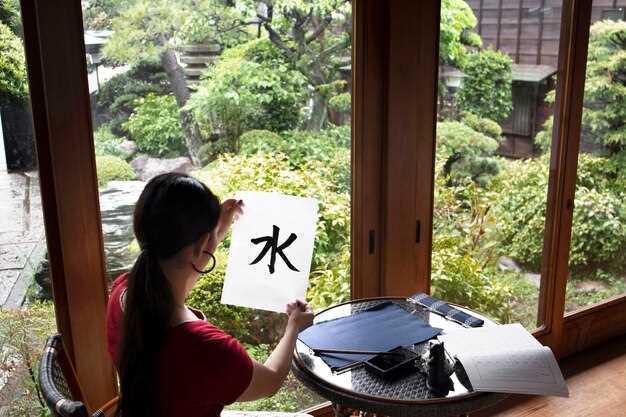
When learning a new language, especially Japanese, combining sentences effectively can enhance clarity and communication. By merging ideas, speakers can convey meaning more efficiently, reducing the potential for confusion. This practice is especially useful in various situations such as ordering food, asking for directions, or shopping.
In everyday conversations, low-context styles, like those often observed in Dutch or English, may prioritize straightforwardness. However, in Japanese, where the context and politeness are essential, creating structured patterns becomes crucial. For instance, rather than saying, “Excuse me, where is the police station?” and “I need to stop there,” a more polite and combined approach like, “Sumimasen, doko de keisatsu-sho ni ikitai desu ka?” (Excuse me, where do I want to go to the police station?) is more effective.
Utilizing loanwords and morphemes can also aid in constructing clear sentences. For example, saying “Ippai no soup” (a lot of soup) can both express your needs and facilitate easier understanding among listeners. Combine this with local ingredients or currency terms, and you make your intentions even clearer within the context of shopping.
Another beneficial strategy involves employing conjunctions and questions to connect sentences more fluidly. Try phrases like, “Haha wa taiwan ni ikimashita, aitsu wa koku no rekishi ga suki desu” (My mother went to Taiwan, and she enjoys the local history). This not only provides additional context but also invites further conversation. By keeping sentences orderly, learners can better express complex thoughts without overwhelming their audience with unfamiliar structures.
Additionally, in scenarios like checking items over the telephone or addressing specific needs related to symptoms or shopping, combining relevant phrases can prevent confusion. Instead of stating each point separately, saying, “Watashi no pocket ni credit card ga arimasu, kaeru no ni doko ni ikけば ii desu ka?” (I have a credit card in my pocket; where should I go to exchange this?) combines relevant information into a single, concise inquiry.
In conclusion, developing the ability to combine sentences not only aids in clarity but also fosters smoother communication in various settings. As you continue your language-learning journey, practice ensuring your sentences are elaborate yet straightforward, helping you navigate unfamiliar situations with ease, whether in Helsinki, China, or during your evening shopping excursions.