


 עִבְרִית
  English (UK)
  Русский
  বাংলা
বাংলা  العربية
  日本語
日本語  한국어
한국어  Magyar
  Norsk nynorsk
  Türkçe
  Español
  Čeština
  Svenska
  Português
  Ελληνικά
  Suomi
Suomi  Nederlands
  Română
  Italiano
  Français
  Polski
  Українська
  Deutsch
  简体中文
简体中文  Slovenčina
  Српски језик
  اردو
اردو  Azərbaycan dili
  O‘zbekcha
  አማርኛ
አማርኛ 
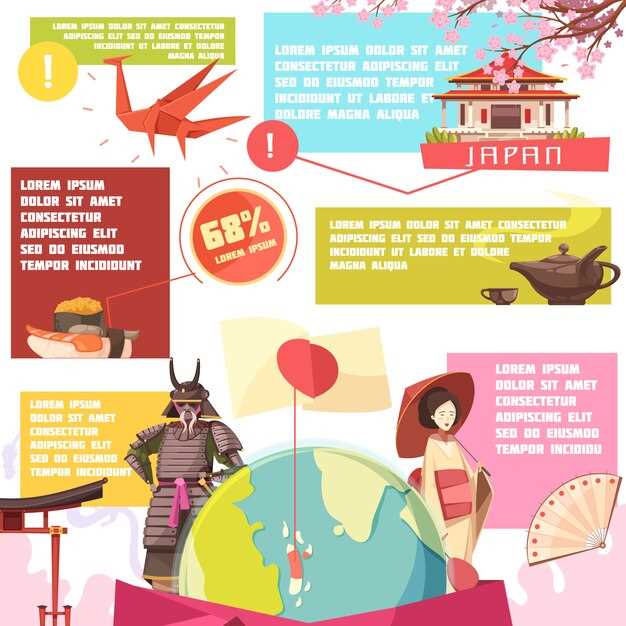
Traveling in Japan can be an enriching experience, yet it often requires a solid understanding of the language to navigate daily situations effectively. This is where your Japanese phrasebook becomes an invaluable resource. Whether you are an enthusiastic traveler or a dedicated language learner, mastering essential phrases can significantly enhance your interactions. The beauty of the Japanese language lies not only in its sounds but also in the grammatical patterns that can make communication both safe and impactful within various contexts.
In this guide, we have compiled a list of phrases that are highly useful for various scenarios. From ordering food – perhaps some delicious butaniku (pork) – to navigating through public transportation with maps and guides, knowing the right phrases will help you avoid misunderstandings. Additionally, phrases like “tsukimasu” (to arrive) and “shiteimasu” (doing) will allow you to express yourself in meaningful ways. It’s important to follow the sound-based combinations and intonation patterns, as this will help you sound more like a native speaker.
Essential phrases can be categorized based on the situation – whether you are discussing your family, such as your mother or uncle, or asking about the status of something important. Learning these phrases will not only enhance your ability to converse but will also provide a deeper understanding of Japanese culture. As you work through this phrasebook, consider the exceptions and contextual nuances that may arise during your travels. Finally, remember that becoming fluent is a gradual process that requires practice, so don’t hesitate to use these phrases in your daily conversations.
Forming Sentences in Japanese
Forming sentences in Japanese can seem complicated at first due to its unique structure and use of various components. However, understanding the basics can provide a strong foundation for travellers and language learners alike. The Japanese language relies heavily on morphemes, which are the smallest units of meaning, and these are often combined to express complete thoughts.
One of the most important elements in crafting sentences is the copula “desu” (です), which is often used at the end of statements. In informal speech, this can be simplified to “da” (だ). For example, if you want to say “I am a student,” you would say “Watashi wa gakusei desu” (私は学生です). Here, “watashi” is ‘I’, “wa” is the topic marker, “gakusei” is the noun meaning ‘student’, and “desu” serves as the copula.
Japanese conveys meaning through various particles, known as “markers”. The most common include “wa” (は) for the topic, “ga” (が) for the subject, and “o” (を) for the object. These markers are crucial when forming sentences. For instance, in the sentence “I eat noodles,” you would say “Watashi wa men o tabemasu” (私は麺を食べます). In this case, “men” refers to ‘noodles’, and the sentence structure is subject-marker-object-verb.
Loanwords from English, especially in contemporary conversations, are often written in katakana, which adds a unique flair to the language. While learning Japanese, exposure to such terminology can be beneficial. For instance, if discussing food at a shopping street like Ideapark in Vaasa, one could use the phrase, “Kono resutoran no shokuhin wa oishii” (このレストランの食品は美味しい), which means “The food in this restaurant is delicious.”
For travellers facing limited time and seeking survival phrases, simplicity is key. Using straightforward structures such as “A ga suki desu” (Aが好きです) which translates to “I like A”, can suffice in many scenarios. Additionally, identifying symptoms or expressing needs can be streamlined with phrases such as “Tsukareteimasu” (疲れています) meaning “I am tired,” which can be vital in a medical context.
In conversation, it’s also relevant to know some slang and informal expressions. For instance, “Wakarimashita” (わかりました) means “I understand”, and can be simplified in informal settings to “Wakatta” (わかった). Using these variations allows for a more natural interaction.
In summary, forming sentences in Japanese requires familiarity with its basic structure, including the use of copulas, markers, and the proper placement of numerals and objects. The more you practice reading and speaking using these guidelines, the more your skills will improve, paving the way for enhanced communication during your travels in Japan.
Understanding Basic Sentence Structure
Understanding the basic sentence structure of Japanese is essential for effective communication, especially for travelers and language learners. Japanese sentences often have a different form compared to English, which can be a hurdle for many.
In Japanese, the typical sentence structure follows the pattern of Subject-Object-Verb (SOV). For example:
- Subject: Watashi (I)
- Object: tamago (egg)
- Verb: tabemasu (eat)
The complete sentence becomes: “Watashi wa tamago o tabemasu,” which means “I eat an egg.” This SOV pattern is a fundamental aspect that learners must decode as it differs from the Subject-Verb-Object (SVO) structure common in English.
Additionally, verbs play a special role in Japanese sentences. They often indicate tense and politeness. For instance, using “shiteimasu” suggests an ongoing action, while “tsukimasu” indicates future action. Understanding verb forms and their associated meanings is critical for successful conversations.
Japanese also has unique characteristics such as plural forms, which are not always indicated in the same way as in English. Context plays a vital role in understanding whether a noun is singular or plural. For example, the word “mizu” (water) remains “mizu” whether it refers to one or many, and the meaning can depend on the surrounding context.
It’s important to be cautious with common phrases when learning. Some expressions might not directly translate, providing entirely different meanings. For instance, the polite phrase “gochisōsama” is used after a meal to express gratitude, yet its literal translation does not cover the cultural significance behind it.
To master sentence structure, learners should engage with various texts, utilize dictionaries, and immerse themselves in conversation groups. Listening and reading materials that list English-Japanese-English translations can help grasp formal and informal usage of phrases.
When creating sentences, consider the ingredients of a good structure:
- Identify the subject (e.g., “Yamada-san”)
- Determine the object (e.g., “gasorin” for gasoline)
- Choose the appropriate verb (e.g., “rent-a-car” for renting a car)
Remember, practicing basic structures helps build a strong foundation. Instead of making hard sentences, start with simple ones and gradually advance. The path of learning Japanese might seem daunting, but with patience and practice, it’s an enjoyable journey.
Your understanding of these fundamental topics will lead to a more fluid and confident experience whether exploring the market or asking for directions along “michi” (way). Embrace the learning process and feel the heart of this beautiful language.
Identifying Subject, Object, and Verb
Understanding the structure of sentences in Japanese is essential for language learners and travelers alike. The basics involve identifying the subject, object, and verb within a sentence. This framework can significantly enhance your reading and speaking skills, especially when conversing with native speakers or while exploring contexts in daily life.
In Japanese, the subject typically indicates who is performing the action. For example, in the sentence “私はご飯を食べます” (Watashi wa gohan o tabemasu – “I eat rice”), “私は” (Watashi wa) identifies the subject. Here, “私” (watashi) means “I,” and it is crucial for making your meaning clear. Knowing the subject helps in forming sentences that your friends and conversational partners will easily understand.
The object, on the other hand, refers to what is being acted upon. In the same example, “ご飯” (gohan) is the object, meaning “rice.” This structure differs from English where the object often follows the verb. Japanese uses particles like “を” (o) to denote the object, establishing a clear relationship between the action and what is affected by it.
The verb is the action word, an essential morpheme in the sentence. In our example, “食べます” (tabemasu) is the verb, which means “to eat.” Identifying verbs is crucial as they express what the subject is doing. In Korean, there are also honorifics and formal forms, similar to Japanese levels of politeness, such as “ごめん” (gomen), used informally. Being aware of this can help you communicate effectively in various social situations.
| Element | דוגמה | Meaning |
|---|---|---|
| נושא | 私は (Watashi wa) | I |
| Object | ご飯を (gohan o) | אורז |
| Verb | 食べます (tabemasu) | eat |
Using these elements effectively allows you to form coherent sentences. As you expand your vocabulary and practice with numerals, food, or anything related to your interests like wine or travel plans, try to structure your sentences correctly. This can be a major factor in solidifying your understanding of Japanese language and grammar.
For instance, if you wish to say “I want to leave my telephone in the front” in Japanese, you might formulate the sentence as “私は電話を前に置きたいです” (Watashi wa denwa o mae ni okitai desu). Here, the structure remains consistent: subject, object, and verb.
Engagement with different forms of media, such as reading texts or listening to popular phrases in Japanese, enables you to practice these elements and improve fluency. Whether you are learning informally or through structured methods using a specific dictionary, being able to identify and utilize subjects, objects, and verbs will certainly enrich your capability to communicate effectively.
Using Particles Correctly
In the Japanese language, particles play a crucial role in expressing grammatical relationships between words. They affect the meaning and function of phrases, making them an essential part of communication. Understanding how to use particles correctly can significantly enhance your travels and experiences in Japan.
Particles, such as “は” (wa), “が” (ga), and “を” (o), differ in their functions. For instance, “は” indicates the topic of a sentence, while “が” emphasizes the subject. Mastering these distinctions can prevent misunderstandings during your interactions. When you greet someone with “おはようございます” (ohayou gozaimasu), you’re applying particles appropriately to convey politeness and respect.
When ordering food or making requests, using particles is vital for clarity. For example, when asking for rice (ごはん), it’s important to use the correct particle to indicate what you want. A phrasebook can guide you in these situations by providing essential vocabulary and proper grammatical forms.
In daily conversations, situations can arise that require you to express feelings or preferences. Using particles correctly will allow you to share your thoughts more effectively. For example, “私は本が好きです” (Watashi wa hon ga suki desu) clearly expresses your liking for books, highlighting the correct use of “は” and “が”.
יתרה מכך, הבנת ההקשר התרבותי של חלקיקים אלה תשפר את התקשורת שלך. ביפן, נימוס הוא חלק משמעותי בתרבות. שימוש בחלקיקים רשמיים יכול להראות כבוד, במיוחד כלפי דוברים מבוגרים או לקוחות. ענווה זו לא רק משפרת את האינטראקציות שלך, אלא גם משקפת את ההבנה שלך בחברה היפנית.
כשאתם חוקרים ערים כמו קואופיו, קובולה או לאפנראנטה, תיתקלו בביטויים שונים המשincorporים חלקיקים. כשאתם משתמשים בתחבורה ציבורית או מנווטים ברחובות מסודרים, היכרות עם חלקיקים תעזור לכם לפרש שלטים ומדריכים בצורה יעילה יותר.
בלימודי השפה שלך, תרגול קבוע עם חלקיקי המילים האלה יחזק את ההבנה שלך. שימוש במשאבים כגון מילונים וספרי שיחות, יחד עם השתתפות בשיחות, יאפשר לך להפוך לדובר בטוח יותר. ככל שתתאמן יותר, כך תתקרב יותר לשליטה בשפה.
זכרו, על אף שנראה שחלקיקים הם דבר חלש בהתחלה, הם כלי רב עוצמה בעיצוב כישורי השפה היפנית שלכם. הם הופכים לחלק מהביטוי הייחודי שלכם ועוזרים לכם להתחבר עם הסובבים אתכם. תודה שצללתם לעולם החלקיקים! תיהנו מהטיולים שלכם ומהתרבות היפה של יפן.
יצירת שאלות ביפנית

יצירת שאלות ביפנית עשויה להיראות מסובכת בהתחלה, במיוחד למטיילים דוברי אנגלית. עם זאת, הבנת מספר טכניקות בסיסיות תשפר מאוד את כישורי התקשורת שלכם ותהפוך את הטיולים שלכם למהנים יותר. להלן טיפים חיוניים ליצירת שאלות בצורה טבעית ומכבדת.
ביפנית, שאלות נחשבות לעתים קרובות לתבניות פשוטות שניתן להשתמש בהן בעקביות. הנה כמה נקודות עיקריות שכדאי לקחת בחשבון:
- מבנה בסיסי: דרך בסיסית ליצור שאלה היא על ידי הוספת המילה か (か) בסוף משפט. לדוגמה, אם אומרים “יאמאדה-סאן כאן” בתור “יאמאדה-סאן גה אימאסו”, אז כדי לשאול “האם יאמאדה-סאן כאן?” תאמרו “יאמאדה-סאן גה אימאסו קה?”.”
- סדר מילים: יפנית בדרך כלל עוקבת אחר סדר נושא-מושא-פועל, אשר יכול להיות שונה ממבנה נושא-פועל-מושא של אנגלית. כששואלים שאלות, זכרו לשמור על סדר זה בראש. לדוגמה: “איפה ההשכרת רכב?” מתורגם ל- “Rent-a-car wa doko desu ka?”.”
- שימוש במילות שאלה: שילוב מילות שאלה כמו איפה (דוקו – איפה), 何 (נאני – מה), ו 誰 (להעז – מי) יכול להוביל לחקירות טובות יותר. לדוגמה, “כיף לעשות קניות” יכול להפוך ל- “איפה כיף לעשות קניות?” ביפנית כ- “Doko de shopping ga tanoshii desu ka?”
חשוב גם להבין את ההבדלים הדקים ברמות הנימוס כששואלים שאלות. שימוש בשפה מכבדת הוא המפתח, במיוחד כשמדברים עם אנשים מבוגרים או בעלי סמכות.
- רמות נימוס: כשפונים למישהו בכבוד, כדאי לשקול להשתמש ב- זה. (です) בסוף השאלות שלך. לדוגמה, “האם זה זול?” יהיה “יאסוי דסו קה?”
- אוצר מילים נרחב: ככל שתצברו יותר אוצר מילים, כך התקשורת שלכם תהיה טובה יותר. לדוגמה, למידת השאלה על תסמינים בהקשר רפואי יכולה להיות מועילה. אפשר לומר “Anata no shoujou wa nan desu ka?”, שפירושו “מה התסמינים שלך?”.”
לדוברי אנגלית הצוללים לשפה היפנית, ניסוח שאלות הופך לקל יותר עם תרגול. השתמשו במשאבים כמו מילונים וספרי שיחה כדי להרחיב את הידע שלכם. הנה כמה צירופים נוספים כדי להתחיל:
- “אָה-רִי-גָה-טוֹ” (תודה)
- “מגטה” (להסתובב)
- “יוֹנְדֶה” (קְרָא)
בכל פעם שאתם מטיילים, צרו קשר עם המקומיים באמצעות שימוש בביטויים ובדפוסי שאלות אלה. לימוד שאלת שאלות לא רק מעשיר את הטיולים שלכם, אלא גם עוזר ליצור קשרים עמוקים יותר עם האנשים שאתם פוגשים בדרך.
לסיכום, בעוד ששאלת שאלות ביפנית עשויה להיראות מסובכת, היא הופכת לידידותית למשתמש עם הגישה הנכונה. המשיכו להתאמן, ותשתפרו משמעותית במהלך הנסיעות שלכם.
שילוב משפטים לבהירות
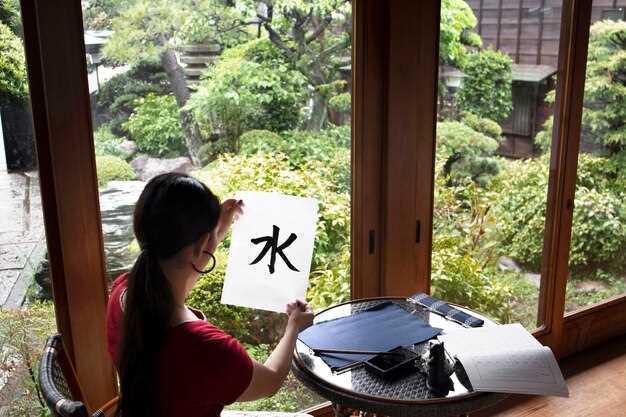
כשניגשים ללימוד שפה חדשה, במיוחד יפנית, שילוב משפטים בצורה יעילה יכול לשפר את הבהירות והתקשורת. על ידי מיזוג רעיונות, הדוברים יכולים להעביר משמעות בצורה יעילה יותר, ולהפחית את הפוטנציאל לבלבול. תרגול זה שימושי במיוחד במצבים שונים כמו הזמנת אוכל, בקשת הנחיות או קניות.
סגנונות תקשורת דלי הקשר, כמו אלה שנצפו לעתים קרובות בהולנדית או באנגלית, עשויים לתת עדיפות לפשטות בשיחות יומיומיות. עם זאת, ביפנית, שבה ההקשר והנימוס חיוניים, יצירת דפוסים מובנים הופכת מכרעת. לדוגמה, במקום לומר, “סליחה, איפה תחנת המשטרה?” ו“אני צריך לעצור שם”, גישה מנומסת ומשולבת יותר כמו, “סליחה, איך אני מגיע לתחנת המשטרה?”״(סליחה, לאן אני רוצה להגיע לתחנת המשטרה?) יותר אפקטיבי.".
שימוש במילים שאולות ומורפמות יכול גם לסייע בבניית משפטים ברורים. לדוגמה, לומר “Ippai no soup” (הרבה מרק) יכול גם לבטא את הצרכים שלך וגם להקל על הבנה קלה יותר בקרב המאזינים. שלבו זאת עם מרכיבים מקומיים או מונחי מטבע, ותבהירו את כוונותיכם עוד יותר בהקשר של קניות.
אסטרטגיה מועילה נוספת כוללת שימוש במילות קישור ושאלות לחיבור משפטים בצורה זורמת יותר. נסו משפטים כמו, “חחח אמא נסעה לטייוואן, הוא אוהב את ההיסטוריה של המדינה הזאת.”״(אמא שלי נסעה לטייוואן, והיא נהנית מההיסטוריה המקומית). זה לא רק מספק הקשר נוסף אלא גם מזמין שיחה נוספת. על ידי שמירה על משפטים מסודרים, לומדים יכולים לבטא טוב יותר מחשבות מורכבות מבלי להציף את הקהל שלהם במבנים לא מוכרים.״.
בנוסף, בתרחישים כמו בדיקת פריטים בטלפון או התייחסות לצרכים ספציפיים הקשורים לתסמינים או קניות, שילוב של ביטויים רלוונטיים יכול למנוע בלבול. במקום לציין כל נקודה בנפרד, אמירה, “יש לי כרטיס אשראי בכיס, לאן עלי ללכת כדי לקנות צפרדע?”״(יש לי כרטיס אשראי בכיס; לאן עלי ללכת כדי להמיר אותו?) משלב מידע רלוונטי לשאלה תמציתית אחת.".
לסיכום, פיתוח היכולת לשלב משפטים לא רק מסייע לבהירות אלא גם מטפח תקשורת חלקה יותר בהגדרות שונות. כשאתם ממשיכים במסע לימוד השפה שלכם, תרגלו לוודא שהמשפטים שלכם מפורטים אך פשוטים, מה שיעזור לכם לנווט במצבים לא מוכרים בקלות, בין אם בהלסינקי, בסין או במהלך טיולי הקניות הערב שלכם.