


 O‘zbekcha
  English (UK)
  Русский
  বাংলা
বাংলা  العربية
  日本語
日本語  한국어
한국어  Magyar
  Norsk nynorsk
  Türkçe
  עִבְרִית
  Español
  Čeština
  Svenska
  Português
  Ελληνικά
  Suomi
Suomi  Nederlands
  Română
  Italiano
  Français
  Polski
  Українська
  Deutsch
  简体中文
简体中文  Slovenčina
  Српски језик
  اردو
اردو  Azərbaycan dili
  አማርኛ
አማርኛ 
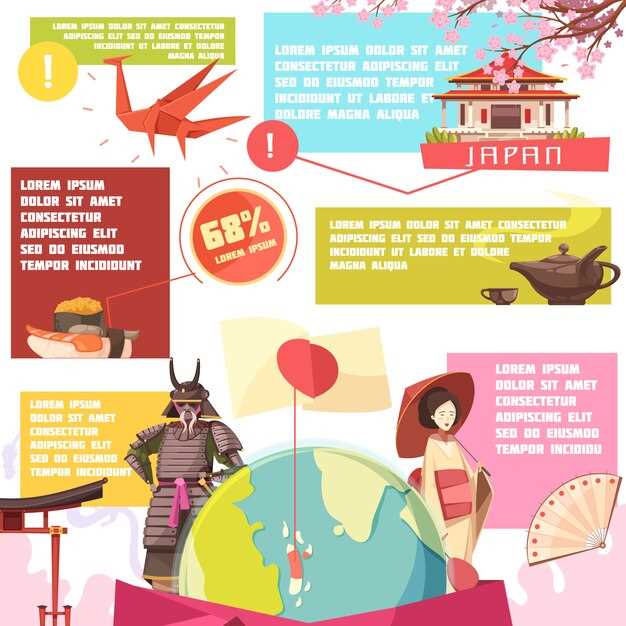
Traveling in Japan can be an enriching experience, yet it often requires a solid understanding of the language to navigate daily situations effectively. This is where your Japanese phrasebook becomes an invaluable resource. Whether you are an enthusiastic traveler or a dedicated language learner, mastering essential phrases can significantly enhance your interactions. The beauty of the Japanese language lies not only in its sounds but also in the grammatical patterns that can make communication both safe and impactful within various contexts.
In this guide, we have compiled a list of phrases that are highly useful for various scenarios. From ordering food – perhaps some delicious butaniku (pork) – to navigating through public transportation with maps and guides, knowing the right phrases will help you avoid misunderstandings. Additionally, phrases like “tsukimasu” (to arrive) and “shiteimasu” (doing) will allow you to express yourself in meaningful ways. It’s important to follow the sound-based combinations and intonation patterns, as this will help you sound more like a native speaker.
Essential phrases can be categorized based on the situation – whether you are discussing your family, such as your mother or uncle, or asking about the status of something important. Learning these phrases will not only enhance your ability to converse but will also provide a deeper understanding of Japanese culture. As you work through this phrasebook, consider the exceptions and contextual nuances that may arise during your travels. Finally, remember that becoming fluent is a gradual process that requires practice, so don’t hesitate to use these phrases in your daily conversations.
Forming Sentences in Japanese
Forming sentences in Japanese can seem complicated at first due to its unique structure and use of various components. However, understanding the basics can provide a strong foundation for travellers and language learners alike. The Japanese language relies heavily on morphemes, which are the smallest units of meaning, and these are often combined to express complete thoughts.
One of the most important elements in crafting sentences is the copula “desu” (です), which is often used at the end of statements. In informal speech, this can be simplified to “da” (だ). For example, if you want to say “I am a student,” you would say “Watashi wa gakusei desu” (私は学生です). Here, “watashi” is ‘I’, “wa” is the topic marker, “gakusei” is the noun meaning ‘student’, and “desu” serves as the copula.
Japanese conveys meaning through various particles, known as “markers”. The most common include “wa” (は) for the topic, “ga” (が) for the subject, and “o” (を) for the object. These markers are crucial when forming sentences. For instance, in the sentence “I eat noodles,” you would say “Watashi wa men o tabemasu” (私は麺を食べます). In this case, “men” refers to ‘noodles’, and the sentence structure is subject-marker-object-verb.
Loanwords from English, especially in contemporary conversations, are often written in katakana, which adds a unique flair to the language. While learning Japanese, exposure to such terminology can be beneficial. For instance, if discussing food at a shopping street like Ideapark in Vaasa, one could use the phrase, “Kono resutoran no shokuhin wa oishii” (このレストランの食品は美味しい), which means “The food in this restaurant is delicious.”
For travellers facing limited time and seeking survival phrases, simplicity is key. Using straightforward structures such as “A ga suki desu” (Aが好きです) which translates to “I like A”, can suffice in many scenarios. Additionally, identifying symptoms or expressing needs can be streamlined with phrases such as “Tsukareteimasu” (疲れています) meaning “I am tired,” which can be vital in a medical context.
In conversation, it’s also relevant to know some slang and informal expressions. For instance, “Wakarimashita” (わかりました) means “I understand”, and can be simplified in informal settings to “Wakatta” (わかった). Using these variations allows for a more natural interaction.
In summary, forming sentences in Japanese requires familiarity with its basic structure, including the use of copulas, markers, and the proper placement of numerals and objects. The more you practice reading and speaking using these guidelines, the more your skills will improve, paving the way for enhanced communication during your travels in Japan.
Understanding Basic Sentence Structure
Understanding the basic sentence structure of Japanese is essential for effective communication, especially for travelers and language learners. Japanese sentences often have a different form compared to English, which can be a hurdle for many.
In Japanese, the typical sentence structure follows the pattern of Subject-Object-Verb (SOV). For example:
- Subject: Watashi (I)
- Object: tamago (egg)
- Verb: tabemasu (eat)
The complete sentence becomes: “Watashi wa tamago o tabemasu,” which means “I eat an egg.” This SOV pattern is a fundamental aspect that learners must decode as it differs from the Subject-Verb-Object (SVO) structure common in English.
Additionally, verbs play a special role in Japanese sentences. They often indicate tense and politeness. For instance, using “shiteimasu” suggests an ongoing action, while “tsukimasu” indicates future action. Understanding verb forms and their associated meanings is critical for successful conversations.
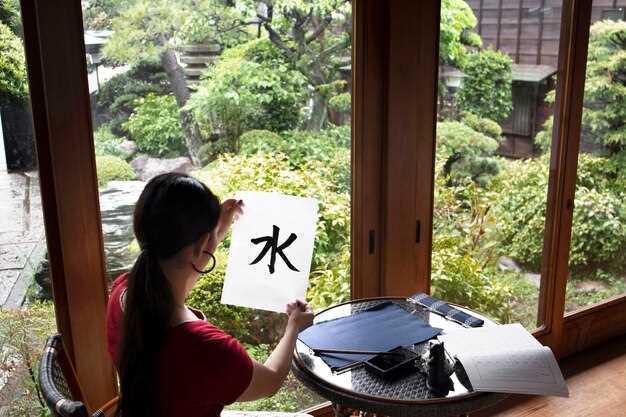
Japanese also has unique characteristics such as plural forms, which are not always indicated in the same way as in English. Context plays a vital role in understanding whether a noun is singular or plural. For example, the word “mizu” (water) remains “mizu” whether it refers to one or many, and the meaning can depend on the surrounding context.
It’s important to be cautious with common phrases when learning. Some expressions might not directly translate, providing entirely different meanings. For instance, the polite phrase “gochisōsama” is used after a meal to express gratitude, yet its literal translation does not cover the cultural significance behind it.
To master sentence structure, learners should engage with various texts, utilize dictionaries, and immerse themselves in conversation groups. Listening and reading materials that list English-Japanese-English translations can help grasp formal and informal usage of phrases.
When creating sentences, consider the ingredients of a good structure:
- Identify the subject (e.g., “Yamada-san”)
- Determine the object (e.g., “gasorin” for gasoline)
- Choose the appropriate verb (e.g., “rent-a-car” for renting a car)
Remember, practicing basic structures helps build a strong foundation. Instead of making hard sentences, start with simple ones and gradually advance. The path of learning Japanese might seem daunting, but with patience and practice, it’s an enjoyable journey.
Your understanding of these fundamental topics will lead to a more fluid and confident experience whether exploring the market or asking for directions along “michi” (way). Embrace the learning process and feel the heart of this beautiful language.
Identifying Subject, Object, and Verb
Understanding the structure of sentences in Japanese is essential for language learners and travelers alike. The basics involve identifying the subject, object, and verb within a sentence. This framework can significantly enhance your reading and speaking skills, especially when conversing with native speakers or while exploring contexts in daily life.
In Japanese, the subject typically indicates who is performing the action. For example, in the sentence “私はご飯を食べます” (Watashi wa gohan o tabemasu – “I eat rice”), “私は” (Watashi wa) identifies the subject. Here, “私” (watashi) means “I,” and it is crucial for making your meaning clear. Knowing the subject helps in forming sentences that your friends and conversational partners will easily understand.
The object, on the other hand, refers to what is being acted upon. In the same example, “ご飯” (gohan) is the object, meaning “rice.” This structure differs from English where the object often follows the verb. Japanese uses particles like “を” (o) to denote the object, establishing a clear relationship between the action and what is affected by it.
The verb is the action word, an essential morpheme in the sentence. In our example, “食べます” (tabemasu) is the verb, which means “to eat.” Identifying verbs is crucial as they express what the subject is doing. In Korean, there are also honorifics and formal forms, similar to Japanese levels of politeness, such as “ごめん” (gomen), used informally. Being aware of this can help you communicate effectively in various social situations.
| Element | Example | Ma'nosi |
|---|---|---|
| Mavzu: | 私は (Watashi wa) | I |
| Object | ご飯を (gohan o) | guruch |
| Verb | 食べます (tabemasu) | eat |
Using these elements effectively allows you to form coherent sentences. As you expand your vocabulary and practice with numerals, food, or anything related to your interests like wine or travel plans, try to structure your sentences correctly. This can be a major factor in solidifying your understanding of Japanese language and grammar.
For instance, if you wish to say “I want to leave my telephone in the front” in Japanese, you might formulate the sentence as “私は電話を前に置きたいです” (Watashi wa denwa o mae ni okitai desu). Here, the structure remains consistent: subject, object, and verb.
Engagement with different forms of media, such as reading texts or listening to popular phrases in Japanese, enables you to practice these elements and improve fluency. Whether you are learning informally or through structured methods using a specific dictionary, being able to identify and utilize subjects, objects, and verbs will certainly enrich your capability to communicate effectively.
Using Particles Correctly
In the Japanese language, particles play a crucial role in expressing grammatical relationships between words. They affect the meaning and function of phrases, making them an essential part of communication. Understanding how to use particles correctly can significantly enhance your travels and experiences in Japan.
Particles, such as “は” (wa), “が” (ga), and “を” (o), differ in their functions. For instance, “は” indicates the topic of a sentence, while “が” emphasizes the subject. Mastering these distinctions can prevent misunderstandings during your interactions. When you greet someone with “おはようございます” (ohayou gozaimasu), you’re applying particles appropriately to convey politeness and respect.
When ordering food or making requests, using particles is vital for clarity. For example, when asking for rice (ごはん), it’s important to use the correct particle to indicate what you want. A phrasebook can guide you in these situations by providing essential vocabulary and proper grammatical forms.
Kundalik suhbatlarda sizdan his-tuyg'ularingizni yoki afzalliklaringizni ifoda etishingizni talab qiladigan vaziyatlar paydo bo'lishi mumkin. Zarrachalardan to'g'ri foydalanish fikrlaringizni samaraliroq baham ko'rish imkonini beradi. Misol uchun, “私は本が好きです” (Watashi wa hon ga suki desu) sizning kitoblarga bo'lgan muhabbatingizni aniq ifodalaydi va “は” va “が” ning to'g'ri ishlatilishini ta'kidlaydi.
Bundan tashqari, ushbu zarralarning madaniy kontekstini tushunish sizning muloqotingizni yaxshilaydi. Yaponiyada odobli bo'lish madaniyatning muhim qismidir. Rasmiy zarralarni ishlatish hurmatni ko'rsatishi mumkin, ayniqsa keksa so'zlovchilar yoki mijozlarga nisbatan. Bu kamtarlik nafaqat sizning o'zaro munosabatlaringizni yaxshilaydi, balki yapon jamiyatini tushunishingizni ham aks ettiradi.
Kuopio, Kouvola yoki Lappeenranta kabi shaharlarni o‘rganar ekansiz, siz turli xil zarralarni o‘z ichiga olgan iboralarga duch kelasiz. Jamoat transportidan foydalanganda yoki tartibli ko'chalarda harakatlanayotganda, zarralar bilan tanishish belgi va yo'riqnomalarni yanada samarali talqin qilishga yordam beradi.
Tilingizni o'rganishda, bu zarrachalar bilan muntazam ravishda mashq qilish tushunchangizni mustahkamlaydi. Lug'atlar va iboralar kitoblari kabi manbalardan foydalanish, suhbatlarda qatnashish sizga yanada ishonchli notiq bo'lishga imkon beradi. Qanchalik ko'p mashq qilsangiz, shunchalik ravonlikka yaqinlashasiz.
Unutmangki, zarralar boshida zaif bo'lib tuyulishi mumkin bo'lsa-da, ular sizning yapon tili mahoratingizni shakllantirishda kuchli vositadir. Ular sizning noyob ifodangizning bir qismiga aylanadi va atrofingizdagilar bilan bog'lanishingizga yordam beradi. Zarralar olamiga sho'ng'iganingiz uchun rahmat! Sayohatlaringiz va Yaponiyaning go'zal madaniyatidan zavqlaning.
Yapon tilida savollar shakllantirish

Yapon tilida savol berish dastlab murakkab tuyulishi mumkin, ayniqsa ingliz tilida so'zlashuvchi sayohatchilar uchun. Ammo, bir nechta asosiy usullarni tushunish sizning aloqa mahoratingizni sezilarli darajada yaxshilaydi va sayohatingizni yanada yoqimli qiladi. Quyida savollarni tabiiy va hurmatli tarzda yaratish bo'yicha muhim maslahatlar keltirilgan.
Yapon tilida savollar ko'pincha doimiy ravishda ishlatishingiz mumkin bo'lgan oddiy naqshlar sifatida qaraladi. E'tiborga olish kerak bo'lgan ba'zi asosiy nuqtalar:
- Asosiy tuzilma: Savol hosil qilishning asosiy usuli – zarra qo‘shishdir. か (ka) gapning oxirida. Misol uchun, agar “Yamada-san bu yerda” iborasi “Yamada-san ga imasu” deb aytilsa, unda “Yamada-san bu yerdami?” deb so“rash uchun ”Yamada-san ga imasu ka?” deb aytasiz.”
- Soʻz tartibi: Yapon tili odatda Ega-Toʻldiruvchi-Kesim tartibiga amal qiladi, bu ingliz tilining Ega-Kesim-Toʻldiruvchi tuzilishidan farq qilishi mumkin. Savol berayotganda, ushbu tartibni yodda tuting. Misol uchun: “Ijara mashinasi qayerda?” “Rent-a-car wa doko desu ka?” deb tarjima qilinadi.”
- Soʻroq olmoshlaridan foydalanish: Qanday, qayerda, qachon kabi soʻroq olmoshlarini qoʻllash Qayerda (doko – qayerda), 何 (nani – nima), va 誰 (dare – who) yaxshiroq so'rovlarga olib kelishi mumkin. Misol uchun, “Xarid qilish qiziqarli” iborasini yapon tilida “Xarid qilish qayerda qiziqarli?” degan savolga “Doko de shopping ga tanoshii desu ka?” tarzida aylantirish mumkin.”
Savollarni berishda odob darajasidagi nozik farqlarni tushunish ham muhimdir. Hurmatli til ishlatish, ayniqsa, kattalar yoki mansabdor shaxslar bilan gaplashganda, juda muhim.
- Xushmuomalalik darajalari: Birovga hurmat bilan murojaat qilganda, quyidagilarni inobatga oling: десу. Savollaringiz oxirida (desu) qo'shing. Misol uchun, “Arzonmi?” degan savol “Yasui desu ka?” bo'ladi.”
- Keng lugʻat boyligi: Qanchalik ko'p lug'at boyligini o'zlashtirsangiz, shunchalik yaxshi muloqot qilasiz. Misol uchun, tibbiy muassasada simptomlar haqida so'rashni o'rganish foydali bo'lishi mumkin. Siz “Anata no shoujou wa nan desu ka?” deb ayta olasiz, bu “Sizning simptomlaringiz qanday?” degan ma'noni anglatadi.”
Yapon tiliga sho'ng'iyotgan ingliz tilida so'zlashuvchilar uchun savol tuzish amaliyot bilan osonlashadi. Bilimingizni kengaytirish uchun lug'atlar va iboralar kitoblari kabi manbalardan foydalaning. Boshlash uchun yana bir nechta qo'shimcha iboralar:
- “Arigato” (Rahmat)
- “Magatte” (O'giriling)
- “O'qing”
Qayerga sayohat qilishingizdan qat'i nazar, ushbu iboralar va savol tuzilmalaridan foydalanib, mahalliy aholi bilan muloqot qiling. Savol berishni o'rganish nafaqat sayohatlaringizni boyitadi, balki yo'l davomida uchratgan odamlaringiz bilan yanada chuqurroq aloqalar o'rnatishga yordam beradi.
Xulosa qilib aytganda, yapon tilida savol tuzish murakkab tuyulishi mumkin bo'lsa-da, to'g'ri yondashuv bilan u qulay bo'ladi. Mashq qilishda davom eting va sayohatlaringiz davomida sezilarli darajada yaxshilanasiz.
Aniqlik uchun gaplarni birlashtirish
Yangi tilni, ayniqsa, yapon tilini o'rganayotganda, gaplarni samarali birlashtirish aniqlik va kommunikatsiyani yaxshilashi mumkin. Fikrlarni birlashtirib, so'zlovchilar ma'noni yanada samaraliroq yetkazishi va chalkashlik ehtimolini kamaytirishi mumkin. Bu amaliyot ayniqsa, ovqatga buyurtma berish, yo'l so'rash yoki xarid qilish kabi turli vaziyatlarda foydalidir.
Kechirasiz, politsiya bo'limi qayerda ekanligini bilmoqchi edim va u yerga borishim kerak edi,“ kabi to'g'ridan-to'g'ri savol berish o'rniga, yapon tilida kontekst va odob muhim bo’lgani uchun, strukturaviy naqshlar yaratish muhim bo'ladi. Masalan, ”Kechirasiz, politsiya bo'limi qayerda?“ va ”Men u yerda to'xtashim kerak“ deyish o'rniga, yanada odobli va birlashtirilgan yondashuv, masalan, "Kechirasiz, qayerda politsiya bo'limiga borishim mumkin?”(Kechirasiz, militsiya bo'limiga qanday borsam bo'ladi?)" iborasi samaraliroqdir.
Chet tillarni va morfemalarni ishlatish ham aniq gaplar tuzishga yordam berishi mumkin. Misol uchun, “Ippai no soup” (ko'p sho'rva) deyish, ehtiyojlaringizni ifodalashi va tinglovchilar o'rtasida osonroq tushunishga yordam berishi mumkin. Buni mahalliy ingredientlar yoki valyuta atamalari bilan birlashtiring va xaridlardagi niyatlaringizni yanada aniqroq qiling.
Boshqa foydali strategiya - gaplarni yanada ravon bog'lash uchun bog'lovchilar va savollardan foydalanish. Masalan, “..." kabi iboralarni sinab ko'ring.“Haha Tayvanga ketdi, u millat tarixini yaxshi ko'radi.”(Onam Tayvan'ga bordi va u mahalliy tarixni yaxshi ko'radi). Bu nafaqat qo'shimcha kontekstni ta'minlaydi, balki suhbatni davom ettirishga ham chorlaydi. Gaplarni tartibli saqlash orqali o'rganuvchilar notanish tuzilmalar bilan tomoshabinlarini chalkashtirib yubormasdan, murakkab fikrlarni yaxshiroq ifoda etishlari mumkin.".
Shuningdek, telefon orqali narsalarni tekshirish yoki alomatlar yoki xarid qilish bilan bog'liq muayyan ehtiyojlarni qondirish kabi holatlarda tegishli iboralarni birlashtirish chalkashlikning oldini oladi. Har bir fikrni alohida aytish o'rniga, “Mening cho'ntagimda kredit karta bor, uni naqd pulga almashtirish uchun qayerga borishim kerak?”Cho'ntagimda kredit karta bor; buni qayerda almashtirishim mumkin?") tegishli ma'lumotlarni bitta qisqa so'rovga jamlaydi.
Xulosa qilib aytganda, gaplarni birlashtirish qobiliyatini rivojlantirish nafaqat aniqlikka yordam beradi, balki turli vaziyatlarda muloqotni yanada ravonlashtiradi. Til o'rganish yo'lingizni davom ettirar ekansiz, gaplaringiz batafsil, ammo sodda bo'lishiga harakat qiling. Bu sizga Helsinkida, Xitoyda yoki kechki xaridlar paytida notanish vaziyatlarda osonlik bilan harakatlanishingizga yordam beradi.