


 اردو
اردو  English (UK)
  Русский
  বাংলা
বাংলা  العربية
  日本語
日本語  한국어
한국어  Magyar
  Norsk nynorsk
  Türkçe
  עִבְרִית
  Español
  Čeština
  Svenska
  Português
  Ελληνικά
  Suomi
Suomi  Nederlands
  Română
  Italiano
  Français
  Polski
  Українська
  Deutsch
  简体中文
简体中文  Slovenčina
  Српски језик
  Azərbaycan dili
  O‘zbekcha
  አማርኛ
አማርኛ 
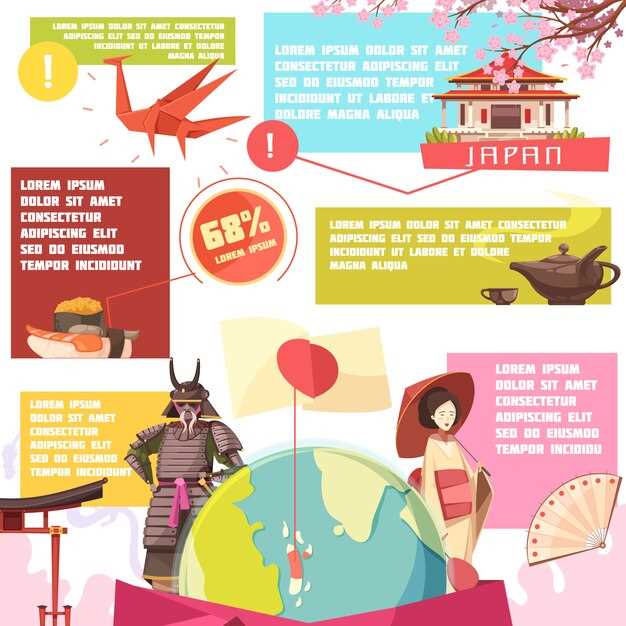
Traveling in Japan can be an enriching experience, yet it often requires a solid understanding of the language to navigate daily situations effectively. This is where your Japanese phrasebook becomes an invaluable resource. Whether you are an enthusiastic traveler or a dedicated language learner, mastering essential phrases can significantly enhance your interactions. The beauty of the Japanese language lies not only in its sounds but also in the grammatical patterns that can make communication both safe and impactful within various contexts.
In this guide, we have compiled a list of phrases that are highly useful for various scenarios. From ordering food – perhaps some delicious butaniku (pork) – to navigating through public transportation with maps and guides, knowing the right phrases will help you avoid misunderstandings. Additionally, phrases like “tsukimasu” (to arrive) and “shiteimasu” (doing) will allow you to express yourself in meaningful ways. It’s important to follow the sound-based combinations and intonation patterns, as this will help you sound more like a native speaker.
Essential phrases can be categorized based on the situation – whether you are discussing your family, such as your mother or uncle, or asking about the status of something important. Learning these phrases will not only enhance your ability to converse but will also provide a deeper understanding of Japanese culture. As you work through this phrasebook, consider the exceptions and contextual nuances that may arise during your travels. Finally, remember that becoming fluent is a gradual process that requires practice, so don’t hesitate to use these phrases in your daily conversations.
Forming Sentences in Japanese
Forming sentences in Japanese can seem complicated at first due to its unique structure and use of various components. However, understanding the basics can provide a strong foundation for travellers and language learners alike. The Japanese language relies heavily on morphemes, which are the smallest units of meaning, and these are often combined to express complete thoughts.
One of the most important elements in crafting sentences is the copula “desu” (です), which is often used at the end of statements. In informal speech, this can be simplified to “da” (だ). For example, if you want to say “I am a student,” you would say “Watashi wa gakusei desu” (私は学生です). Here, “watashi” is ‘I’, “wa” is the topic marker, “gakusei” is the noun meaning ‘student’, and “desu” serves as the copula.
Japanese conveys meaning through various particles, known as “markers”. The most common include “wa” (は) for the topic, “ga” (が) for the subject, and “o” (を) for the object. These markers are crucial when forming sentences. For instance, in the sentence “I eat noodles,” you would say “Watashi wa men o tabemasu” (私は麺を食べます). In this case, “men” refers to ‘noodles’, and the sentence structure is subject-marker-object-verb.
Loanwords from English, especially in contemporary conversations, are often written in katakana, which adds a unique flair to the language. While learning Japanese, exposure to such terminology can be beneficial. For instance, if discussing food at a shopping street like Ideapark in Vaasa, one could use the phrase, “Kono resutoran no shokuhin wa oishii” (このレストランの食品は美味しい), which means “The food in this restaurant is delicious.”
For travellers facing limited time and seeking survival phrases, simplicity is key. Using straightforward structures such as “A ga suki desu” (Aが好きです) which translates to “I like A”, can suffice in many scenarios. Additionally, identifying symptoms or expressing needs can be streamlined with phrases such as “Tsukareteimasu” (疲れています) meaning “I am tired,” which can be vital in a medical context.
In conversation, it’s also relevant to know some slang and informal expressions. For instance, “Wakarimashita” (わかりました) means “I understand”, and can be simplified in informal settings to “Wakatta” (わかった). Using these variations allows for a more natural interaction.
In summary, forming sentences in Japanese requires familiarity with its basic structure, including the use of copulas, markers, and the proper placement of numerals and objects. The more you practice reading and speaking using these guidelines, the more your skills will improve, paving the way for enhanced communication during your travels in Japan.
Understanding Basic Sentence Structure
Understanding the basic sentence structure of Japanese is essential for effective communication, especially for travelers and language learners. Japanese sentences often have a different form compared to English, which can be a hurdle for many.
In Japanese, the typical sentence structure follows the pattern of Subject-Object-Verb (SOV). For example:
- Subject: Watashi (I)
- Object: tamago (egg)
- Verb: tabemasu (eat)
The complete sentence becomes: “Watashi wa tamago o tabemasu,” which means “I eat an egg.” This SOV pattern is a fundamental aspect that learners must decode as it differs from the Subject-Verb-Object (SVO) structure common in English.
Additionally, verbs play a special role in Japanese sentences. They often indicate tense and politeness. For instance, using “shiteimasu” suggests an ongoing action, while “tsukimasu” indicates future action. Understanding verb forms and their associated meanings is critical for successful conversations.
Japanese also has unique characteristics such as plural forms, which are not always indicated in the same way as in English. Context plays a vital role in understanding whether a noun is singular or plural. For example, the word “mizu” (water) remains “mizu” whether it refers to one or many, and the meaning can depend on the surrounding context.
It’s important to be cautious with common phrases when learning. Some expressions might not directly translate, providing entirely different meanings. For instance, the polite phrase “gochisōsama” is used after a meal to express gratitude, yet its literal translation does not cover the cultural significance behind it.
To master sentence structure, learners should engage with various texts, utilize dictionaries, and immerse themselves in conversation groups. Listening and reading materials that list English-Japanese-English translations can help grasp formal and informal usage of phrases.
When creating sentences, consider the ingredients of a good structure:
- Identify the subject (e.g., “Yamada-san”)
- Determine the object (e.g., “gasorin” for gasoline)
- Choose the appropriate verb (e.g., “rent-a-car” for renting a car)
Remember, practicing basic structures helps build a strong foundation. Instead of making hard sentences, start with simple ones and gradually advance. The path of learning Japanese might seem daunting, but with patience and practice, it’s an enjoyable journey.
Your understanding of these fundamental topics will lead to a more fluid and confident experience whether exploring the market or asking for directions along “michi” (way). Embrace the learning process and feel the heart of this beautiful language.
Identifying Subject, Object, and Verb
Understanding the structure of sentences in Japanese is essential for language learners and travelers alike. The basics involve identifying the subject, object, and verb within a sentence. This framework can significantly enhance your reading and speaking skills, especially when conversing with native speakers or while exploring contexts in daily life.
In Japanese, the subject typically indicates who is performing the action. For example, in the sentence “私はご飯を食べます” (Watashi wa gohan o tabemasu – “I eat rice”), “私は” (Watashi wa) identifies the subject. Here, “私” (watashi) means “I,” and it is crucial for making your meaning clear. Knowing the subject helps in forming sentences that your friends and conversational partners will easily understand.
The object, on the other hand, refers to what is being acted upon. In the same example, “ご飯” (gohan) is the object, meaning “rice.” This structure differs from English where the object often follows the verb. Japanese uses particles like “を” (o) to denote the object, establishing a clear relationship between the action and what is affected by it.
The verb is the action word, an essential morpheme in the sentence. In our example, “食べます” (tabemasu) is the verb, which means “to eat.” Identifying verbs is crucial as they express what the subject is doing. In Korean, there are also honorifics and formal forms, similar to Japanese levels of politeness, such as “ごめん” (gomen), used informally. Being aware of this can help you communicate effectively in various social situations.
| عنصر | Example | Meaning |
|---|---|---|
| مضمون | 私は (Watashi wa) | I |
| Object | ご飯を (gohan o) | rice |
| Verb | 食べます (tabemasu) | کھاؤ |
Using these elements effectively allows you to form coherent sentences. As you expand your vocabulary and practice with numerals, food, or anything related to your interests like wine or travel plans, try to structure your sentences correctly. This can be a major factor in solidifying your understanding of Japanese language and grammar.
For instance, if you wish to say “I want to leave my telephone in the front” in Japanese, you might formulate the sentence as “私は電話を前に置きたいです” (Watashi wa denwa o mae ni okitai desu). Here, the structure remains consistent: subject, object, and verb.
Engagement with different forms of media, such as reading texts or listening to popular phrases in Japanese, enables you to practice these elements and improve fluency. Whether you are learning informally or through structured methods using a specific dictionary, being able to identify and utilize subjects, objects, and verbs will certainly enrich your capability to communicate effectively.
Using Particles Correctly
In the Japanese language, particles play a crucial role in expressing grammatical relationships between words. They affect the meaning and function of phrases, making them an essential part of communication. Understanding how to use particles correctly can significantly enhance your travels and experiences in Japan.
Particles, such as “は” (wa), “が” (ga), and “を” (o), differ in their functions. For instance, “は” indicates the topic of a sentence, while “が” emphasizes the subject. Mastering these distinctions can prevent misunderstandings during your interactions. When you greet someone with “おはようございます” (ohayou gozaimasu), you’re applying particles appropriately to convey politeness and respect.
When ordering food or making requests, using particles is vital for clarity. For example, when asking for rice (ごはん), it’s important to use the correct particle to indicate what you want. A phrasebook can guide you in these situations by providing essential vocabulary and proper grammatical forms.
In daily conversations, situations can arise that require you to express feelings or preferences. Using particles correctly will allow you to share your thoughts more effectively. For example, “私は本が好きです” (Watashi wa hon ga suki desu) clearly expresses your liking for books, highlighting the correct use of “は” and “が”.
Furthermore, understanding the cultural context of these particles will enhance your communication. In Japan, politeness is a significant part of the culture. Using formal particles can show respect, especially towards older speakers or customers. This humility not only improves your interactions but also reflects your understanding of Japanese society.
جب آپ کووپیو، کوولا، یا لاپین رانٹا جیسے شہروں کی سیر کرتے ہیں، تو آپ کو مختلف تاثرات ملیں گے جن میں ذرات شامل ہوتے ہیں۔ جب آپ پبلک ٹرانسپورٹ استعمال کر رہے ہوں یا منظم سڑکوں پر نیویگیٹ کر رہے ہوں، تو ذرات سے واقفیت آپ کو نشانات اور گائیڈز کی زیادہ مؤثر طریقے سے تشریح کرنے میں مدد کرے گی۔.
اپنی لسانی تعلیم میں، ان ذرات کے ساتھ باقاعدگی سے مشق کرنا آپ کی سمجھ کو مضبوط کرے گا۔ لغات اور فقرے کی کتابوں جیسے وسائل کا استعمال، بات چیت میں مشغول ہونے کے ساتھ، آپ کو ایک زیادہ پراعتماد مقرر بننے کی اجازت دیتا ہے۔ آپ جتنی زیادہ مشق کریں گے، آپ روانی کے اتنے ہی قریب پہنچ جائیں گے۔.
یاد رکھیں، اگرچہ ذرات پہلی بار میں کمزور لگ سکتے ہیں، لیکن وہ آپ کی جاپانی زبان کی مہارت کو تشکیل دینے کا ایک طاقتور ذریعہ ہیں۔ وہ آپ کے منفرد اظہار کا حصہ بن جاتے ہیں اور آپ کو اپنے ارد گرد کے لوگوں سے جوڑنے میں مدد کرتے ہیں۔ ذرات کی دنیا میں غوطہ لگانے کے لیے آپ کا شکریہ! اپنے سفر اور جاپان کی خوبصورت ثقافت سے لطف اندوز ہوں۔.
جاپانی میں سوالات بنانا

جاپانی میں سوالات بنانا شروع میں مشکل لگ سکتا ہے، خاص طور پر انگریزی بولنے والے مسافروں کے لیے۔ تاہم، کچھ بنیادی تکنیکوں کو سمجھنے سے آپ کی مواصلت کی مہارتوں میں بہتری آئے گی اور آپ کے سفر کو مزید پرلطف بنائے گی۔ ذیل میں قدرتی اور احترام کے ساتھ سوالات بنانے کے لیے ضروری تجاویز درج ہیں۔.
جاپانی میں سوالات کو اکثر سادہ نمونوں کے طور پر سمجھا جاتا ہے جنہیں آپ مستقل طور پر استعمال کر سکتے ہیں۔ یہاں غور کرنے کے لیے کچھ اہم نکات ہیں:
- بنیادی ڈھانچہ: سوال بنانے کا ایک بنیادی طریقہ یہ ہے کہ جزو کا اضافہ کیا جائے۔ か ایک بیان کے آخر میں (کا)۔ مثال کے طور پر، اگر “Yamada-san is here” کو “Yamada-san ga imasu” کہا جاتا ہے، تو یہ پوچھنے کے لیے کہ “Is Yamada-san here?” آپ کہیں گے “Yamada-san ga imasu ka؟”
- لفظ کی ترتیب: جاپانی عموماً Subject-Object-Verb ترتیب پر عمل کرتے ہیں جو انگریزی کے Subject-Verb-Object ساخت سے مختلف ہو سکتا ہے۔ سوالات پوچھتے وقت، اس ترتیب کو ذہن میں رکھنا یاد رکھیں۔ مثال کے طور پر: “کرائے کی کار کہاں ہے؟” کا ترجمہ “Rent-a-car wa doko desu ka?” ہے۔”
- سوالیہ الفاظ کا استعمال: سوالیہ الفاظ جیسے کہ شامل کرنا کہاں (کہاں – where)،, 何 (نانی - کیا)، اور 誰 (جرات – کون) بہتر پوچھ گچھ کی طرف لے جا سکتا ہے. مثال کے طور پر، “شاپنگ مزے کی ہے” جاپانی میں “شاپنگ کہاں مزے کی ہے؟” میں تبدیل ہو سکتا ہے جیسے “Doko de shopping ga tanoshii desu ka?”
سوال پوچھتے وقت شائستگی کی سطح میں لطیف فرق کو سمجھنا بھی ضروری ہے۔ خاص طور پر بزرگ افراد یا بااختیار افراد سے بات کرتے وقت، احترام والی زبان استعمال کرنا بہت ضروری ہے۔.
- اخلاق کے درجات: کسی سے احترام سے بات کرتے وقت، اِس کا استعمال کرنے پر غور کریں ہے کیا یہ سستا ہے؟ “Yasui desu ka?”
- وسیع لغت نامہ: آپ جتنی زیادہ الفاظ کی معلومات حاصل کریں گے، آپ اتنی ہی بہتر انداز میں بات چیت کریں گے۔ مثال کے طور پر، طبی ماحول میں علامات پوچھنے کا طریقہ سیکھنا فائدہ مند ثابت ہو سکتا ہے۔ آپ کہہ سکتے ہیں “آپ کی علامات کیا ہیں؟”
جاپانی زبان میں غوطہ لگانے والے انگریزی بولنے والوں کے لیے، سوالات بنانا مشق کے ساتھ آسان ہو جاتا ہے۔ اپنے علم کو بڑھانے کے لیے لغات اور فقروں کی کتابوں جیسے وسائل استعمال کریں۔ شروع کرنے کے لیے یہاں چند اضافی جملے ہیں:
- “آہ-ری-گاہ-توہ” (شکریہ)
- “مگتے” (مڑو)
- “پڑھیے” (Parhiye)
جب بھی آپ سفر کریں، ان جملوں اور سوالات کے طریقوں کو استعمال کر کے مقامی لوگوں کے ساتھ بات چیت کریں۔ سوالات پوچھنا سیکھنا نہ صرف آپ کے سفر کو تقویت بخشتا ہے بلکہ اس سے آپ جن لوگوں سے ملتے ہیں ان کے ساتھ گہرے تعلقات قائم کرنے میں بھی مدد ملتی ہے۔.
بالآخر، جاپانی میں سوالات بنانا مشکل لگ سکتا ہے، لیکن صحیح نقطہ نظر کے ساتھ یہ صارف دوست بن جاتا ہے۔ مشق جاری رکھیں، اور آپ اپنی سفری کے دوران نمایاں طور پر بہتری لائیں گے۔.
واضح کرنے کے لیے جملوں کو یکجا کرنا
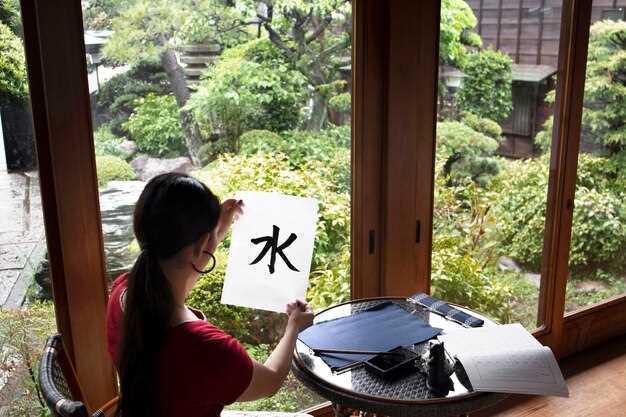
نئی زبان سیکھتے وقت، خاص طور پر جاپانی، جملوں کو مؤثر طریقے سے یکجا کرنا وضاحت اور مواصلات کو بڑھا سکتا ہے۔ خیالات کو ضم کر کے، بولنے والے الجھن کے امکان کو کم کرتے ہوئے، زیادہ مؤثر طریقے سے معنی بیان کر سکتے ہیں۔ یہ عمل مختلف حالات میں خاص طور پر مفید ہے جیسے کھانا آرڈر کرنا، سمتوں کے بارے میں پوچھنا یا خریداری کرنا۔.
عام گفتگو میں، کم سیاق و سباق کے انداز، جیسے کہ اکثر ڈچ یا انگریزی میں پائے جاتے ہیں، سیدھا سادھا ہونے کو ترجیح دے سکتے ہیں۔ تاہم، جاپانی میں، جہاں سیاق و سباق اور شائستگی ضروری ہے، ساختہ نمونے بنانا بہت اہم ہو جاتا ہے۔ مثال کے طور پر، یہ کہنے کے بجائے، “معاف کیجیے گا، پولیس اسٹیشن کہاں ہے؟” اور “مجھے وہاں رکنے کی ضرورت ہے،” ایک زیادہ مہذب اور مشترکہ طریقہ جیسے کہ، “معاف کیجیے گا، مجھے کہاں پولیس اسٹیشن جانا ہے؟”(معاف کیجیے گا، مجھے پولیس اسٹیشن کہاں جانا ہے؟) زیادہ مؤثر ہے۔“.
اُدھار کے الفاظ اور مورفیمز کا استعمال واضح جملے بنانے میں بھی مددگار ثابت ہو سکتا ہے۔ مثال کے طور پر، “Ippai no soup” (بہت سارا سوپ) کہنا آپ کی ضرورت کا اظہار بھی کر سکتا ہے اور سننے والوں کے درمیان آسان فہم کو بھی بڑھا سکتا ہے۔ اسے مقامی اجزاء یا کرنسی کی شرائط کے ساتھ یکجا کریں، اور آپ خریداری کے تناظر میں اپنے ارادوں کو مزید واضح کر دیتے ہیں۔.
ایک اور فائدہ مند حکمت عملی میں جملوں کو زیادہ روانی سے جوڑنے کے لیے حروفِ عطف اور سوالات کا استعمال شامل ہے۔ جیسے فقرے آزمائیں، “ہا ہا وا تائیوان نی اِکیماشیتا، آئیتسو وا کوکو نو رِکیشی گا سُکی دیسو” (میری والدہ تائیوان گئیں، اور وہ مقامی تاریخ سے لطف اندوز ہو رہی ہیں)۔ یہ نہ صرف اضافی سیاق و سباق فراہم کرتا ہے بلکہ مزید گفتگو کو بھی دعوت دیتا ہے۔ جملوں کو منظم رکھنے سے، سیکھنے والے اپنے سامعین کو نامانوس ساختوں سے مغلوب کیے بغیر پیچیدہ خیالات کا بہتر اظہار کر سکتے ہیں۔.
اس کے علاوہ، فون پر چیزوں کی جانچ پڑتال کرنے یا علامات یا خریداری سے متعلق مخصوص ضروریات کو پورا کرنے جیسے حالات میں، متعلقہ جملوں کو یکجا کرنے سے الجھن سے بچا جا سکتا ہے۔ ہر نکتے کو الگ الگ بتانے کے بجائے، یہ کہنا کہ، “میرے پاس میرے پرس میں کریڈٹ کارڈ ہے۔ میں اسے نقد میں تبدیل کرنے کے لیے کہاں جا سکتا ہوں؟”میرے پاس میری جیب میں ایک کریڈٹ کارڈ ہے۔ مجھے اسے تبدیل کروانے کے لیے کہاں جانا چاہیے؟" متعلقہ معلومات کو ایک جامع سوال میں یکجا کرتا ہے۔.
آخر میں، جملوں کو جوڑنے کی صلاحیت کو فروغ دینا نہ صرف وضاحت میں مدد کرتا ہے بلکہ مختلف ترتیبات میں ہموار مواصلات کو بھی فروغ دیتا ہے۔ جیسے جیسے آپ اپنے زبان سیکھنے کے سفر کو جاری رکھیں، اس بات کو یقینی بنانے کی مشق کریں کہ آپ کے جملے تفصیلی لیکن سیدھے سادے ہیں، جس سے آپ کو ناواقف حالات میں آسانی سے نیویگیٹ کرنے میں مدد ملے گی، چاہے وہ ہیلسنکی ہو، چین ہو، یا آپ کے شام کے خریداری کے دوران۔.