


 Slovenčina
  English (UK)
  Русский
  বাংলা
বাংলা  العربية
  日本語
日本語  한국어
한국어  Magyar
  Norsk nynorsk
  Türkçe
  עִבְרִית
  Español
  Čeština
  Svenska
  Português
  Ελληνικά
  Suomi
Suomi  Nederlands
  Română
  Italiano
  Français
  Polski
  Українська
  Deutsch
  简体中文
简体中文  Српски језик
  اردو
اردو  Azərbaycan dili
  O‘zbekcha
  አማርኛ
አማርኛ 
Traveling in Japan can be an enriching experience, yet it often requires a solid understanding of the language to navigate daily situations effectively. This is where your Japanese phrasebook becomes an invaluable resource. Whether you are an enthusiastic traveler or a dedicated language learner, mastering essential phrases can significantly enhance your interactions. The beauty of the Japanese language lies not only in its sounds but also in the grammatical patterns that can make communication both safe and impactful within various contexts.
In this guide, we have compiled a list of phrases that are highly useful for various scenarios. From ordering food – perhaps some delicious butaniku (pork) – to navigating through public transportation with maps and guides, knowing the right phrases will help you avoid misunderstandings. Additionally, phrases like “tsukimasu” (to arrive) and “shiteimasu” (doing) will allow you to express yourself in meaningful ways. It’s important to follow the sound-based combinations and intonation patterns, as this will help you sound more like a native speaker.
Essential phrases can be categorized based on the situation – whether you are discussing your family, such as your mother or uncle, or asking about the status of something important. Learning these phrases will not only enhance your ability to converse but will also provide a deeper understanding of Japanese culture. As you work through this phrasebook, consider the exceptions and contextual nuances that may arise during your travels. Finally, remember that becoming fluent is a gradual process that requires practice, so don’t hesitate to use these phrases in your daily conversations.
Forming Sentences in Japanese
Forming sentences in Japanese can seem complicated at first due to its unique structure and use of various components. However, understanding the basics can provide a strong foundation for travellers and language learners alike. The Japanese language relies heavily on morphemes, which are the smallest units of meaning, and these are often combined to express complete thoughts.
One of the most important elements in crafting sentences is the copula “desu” (です), which is often used at the end of statements. In informal speech, this can be simplified to “da” (だ). For example, if you want to say “I am a student,” you would say “Watashi wa gakusei desu” (私は学生です). Here, “watashi” is ‘I’, “wa” is the topic marker, “gakusei” is the noun meaning ‘student’, and “desu” serves as the copula.
Japanese conveys meaning through various particles, known as “markers”. The most common include “wa” (は) for the topic, “ga” (が) for the subject, and “o” (を) for the object. These markers are crucial when forming sentences. For instance, in the sentence “I eat noodles,” you would say “Watashi wa men o tabemasu” (私は麺を食べます). In this case, “men” refers to ‘noodles’, and the sentence structure is subject-marker-object-verb.
Loanwords from English, especially in contemporary conversations, are often written in katakana, which adds a unique flair to the language. While learning Japanese, exposure to such terminology can be beneficial. For instance, if discussing food at a shopping street like Ideapark in Vaasa, one could use the phrase, “Kono resutoran no shokuhin wa oishii” (このレストランの食品は美味しい), which means “The food in this restaurant is delicious.”
For travellers facing limited time and seeking survival phrases, simplicity is key. Using straightforward structures such as “A ga suki desu” (Aが好きです) which translates to “I like A”, can suffice in many scenarios. Additionally, identifying symptoms or expressing needs can be streamlined with phrases such as “Tsukareteimasu” (疲れています) meaning “I am tired,” which can be vital in a medical context.
In conversation, it’s also relevant to know some slang and informal expressions. For instance, “Wakarimashita” (わかりました) means “I understand”, and can be simplified in informal settings to “Wakatta” (わかった). Using these variations allows for a more natural interaction.
In summary, forming sentences in Japanese requires familiarity with its basic structure, including the use of copulas, markers, and the proper placement of numerals and objects. The more you practice reading and speaking using these guidelines, the more your skills will improve, paving the way for enhanced communication during your travels in Japan.
Understanding Basic Sentence Structure
Understanding the basic sentence structure of Japanese is essential for effective communication, especially for travelers and language learners. Japanese sentences often have a different form compared to English, which can be a hurdle for many.
In Japanese, the typical sentence structure follows the pattern of Subject-Object-Verb (SOV). For example:
- Subject: Watashi (I)
- Object: tamago (egg)
- Verb: tabemasu (eat)
The complete sentence becomes: “Watashi wa tamago o tabemasu,” which means “I eat an egg.” This SOV pattern is a fundamental aspect that learners must decode as it differs from the Subject-Verb-Object (SVO) structure common in English.
Additionally, verbs play a special role in Japanese sentences. They often indicate tense and politeness. For instance, using “shiteimasu” suggests an ongoing action, while “tsukimasu” indicates future action. Understanding verb forms and their associated meanings is critical for successful conversations.
Japanese also has unique characteristics such as plural forms, which are not always indicated in the same way as in English. Context plays a vital role in understanding whether a noun is singular or plural. For example, the word “mizu” (water) remains “mizu” whether it refers to one or many, and the meaning can depend on the surrounding context.
It’s important to be cautious with common phrases when learning. Some expressions might not directly translate, providing entirely different meanings. For instance, the polite phrase “gochisōsama” is used after a meal to express gratitude, yet its literal translation does not cover the cultural significance behind it.
To master sentence structure, learners should engage with various texts, utilize dictionaries, and immerse themselves in conversation groups. Listening and reading materials that list English-Japanese-English translations can help grasp formal and informal usage of phrases.
When creating sentences, consider the ingredients of a good structure:
- Identify the subject (e.g., “Yamada-san”)
- Determine the object (e.g., “gasorin” for gasoline)
- Choose the appropriate verb (e.g., “rent-a-car” for renting a car)
Remember, practicing basic structures helps build a strong foundation. Instead of making hard sentences, start with simple ones and gradually advance. The path of learning Japanese might seem daunting, but with patience and practice, it’s an enjoyable journey.
Your understanding of these fundamental topics will lead to a more fluid and confident experience whether exploring the market or asking for directions along “michi” (way). Embrace the learning process and feel the heart of this beautiful language.
Identifying Subject, Object, and Verb
Understanding the structure of sentences in Japanese is essential for language learners and travelers alike. The basics involve identifying the subject, object, and verb within a sentence. This framework can significantly enhance your reading and speaking skills, especially when conversing with native speakers or while exploring contexts in daily life.
In Japanese, the subject typically indicates who is performing the action. For example, in the sentence “私はご飯を食べます” (Watashi wa gohan o tabemasu – “I eat rice”), “私は” (Watashi wa) identifies the subject. Here, “私” (watashi) means “I,” and it is crucial for making your meaning clear. Knowing the subject helps in forming sentences that your friends and conversational partners will easily understand.
The object, on the other hand, refers to what is being acted upon. In the same example, “ご飯” (gohan) is the object, meaning “rice.” This structure differs from English where the object often follows the verb. Japanese uses particles like “を” (o) to denote the object, establishing a clear relationship between the action and what is affected by it.
The verb is the action word, an essential morpheme in the sentence. In our example, “食べます” (tabemasu) is the verb, which means “to eat.” Identifying verbs is crucial as they express what the subject is doing. In Korean, there are also honorifics and formal forms, similar to Japanese levels of politeness, such as “ごめん” (gomen), used informally. Being aware of this can help you communicate effectively in various social situations.
| Element | Príklad | Meaning |
|---|---|---|
| Predmet | 私は (Watashi wa) | I |
| Objekt | ご飯を (gohan o) | rice |
| Verb | 食べます (tabemasu) | jesť |
Using these elements effectively allows you to form coherent sentences. As you expand your vocabulary and practice with numerals, food, or anything related to your interests like wine or travel plans, try to structure your sentences correctly. This can be a major factor in solidifying your understanding of Japanese language and grammar.
For instance, if you wish to say “I want to leave my telephone in the front” in Japanese, you might formulate the sentence as “私は電話を前に置きたいです” (Watashi wa denwa o mae ni okitai desu). Here, the structure remains consistent: subject, object, and verb.
Engagement with different forms of media, such as reading texts or listening to popular phrases in Japanese, enables you to practice these elements and improve fluency. Whether you are learning informally or through structured methods using a specific dictionary, being able to identify and utilize subjects, objects, and verbs will certainly enrich your capability to communicate effectively.
Using Particles Correctly
In the Japanese language, particles play a crucial role in expressing grammatical relationships between words. They affect the meaning and function of phrases, making them an essential part of communication. Understanding how to use particles correctly can significantly enhance your travels and experiences in Japan.
Particles, such as “は” (wa), “が” (ga), and “を” (o), differ in their functions. For instance, “は” indicates the topic of a sentence, while “が” emphasizes the subject. Mastering these distinctions can prevent misunderstandings during your interactions. When you greet someone with “おはようございます” (ohayou gozaimasu), you’re applying particles appropriately to convey politeness and respect.
When ordering food or making requests, using particles is vital for clarity. For example, when asking for rice (ごはん), it’s important to use the correct particle to indicate what you want. A phrasebook can guide you in these situations by providing essential vocabulary and proper grammatical forms.
In daily conversations, situations can arise that require you to express feelings or preferences. Using particles correctly will allow you to share your thoughts more effectively. For example, “私は本が好きです” (Watashi wa hon ga suki desu) clearly expresses your liking for books, highlighting the correct use of “は” and “が”.
Furthermore, understanding the cultural context of these particles will enhance your communication. In Japan, politeness is a significant part of the culture. Using formal particles can show respect, especially towards older speakers or customers. This humility not only improves your interactions but also reflects your understanding of Japanese society.
As you explore cities like Kuopio, Kouvola, or Lappeenranta, you will encounter various expressions that incorporate particles. When using public transport or navigating orderly streets, being familiar with particles will help you interpret signs and guides more efficiently.
Pravidelné precvičovanie s týmito časticami upevní vaše porozumenie vo vašom jazykovom vzdelávaní. Využívanie zdrojov, ako sú slovníky a frazeologické príručky, spolu so zapájaním sa do konverzácií vám umožní stať sa sebavedomejším rečníkom. Čím viac cvičíte, tým bližšie sa dostanete k plynulosti.
Pamätajte, že hoci sa častice môžu na prvý pohľad zdať slabé, sú mocným nástrojom pri formovaní vašich jazykových znalostí japončiny. Stanú sa súčasťou vášho jedinečného prejavu a pomôžu vám spojiť sa s ľuďmi okolo vás. Ďakujeme, že ste sa ponorili do sveta častíc! Užite si cestovanie a krásnu kultúru Japonska.
Tvorba otázok v japončine

Vytváranie otázok v japončine sa môže na prvý pohľad zdať komplikované, najmä pre cestovateľov hovoriacich po anglicky. Avšak pochopenie niekoľkých základných techník výrazne zlepší vaše komunikačné schopnosti a spríjemní vaše cesty. Nižšie sú uvedené základné tipy na vytváranie otázok prirodzeným a úctivým spôsobom.
V japončine sa otázky často považujú za jednoduché vzory, ktoré môžete používať konzistentne. Tu je niekoľko kľúčových bodov, ktoré treba zvážiť:
- Základná štruktúra: Základný spôsob, ako vytvoriť otázku, je pridaním častice か (ka) na konci vety. Napríklad, ak povieme “Yamada-san je tu” ako “Yamada-san ga imasu”, potom sa opýtame “Je Yamada-san tu?” povieme “Yamada-san ga imasu ka?”
- Poradie slov: Japončina zvyčajne dodržiava poradie Podmet-Predmet-Sloveso, čo sa môže líšiť od štruktúry Podmet-Sloveso-Predmet v angličtine. Pri kladení otázok majte toto poradie na pamäti. Napríklad: “Kde je požičovňa áut?” sa prekladá ako “Požičovňa áut wa doko desu ka?”
- Používanie opytovacích zámen: Použitím opytovacích slov ako Kde (doko – kde), 何 (nani – čo), a 誰 (odvážiť sa – kto) môžu viesť k lepším otázkam. Napríklad, “Nakupovanie je zábava” sa dá premeniť na “Kde je nakupovanie zábava?” v japončine ako “Doko de shopping ga tanoshii desu ka?”
Je tiež dôležité rozumieť jemným rozdielom v úrovniach zdvorilosti pri kladení otázok. Používanie úctivého jazyka je kľúčové, najmä pri rozhovore so staršími osobami alebo s osobami s autoritou.
- Úrovne zdvorilosti: Pri oslovovaní niekoho s rešpektom zvážte použitie Áno. (desu). Napríklad “Je to lacné?” by bolo “Yasui desu ka?”
- Rozsiahla slovná zásoba: Čím viac slovnej zásoby získate, tým lepšie budete komunikovať. Napríklad, naučiť sa, ako sa pýtať na príznaky v lekárskom prostredí, môže byť užitočné. Môžete povedať “Anata no shoujou wa nan desu ka?”, čo znamená “Aké máte príznaky?”
Pre anglicky hovoriacich, ktorí sa ponárajú do japonského jazyka, tvorba otázok sa s praxou stáva jednoduchšou. Využívajte zdroje ako slovníky a príručky fráz na rozšírenie svojich vedomostí. Tu je niekoľko ďalších fráz na začiatok:
- “Ah-ree-gah-tohh” (Ďakujem)
- “Magatte” (Otoč sa)
- “Čítaj”
Pri cestovaní sa zapájajte do rozhovorov s miestnymi pomocou týchto fráz a vzorov otázok. Naučiť sa klásť otázky nielenže obohacuje vaše cesty, ale tiež pomáha vytvárať hlbšie spojenia s ľuďmi, ktorých stretávate.
Na záver, hoci tvorenie otázok v japončine sa môže zdať komplikované, so správnym prístupom sa stáva užívateľsky prívetivé. Neustále trénujte a počas svojich ciest sa výrazne zlepšíte.
Kombinovanie viet pre lepšiu zrozumiteľnosť
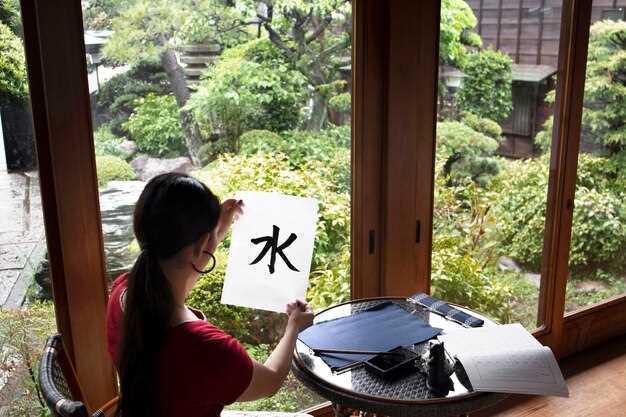
Pri učení sa nového jazyka, najmä japončiny, môže efektívne spájanie viet zlepšiť zrozumiteľnosť a komunikáciu. Zlúčením myšlienok môžu hovoriaci efektívnejšie vyjadriť význam, čím sa znižuje možnosť nedorozumení. Táto prax je užitočná najmä v rôznych situáciách, ako napríklad pri objednávaní jedla, pýtaní sa na cestu alebo nakupovaní.
Prepáčte, chcel by som sa opýtať, či by ste mi nevedeli poradiť, kde sa nachádza policajná stanica, pretože by som sa tam potreboval zastaviť,“ vytvára štruktúrovaný a zdvorilý vzorec.”Prepáčte, ako sa dostanem na policajnú stanicu?”(Prepáčte, ako sa dostanem na policajnú stanicu?)“ je efektívnejšie.
Používanie výpožičiek a morfém môže tiež pomôcť pri konštruovaní jasných viet. Napríklad, povedať “Ippai no soup” (veľa polievky) môže vyjadriť vaše potreby a uľahčiť lepšie porozumenie medzi poslucháčmi. Skombinujte to s miestnymi ingredienciami alebo menovými termínmi a svoje zámery ešte viac objasníte v kontexte nakupovania.
Ďalšou výhodnou stratégiou je použitie spojok a otázok na plynulejšie prepojenie viet. Skúste frázy ako napríklad: “Haha išla na Taiwan, on miluje tamojšiu históriu.”(Moja mama išla na Taiwan a užíva si miestnu históriu). Nielenže to poskytuje dodatočný kontext, ale aj podnecuje ďalšiu konverzáciu. Udržiavaním usporiadaných viet môžu študenti lepšie vyjadriť zložité myšlienky bez toho, aby zahltili svoje publikum neznámymi štruktúrami.
Okrem toho, v scenároch, ako je preverovanie položiek cez telefón alebo riešenie špecifických potrieb súvisiacich so symptómami alebo nakupovaním, kombinovanie relevantných fráz môže predísť nejasnostiam. Namiesto toho, aby ste každú záležitosť uvádzali osobitne, povedzte: “Mám kreditnú kartu vo vrecku, kam mám ísť, aby som ju vymenil za peniaze?”(Mám vo vrecku kreditnú kartu; kam by som mal ísť, aby som si ju vymenil?)“ spája relevantné informácie do jednej, stručnej otázky.
Na záver, rozvíjanie schopnosti spájať vety nielenže prispieva k jasnosti, ale aj podporuje plynulejšiu komunikáciu v rôznych situáciách. Ako budete pokračovať vo svojej jazykovej ceste, cvičte sa v zabezpečení toho, aby vaše vety boli rozsiahle, no priamočiare, čo vám pomôže ľahko sa orientovať v neznámych situáciách, či už v Helsinkách, Číne alebo počas vašich večerných nákupných výletov.