


 اردو
اردو  English (UK)
  Русский
  বাংলা
বাংলা  العربية
  日本語
日本語  한국어
한국어  Magyar
  Norsk nynorsk
  Türkçe
  עִבְרִית
  Español
  Čeština
  Svenska
  Português
  Ελληνικά
  Suomi
Suomi  Nederlands
  Română
  Italiano
  Français
  Polski
  Українська
  Deutsch
  简体中文
简体中文  Slovenčina
  Српски језик
  Azərbaycan dili
  O‘zbekcha
  አማርኛ
አማርኛ 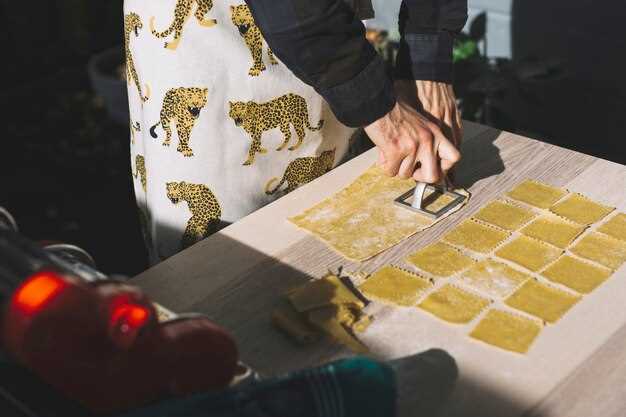 لیون میں سلک ٹور - لیون کے سلک ورثے اور بُنائی کو دریافت کریں">
لیون کے تاریخی سلک کوارٹر میں ایک گائیڈڈ دوپہر کے سلک بنانے کے سیشن کا بکنگ کرائیں تاکہ آپ اپنے ہاتھوں میں لوم کی دھڑکن کو محسوس کریں۔ ٹیکسٹائل کی تاریخ میں مہارت رکھنے والی ایک مقامی ایجنسی سے تعلق رکھنے والا انسٹرکٹر واضح مراحل اور دوستانہ رفتار کے ساتھ رہنمائی کرتا ہے۔ تاریخ کو محفوظ کرنے کے لیے ویب سائٹ کے ذریعے ریزرو کریں، پھر ایک مختصر حفاظتی گفتگو اور پرتپاک استقبال کے لیے 15 منٹ پہلے پہنچیں۔.
لیون میں، ریشم کی زندگی کا دورانیہ 19ویں صدی پر محیط ہے اور جدید دور تک جاری ہے۔ یہ چیز – لوم کا مسلسل ردھم – آپ کو خام ریشم سے لے کر کاتے ہوئے دھاگے اور پھر کپڑے تک، بنانے کے عمل کو ظاہر کرنے میں مدد کرتا ہے۔ آپ ایک محفوظ ورکشاپ کا دورہ کریں گے اور سنیں گے کہ کس طرح تاجروں اور کاریگروں نے مل کر لیون کی ساکھ کو ریشم کے دارالحکومت کے طور پر بنانے میں تعاون کیا۔.
عملی حصے کا دورانیہ 60 سے 90 منٹ ہے، جس میں آپ قریبی نگرانی میں ریشم سازی کا نمونہ آزما سکتے ہیں۔ A پرجوش رہنما تناؤ اور صف بندی کے بارے میں تجاویز بانٹتے ہیں، جبکہ آپ مشاہدہ کرتے ہیں کہ نمونے کیسے بنتے ہیں اور مختلف روشنیوں میں رنگ کیسے برتاؤ کرتا ہے۔ اس کے بعد، آپ مشغول ہوں گے سیکھنا اور دریافت کریں عملی تکنیکیں جنہیں آپ گھریلو دستکاریوں میں استعمال کر سکتے ہیں۔.
مظاہروں کے درمیان، پیسٹری کے لیے ایک فوری سٹاپ آپ کے ارد گرد موجود ٹچائل ٹیکسچر کے لیے ایک میٹھا برعکس پیش کرتا ہے۔ اگر آپ کا شیڈول اجازت دیتا ہے، تو ایک مختصر بوژولے جوڑی چکھنے کے ساتھ ہو سکتی ہے، جو درس کے بعد مقامی ذائقے کو بڑھاتی ہے۔ ماحول ذاتی اور mesmerizing تاگے آپ کی دوپہر میں ایک بصری تال شامل کرتے ہیں۔.
اس تجربے کی منصوبہ بندی چند دوستوں کے ساتھ کریں یا تنہا، اور ویب سائٹ استعمال کر کے تاریخیں، اوقات، اور دستیابی چیک کریں۔ یہ پروگرام لیون کے کئی اضلاع میں چلتا ہے اور اسے ریشم کے موتیوں کے اٹلیئر یا گیلری کے دورے کے ساتھ جوڑا جا سکتا ہے۔ ہنر مند کاریگروں سے سیکھ کر، آپ دستکاری کی گہری تعریف کے ساتھ اور چند نوٹس کے ساتھ رخصت ہوتے ہیں جنہیں آپ مستقبل کے گھریلو منصوبوں میں استعمال کر سکتے ہیں۔.
لیون سلک ہیریٹیج اینڈ ویونگ
لا کروا-روس میں لا میسن ڈیس کینُٹس کے ساتھ آغاز کریں تاکہ جیکارڈ لومز کو عملی طور پر دیکھا جا سکے اور جُلَاہوں سے بات کی جا سکے۔. لیون سے گزرتے ہوئے، یہ پہلا پڑاؤ دستکاری کی آپ کی سمجھ کو مضبوط کرتا ہے اور اس کے لیے توقعات قائم کرتا ہے جو آپ دیکھیں گے۔ ویو-لیون.
ریشم کو زندگی پاتے دیکھنا اس بات پر منحصر ہے کہ اس کا سراغ لگایا جائے عمل فائبر سے تیار شدہ ٹکڑے تک۔ اس سفر کا آغاز خام ریشم کے انتخاب سے ہوتا ہے، پھر کارڈنگ اور کومبنگ، رنگنے، وارپنگ، ویونگ، اور فنشنگ جو چمک اور رنگ کو برقرار رکھتی ہے۔ یہ ترتیب براہ راست تشکیل دیتی ہے ٹھیک ہے، میں اس کا خیال رکھوں گا۔ براہ کرم متن دیں۔ اور ساخت کا اسکارف.
درمیان ٹھیک ہے۔ اب میں تیار ہوں۔ متن فراہم کریں۔ آپ کو جو ملیں گے وہ روزمرہ کے ٹکڑوں کے لیے سادہ ویو، چمک کے لیے ساٹن، ساخت کے لیے ٹوِل اور پیچیدہ کے لیے جیکوارڈ ہوں گے۔ ڈیزائن. چاہے آپ بولڈ پیٹرن کو ترجیح دیں یا نفیس پھولوں کو، شاہراہِ ریشم کے کنارے وہ ڈسپلے مختلف آپشنز پیش کرتے ہیں۔. اسکارف نمائش میں اکثر وارپ سے ویو تک مکمل سائیکل کی عکاسی کی جاتی ہے۔.
لیون کے آس پاس کے خطوں میں بہت سے چھوٹے اسٹوڈیوز ہیں جہاں روایت عصری فیشن سے ملتی ہے۔ university پروگرام رنگوں کی کیمیا اور لوم سافٹ ویئر پر تحقیق میں حصہ ڈالتے ہیں، جبکہ مقامی اٹلیئر طلباء اور ابھرتے ہوئے ڈیزائنرز کے ساتھ تعاون کرتے ہیں–بشمول ان ناموں کے جیسے کہ جین اسٹوڈیوز-اپڈیٹ لاتے ہوئے ڈیزائن زندگی میں. وہ شراکت دار سفر کرنے والے خریداروں اور مقامی لوگوں کے لیے روایات کو متعلقہ رکھتے ہیں۔ اگر آپ فرانسیسی بولتے ہیں تو آپ ورکشاپ کے گائیڈڈ ٹور کے لیے کہہ سکتے ہیں۔.
منصوبہ بندی کے لیے، فوری گوگل تلاش سے موجودہ اوقات اور کیا ورکشاپس آنے والوں کو خوش آمدید کہتی ہیں ظاہر ہوتا ہے۔ میں ویو-لیون, ، تنگ گلیاں چھوٹے چھپا displays تیار شدہ ٹکڑوں کے، اور وہاں وافر مقدار میں اسکارف اور متعلقہ ٹیکسٹائل جن کا آپ آمنے سامنے موازنہ کر سکتے ہیں۔.
عام طور پر اسکارف کی لمبائی 140-170 سینٹی میٹر ہوتی ہے، تنگ ٹکڑے تقریباً 30-40 سینٹی میٹر کے اور چوڑائی طرز کے لحاظ سے 40-60 سینٹی میٹر تک ہوتی ہے۔ اگر آپ سفر کرنا, ، خریداری کے لیے دکان پر جانے اور پیدل سفر کے لیے بھی وقت مختص کریں۔ علاقوں لیون کے آس پاس یہ دیکھنے کے لیے کہ کیسے ٹھیک ہے، میں اس کا خیال رکھوں گا۔ براہ کرم متن دیں۔ اور ٹھیک ہے۔ اب میں تیار ہوں۔ متن فراہم کریں۔ روزمرہ کے لباس پر اثر انداز ہوتے ہیں۔ جب آپ دیکھتے ہوئے۔ ٹکڑا، چیک کریں۔ عمل اور اس کے ماخذ کے بارے میں پوچھیں۔ اسکارف جیسا آپ چاہیں۔.
لیون میں اپنے سلک ہیریٹیج روٹ کا آغاز کیسے کریں: اہم مقامات اور راستے۔
کروا روُس کے علاقے سے شروُع کریں، جہاں لیون کی مشہور ریشم سازی نے جڑ پکڑی اور کاریگر تنگ گلیوں کے پیچھے رہتے تھے۔ شروع ہی سے آپ کو پہاڑی ورکشاپس اور ہلچل مچاتے ہوئے شہر کے مرکز کے درمیان تضاد کا احساس ہوگا، جہاں اٹھارویں صدی سے ٹیکسٹائل روزمرہ کی زندگی کو تشکیل دے رہے ہیں۔ اس منصوبے کو استعمال کرتے ہوئے ایک ایسا راستہ چُنیں جو آپ کی رفتار اور نایاب تکنیکوں، نمونوں اور ان لوگوں میں آپ کی دلچسپی کے مطابق ہو جنہوں نے روایات کو زندہ رکھا۔.
- اپنا راستہ منتخب کریں۔
- آپشن اے: کروا-رُوس میں ایک کمپیکٹ ۳ کلومیٹر کا لوپ۔ پہاڑی ڈھلان پر قائم رہیں، مرکزی گلیوں کے پیچھے موجود ترابولز میں سے گزریں، اور چند ایک ورکشاپس میں جائیں جہاں محدود تعداد میں اشیا اب بھی تیار کی جاتی ہیں۔ یہ اس وقت مثالی ہے جب آپ طویل راستوں سے گریز کرتے ہوئے دستکاری کا مرکوز ذائقہ چاہتے ہیں۔.
- آپشن B: دریائے سونے کے ساتھ ساتھ پریسکیل آئیل تک ایک لمبا 6-7 کلومیٹر کا چکر۔ یہ راستہ پہاڑی کی ورکشاپوں کو شہر کے مرکز کی تاریخی ریشم کی دکانوں سے جوڑتا ہے، جو مصروف تجارتی مرکز کے قریب ختم ہوتا ہے جہاں کبھی اعلیٰ درجے کے کپڑے لوم سے لوم تک جاتے تھے۔.
- اہم اسٹاپس جنہیں آپ یاد نہیں کریں گے
- Croix-Rousse نمائش: رومن سے متاثرہ نمونوں نے ابتدائی بنائیوں کو کیسے متاثر کیا، یہ دیکھنے کے لیے Maison des Canuts ڈسپلے کا دورہ کریں، پھر ایک فعال atelier کے دروازوں کے پیچھے جھانکیں جہاں کاریگر لوم ورک اور ہاتھ سے رنگنے کی تکنیک کا مظاہرہ کرتے ہیں۔.
- جزیرہ نما کے رابطے: مرکزی گلیوں میں چہل قدمی کریں جہاں کبھی اہم ریشم کی دکانیں فرانسیسی فیشن گھرانوں کو سپلائی کرتی تھیں۔ انتہائی درجہ بندی کے مظاہروں اور رنگین نمونوں کے ساتھ دکانوں کی تلاش کریں جو ظاہر کرتے ہیں کہ دھاگے کیسے اعلیٰ قسم کے کپڑوں میں تبدیل ہوتے ہیں۔.
- ٹیکسٹائل ورثہ ٹچ پوائنٹ: ایک چھوٹا عجائب گھر یا تشریحی جگہ (اکثر ایک کانفرنسئیر کی زیرِ میزبانی) جو تجارت کے ارتقاء کی وضاحت کرتا ہے، موروثی تجارت سے لے کر عصری مشق تک، اور ان لوگوں کی ڈائیجیٹک کہانیوں کو اجاگر کرتا ہے جو اس علاقے میں رہتے اور کام کرتے تھے۔.
- ایک بھرپور تجربے کے لیے عملی نکات
- وقت کا صحیح انتخاب کریں: صبحیں پرسکون ہوتی ہیں اور آپ کو Presqu’île کے دریائی کناروں اور پہاڑی ateliers کی تصاویر کے لئے بہتر روشنی میسر آتی ہے؛ سہ پہر کے آخری حصے شہر کے پتھر کے facades پر گرم رنگ پیش کرتے ہیں۔.
- ورکشاپ دیکھنے کے مواقع کے بارے میں پوچھیں: کچھ مقامات مختصر،, محدود ایسے مظاہرے جہاں آپ بُنائی، رنگوں کی مِلاوٹ یا پیٹرن اسکریننگ کو قریب سے دیکھ سکتے ہیں۔.
- ایک کی تلاش کریں۔ conférencière-led talk or short lecture on silk traditions; these sessions provide context about when certain motifs emerged and how industry needs shaped design choices.
- Plan for a flexible finish: if a demonstration runs longer, you can linger in a café along the presquile or pick up a small, authentically French keepsake before returning to your hotel.
- Respect the space: behind every workshop there’s a team of artisans who continue patterns passed down through generations; observe quietly and ask thoughtful questions about materials, methods, and care instructions for delicate fabrics.
- Context you’ll encounter
- The area combines area, town, and village-like pockets where people lived in close-knit groups, preserving traditions while embracing modern design.
- You’ll notice die-hard commitment to craft: artisans and workshops emphasize accuracy, colorfast dyes, and durable finishes that suit limited production runs.
- The route reflects a continuous thread from the early guilds to today’s studios: a narrative of need, adaptation, and skill that remains highly relevant for visitors who value authentic technique.
- What to bring and expect
- A light backpack with water, a small notebook, and a camera; outdoor sections may be sunny or breezy along the riverbank.
- A moderate pace to maximize time at ateliers and to observe details in the weaves, textures, and finishes that define Lyon’s silk identity.
- An open mind for the city’s french charm: signage, conversations, and store displays reveal the industry’s long love affair with color, texture, and craftmanship.
Whichever route you choose, you’ll finish with a clear sense of Lyon’s Silk Heritage as a living practice–renowned for its artistry, passed down skills, and active commitment to keeping traditional methods alive behind the scenes while inviting new generations to participate in the craft. The Silk Heritage Route offers a tangible link between the town’s historical industry and today’s contemporary ateliers, where artisans continue to produce scarves, fabrics, and accessories that tell Lyon’s story in thread and dye.
Booking and pricing: finding guided tours and group options
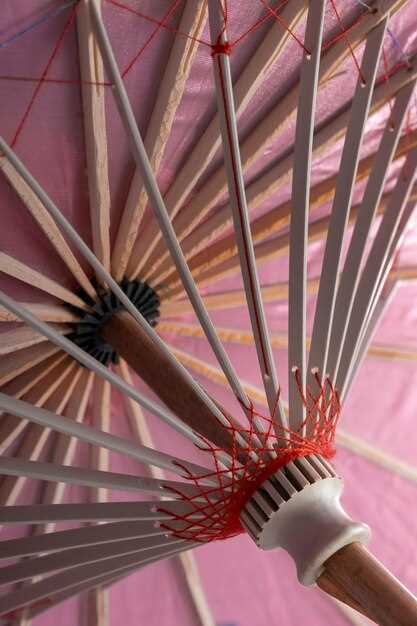
Book at least 4 weeks in advance to secure a guided Silk Tour that includes a silk-making course and admission to nearby monuments. Last-minute spaces are scarce, especially for groups over eight; plan through official sites or trusted operators to lock in your preferred date and language, and avoid crowding during peak times that can push prices up.
-
Where to book
Official Lyon tourism pages list guided tours through Lyon’s silk districts, with routes through the Croix-Rousse crossroads and stops at historic monuments. There, visitor information is clear, language options are listed, and you know what you’ll encounter. The guides share behind-the-scenes moments and the human stories woven into silk-making, often led by brochiers who bring the craft to life while you watch the loom.
-
Pricing and inclusions
Typical ranges give you a solid baseline. Standard walking tours run 22–28 EUR per person; a silk-making demonstration adds 10–25 EUR. A hands-on silk-making course can range 25–60 EUR extra, depending on duration and materials. Private tours for 2–4 people sit around 180–260 EUR; for 6–8, 350–520 EUR. For groups of 12 or more, expect a 10–15% per-person discount. Admission to a site or workshop may be included in the package or charged separately at 5–12 EUR per site. Includes a clear note on what is covered and what remains optional for your party.
-
Group options and pacing
Small groups (6–8) maximize interaction, while medium groups (9–15) balance pace and access. Large groups up to 25 can be split across guides. Another option, like a private atelier visit after the walk, suits families or corporate teams. Whether you want a general overview or a hands-on experience, there are adaptable formats. Corporate or school programs can be tailored with flexible start times and language options. For foreign travelers, specify language needs early to secure a suitable guide.
-
عملی نکات
- Dress for comfort: sturdy shoes for cobblestones and workshop floors; bring a light layer for interiors.
- Duration usually spans 2–3 hours, with a silk-making course adding 30–60 minutes.
- Most slots run through the morning and afternoon; choosing a 9:00–12:00 window helps avoid crowds near monuments.
- Know what admission is included and what remains optional, so you don’t miss anything.
-
Language and accessibility
Most tours offer English and French; some provide Spanish or German on request. If you want a specific foreign language, book early because high-demand slots fill quickly. Guides may address you in vous, with a friendly switch to English or another language as needed, which makes the experience lovely for a diverse visitor roster. Information is shared clearly so you know what to expect, and you can adjust the plan to suit your group.
What happens during a silk weaving demonstration: duration and what you’ll learn
Reserve a 2-hour silk weaving demonstration to see centuries-old techniques in action, with an audio-guided english explanation that keeps you engaged from start to finish. youre traveling here for a taste of Lyon’s craft, and travelers will appreciate the tactile loom, the shimmer of silk, and the opportunity to watch skilled hands at work.
During the session, a renowned weaver demonstrates the sequence: preparing the loom, warping the threads, guiding the shuttle, and finishing the fabric. The demonstration mainly focuses on core weaving steps, with a well-paced rhythm that suits guests of all levels and provides clear, actionable insights.
Learn what sets silk weaving apart: warp and weft, pattern building, thread handling, and color layering. You’ll discover the reasons behind each choice, plus the inventions that simplified traditional workflows, providing a practical view of how centuries-old craft evolved.
Context and setting: the workshop sits near Lyon’s traboules and historic studios, linking the craft to a long trade tradition. The experience is among the greatest for those seeking well-made textiles, and the atmosphere feels authentic rather than staged, thanks to a well-curated display.
Tickets and practicals: tickets are available online or at the venue; restrictions may apply to minors. Guests should arrive 15 minutes early and wear comfortable shoes, as you’ll be on your feet during portions of the demonstration. Afterward, explore nearby cuisine and Lyon food options to extend your visit.
For fashion enthusiasts, the session often reveals how craft informs renowned design, with givenchy-inspired motifs appearing in subtle textures. Those curious about the industry will leave with a clearer sense of how a centuries-old skill remains relevant today, and returning guests will notice new details with each visit.
Silk museum highlights: artifacts that tell Lyon’s trade story
Begin at the loom gallery on the ground floor with an 18th-century silk loom and the accompanying ledgers; this small display reveals the length of Lyon’s silk supply chains and how fabrics moved through Europe and beyond.
The case of fabrics and sample books shows the artistry that designers and workshops produced daily. Look for block-printed fabrics, dyed skeins, and pattern sheets, fabriqué for markets in Paris, Marseille, and Lyon. Those items demonstrate how craftsmanship and trade combined to create modern fabrics that locals wore and sold.
Voices matter here: the conférenciére explains, through audio-guided panels and tactile labels, how trade flows connected Lyon to Asia, North Africa, and the Italian workshops. Audio-guided routes can be paused for feedback from guides, and you can compare how different regions influenced each other through the centuries.
Several artifacts document the role of Paul and other designers–sketches, fabric samples, and finished pieces–that show confluences between traditional craft and fashion innovation. Once merchants judged quality by thread count and length, now museums show how those criteria translated into the fabrics that shaped mankind’s daily life.
For a practical touch, use google reviews for tips and plan to spend about 45–60 minutes with the highlights. The locals often share recommendations on small, special pieces stored in quiet corners; those curiosities make the visit committed to memory. Each artifact created a narrative about Lyon’s trade that remains relevant for anybody tracing the city’s craft heritage through modern design and education.
Hands-on workshops and artisan experiences: dyeing, weaving, and pattern exploration
Reserve a 2-hour dyeing workshop in the Croix-Rousse neighborhood, where Lyon’s century-long silk-making tradition comes to life. Your guide explains the silk-making process from fiber prep to heat-setting, and you participate in dyeing a silk skein with natural pigments. You practice mordanting, dye immersion, and color-setting, and you see how a napped silk surface accepts color more richly than a smooth plain weave. In small groups of 6–12, you leave with a swatch and a simple color card to carry along the street and tell this craft story to friends. The session offers transparency on the pigments and color outcomes; price ranges from 40 to 60 euros per person, depending on pigments and length of session. An offering includes a color card and a tiny sample loom accessory.
The weaving session uses a compact loom to build a sample pattern. You observe warp and weft, tension, and beat, and you try at least two patterns–plain weave and a basic motif. Guides explain how patterns draw on historical influences and foreign motifs, reflecting Lyon’s diversity of textiles. The workshop highlights how technology and hands-on practice keep this craft alive, with a short demo of loom motion and a take-home woven badge. Duration: 90 minutes; price: 45–70 euros, depending on loom type and pattern complexity. Patterns exploration becomes mesmerizing as you compare color threads and weave structures. Based on decades of archive study, the instructors tailor patterns to your skill level.
Guided experiences connect craft to daily life. Children can join simple tasks such as choosing a color swatch, while adults learn to read a textile’s pattern logic. The offerings include a stop at bouchons along a nearby street and a quick bike ride through the neighborhood to visit a few studios. Guides explain how the last century shaped Lyon’s silk industry, and several visitors asked for a closer look at a loom in action to witness the tempo of the shuttle.
Booking and practical tips: reserve two weeks ahead for weekend slots; choose studios with bilingual guides to explain techniques clearly. Look for offerings that combine dyeing and weaving in a single program and include pattern exploration of historical designs. If you want a broader view, pair your session with a visit to a silk archive in the capital, or a street market nearby, for more context. For families, plan a half-day that ends with bouchons along the street and a short bike ride back to the neighborhood. Dye options include bour Bourgogne-inspired tones.
Family-friendly tours and accessibility: planning for kids and mobility
Choose a provider that offers stroller-friendly routes and a 60–90 minute length; thats a manageable length for families.
They often include stories about silk making that kids find fascinating, and guides tailor questions to different ages. In the town’s vieux-lyon streets, seek tours that keep pace for kids and include hands-on stops with looms and worker demonstrations, while prioritizing a sustainable approach to minimize crowds and protect local crafts.
An informative guide will uncover the textile story through maps and simple text about textiles, technologies, and inventions that shaped silk production over the years.
When planning, verify accessibility: routes should be step-free, with seating, shade, and clear signage; confirm that restrooms are accessible.
For families with mobility concerns, choose shorter options and ask the provider about starting points near elevators or curb cuts, and offer space for strollers along galleries that host headscarves exhibits.
بچوں کے ساتھ شئیر کریں کہ کیسے ریشم نے انسانیت کو برقرار رکھا ہے؛ انہیں دعوت دیں کہ وہ کس ڈسپلے کو دیکھنا چاہتے ہیں اس کا انتخاب کریں، سوالات پوچھیں، اور بطورِ وزیٹر اور لرنر انہیں جو چیزیں دلچسپ لگیں انہیں نوٹ کریں۔.
| فیچر | خاندانوں کے لیے فائدہ | نکات |
|---|---|---|
| راستے کی لمبائی | مختصر چکر تھکاوٹ کو کم کرتے ہیں۔ | بُکنگ کے وقت 60–90 منٹ کے اختیارات کی درخواست کریں۔ |
| رسائی | قدم قدم کے بغیر راستے اور نشستیں۔ | کرب کٹس، ریمپس اور قابل رسائی بیت الخلاء کی تصدیق کریں۔ |
| اسٹاپس | لوم اور ٹیکسٹائل کے انٹرایکٹو ڈسپلے | دستکاری کے لمحات اور ٹیکسٹائل ڈیمو تلاش کریں۔ |
| گائیڈز | صاف، بچوں کے لیے دوستانہ وضاحتیں۔ | ایسے معلوماتی گائیڈز طلب کریں جو بصری مواد اور سادہ کہانیاں استعمال کریں۔ |
| مواد | نقشے اور کپڑوں کے بارے میں سیاق و سباق | بچوں کے لیے موزوں نقشے اور قابل ذکر نمائشیں جیسے کہ اسکارف لائیں۔ |