


 Українська
  English (UK)
  Русский
  বাংলা
বাংলা  العربية
  日本語
日本語  한국어
한국어  Magyar
  Norsk nynorsk
  Türkçe
  עִבְרִית
  Español
  Čeština
  Svenska
  Português
  Ελληνικά
  Suomi
Suomi  Nederlands
  Română
  Italiano
  Français
  Polski
  Deutsch
  简体中文
简体中文  Slovenčina
  Српски језик
  اردو
اردو  Azərbaycan dili
  O‘zbekcha
  አማርኛ
አማርኛ 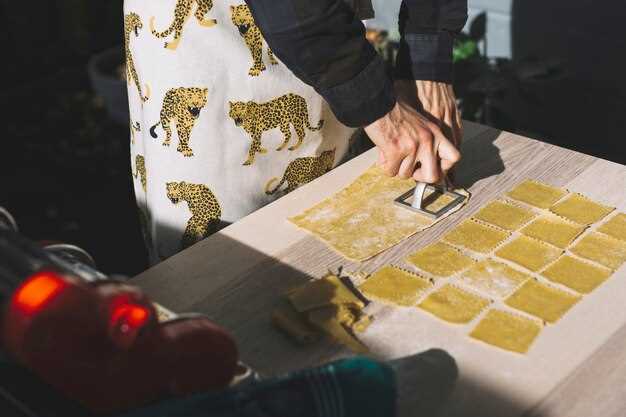 Silk Tour in Lyon – Explore Lyon's Silk Heritage and Weaving">
Book a guided afternoon silk-making session in Lyon’s historic silk quarter to feel the loom’s rhythm in your hands. The instructor, from a local agency that specialises in textile history, guides with clear steps and a friendly pace. Reserve through the website to lock in a date, then arrive 15 minutes early for a brief safety talk and a warm welcome.
In Lyon, the silk lifecycle spans the 19th century and continues into modern practice. This thing–the loom’s steady rhythm–helps you feel the scale from raw silk to spun thread and then to fabric, the making process revealed. You’ll visit a preserved workshop and hear how merchants and artisans collaborated to build Lyon’s reputation as a silk capital.
The hands-on segment runs 60 to 90 minutes, letting you try a sample of silk-making under close supervision. A passionate mentor shares tips on tension and alignment, while you observe how patterns form and how colour behaves in different lights. Afterwards, you’ll engage in learning і discover practical techniques that you can carry into home crafts.
Between demonstrations, a quick stop for pastries offers a sweet contrast to the tactile textures around you. If your schedule allows, a brief beaujolais pairing can accompany the tasting, heightening the local flavour after the lesson. The atmosphere stays intimate and the mesmerising Threads add a visual rhythm to your afternoon.
Plan this experience with a few friends or solo, and use the website to check dates, times, and availability. The programme runs in several Lyon districts and can be paired with a visit to a silk-beading atelier or a gallery. Learning from skilled makers, you leave with a deeper appreciation for the craft and a few notes you can share with future projects at home.
Lyon Silk Heritage & Weaving
Begin with a visit to La Maison des Canuts in the Croix-Rousse to see jacquard looms in action and speak with the weavers. Travelling through Lyon, this first stop anchors your understanding of the craft and sets expectations for what you’ll see in Old Lyon.
Seeing silk come to life hinges on tracing the process from fibre to finished piece. The journey starts with selecting raw silk, then carding and combing, dyeing, warping, weaving, and finishes that lock in sheen and colour. This sequence directly shapes the Please provide the text you would like me to translate to UK English. and texture of scarves.
Among the techniques you’ll encounter are plain weave for everyday pieces, satin for gloss, twill for texture, and jacquard for complex designs. Whether you prefer bold patterns or subtle florals, those displays along the silk routes offer a range of options. Scarves showcased frequently illustrate the full cycle from warp to weft.
Regions around Lyon host many small studios where tradition meets contemporary fashion. The університет programmes contribute research on dye chemistry and loom software, while local ateliers collaborate with students and emerging designers–including names like jean studios–bringing updated designs to life. Those partnerships keep traditions relevant for travelling shoppers and locals alike. If you speak French, vous can ask for a guided tour of the workshop.
For planning, a quick google search reveals current hours and whether workshops welcome visitors. In Old Lyon, narrow lanes hide small displays of finished pieces, and there's a wealth of scarves and related textiles you can compare side by side.
Typical scarf lengths span 140–170 cm, with narrow pieces around 30–40 cm and widths from 40–60 cm depending on style. If you're travelling, allocate time for both a shop visit and a walking tour through the regions around Lyon to see how Please provide the text you would like me to translate to UK English. і techniques influence everyday wear. When you seeing a piece, check the process and enquire about the origin of scarves You like.
How to begin your Silk Heritage Route in Lyon: key sites and routes
Begin in the Croix-Rousse area, where Lyon’s renowned silk craft took root and artisans lived behind narrow lanes. From the start you’ll sense the contrast between hillside workshops and the bustling town centre, with textiles shaping daily life since the 18th century. Use this plan to pick a route that fits your pace and your interest in rare techniques, patterns, and the people who kept traditions alive.
- Choose your route
- Option A: a compact 3 km loop in Croix-Rousse. Stick to the hillside, walk through the traboules behind the main streets, and drop into a couple of workshops where limited pieces are still produced. It’s ideal when you want a focused taste of the craft without long detours.
- Option B: a longer 6–7 km circuit along the Saône to Presqu’île. This route links the hill’s ateliers with the town centre’s historic silk shops, finishing near the busy commercial heart where haute fabrics once travelled from loom to loom.
- Key stops you won't miss
- Croix-Rousse showcase: visit a Maison des Canuts display to see how the Roman-inspired patterns influenced early weaves, then peek behind the doors of a working atelier where artisans demonstrate loom work and hand-dye techniques.
- Presqu'île connections: walk along the central lanes where main silk shops once supplied French fashion houses. Look for shopfronts with highly-rated demonstrations and colourful samples that reveal how threads translate into haute fabrics.
- Textile heritage touchpoint: a small museum or interpretive space (often hosted by a guide) that explains the trade’s evolution, from inherited trades to contemporary practice, and highlights the diegetic stories of people who lived and worked in the area.
- Practical tips for a rich experience
- Time it right: mornings are quieter and give you better light for photos of the Presqu’île riverbanks and hillside ateliers; late afternoons offer warm tones over the town’s stone façades.
- Ask about opportunities to observe a workshop: some venues offer short, limited demonstrations where you can see weaving, dye mixing, or pattern screening up close.
- Look for a lecturer-led talk or short lecture on silk traditions; these sessions provide context about when certain motifs emerged and how industry needs shaped design choices.
- Plan for a flexible finish: if a demonstration runs longer, you can linger in a café along the presqu'île or pick up a small, authentically French keepsake before returning to your hotel.
- Respect the space: behind every workshop there’s a team of artisans who continue patterns passed down through generations; observe quietly and ask thoughtful questions about materials, methods, and care instructions for delicate fabrics.
- Context you'll encounter
- The area combines area, town, and village-like pockets where people lived in close-knit groups, preserving traditions while embracing modern design.
- You’ll notice die-hard commitment to craft: artisans and workshops emphasise accuracy, colourfast dyes, and durable finishes that suit limited production runs.
- The route reflects a continuous thread from the early guilds to today’s studios: a narrative of need, adaptation, and skill that remains highly relevant for visitors who value authentic technique.
- What to bring and expect
- A light rucksack with water, a small notebook, and a camera; outdoor sections may be sunny or breezy along the riverbank.
- A moderate pace to maximise time at ateliers and to observe details in the weaves, textures, and finishes that define Lyon’s silk identity.
- An open mind for the city's français Charm: signage, conversations, and store displays reveal the industry’s long love affair with colour, texture, and craftsmanship.
Whichever route you choose, you’ll finish with a clear sense of Lyon’s Silk Heritage as a living practice–renowned for its artistry, passed down skills, and active commitment to keeping traditional methods alive behind the scenes while inviting new generations to participate in the craft. The Silk Heritage Route offers a tangible link between the town’s historical industry and today’s contemporary ateliers, where artisans continue to produce scarves, fabrics, and accessories that tell Lyon’s story in thread and dye.
Booking and pricing: finding guided tours and group options
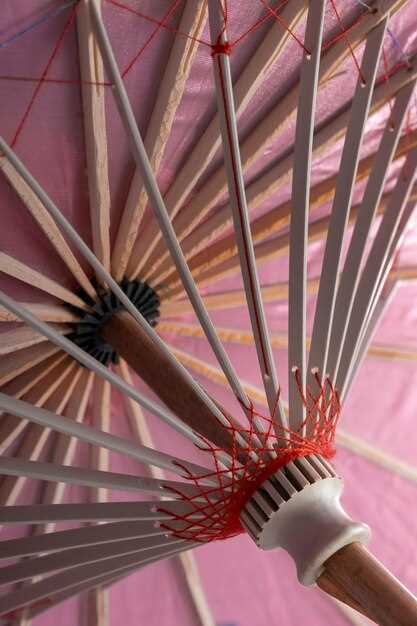
Book at least 4 weeks in advance to secure a guided Silk Tour that includes a silk-making course and admission to nearby monuments. Last-minute spaces are scarce, especially for groups over eight; plan through official sites or trusted operators to lock in your preferred date and language, and avoid crowding during peak times that can push prices up.
-
Where to book
Official Lyon tourism pages list guided tours through Lyon’s silk districts, with routes through the Croix-Rousse crossroads and stops at historical monuments. There, visitor information is clear, language options are listed, and you know what you’ll encounter. The guides share behind-the-scenes moments and the human stories woven into silk-making, often led by brochiers who bring the craft to life while you watch the loom.
-
Pricing and inclusions
Typical ranges give you a solid baseline. Standard walking tours run £22–£28 per person; a silk-making demonstration adds £10–£25. A hands-on silk-making course can range £25–£60 extra, depending on duration and materials. Private tours for 2–4 people sit around £180–£260; for 6–8, £350–£520. For groups of 12 or more, expect a 10–15% per-person discount. Admission to a site or workshop may be included in the package or charged separately at £5–£12 per site. Includes a clear note on what is covered and what remains optional for your party.
-
Group options and pacing
Small groups (6–8) maximise interaction, while medium groups (9–15) balance pace and access. Large groups up to 25 can be split across guides. Another option, like a private atelier visit after the walk, suits families or corporate teams. Whether you want a general overview or a hands-on experience, there are adaptable formats. Corporate or school programmes can be tailored with flexible start times and language options. For foreign travellers, specify language needs early to secure a suitable guide.
-
Практичні поради
- Dress for comfort: sturdy shoes for cobblestones and workshop floors; bring a light layer for interiors.
- Duration usually spans 2–3 hours, with a silk-making course adding 30–60 minutes.
- Most slots run through the morning and afternoon; choosing a 9:00–12:00 window helps avoid crowds near monuments.
- Know what admission is included and what remains optional, so you don’t miss a thing.
-
Language and accessibility
Most tours offer English and French; some provide Spanish or German on request. If you want a specific foreign language, book early because high-demand slots fill quickly. Guides may address you in vous, with a friendly switch to English or another language as needed, which makes the experience lovely for a diverse visitor roster. Information is shared clearly so you know what to expect, and you can adjust the plan to suit your group.
What happens during a silk weaving demonstration: duration and what you'll learn
Book a 2-hour silk weaving demonstration to witness centuries-old techniques in action, with an audio-guided English explanation that keeps you engaged from start to finish. You're travelling here for a taste of Lyon’s craft, and travellers will appreciate the tactile loom, the shimmer of silk, and the opportunity to watch skilled hands at work.
During the session, a renowned weaver demonstrates the sequence: preparing the loom, warping the threads, guiding the shuttle, and finishing the fabric. The demonstration mainly focuses on core weaving steps, with a well-paced rhythm that suits guests of all levels and provides clear, actionable insights.
Learn what sets silk weaving apart: warp and weft, pattern building, thread handling, and colour layering. You’ll discover the reasons behind each choice, plus the inventions that simplified traditional workflows, providing a practical view of how centuries-old craft evolved.
The workshop sits near Lyon’s traboules and historic studios, linking the craft to a long trade tradition. The experience is among the greatest for those seeking well-made textiles, and the atmosphere feels authentic rather than staged, thanks to a well-curated display.
Tickets and practicals: tickets are available online or at the venue; restrictions may apply to minors. Guests should arrive 15 minutes early and wear comfortable shoes, as you’ll be on your feet during portions of the demonstration. Afterwards, explore nearby cuisine and Lyon food options to extend your visit.
For fashion enthusiasts, the session often reveals how craft informs renowned design, with givenchy-inspired motifs appearing in subtle textures. Those curious about the industry will leave with a clearer sense of how a centuries-old skill remains relevant today, and returning guests will notice new details with each visit.
Silk museum highlights: artefacts that tell Lyon's trade story
Begin at the loom gallery on the ground floor with an 18th-century silk loom and the accompanying ledgers; this small display reveals the length of Lyon’s silk supply chains and how fabrics moved through Europe and further afield.
The case of fabrics and sample books shows the artistry that designers and workshops produced daily. Look for block-printed fabrics, dyed skeins, and pattern sheets, fabriqué for markets in Paris, Marseille, and Lyon. Those items demonstrate how craftsmanship and trade combined to create modern fabrics that locals wore and sold.
Voices matter here: the conférencière explains, through audio-guided panels and tactile labels, how trade flows connected Lyon to Asia, North Africa, and the Italian workshops. Audio-guided routes can be paused for feedback from guides, and you can compare how different regions influenced each other through the centuries.
Several artefacts document the role of Paul and other designers–sketches, fabric samples, and finished pieces–that show confluences between traditional craft and fashion innovation. Once merchants judged quality by thread count and length, now museums show how those criteria translated into the fabrics that shaped mankind’s daily life.
For a practical touch, use Google reviews for tips and plan to spend about 45–60 minutes with the highlights. The locals often share recommendations on small, special pieces stored in quiet corners; those curiosities make the visit committed to memory. Each artefact created a narrative about Lyon’s trade that remains relevant for anybody tracing the city’s craft heritage through modern design and education.
Hands-on workshops and artisan experiences: dyeing, weaving, and pattern exploration
Reserve a 2-hour dyeing workshop in the Croix-Rousse neighbourhood, where Lyon’s century-long silk-making tradition comes to life. Your guide explains the silk-making process from fibre prep to heat-setting, and you participate in dyeing a silk skein with natural pigments. You practice mordanting, dye immersion, and colour-setting, and you see how a napped silk surface accepts colour more richly than a smooth plain weave. In small groups of 6–12, you leave with a swatch and a simple colour card to carry along the street and tell this craft story to friends. The session offers transparency on the pigments and colour outcomes; price ranges from 40 to 60 euros per person, depending on pigments and length of session. An offering includes a colour card and a tiny sample loom accessory.
The weaving session uses a compact loom to build a sample pattern. You observe warp and weft, tension, and beat, and you try at least two patterns – plain weave and a basic motif. Guides explain how patterns draw on historical influences and foreign motifs, reflecting Lyon’s diversity of textiles. The workshop highlights how technology and hands-on practice keep this craft alive, with a short demo of loom motion and a take-home woven badge. Duration: 90 minutes; price: 45–70 euros, depending on loom type and pattern complexity. Patterns exploration becomes mesmerising as you compare colour threads and weave structures. Based on decades of archive study, the instructors tailor patterns to your skill level.
Guided experiences connect craft to daily life. Children can join simple tasks such as choosing a colour swatch, while adults learn to read a textile’s pattern logic. The offerings include a stop at bouchons along a nearby street and a quick bike ride through the neighbourhood to visit a few studios. Guides explain how the last century shaped Lyon’s silk industry, and several visitors asked for a closer look at a loom in action to witness the tempo of the shuttle.
Booking and practical tips: reserve two weeks ahead for weekend slots; choose studios with bilingual guides to explain techniques clearly. Look for offerings that combine dyeing and weaving in a single programme and include pattern exploration of historical designs. If you want a broader view, pair your session with a visit to a silk archive in the capital, or a street market nearby, for more context. For families, plan a half-day that ends with bouchons along the street and a short bike ride back to the neighbourhood. Dye options include Bourgogne-inspired tones.
Family-friendly tours and accessibility: planning for kids and mobility
Choose a provider that offers pushchair-friendly routes and a 60–90 minute length; that's a manageable length for families.
They often include stories about silk making that kids find fascinating, and guides tailor questions to different ages. In the town’s vieux-lyon streets, seek tours that keep pace for kids and include hands-on stops with looms and worker demonstrations, whilst prioritising a sustainable approach to minimise crowds and protect local crafts.
An informative guide will uncover the textile story through maps and simple text about textiles, technologies, and inventions that shaped silk production over the years.
When planning, verify accessibility: routes should be step-free, with seating, shade, and clear signage; confirm that restrooms are accessible.
For families with mobility concerns, choose shorter options and ask the provider about starting points near lifts or dropped kerbs, and offer space for prams along galleries that host headscarf exhibits.
Share with kids how silk has sustained mankind; invite them to participate by choosing which display to visit, asking questions, and noting what they find fascinating as visitor and learner.
| Особливість | Benefit for families | Поради |
|---|---|---|
| Route length | Short loops minimise fatigue. | request 60–90 minute options at booking |
| Доступність | step-free access and seating | verify dropped kerbs, ramps, and accessible toilets |
| Stops | interactive displays of looms and textiles | look for hands-on moments and textile demos |
| Посібники | clear, kid-friendly explanations | seek informative guides that use visuals and simple stories |
| Materials | maps and context about fabrics | bring child-friendly maps and notable exhibits such as headscarves |