


 Српски језик
  English (UK)
  Русский
  বাংলা
বাংলা  العربية
  日本語
日本語  한국어
한국어  Magyar
  Norsk nynorsk
  Türkçe
  עִבְרִית
  Español
  Čeština
  Svenska
  Português
  Ελληνικά
  Suomi
Suomi  Nederlands
  Română
  Italiano
  Français
  Polski
  Українська
  Deutsch
  简体中文
简体中文  Slovenčina
  اردو
اردو  Azərbaycan dili
  O‘zbekcha
  አማርኛ
አማርኛ  Tura svile u Lionu – Istražite lionsko nasleđe svile i tkanja">
Rezervišite popodnevni čas tkanja svile sa vodičem u istorijskoj četvrti svile u Lionu i osetite ritam razboja u svojim rukama. Instruktor из локалне агенције специјализоване за историју текстила vodiće vas jasnim koracima i prijateljskim tempom. Rezervišite mesto putem veb-sajta kako biste osigurali datum, a zatim dođite 15 minuta ranije radi kratkog razgovora o bezbednosti i srdačne dobrodošlice.
U Lionu, životni ciklus svile proteže se kroz 19. vek i nastavlja se u modernoj praksi. Ova stvar – stalan ritam razboja – pomaže vam da osetite razmeru od sirove svile do upredenog konca, a zatim i do tkanine, proces izrade je otkriven. Posetićete očuvanu radionicu i čuti kako su trgovci i zanatlije sarađivali da bi izgradili lionski ugled kao prestonice svile.
Praktični segment traje 60 do 90 minuta i omogućava vam da isprobate uzorak proizvodnje svile pod strogim nadzorom. A страствен ментор дели савете о тензији и поравнању, док ви посматрате како се формирају обрасци и како се боја понаша под различитим светлима. Након тога ћете се посветити учење и открити практичне технике које можете применити у кућним занатима.
Између демонстрација, брза станица за пецива нуди слатки контраст тактилним текстурама око вас. Ако вам распоред дозвољава, кратак беаујолаис може да прати дегустацију, појачавајући локални укус након лекције. Атмосфера остаје интимна и очаравајуће нитки додају визуелни ритам вашем поподневу.
Испланирајте ово искуство са неколико пријатеља или сами, и користите веб-сајт да проверите датуме, времена и доступност. Програм се одвија у неколико лионских округа и може се упарити са посетом атељеу за израду свилених перли или галерији. Учећи од вештих мајстора, одлазите са дубљим разумевањем занатства и неколико белешки које можете поделити са будућим пројектима код куће.
Лионска баштина свиле и ткање
Почните са посетом Maison des Canuts у Кроа-Рус како бисте видели жакардове разбоје у акцији и разговарали са ткаљама. Путујући кроз Лион, ова прва станица учвршћује ваше разумевање заната и поставља очекивања за оно што ћете видети у Стари Лион.
Видети свилу како оживљава зависи од праћења процес od vlakna do gotovog komada. Putovanje počinje odabirom sirove svile, zatim kardiranjem i češljanjem, bojenjem, osnovanjem, tkanjem i završnim obradama koje zaključavaju sjaj i boju. Ovaj redosled direktno oblikuje length и текстуру од шалови.
Among the techniques на које ћете наићи су обични преплет за свакодневне комаде, сатен за сјај, кепер за текстуру и жакард за сложене дезене. designs. Било да више волите смеле шаре или суптилно цвеће, ти прикази дуж путева свиле нуде низ опција. Šalovi често приказују пун циклус од основе до тканине.
Околина Лиона је дом многих малих атељеа где се традиција сусреће са савременом модом. универзитет програми доприносе истраживању хемије боја и софтвера за разбоје, док локални атељеи сарађују са студентима и новим дизајнерима — укључујући имена као што су фармерке студијима – доносећи ажуриране designs у живот. Та партнерства омогућавају да традиција остане релевантна како за туристе који долазе у куповину, тако и за локално становништво. Ако говорите француски, можете тражити обилазак радионице са водичем.
За планирање, на брзину google претрага открива актуелно радно време и да ли радионице примају посетиоце. У Стари Лион, уске уличице крију мале displays готових комада, а има и много шалови и сродних текстила можете да упоредите једно поред другог.
Tipične dužine šalova se kreću u rasponu od 140–170 cm, sa uskim komadima oko 30–40 cm i širinama od 40–60 cm, u zavisnosti od stila. Ako ste vi путовање, одвојите време и за посету продавници и за пешачку туру кроз региони околини Лиона да видим како length и techniques утичу на свакодневну одећу. Када видећи део, провери део процес и питај о пореклу шалови Како ти се свиђа.
Како започети своју Пут свилене баштине у Лиону: кључне локације и руте
Počnite u oblasti Croix-Rousse, gde je poznata lionska zanatska proizvodnja svile pustila korene i gde su zanatlije živele iza uskih ulica. Od samog početka ćete osetiti kontrast između radionica na padini i užurbanog centra grada, gde tekstil oblikuje svakodnevni život još od 18. veka. Koristite ovaj plan da izaberete rutu koja odgovara vašem tempu i vašem interesovanju za retke tehnike, uzorke i ljude koji su održavali tradiciju u životu.
- Изаберите руту
- Opcija A: kompaktna ruta od 3 km u Kroj-Rusu. Držite se obronka, prođite kroz trabule iza glavnih ulica i svratite u par radionica gde se još uvek proizvode limitirani komadi. Idealno je kada želite fokusiran ukus zanata bez dugih obilazaka.
- Opcija B: duža tura od 6–7 km duž Saone do Prestil’a. Ova ruta povezuje ateljee na brdu sa istorijskim prodavnicama svile u centru grada, završavajući se blizu užurbanog komercijalnog srca, gde su se nekada prevozile vrhunske tkanine od razboja do razboja.
- Кључне станице које нећете пропустити
- Izlog Kruz-Rusa: posetite izložbu Maison des Canuts da vidite kako su obrasci inspirisani Rimljanima uticali na rane tkanine, a zatim zavirite iza vrata radnog ateljea gde zanatlije demonstriraju rad na razboju i tehnike ručnog bojenja.
- Преско острво везе: прошетајте централним улицама где су главне продавнице свиле некада снабдевале француске модне куће. Потражите излоге са високо оцењеним демонстрацијама и шареним узорцима који откривају како се нити претварају у отмене тканине.
- Dodirna tačka tekstilnog nasleđa: mali muzej ili interpretativni prostor (često ga vodi konferansije) koji objašnjava evoluciju zanata, od prenetih zanata do savremene prakse, i ističe diegetičke priče ljudi koji su živeli i radili u toj oblasti.
- Practical tips for a rich experience
- Time it right: mornings are quieter and give you better light for photos of the Presqu’île riverbanks and hillside ateliers; late afternoons offer warm tones over the town’s stone facades.
- Ask about opportunities to observe a workshop: some venues offer short, limited demonstrations where you can see weaving, dye mixing, or pattern screening up close.
- Look for a conférencière-led talk or short lecture on silk traditions; these sessions provide context about when certain motifs emerged and how industry needs shaped design choices.
- Plan for a flexible finish: if a demonstration runs longer, you can linger in a café along the presquile or pick up a small, authentically French keepsake before returning to your hotel.
- Respect the space: behind every workshop there’s a team of artisans who continue patterns passed down through generations; observe quietly and ask thoughtful questions about materials, methods, and care instructions for delicate fabrics.
- Context you’ll encounter
- The area combines area, town, and village-like pockets where people lived in close-knit groups, preserving traditions while embracing modern design.
- You’ll notice die-hard commitment to craft: artisans and workshops emphasize accuracy, colorfast dyes, and durable finishes that suit limited production runs.
- The route reflects a continuous thread from the early guilds to today’s studios: a narrative of need, adaptation, and skill that remains highly relevant for visitors who value authentic technique.
- What to bring and expect
- A light backpack with water, a small notebook, and a camera; outdoor sections may be sunny or breezy along the riverbank.
- A moderate pace to maximize time at ateliers and to observe details in the weaves, textures, and finishes that define Lyon’s silk identity.
- An open mind for the city’s french charm: signage, conversations, and store displays reveal the industry’s long love affair with color, texture, and craftmanship.
Whichever route you choose, you’ll finish with a clear sense of Lyon’s Silk Heritage as a living practice–renowned for its artistry, passed down skills, and active commitment to keeping traditional methods alive behind the scenes while inviting new generations to participate in the craft. The Silk Heritage Route offers a tangible link between the town’s historical industry and today’s contemporary ateliers, where artisans continue to produce scarves, fabrics, and accessories that tell Lyon’s story in thread and dye.
Booking and pricing: finding guided tours and group options
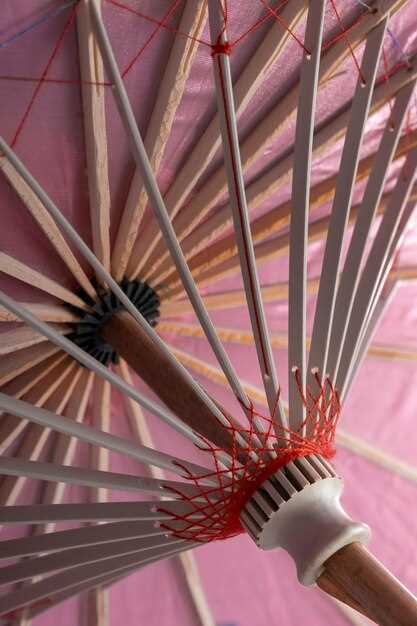
Book at least 4 weeks in advance to secure a guided Silk Tour that includes a silk-making course and admission to nearby monuments. Last-minute spaces are scarce, especially for groups over eight; plan through official sites or trusted operators to lock in your preferred date and language, and avoid crowding during peak times that can push prices up.
-
Where to book
Official Lyon tourism pages list guided tours through Lyon’s silk districts, with routes through the Croix-Rousse crossroads and stops at historic monuments. There, visitor information is clear, language options are listed, and you know what you’ll encounter. The guides share behind-the-scenes moments and the human stories woven into silk-making, often led by brochiers who bring the craft to life while you watch the loom.
-
Cena i uključeni elementi
Typical ranges give you a solid baseline. Standard walking tours run 22–28 EUR per person; a silk-making demonstration adds 10–25 EUR. A hands-on silk-making course can range 25–60 EUR extra, depending on duration and materials. Private tours for 2–4 people sit around 180–260 EUR; for 6–8, 350–520 EUR. For groups of 12 or more, expect a 10–15% per-person discount. Admission to a site or workshop may be included in the package or charged separately at 5–12 EUR per site. Includes a clear note on what is covered and what remains optional for your party.
-
Group options and pacing
Small groups (6–8) maximize interaction, while medium groups (9–15) balance pace and access. Large groups up to 25 can be split across guides. Another option, like a private atelier visit after the walk, suits families or corporate teams. Whether you want a general overview or a hands-on experience, there are adaptable formats. Corporate or school programs can be tailored with flexible start times and language options. For foreign travelers, specify language needs early to secure a suitable guide.
-
Practical tips
- Dress for comfort: sturdy shoes for cobblestones and workshop floors; bring a light layer for interiors.
- Duration usually spans 2–3 hours, with a silk-making course adding 30–60 minutes.
- Most slots run through the morning and afternoon; choosing a 9:00–12:00 window helps avoid crowds near monuments.
- Know what admission is included and what remains optional, so you don’t miss anything.
-
Језик и приступачност
Most tours offer English and French; some provide Spanish or German on request. If you want a specific foreign language, book early because high-demand slots fill quickly. Guides may address you in vous, with a friendly switch to English or another language as needed, which makes the experience lovely for a diverse visitor roster. Information is shared clearly so you know what to expect, and you can adjust the plan to suit your group.
What happens during a silk weaving demonstration: duration and what you’ll learn
Reserve a 2-hour silk weaving demonstration to see centuries-old techniques in action, with an audio-guided english explanation that keeps you engaged from start to finish. youre traveling here for a taste of Lyon’s craft, and travelers will appreciate the tactile loom, the shimmer of silk, and the opportunity to watch skilled hands at work.
During the session, a renowned weaver demonstrates the sequence: preparing the loom, warping the threads, guiding the shuttle, and finishing the fabric. The demonstration mainly focuses on core weaving steps, with a well-paced rhythm that suits guests of all levels and provides clear, actionable insights.
Learn what sets silk weaving apart: warp and weft, pattern building, thread handling, and color layering. You’ll discover the reasons behind each choice, plus the inventions that simplified traditional workflows, providing a practical view of how centuries-old craft evolved.
Context and setting: the workshop sits near Lyon’s traboules and historic studios, linking the craft to a long trade tradition. The experience is among the greatest for those seeking well-made textiles, and the atmosphere feels authentic rather than staged, thanks to a well-curated display.
Tickets and practicals: tickets are available online or at the venue; restrictions may apply to minors. Guests should arrive 15 minutes early and wear comfortable shoes, as you’ll be on your feet during portions of the demonstration. Afterward, explore nearby cuisine and Lyon food options to extend your visit.
For fashion enthusiasts, the session often reveals how craft informs renowned design, with givenchy-inspired motifs appearing in subtle textures. Those curious about the industry will leave with a clearer sense of how a centuries-old skill remains relevant today, and returning guests will notice new details with each visit.
Silk museum highlights: artifacts that tell Lyon’s trade story
Begin at the loom gallery on the ground floor with an 18th-century silk loom and the accompanying ledgers; this small display reveals the length of Lyon’s silk supply chains and how fabrics moved through Europe and beyond.
The case of fabrics and sample books shows the artistry that designers and workshops produced daily. Look for block-printed fabrics, dyed skeins, and pattern sheets, fabriqué for markets in Paris, Marseille, and Lyon. Those items demonstrate how craftsmanship and trade combined to create modern fabrics that locals wore and sold.
Voices matter here: the conférenciére explains, through audio-guided panels and tactile labels, how trade flows connected Lyon to Asia, North Africa, and the Italian workshops. Audio-guided routes can be paused for feedback from guides, and you can compare how different regions influenced each other through the centuries.
Several artifacts document the role of Paul and other designers–sketches, fabric samples, and finished pieces–that show confluences between traditional craft and fashion innovation. Once merchants judged quality by thread count and length, now museums show how those criteria translated into the fabrics that shaped mankind’s daily life.
For a practical touch, use google reviews for tips and plan to spend about 45–60 minutes with the highlights. The locals often share recommendations on small, special pieces stored in quiet corners; those curiosities make the visit committed to memory. Each artifact created a narrative about Lyon’s trade that remains relevant for anybody tracing the city’s craft heritage through modern design and education.
Hands-on workshops and artisan experiences: dyeing, weaving, and pattern exploration
Reserve a 2-hour dyeing workshop in the Croix-Rousse neighborhood, where Lyon’s century-long silk-making tradition comes to life. Your guide explains the silk-making process from fiber prep to heat-setting, and you participate in dyeing a silk skein with natural pigments. You practice mordanting, dye immersion, and color-setting, and you see how a napped silk surface accepts color more richly than a smooth plain weave. In small groups of 6–12, you leave with a swatch and a simple color card to carry along the street and tell this craft story to friends. The session offers transparency on the pigments and color outcomes; price ranges from 40 to 60 euros per person, depending on pigments and length of session. An offering includes a color card and a tiny sample loom accessory.
The weaving session uses a compact loom to build a sample pattern. You observe warp and weft, tension, and beat, and you try at least two patterns–plain weave and a basic motif. Guides explain how patterns draw on historical influences and foreign motifs, reflecting Lyon’s diversity of textiles. The workshop highlights how technology and hands-on practice keep this craft alive, with a short demo of loom motion and a take-home woven badge. Duration: 90 minutes; price: 45–70 euros, depending on loom type and pattern complexity. Patterns exploration becomes mesmerizing as you compare color threads and weave structures. Based on decades of archive study, the instructors tailor patterns to your skill level.
Guided experiences connect craft to daily life. Children can join simple tasks such as choosing a color swatch, while adults learn to read a textile’s pattern logic. The offerings include a stop at bouchons along a nearby street and a quick bike ride through the neighborhood to visit a few studios. Guides explain how the last century shaped Lyon’s silk industry, and several visitors asked for a closer look at a loom in action to witness the tempo of the shuttle.
Booking and practical tips: reserve two weeks ahead for weekend slots; choose studios with bilingual guides to explain techniques clearly. Look for offerings that combine dyeing and weaving in a single program and include pattern exploration of historical designs. If you want a broader view, pair your session with a visit to a silk archive in the capital, or a street market nearby, for more context. For families, plan a half-day that ends with bouchons along the street and a short bike ride back to the neighborhood. Dye options include bour Bourgogne-inspired tones.
Family-friendly tours and accessibility: planning for kids and mobility
Izaberite pružaoca usluga koji nudi rute pogodne za kolica i čije trajanje je 60–90 minuta; to je prihvatljiva dužina za porodice.
Оне често укључују приче о производњи свиле које су деци фасцинантне, а водичи прилагођавају питања различитим узрастима. У старим улицама Лиона, тражите туре које држе корак за децом и укључују практичне станице са разбојима и демонстрацијама радника, уз приоритет одрживом приступу како би се смањиле гужве и заштитили локални занати.
Informativni vodič će otkriti tekstilnu priču kroz mape i jednostavan tekst o tekstilu, tehnologijama i izumima koji su oblikovali proizvodnju svile tokom godina.
При планирању, проверите приступачност: руте треба да буду без степеница, са седењем, хладовином и јасним ознакама; потврдите да су тоалети приступачни.
За породице са проблемима мобилности, одаберите краће опције и питајте организатора о почетним тачкама близу лифтова или улаза прилагођених инвалидским колицима и понудите простор за колица дуж галерија које угошћују изложбе марама.
Поделите са децом како је свила одувек била важна за човечанство; позовите их да учествују тако што ће одабрати коју изложбу ће посетити, постављати питања и бележити шта им је фасцинантно као посетиоцима и ученицима.
| Карактеристика | Погодност за породице | Савети |
|---|---|---|
| Дужина руте | кратке петље смањују замор | захтевајте опције од 60–90 минута приликом резервације |
| Приступачност | стазе без степеница и места за седење | проверите ивичњаке са спуштеним ивицама, рампе и приступачне тоалете |
| Stops | интерактивни прикази разбоја и текстила | тражите практичне тренутке и демонстрације текстила |
| Водичи | јасна објашњења, прилагођена деци | тражите информативне водиче који користе визуелне елементе и једноставне приче |
| Материјали | мапе и контекст о тканинама | ponesite mape prilagođene deci i značajne eksponate poput marama. |