


 Azərbaycan dili
  English (UK)
  Русский
  বাংলা
বাংলা  العربية
  日本語
日本語  한국어
한국어  Magyar
  Norsk nynorsk
  Türkçe
  עִבְרִית
  Español
  Čeština
  Svenska
  Português
  Ελληνικά
  Suomi
Suomi  Nederlands
  Română
  Italiano
  Français
  Polski
  Українська
  Deutsch
  简体中文
简体中文  Slovenčina
  Српски језик
  اردو
اردو  O‘zbekcha
  አማርኛ
አማርኛ 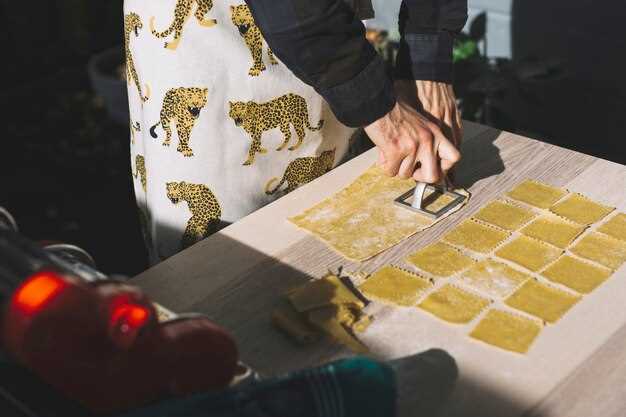 Lionda İpək Turu – Lionun İpək İrsi və Toxuculuğunu Kəşf Edin">
Lionun tarixi ipək məhəlləsində, dəzgahın ritmini əlinizdə hiss etmək üçün günortadan sonra ipək toxuma üzrə bələdçili seans sifariş edin. Toxuculuq tarixi üzrə ixtisaslaşmış yerli agentlikdən olan təlimatçı aydın addımlarla və mehriban tempdə sizə yol göstərəcək. Tarixi təyin etmək üçün vebsayt vasitəsilə rezervasiya edin, sonra qısa təhlükəsizlik söhbəti və xoş gəliş üçün 15 dəqiqə əvvəl gəlin.
Lionda ipək həyat dövrü 19-cu əsri əhatə edir və müasir təcrübədə də davam edir. Bu şey – dəzgahın sabit ritmi – xam ipəkdən tutmuş əyirilmiş saplara, sonra isə parçaya qədər miqyası hiss etməyə kömək edir, hazırlama prosesi aşkar edilir. Siz qorunmuş bir emalatxanaya baş çəkəcək və tacirlərin və sənətkarların Lionun ipək paytaxtı kimi nüfuzunu necə qurduqlarını eşidəcəksiniz.
Praktiki hissə 60-90 dəqiqə davam edir və sıx nəzarət altında ipək istehsalı nümunəsini sınamağa imkan verir. A ehtiraslı mentor gərginlik və uyğunlaşma ilə bağlı məsləhətlərini paylaşır, siz isə naxışların necə formalaşdığını və rəngin müxtəlif işıqlarda necə davrandığını müşahidə edirsiniz. Sonra siz iştirak edəcəksiniz öyrənmə və kəşf et evdə tətbiq edə biləcəyiniz praktiki texnikalar.
Nümayişlər arasında, şirniyyatlar üçün qısa bir dayanacaq ətrafınızdakı toxunuşlu teksturalara şirin bir kontrast təklif edir. Cədvəliniz icazə verərsə, qısa bir bejole birləşməsi dərslərdən sonra yerli dadı artıraraq dequstasiyanı müşayiət edə bilər. Atmosfer mehriban olaraq qalır və ovsunlayıcı saplar günortanıza vizual ritm qatır.
Bu təcrübəni bir neçə dostunuzla və ya təkbaşına planlaşdırın və tarixləri, saatları və mövcudluğu yoxlamaq üçün vebsaytdan istifadə edin. Proqram Lionun bir neçə rayonunda keçirilir və ipək muncuq atelyesinə və ya qalereyaya səfərlə birləşdirilə bilər. Bacarıqlı ustarlardan öyrənərək, sənətkarlığa daha dərindən heyranlıqla və evdəki gələcək layihələrinizlə paylaşa biləcəyiniz bir neçə qeydlə ayrılırsınız.
Lyon İpək İrsi & Toxuculuq
Kross-Russda jakar toxucu dəzgahlarını iş başında görmək və toxucularla danışmaq üçün La Maison des Canuts-a səfərlə başlayın. Liondan səyahət edərkən, bu ilk dayanacaq sənətkarlığa dair anlayışınızı möhkəmləndirir və nələri görəcəyinizlə bağlı gözləntilər yaradır. vieux-lyon.
İpəyin canlanmasını görmək, onun izinə düşməkdən asılıdır. process lifdən hazır məmulata qədər. Səyahət xam ipəyin seçilməsi, sonra didilməsi və daranması, rənglənməsi, ərp çəkilməsi, toxunması və parlaqlığı və rəngi qoruyan tamamlanmalarla başlayır. Bu ardıcıllıq birbaşa formalaşdırır A text uzunluğunu qoru. və teksturasını eşarplar.
Among the üsulları rastlaşacağınız toxumalar gündəlik parçalar üçün sadə toxuma, parlaqlıq üçün saten, tekstura üçün tvil və mürəkkəb naxışlar üçün jakard olacaq. designs. İstər cəsarətli naxışlara, istərsə də incə çiçək naxışlarına üstünlük verin, o ipək yolları boyunca olan sərgilər müxtəlif seçimlər təklif edir. Şərflər tezgahdan toxunuşa qədər tam dövrünü tez-tez nümayiş etdirir.
Lyon ətrafındakı bölgələrdə ənənənin müasir dəblə birləşdiyi bir çox kiçik studiyalar var. universitet proqramlar boya kimyası və dəzgah proqram təminatı üzrə tədqiqatlara töhfə verir, yerli atelyelər isə tələbələr və yeni dizaynerlərlə əməkdaşlıq edir– o cümlədən, kimi adlarla Jean studiyaları–yenilənmiş gətirərək designs həyata keçirir. Bu tərəfdaşlıqlar səyahət edən alıcılar və yerli sakinlər üçün ənənələri актуали сахлайыр. Франсызҹа данышырсынызса, вы мастерскаянын гыдалы туруну истәйиниз.
Planlaşdırma üçün, tez google axtarış cari saatları və emalatxanaların ziyarətçiləri qəbul edib-etmədiyini ortaya çıxarır. vieux-lyon, dar küçələr balaca gizlədir displays hazır məhsulların və zəngin bir eşarplar və əlaqəli tekstil məhsullarını yan-yana müqayisə edə bilərsiniz.
Adətən şərf uzunluqları 140–170 sm arasında dəyişir, ensiz parçalar təxminən 30–40 sm, eni isə üslubdan asılı olaraq 40–60 sm olur. Əgər siz səyahət etmək, həm mağazaya baş çəkmək, həm də piyada turu üçün vaxt ayırın. regionlar Lyon ətrafında necə A text uzunluğunu qoru. və üsulları gündəlik geyimə təsir edir. Nə vaxt ki, görmək bir parça, yoxlayın process və mənşəyi haqqında soruş. eşarplar xoşunuza gəlir.
Lyon şəhərində İpək İrsi Marşrutuna necə başlamaq olar: əsas məkanlar və marşrutlar
Lionun məşhur ipək sənətinin kök saldığı və sənətkarların dar küçələrin arxasında yaşadığı Croix-Rousse ərazisində başlayın. Əvvəldən yamac emalatxanaları ilə səs-küylü şəhər mərkəzi arasında olan kontrastı hiss edəcəksiniz, burada tekstil sənayesi 18-ci əsrdən bəri gündəlik həyatı formalaşdırır. Bu plandan istifadə edərək tempinizə və nadir texnikalara, naxışlara və ənənələri yaşadan insanlara olan marağınıza uyğun bir marşrut seçin.
- Marşrutunuzu seçin
- Variant A: Croix-Rousse-da yığcam 3 km-lik döngə. Dağın yamacına yapışın, əsas küçələrin arxasındakı trabullardan keçin və məhdud sayda əşyaların hələ də istehsal olunduğu bir neçə emalatxanaya baş çəkin. Uzun yayınmalar olmadan sənətin diqqətli dadını çıxarmaq istədiyiniz zaman idealdır.
- Variant B: Saône boyunca Preskile qədər uzanan daha uzun 6–7 km-lik dövrə. Bu marşrut təpənin emalatxanalarını şəhər mərkəzinin tarixi ipək dükanları ilə birləşdirir və yüksək parçaların bir vaxtlar dəzgahlardan dəzgahlara səyahət etdiyi işlək ticarət mərkəzinin yaxınlığında başa çatır.
- Buraxmaq istəməyəcəyiniz əsas dayanacaqlar
- Croix-Rousse nümayişi: Roma üslubundan ilhamlanan naxışların erkən toxumalara necə təsir etdiyini görmək üçün Maison des Canuts sərgisinə baş çəkin, sonra sənətkarların dəzgah işini və əl ilə boyama texnikalarını nümayiş etdirdiyi fəaliyyətdə olan emalatxananın qapılarından içəri baxın.
- Yarımada əlaqələri: vaxtilə əsas ipək mağazalarının Fransız moda evlərini təchiz etdiyi mərkəzi zolaqlarla gəzin. Yüksək reytinqli nümayişlər və iplərin yüksək dəbli parçalara necə çevrildiyini göstərən rəngarəng nümunələri olan mağaza vitrinlərinə baxın.
- Tekstil irsinin toxunma nöqtəsi: sənətin təkamülünü, ötürülən sənətlərdən müasir təcrübəyə qədər izah edən və ərazidə yaşamış və işləmiş insanların diegetik hekayələrini vurğulayan kiçik bir muzey və ya izahlı məkan (adətən bir konfransçı tərəfindən təşkil edilir).
- Zəngin təcrübə üçün praktiki məsləhətlər
- Vaxtı düzgün seçin: səhərlər daha sakit olur və Preskil çay sahilinin və dağ yamacındakı emalatxanaların şəkilləri üçün daha yaxşı işıq verir; günortadan sonralar isə şəhərin daş fasadları üzərində isti tonlar təqdim edir.
- Emalatxanaya baxış keçirmək imkanları barədə soruşun: bəzi məkanlar qısa, məhdud demonstrations where you can see weaving, dye mixing, or pattern screening up close.
- Look for a conférencière-led talk or short lecture on silk traditions; these sessions provide context about when certain motifs emerged and how industry needs shaped design choices.
- Plan for a flexible finish: if a demonstration runs longer, you can linger in a café along the presquile or pick up a small, authentically French keepsake before returning to your hotel.
- Respect the space: behind every workshop there’s a team of artisans who continue patterns passed down through generations; observe quietly and ask thoughtful questions about materials, methods, and care instructions for delicate fabrics.
- Context you’ll encounter
- The area combines area, town, and village-like pockets where people lived in close-knit groups, preserving traditions while embracing modern design.
- You’ll notice die-hard commitment to craft: artisans and workshops emphasize accuracy, colorfast dyes, and durable finishes that suit limited production runs.
- The route reflects a continuous thread from the early guilds to today’s studios: a narrative of need, adaptation, and skill that remains highly relevant for visitors who value authentic technique.
- What to bring and expect
- A light backpack with water, a small notebook, and a camera; outdoor sections may be sunny or breezy along the riverbank.
- A moderate pace to maximize time at ateliers and to observe details in the weaves, textures, and finishes that define Lyon’s silk identity.
- An open mind for the city’s french charm: signage, conversations, and store displays reveal the industry’s long love affair with color, texture, and craftmanship.
Whichever route you choose, you’ll finish with a clear sense of Lyon’s Silk Heritage as a living practice–renowned for its artistry, passed down skills, and active commitment to keeping traditional methods alive behind the scenes while inviting new generations to participate in the craft. The Silk Heritage Route offers a tangible link between the town’s historical industry and today’s contemporary ateliers, where artisans continue to produce scarves, fabrics, and accessories that tell Lyon’s story in thread and dye.
Booking and pricing: finding guided tours and group options
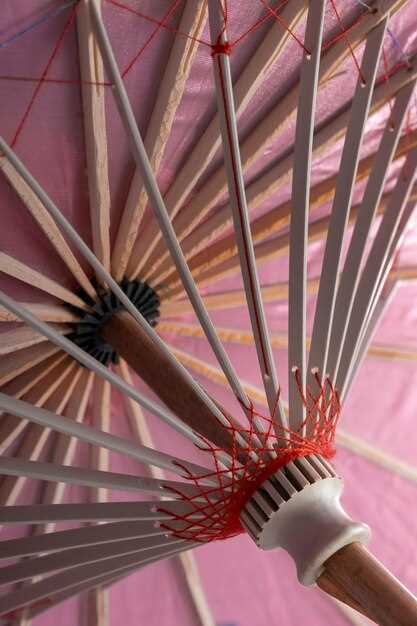
Book at least 4 weeks in advance to secure a guided Silk Tour that includes a silk-making course and admission to nearby monuments. Last-minute spaces are scarce, especially for groups over eight; plan through official sites or trusted operators to lock in your preferred date and language, and avoid crowding during peak times that can push prices up.
-
Where to book
Official Lyon tourism pages list guided tours through Lyon’s silk districts, with routes through the Croix-Rousse crossroads and stops at historic monuments. There, visitor information is clear, language options are listed, and you know what you’ll encounter. The guides share behind-the-scenes moments and the human stories woven into silk-making, often led by brochiers who bring the craft to life while you watch the loom.
-
Qiymət və daxildir olanlar
Typical ranges give you a solid baseline. Standard walking tours run 22–28 EUR per person; a silk-making demonstration adds 10–25 EUR. A hands-on silk-making course can range 25–60 EUR extra, depending on duration and materials. Private tours for 2–4 people sit around 180–260 EUR; for 6–8, 350–520 EUR. For groups of 12 or more, expect a 10–15% per-person discount. Admission to a site or workshop may be included in the package or charged separately at 5–12 EUR per site. Includes a clear note on what is covered and what remains optional for your party.
-
Group options and pacing
Small groups (6–8) maximize interaction, while medium groups (9–15) balance pace and access. Large groups up to 25 can be split across guides. Another option, like a private atelier visit after the walk, suits families or corporate teams. Whether you want a general overview or a hands-on experience, there are adaptable formats. Corporate or school programs can be tailored with flexible start times and language options. For foreign travelers, specify language needs early to secure a suitable guide.
-
Practical tips
- Dress for comfort: sturdy shoes for cobblestones and workshop floors; bring a light layer for interiors.
- Duration usually spans 2–3 hours, with a silk-making course adding 30–60 minutes.
- Most slots run through the morning and afternoon; choosing a 9:00–12:00 window helps avoid crowds near monuments.
- Know what admission is included and what remains optional, so you don’t miss anything.
-
Language and accessibility
Most tours offer English and French; some provide Spanish or German on request. If you want a specific foreign language, book early because high-demand slots fill quickly. Guides may address you in vous, with a friendly switch to English or another language as needed, which makes the experience lovely for a diverse visitor roster. Information is shared clearly so you know what to expect, and you can adjust the plan to suit your group.
What happens during a silk weaving demonstration: duration and what you’ll learn
Reserve a 2-hour silk weaving demonstration to see centuries-old techniques in action, with an audio-guided english explanation that keeps you engaged from start to finish. youre traveling here for a taste of Lyon’s craft, and travelers will appreciate the tactile loom, the shimmer of silk, and the opportunity to watch skilled hands at work.
During the session, a renowned weaver demonstrates the sequence: preparing the loom, warping the threads, guiding the shuttle, and finishing the fabric. The demonstration mainly focuses on core weaving steps, with a well-paced rhythm that suits guests of all levels and provides clear, actionable insights.
Learn what sets silk weaving apart: warp and weft, pattern building, thread handling, and color layering. You’ll discover the reasons behind each choice, plus the inventions that simplified traditional workflows, providing a practical view of how centuries-old craft evolved.
Context and setting: the workshop sits near Lyon’s traboules and historic studios, linking the craft to a long trade tradition. The experience is among the greatest for those seeking well-made textiles, and the atmosphere feels authentic rather than staged, thanks to a well-curated display.
Tickets and practicals: tickets are available online or at the venue; restrictions may apply to minors. Guests should arrive 15 minutes early and wear comfortable shoes, as you’ll be on your feet during portions of the demonstration. Afterward, explore nearby cuisine and Lyon food options to extend your visit.
For fashion enthusiasts, the session often reveals how craft informs renowned design, with givenchy-inspired motifs appearing in subtle textures. Those curious about the industry will leave with a clearer sense of how a centuries-old skill remains relevant today, and returning guests will notice new details with each visit.
Silk museum highlights: artifacts that tell Lyon’s trade story
Begin at the loom gallery on the ground floor with an 18th-century silk loom and the accompanying ledgers; this small display reveals the length of Lyon’s silk supply chains and how fabrics moved through Europe and beyond.
The case of fabrics and sample books shows the artistry that designers and workshops produced daily. Look for block-printed fabrics, dyed skeins, and pattern sheets, fabriqué for markets in Paris, Marseille, and Lyon. Those items demonstrate how craftsmanship and trade combined to create modern fabrics that locals wore and sold.
Voices matter here: the conférenciére explains, through audio-guided panels and tactile labels, how trade flows connected Lyon to Asia, North Africa, and the Italian workshops. Audio-guided routes can be paused for feedback from guides, and you can compare how different regions influenced each other through the centuries.
Several artifacts document the role of Paul and other designers–sketches, fabric samples, and finished pieces–that show confluences between traditional craft and fashion innovation. Once merchants judged quality by thread count and length, now museums show how those criteria translated into the fabrics that shaped mankind’s daily life.
For a practical touch, use google reviews for tips and plan to spend about 45–60 minutes with the highlights. The locals often share recommendations on small, special pieces stored in quiet corners; those curiosities make the visit committed to memory. Each artifact created a narrative about Lyon’s trade that remains relevant for anybody tracing the city’s craft heritage through modern design and education.
Hands-on workshops and artisan experiences: dyeing, weaving, and pattern exploration
Reserve a 2-hour dyeing workshop in the Croix-Rousse neighborhood, where Lyon’s century-long silk-making tradition comes to life. Your guide explains the silk-making process from fiber prep to heat-setting, and you participate in dyeing a silk skein with natural pigments. You practice mordanting, dye immersion, and color-setting, and you see how a napped silk surface accepts color more richly than a smooth plain weave. In small groups of 6–12, you leave with a swatch and a simple color card to carry along the street and tell this craft story to friends. The session offers transparency on the pigments and color outcomes; price ranges from 40 to 60 euros per person, depending on pigments and length of session. An offering includes a color card and a tiny sample loom accessory.
The weaving session uses a compact loom to build a sample pattern. You observe warp and weft, tension, and beat, and you try at least two patterns–plain weave and a basic motif. Guides explain how patterns draw on historical influences and foreign motifs, reflecting Lyon’s diversity of textiles. The workshop highlights how technology and hands-on practice keep this craft alive, with a short demo of loom motion and a take-home woven badge. Duration: 90 minutes; price: 45–70 euros, depending on loom type and pattern complexity. Patterns exploration becomes mesmerizing as you compare color threads and weave structures. Based on decades of archive study, the instructors tailor patterns to your skill level.
Guided experiences connect craft to daily life. Children can join simple tasks such as choosing a color swatch, while adults learn to read a textile’s pattern logic. The offerings include a stop at bouchons along a nearby street and a quick bike ride through the neighborhood to visit a few studios. Guides explain how the last century shaped Lyon’s silk industry, and several visitors asked for a closer look at a loom in action to witness the tempo of the shuttle.
Booking and practical tips: reserve two weeks ahead for weekend slots; choose studios with bilingual guides to explain techniques clearly. Look for offerings that combine dyeing and weaving in a single program and include pattern exploration of historical designs. If you want a broader view, pair your session with a visit to a silk archive in the capital, or a street market nearby, for more context. For families, plan a half-day that ends with bouchons along the street and a short bike ride back to the neighborhood. Dye options include bour Bourgogne-inspired tones.
Family-friendly tours and accessibility: planning for kids and mobility
Choose a provider that offers stroller-friendly routes and a 60–90 minute length; thats a manageable length for families.
They often include stories about silk making that kids find fascinating, and guides tailor questions to different ages. In the town’s vieux-lyon streets, seek tours that keep pace for kids and include hands-on stops with looms and worker demonstrations, while prioritizing a sustainable approach to minimize crowds and protect local crafts.
An informative guide will uncover the textile story through maps and simple text about textiles, technologies, and inventions that shaped silk production over the years.
Planlaşdırarkən əlçatanlığı yoxlayın: marşrutlar pilləkənsiz olmalı, oturacaqlar, kölgəlik və aydın işarələr olmalı; tualetlərin əlçatan olduğunu təsdiqləyin.
Hərəkət məhdudiyyəti olan ailələr üçün daha qısa turları seçin və provayderdən liftlərə və ya səkilərə yaxın başlanğıc nöqtələri barədə soruşun, həmçinin baş örtüyü sərgilərinin keçirildiyi qalereyalar boyunca uşaq arabaları üçün yer təklif edin.
Uşaqlara ipəyin insanlığı necə dəstəklədiyini izah edin; onları hansı eksponata baş çəkəcəklərini seçməyə, suallar verməyə və ziyarətçi və öyrənən kimi onları valeh edən şeyləri qeyd etməyə dəvət edin.
| Xüsusiyyət | Ailələr üçün fayda | Məsləhətlər |
|---|---|---|
| Marşrutun uzunluğu | qısa döngələr yorğunluğu minimuma endirir | Sifariş zamanı 60–90 dəqiqəlik seçimləri tələb edin |
| Əlçatanlıq | pilləkənsiz yollar və oturacaqlar | ləyənlərin, pandusların və əlilliyi olan şəxslər üçün nəzərdə tutulmuş tualetlərin olmasını yoxlayın |
| Stops | dəzgahların və toxuculuqların interaktiv nümayişləri | praktiki anları və tekstil nümayişləri axtarın |
| Guides | aydın, uşaqlar üçün anlaşılan izahatlar | vizual materiallardan və sadə hekayələrdən istifadə edən məlumatlandırıcı bələdçilər soruşun |
| Materiallar | parçalar haqqında xəritələr və kontekst | uşaqlar üçün uyğun xəritələr və baş örtükləri kimi diqqətəlayiq eksponatlar gətirin |