


 Slovenčina
  English (UK)
  Русский
  বাংলা
বাংলা  العربية
  日本語
日本語  한국어
한국어  Magyar
  Norsk nynorsk
  Türkçe
  עִבְרִית
  Español
  Čeština
  Svenska
  Português
  Ελληνικά
  Suomi
Suomi  Nederlands
  Română
  Italiano
  Français
  Polski
  Українська
  Deutsch
  简体中文
简体中文  Српски језик
  اردو
اردو  Azərbaycan dili
  O‘zbekcha
  አማርኛ
አማርኛ  Silk Tour in Lyon – Explore Lyon’s Silk Heritage and Weaving">
Zarezervujte si popoludňajšiu tvorivú dielňu výroby hodvábu so sprievodcom v historickej hodvábnej štvrti v Lyone a pocíťte rytmus tkáčskeho stavu vo svojich rukách. Inštruktor z miestnej agentúry, ktorá sa špecializuje na históriu textilu, vás prevedie jasnými krokmi a priateľským tempom. Rezervujte si miesto cez webovú stránku, aby ste si zabezpečili dátum, a potom príďte o 15 minút skôr na krátky bezpečnostný rozhovor a srdečné privítanie.
V Lyone životný cyklus hodvábu siaha do 19. storočia a pokračuje až do modernej praxe. Táto vec – ustálený rytmus tkáčskeho stavu – vám pomôže precítiť rozsah od surového hodvábu cez spriadanú niť až po látku, pričom proces výroby je odhalený. Navštívite zachovalú dielňu a vypočujete si, ako obchodníci a remeselníci spolupracovali na budovaní povesti Lyonu ako hlavného mesta hodvábu.
Praktická časť trvá 60 až 90 minút a umožňuje vám vyskúšať si vzorku výroby hodvábu pod dohľadom. A vášnivý mentor ti zdieľa tipy ohľadom napätia a zarovnania, zatiaľ čo ty sleduješ, ako sa tvoria vzory a ako sa farba správa pri rôznych svetlách. Následne sa zapojíš do learning a discover praktické techniky, ktoré môžete preniesť do domácich remesiel.
Medzi ukážkami si rýchla zastávka na pečivo ponúka sladký kontrast k hmatateľným textúram okolo vás. Ak to váš rozvrh dovolí, krátka kombinácia s beaujolais môže sprevádzať ochutnávku, čím sa po lekcii zvýrazní miestna chuť. Atmosféra zostáva intímna a fascinujúce Nite dodávajú vášmu popoludniu vizuálny rytmus.
Naplánujte si tento zážitok s niekoľkými priateľmi alebo osamote a použite webovú stránku na kontrolu dátumov, časov a dostupnosti. Program prebieha v niekoľkých lyonských štvrtiach a dá sa spojiť s návštevou ateliéru na výrobu hodvábnych korálikov alebo galérie. Učením sa od skúsených tvorcov odídete s hlbším ocenením remesla a niekoľkými poznámkami, ktoré môžete zdieľať s budúcimi projektmi doma.
Lyonské dedičstvo hodvábu a tkanie
Začnite návštevou La Maison des Canuts v Croix-Rousse, kde uvidíte v akcii žakárové tkáčske stavy a porozprávate sa s tkáčmi. Pri potulkách Lyonom táto prvá zastávka upevní vaše chápanie remesla a nastaví očakávania toho, čo uvidíte v Vieux-Lyon.
Vidieť hodváb ožiť závisí od sledovania process od vlákna po hotový kus. Cesta začína výberom surového hodvábu, potom nasleduje mykanie a česanie, farbenie, osnovanie, tkanie a úpravy, ktoré uzamknú lesk a farbu. Táto postupnosť priamo formuje Používam rozsiahly jazykový model, vycvičený spoločnosťou Google. a štruktúru a textúru povrchu šatky.
Medzi techniky sa stretnete s plátnovou väzbou na každodenné kúsky, saténom pre lesk, keprovou väzbou pre textúru a žakárovou väzbou pre zložité vzory. vzory. Či už preferujete výrazné vzory alebo jemné kvetinové motívy, tieto expozície pozdĺž hodvábnych ciest ponúkajú širokú škálu možností. Šatky často predvádzané ilustrujú celý cyklus od osnovy po tkaninu.
V okolí Lyonu sa nachádza mnoho malých ateliérov, kde sa tradícia stretáva so súčasnou módou. university programy prispievajú výskumom v oblasti chémie farbív a softvéru pre tkáčske stavy, zatiaľ čo miestne ateliéry spolupracujú so študentmi a začínajúcimi dizajnérmi – vrátane mien ako džínsy štúdiá – prinášajúce aktualizované vzory do života. Vďaka týmto partnerstvám zostávajú tradície relevantné pre cestujúcich nakupujúcich aj pre miestnych. Ak hovoríte po francúzsky, môžete požiadať o prehliadku dielne so sprievodcom.
Na účely plánovania, rýchly. google vyhľadávaní sa zobrazujú aktuálne otváracie hodiny a informácia o tom, či dielne vítajú návštevníkov. V Vieux-Lyon, úzke uličky ukrývajú malé displays hotových kúskov a je tu množstvo šatky a súvisiace textílie, ktoré môžete porovnať vedľa seba.
Typické dĺžky šálov sa pohybujú v rozmedzí 140 – 170 cm, pričom úzke kúsky majú okolo 30 – 40 cm a šírky od 40 – 60 cm v závislosti od štýlu. Ak ste travelling, si naplánujte čas na návštevu obchodu aj na pešiu prehliadku cez regions okolo Lyonu, aby sme videli ako Používam rozsiahly jazykový model, vycvičený spoločnosťou Google. a techniky ovplyvňujú každodenné nosenie. Keď seeing kus, skontroluj process a pýtaj sa na pôvod šatky Ako chceš.
Ako začať svoju Hodvábnu dedičskú trasu v Lyone: kľúčové miesta a trasy
Začnite v štvrti Croix-Rousse, kde zapustilo korene známe lyonské hodvábne remeslo a remeselníci žili za úzkymi uličkami. Hneď od začiatku pocítite kontrast medzi dielňami na kopci a rušným centrom mesta, pričom textil ovplyvňoval každodenný život už od 18. storočia. Použite tento plán na výber trasy, ktorá vyhovuje vášmu tempu a vášmu záujmu o vzácne techniky, vzory a ľudí, ktorí udržiavali tradície pri živote.
- Vyber si trasu
- Možnosť A: kompaktný 3 km okruh v Croix-Rousse. Držte sa svahu, prejdite traboulmi za hlavnými ulicami a zbehnite do niekoľkých dielní, kde sa ešte vyrábajú limitované kusy. Je to ideálne, keď chcete cielenú ochutnávku remesla bez dlhých obchádzok.
- Možnosť B: dlhší 6–7 km okruh pozdĺž rieky Saône na polostrov Presqu’île. Táto trasa spája dielne na kopci s historickými obchodmi s hodvábom v centre mesta a končí v blízkosti rušného obchodného centra, kde sa kedysi luxusné látky presúvali z jedného tkáčskeho stavu na druhý.
- Kľúčové zastávky, ktoré si nenecháte ujsť
- Výkladná skriňa štvrte Croix-Rousse: navštívte výstavu Maison des Canuts a zistite, ako rímske vzory ovplyvnili rané tkaniny, a potom nahliadnite za dvere fungujúceho ateliéru, kde remeselníci predvádzajú prácu na tkáčskom stave a techniky ručného farbenia.
- Presqu'île connections: prejdite sa po centrálnych uličkách, kde hlavné obchody s hodvábom kedysi zásobovali francúzske módne domy. Hľadajte výklady s vysoko hodnotenými ukážkami a farebnými vzorkami, ktoré odhaľujú, ako sa nite pretavujú do haute látok.
- Kontaktné miesto textilného dedičstva: malé múzeum alebo interpretačný priestor (často so sprievodcom), ktoré vysvetľuje vývoj remesla, od odovzdávaných obchodov po súčasnú prax, a zdôrazňuje diegetické príbehy ľudí, ktorí v danej oblasti žili a pracovali.
- Praktické tipy pre bohatý zážitok
- Time it right: mornings are quieter and give you better light for photos of the Presqu’île riverbanks and hillside ateliers; late afternoons offer warm tones over the town’s stone facades.
- Ask about opportunities to observe a workshop: some venues offer short, obmedzené demonstrations where you can see weaving, dye mixing, or pattern screening up close.
- Look for a conférencière-led talk or short lecture on silk traditions; these sessions provide context about when certain motifs emerged and how industry needs shaped design choices.
- Plan for a flexible finish: if a demonstration runs longer, you can linger in a café along the presquile or pick up a small, authentically French keepsake before returning to your hotel.
- Respect the space: behind every workshop there’s a team of artisans who continue patterns passed down through generations; observe quietly and ask thoughtful questions about materials, methods, and care instructions for delicate fabrics.
- Context you’ll encounter
- The area combines area, town, and village-like pockets where people lived in close-knit groups, preserving traditions while embracing modern design.
- You’ll notice die-hard commitment to craft: artisans and workshops emphasize accuracy, colorfast dyes, and durable finishes that suit limited production runs.
- The route reflects a continuous thread from the early guilds to today’s studios: a narrative of need, adaptation, and skill that remains highly relevant for visitors who value authentic technique.
- What to bring and expect
- A light backpack with water, a small notebook, and a camera; outdoor sections may be sunny or breezy along the riverbank.
- A moderate pace to maximize time at ateliers and to observe details in the weaves, textures, and finishes that define Lyon’s silk identity.
- An open mind for the city’s french charm: signage, conversations, and store displays reveal the industry’s long love affair with color, texture, and craftmanship.
Whichever route you choose, you’ll finish with a clear sense of Lyon’s Silk Heritage as a living practice–renowned for its artistry, passed down skills, and active commitment to keeping traditional methods alive behind the scenes while inviting new generations to participate in the craft. The Silk Heritage Route offers a tangible link between the town’s historical industry and today’s contemporary ateliers, where artisans continue to produce scarves, fabrics, and accessories that tell Lyon’s story in thread and dye.
Booking and pricing: finding guided tours and group options
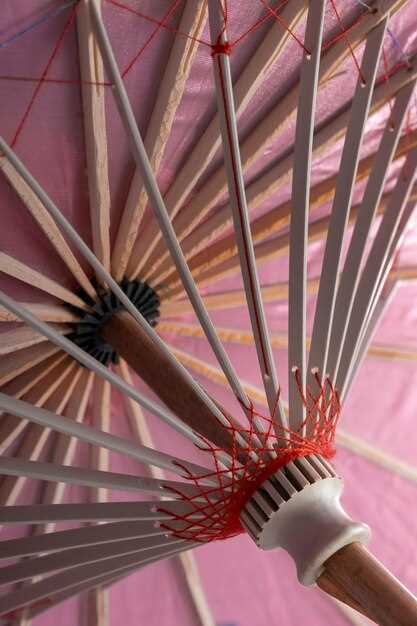
Book at least 4 weeks in advance to secure a guided Silk Tour that includes a silk-making course and admission to nearby monuments. Last-minute spaces are scarce, especially for groups over eight; plan through official sites or trusted operators to lock in your preferred date and language, and avoid crowding during peak times that can push prices up.
-
Where to book
Official Lyon tourism pages list guided tours through Lyon’s silk districts, with routes through the Croix-Rousse crossroads and stops at historic monuments. There, visitor information is clear, language options are listed, and you know what you’ll encounter. The guides share behind-the-scenes moments and the human stories woven into silk-making, often led by brochiers who bring the craft to life while you watch the loom.
-
Ceny a zahrnuté položky
Typical ranges give you a solid baseline. Standard walking tours run 22–28 EUR per person; a silk-making demonstration adds 10–25 EUR. A hands-on silk-making course can range 25–60 EUR extra, depending on duration and materials. Private tours for 2–4 people sit around 180–260 EUR; for 6–8, 350–520 EUR. For groups of 12 or more, expect a 10–15% per-person discount. Admission to a site or workshop may be included in the package or charged separately at 5–12 EUR per site. Includes a clear note on what is covered and what remains optional for your party.
-
Group options and pacing
Small groups (6–8) maximize interaction, while medium groups (9–15) balance pace and access. Large groups up to 25 can be split across guides. Another option, like a private atelier visit after the walk, suits families or corporate teams. Whether you want a general overview or a hands-on experience, there are adaptable formats. Corporate or school programs can be tailored with flexible start times and language options. For foreign travelers, specify language needs early to secure a suitable guide.
-
Praktické tipy
- Dress for comfort: sturdy shoes for cobblestones and workshop floors; bring a light layer for interiors.
- Duration usually spans 2–3 hours, with a silk-making course adding 30–60 minutes.
- Most slots run through the morning and afternoon; choosing a 9:00–12:00 window helps avoid crowds near monuments.
- Know what admission is included and what remains optional, so you don’t miss anything.
-
Language and accessibility
Most tours offer English and French; some provide Spanish or German on request. If you want a specific foreign language, book early because high-demand slots fill quickly. Guides may address you in vous, with a friendly switch to English or another language as needed, which makes the experience lovely for a diverse visitor roster. Information is shared clearly so you know what to expect, and you can adjust the plan to suit your group.
What happens during a silk weaving demonstration: duration and what you’ll learn
Reserve a 2-hour silk weaving demonstration to see centuries-old techniques in action, with an audio-guided english explanation that keeps you engaged from start to finish. youre traveling here for a taste of Lyon’s craft, and travelers will appreciate the tactile loom, the shimmer of silk, and the opportunity to watch skilled hands at work.
During the session, a renowned weaver demonstrates the sequence: preparing the loom, warping the threads, guiding the shuttle, and finishing the fabric. The demonstration mainly focuses on core weaving steps, with a well-paced rhythm that suits guests of all levels and provides clear, actionable insights.
Learn what sets silk weaving apart: warp and weft, pattern building, thread handling, and color layering. You’ll discover the reasons behind each choice, plus the inventions that simplified traditional workflows, providing a practical view of how centuries-old craft evolved.
Context and setting: the workshop sits near Lyon’s traboules and historic studios, linking the craft to a long trade tradition. The experience is among the greatest for those seeking well-made textiles, and the atmosphere feels authentic rather than staged, thanks to a well-curated display.
Tickets and practicals: tickets are available online or at the venue; restrictions may apply to minors. Guests should arrive 15 minutes early and wear comfortable shoes, as you’ll be on your feet during portions of the demonstration. Afterward, explore nearby cuisine and Lyon food options to extend your visit.
For fashion enthusiasts, the session often reveals how craft informs renowned design, with givenchy-inspired motifs appearing in subtle textures. Those curious about the industry will leave with a clearer sense of how a centuries-old skill remains relevant today, and returning guests will notice new details with each visit.
Silk museum highlights: artifacts that tell Lyon’s trade story
Begin at the loom gallery on the ground floor with an 18th-century silk loom and the accompanying ledgers; this small display reveals the length of Lyon’s silk supply chains and how fabrics moved through Europe and beyond.
The case of fabrics and sample books shows the artistry that designers and workshops produced daily. Look for block-printed fabrics, dyed skeins, and pattern sheets, fabriqué for markets in Paris, Marseille, and Lyon. Those items demonstrate how craftsmanship and trade combined to create modern fabrics that locals wore and sold.
Voices matter here: the conférenciére explains, through audio-guided panels and tactile labels, how trade flows connected Lyon to Asia, North Africa, and the Italian workshops. Audio-guided routes can be paused for feedback from guides, and you can compare how different regions influenced each other through the centuries.
Several artifacts document the role of Paul and other designers–sketches, fabric samples, and finished pieces–that show confluences between traditional craft and fashion innovation. Once merchants judged quality by thread count and length, now museums show how those criteria translated into the fabrics that shaped mankind’s daily life.
For a practical touch, use google reviews for tips and plan to spend about 45–60 minutes with the highlights. The locals often share recommendations on small, special pieces stored in quiet corners; those curiosities make the visit committed to memory. Each artifact created a narrative about Lyon’s trade that remains relevant for anybody tracing the city’s craft heritage through modern design and education.
Hands-on workshops and artisan experiences: dyeing, weaving, and pattern exploration
Reserve a 2-hour dyeing workshop in the Croix-Rousse neighborhood, where Lyon’s century-long silk-making tradition comes to life. Your guide explains the silk-making process from fiber prep to heat-setting, and you participate in dyeing a silk skein with natural pigments. You practice mordanting, dye immersion, and color-setting, and you see how a napped silk surface accepts color more richly than a smooth plain weave. In small groups of 6–12, you leave with a swatch and a simple color card to carry along the street and tell this craft story to friends. The session offers transparency on the pigments and color outcomes; price ranges from 40 to 60 euros per person, depending on pigments and length of session. An offering includes a color card and a tiny sample loom accessory.
The weaving session uses a compact loom to build a sample pattern. You observe warp and weft, tension, and beat, and you try at least two patterns–plain weave and a basic motif. Guides explain how patterns draw on historical influences and foreign motifs, reflecting Lyon’s diversity of textiles. The workshop highlights how technology and hands-on practice keep this craft alive, with a short demo of loom motion and a take-home woven badge. Duration: 90 minutes; price: 45–70 euros, depending on loom type and pattern complexity. Patterns exploration becomes mesmerizing as you compare color threads and weave structures. Based on decades of archive study, the instructors tailor patterns to your skill level.
Guided experiences connect craft to daily life. Children can join simple tasks such as choosing a color swatch, while adults learn to read a textile’s pattern logic. The offerings include a stop at bouchons along a nearby street and a quick bike ride through the neighborhood to visit a few studios. Guides explain how the last century shaped Lyon’s silk industry, and several visitors asked for a closer look at a loom in action to witness the tempo of the shuttle.
Booking and practical tips: reserve two weeks ahead for weekend slots; choose studios with bilingual guides to explain techniques clearly. Look for offerings that combine dyeing and weaving in a single program and include pattern exploration of historical designs. If you want a broader view, pair your session with a visit to a silk archive in the capital, or a street market nearby, for more context. For families, plan a half-day that ends with bouchons along the street and a short bike ride back to the neighborhood. Dye options include bour Bourgogne-inspired tones.
Family-friendly tours and accessibility: planning for kids and mobility
Choose a provider that offers stroller-friendly routes and a 60–90 minute length; thats a manageable length for families.
Často obsahujú príbehy o výrobe hodvábu, ktoré deti fascinujú, a sprievodcovia prispôsobujú otázky rôznym vekovým kategóriám. V uličkách vieux-lyon hľadajte prehliadky, ktoré udržia tempo s deťmi a zahŕňajú praktické zastávky s tkáčskymi stavmi a ukážkami práce, pričom uprednostňujú udržateľný prístup na minimalizáciu davov a ochranu miestnych remesiel.
Informatívny sprievodca odhalí príbeh textilného priemyslu prostredníctvom máp a jednoduchého textu o textíliách, technológiách a vynálezoch, ktoré v priebehu rokov formovali výrobu hodvábu.
Pri plánovaní overte prístupnosť: trasy by mali byť bezbariérové, so sedením, tienením a jasným značením; uistite sa, že toalety sú prístupné.
Pre rodiny s obmedzenou pohyblivosťou vyberajte kratšie možnosti a informujte sa u poskytovateľa o východiskových bodoch v blízkosti výťahov alebo znížených obrubníkov a ponúknite priestor pre kočíky pozdĺž galérií, ktoré organizujú výstavy šatiek.
Povedzte deťom, ako hodváb pomáhal ľudstvu prežiť; povzbuďte ich k účasti tým, že si vyberú, ktorú expozíciu navštívia, budú klásť otázky a zapisovať si, čo ich ako návštevníkov a študentov fascinuje.
| Funkcia | Príspevok pre rodiny | Tipy |
|---|---|---|
| Dĺžka trasy | krátke slučky minimalizujú únavu | žiadosť o možnosti s dĺžkou 60–90 minút pri rezervácii |
| Prístupnosť | bezbariérové cesty a sedenie | skontrolujte znížené obrubníky, rampy a prístupné toalety |
| Stops | interaktívne displeje tkáčskych stavov a textílií | hľadajte praktické ukážky a textilné predvádzania |
| Príručky | jasné vysvetlenia vhodné pre deti | žiadať si informatívne príručky, ktoré využívajú vizuálne prvky a jednoduché príbehy |
| Materiály | mapy a kontext o látkach | prineste mapy vhodné pre deti a pozoruhodné exponáty, ako sú šatky na hlavu |