


 日本語
日本語  English (UK)
  Русский
  বাংলা
বাংলা  العربية
  한국어
한국어  Magyar
  Norsk nynorsk
  Türkçe
  עִבְרִית
  Español
  Čeština
  Svenska
  Português
  Ελληνικά
  Suomi
Suomi  Nederlands
  Română
  Italiano
  Français
  Polski
  Українська
  Deutsch
  简体中文
简体中文  Slovenčina
  Српски језик
  اردو
اردو  Azərbaycan dili
  O‘zbekcha
  አማርኛ
አማርኛ 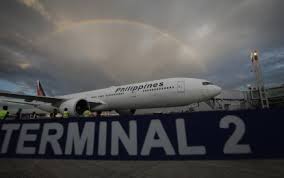 議員らがフィリピンの旅行税廃止を推進、海外および国内旅行の促進を目指す">

The Philippine travel tax stands at P2,700 ファーストクラスのお客様のために P1,620 for economy; Senate Bill 1843, filed by Sen. Kiko Pangilinan, proposes full repeal and immediate refund mechanisms for trips scheduled on or after the law’s effectivity.
What the repeal would change for travelers and carriers
Under the proposed legislation, the specific levy codified in the Tourism Act of 2009 would be repealed and travelers would no longer pay the per-passenger charge at departure. The bill directs that programs previously financed by the travel tax be funded instead by the 観光インフラ・企業ゾーン庁(TIEZA), an attached agency of the Department of Tourism. Practically, airlines and ticketing platforms would need to update fare displays, remittance procedures, and refund workflows in coordination with the Civil Aviation Authority and the Department of Tourism.
Immediate operational effects
- Ticketing systems must implement a refund module for affected departures.
- Airlines may reprice displayed fares to show door-to-door cost savings.
- Travel agencies and OTAs will update checkout flows and government-fee line items.
- TIEZA will absorb program costs previously covered by tax revenues, requiring budgetary adjustments.
Projected economic and tourism impacts
The explanatory note attached to the measure argues that lowering the explicit cost of international travel should stimulate passenger volume, increase spending on transport, accommodation, food and services, and create spillovers across hospitality, retail, and transport sectors. Policymakers expect increased people-to-people exchanges to enhance the Philippines’ position as a competitive, accessible destination for both outbound Filipinos and incoming visitors.
| Item | 現在の状況 | Proposed change |
|---|---|---|
| Travel tax amounts | P2,700 (first-class); P1,620 (economy) | Abolition; refunds for trips on/after effectivity |
| Funding source for programs | Travel tax proceeds | Shift to TIEZA budgetary allocations |
| Implementation requirement | Collected at point of departure | Systems and legal repeal; inter-agency coordination |
Stakeholder positions and legislative momentum
Sen. Joel Villanueva has filed a parallel bill advocating abolition, noting that the levy is an outdated burden that hampers mobility and regional competitiveness. President Ferdinand Marcos Jr. has marked the repeal as priority legislation, urging expedited passage. If enacted, administrative guidelines would instruct carriers, travel agents, and government revenue offices on refund timelines and reconciliations.
Potential concerns and mitigation
- Budget shortfalls for programs formerly supported by the tax — mitigated by TIEZA reallocation and budget realignment.
- Operational friction during the transition period — addressed via phased implementation and clear inter-agency protocols.
- Uneven distribution of benefits between domestic and international tourism stakeholders — requires targeted policy measures to support vulnerable operators.
How this could change travel planning at a glance
For the traveler, the headline is simple: lower upfront departure costs and simpler ticketing displays. For the travel industry, the change means revising pricing matrices, marketing messages, and compliance procedures. Tour operators and hotels may see demand shifts that influence package design, from short-haul weekend getaways to longer luxury and adventure itineraries.
What travelers and providers should do now
- Check ticket terms and refund eligibility if travel dates overlap with the law’s effectivity.
- Travel businesses should prepare reconciliation protocols and update checkout interfaces.
- Tour designers can consider bundling newfound savings into enhanced value offerings—culture-led itineraries, eco-friendly safaris, or curated museum tours with live guides.
The policy debate highlights important trade-offs between immediate cost relief for passengers and the long-term funding of tourism infrastructure. Even the clearest reviews and the most honest feedback cannot substitute for personal experience. On GetExperience, you book experiences from verified providers at reasonable prices with full and secure payments accepted through the website and a voucher confirmation issued afterward; you can also submit requests for tailored tours or excursions so providers can offer options that best match your preferences. This combination of transparency, convenience, and choice helps travelers plan holidays that go beyond basic services to include a cultural program or specialized activities—Book your Trip ゲット・エクスペリエンス・ドット・コム
In summary, abolishing the travel tax would cut visible costs for passengers, require administrative shifts to TIEZA funding, and create opportunities for tourism growth. The move could influence a wide range of travel experiences, from アドベンチャー・アクティビティー そして クルーズ・パッケージ への ライブガイド付きミュージアムツアー そして 環境に優しい野生動物サファリ. Travelers and businesses should prepare for operational changes while keeping an eye on new opportunities: オンライン・バーチャルツアー, インタラクティブなオンライン文化ワークショップ, ラグジュアリーな冒険旅行体験, イベント専用ヨットチャーター, and programming like ビギナー・エスポーツ・コーチング・セッション または プロのeスポーツトレーニングプログラム could all feature in refreshed travel offers as the market adjusts.