


 日本語
日本語  English (UK)
  Русский
  বাংলা
বাংলা  العربية
  한국어
한국어  Magyar
  Norsk nynorsk
  Türkçe
  עִבְרִית
  Español
  Čeština
  Svenska
  Português
  Ελληνικά
  Suomi
Suomi  Nederlands
  Română
  Italiano
  Français
  Polski
  Українська
  Deutsch
  简体中文
简体中文  Slovenčina
  Српски језик
  اردو
اردو  Azərbaycan dili
  O‘zbekcha
  አማርኛ
አማርኛ 
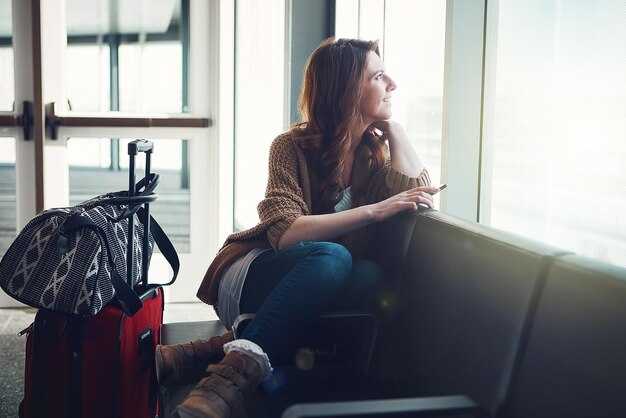
Begin with a practical pre-flight routine: breathe deeply in a 4-7-8 cycle for 3 minutes before you board to feel ready and grounded. Deeply relax your body as you exhale; there you can notice a calmer grip on the armrest and a smooth start to the flight.
Identify your personal triggers and turn them into a plan you know works. Start by noting sensations like a tight chest or fast heartbeat. Pair each trigger with a concrete response: breathe for 5 cycles, grip the armrest, sip water, or use a quick mindfulness cue. By turning fear into action, you build a habit that helps you fly more calmly, and you wouldnt need to rely on luck.
Choose seat and cabin comfort tools that reduce distress. Window seats provide grounding for many flyers; aisles support quick exits. Bring a small neck pillow, earplugs, and a water bottle to stay hydrated. Before boarding, check if the airlines you fly with offer adjustable lighting or quiet zones, and plan to use them. These steps improve comfort mid-air and help you stay present through planes’ movements.
Talk to flight attendants; they’re trained to help anxious flyers. Briefly describe what you’re experiencing and ask for periodic check-ins or a simple explanation if turbulence arises. They can provide reassurance, guide you through breathing, or offer a gentle distraction. Knowing support is available makes you more ready to handle the flight, though you still experience normal sensations. The thing you fear often loses its grip when you have support.
Use a structured distraction plan to ride turbulence smoothly. Prepare a list of non-stimulating activities–an engaging but light book, a calming playlist, or a brief guided meditation. If you feel tremors, fix your gaze on a stable point, count to 60, and breathe in sync with the rhythm. This trigger strategy helps you overcome discomfort with a steady grip and a consistent, smooth breathing pattern.
Know the numbers behind safety and how flights are managed. Accident risk in commercial aviation remains extremely low, with multiple redundant systems and professional crew training. When being prepared with a quick safety briefing and a plan for turbulence, you reduce fear. Spreading your attention to a few factual checks–seat belt sign clarifications, safety briefings, and knowing where your nearest exit is–boosts confidence and reduces fear, especially there in the back of your mind.
Develop a calm-flight habit through gradual exposure. If possible, start with short, non-stop trips or simulate pre-flight routines at home. Repetition lowers sensitivity; after 2–3 flights, sensations during takeoff may feel routine. Track small wins, reflect on progress, and keep a consistent practice even if a flight feels tough, although setbacks happen, and you can handle them.
Prepare a simple pre-flight checklist and stick to it. Your list could include hydration targets, a snack, charged headphones, and a clear plan for what you’ll do if anxiety spikes. Review the seat map, confirm your cabin comfort options, and rehearse a quick breathing cycle before boarding. A predictable routine reduces surprises and reinforces your self-efficacy.
Leverage support networks and a beneficial プロモーション for anxious flyers. Join established flyers communities, follow credible experts, and share practical tips. Some airlines offer a promotion or lounge access designed for calmer travel, which can reduce stress on the day of departure. Engaging with others and using evidence-based strategies helps you overcome fear and fly with more confidence on longer trips.
Flight Anxiety Action Plan

Create a 5-minute pre-flight grounding routine you can repeat every time you board, and stock a small card with steps for june trips.
Breathing technique: inhale for 4 counts, hold 4, exhale 6. This trains your amygdala response, steadies your body, and keeps you present even when the cabin rattles.
Use a writing cue: quick notes on experiences and what helped you in past flights. Nothing fancy, just what you learned; the plan knows what to do next. It meant to remind you that you control your response.
During signs of tension, observe your body signals. Although the fear rises briefly, you stay with the routine and keep your attention anchored. If you feel tense in shoulders or jaw, pause, exhale, and release. If you feel trapped, adjust your posture and bring attention to your feet and hands to redistribute energy.
Speak with passengers and crew in calm terms about your plan. Knowing you have support reduces stress and helps you enjoy the world around you again, and keeps you moving forward. The thing: small wins add up.
In modern cabins, simple routines beat complex tricks. Your plan is stock and repeatable, so you stay in control without drama. That makes each flight more successful.
| Phase | Action | 時間 |
| Pre-flight | Create a 5-minute grounding routine; writing a brief plan | 5 分 |
| In cabin | Breath 4-4-6; scan for tension; readjust posture | 必要に応じて |
| Signs of turbulence | Grounding, short phrases, and brief reassurance to yourself | During event |
Identify Triggers and Build a Quick Grounding Routine
Ground yourself immediately with a 60-second grounding routine that anchors you to the moment and slows the fight-or-flight surge. If fear stopped you before, this minute-long practice reverses that pattern. Breathe, feel your body, and name your surroundings to interrupt automatic fear loops. Inhale through the nose for 4 counts, exhale for 6 counts, repeat four cycles. Then name three things you can see above or across the cabin, press your feet into the floor, and listen for one steady sound such as the cabin hum. This routine becomes a reliable anchor wherever you are across the flight, from takeoff to touchdown. This kind of ritual becomes a familiar tool when you need it most.
Triggers show up as rough motion and engine roar above, the seatbelt sign, or a door ding near the exit. These cues wake the fight-or-flight response, and experiences from others or what you read earlier can amplify worry somewhere in the cabin. The safest path is a simple grounding routine you can apply immediately, during turbulence, during ascent or descent, and this routine remains useful even when you have landed. This approach shifts your brain toward safety and awareness instead of spiraling fear.
To keep it handy, tuck a 60-second card with steps in your pocket or phone. When you feel anxiety rising, run the sequence once, then again if needed. Add a quick meditation bite: a body scan from toes to crown, a slow breath cycle, and a gentle stretch to release tension. This meditation often shifts the mood from tension to calm, and you realized you could save energy for clearer decisions. If you’re aviophobic, practicing this routine across several hours of flight builds resilience and makes flying feel safer over time.
Longer-term practice makes the routine more natural. Spend a few minutes daily at home applying the grounding steps, and review triggers you notice earlier in the day. Keep a short script handy–read it aloud at home or in the airport to prime yourself. By the time you board, the actions become automatic and the experience becomes calmer, not chaotic. When you land, repeat the routine to settle after the motion, and carry the sense of safety onto your next flight.
Pre-Flight Setup: Scheduling, Seating, and Packing for Peace of Mind
One practical move for serious flight anxiety: book a january morning flight and choose a seat toward the front of the cabin to minimize motion and delays right after takeoff.
For seating, avoid crowded aisles and aim for the middle of the cabin; in addition, use headphones to create silence and support listening to a calming script. If a banging sound from outside strikes you, imagine a bomber overhead and remind yourself it’s noise, not danger.
Pack a practical peace kit: water, a healthy snack, a comforting item, and a compact audio guide. Keep it back and accessible; place it in the back pocket and add tricks like a scarf or a small massage ball to ease tense days, and bring a small bottle to sip immediately after boarding.
During boarding and the flight, if noise peaks, use grounding techniques: inhale for four counts, exhale for six, and listen to guided breathing. youve practiced these for years, and often the main tool is simple: focus on breath, posture, and water.
Tell the crew youre anxious; theyve told passengers that small adjustments help, youve prayed for calm in advance can act as a silent anchor. If youve looked for reassurance, you can ask for a quieter seat or a quick check-in before pushback. The main idea is to convert fear into a simple routine you can repeat immediately; marques has shared that small, repeatable steps beat dread when used consistently. Later, youll find the routine easier and less jealous of calm travelers.
何日もの練習を重ねるうちに、これらのステップは習慣となり、揺れや嵐、または機内の騒音の影響を軽減します。ニュートラルな姿勢で体をリラックスさせ、視線は座席よりも上に保ち、柔らかく休息させ、選んだリズムで呼吸してください。このアプローチは、頼りになる実際のツールを提供し、今得られた落ち着きは、フライト中、そしてドアを出た後もあなたを支え、深刻な不安を将来の旅行のための自信に満ちたルーチンに変えるでしょう。.
離陸前の落ち着き:呼吸、集中、そして短い視覚化
まずは60秒間の呼吸法を行いましょう。鼻から4つ数えながら息を吸い込み、口から6つ数えながら息を吐き出します。これを4回繰り返します。シートベルトはしっかりと締めてください。緊張が高まってきたら、これは飛行機に乗る人によくある反応であり、乗り越えられると自分に言い聞かせましょう。このテクニックをグループで共有して、飛行機が動き出す前に皆が少しでも落ち着けるようにしましょう。.
次に、焦点を絞って、機内の壁や翼の先端など、固定された一点に集中します。4と6のリズムを維持し、考えがさまよったら、呼吸に戻ります。パイロットへの聞き取り調査では、これらのステップで多くの状況で不安が軽減されることが示されています。.
短い視覚化は呼吸をサポートします:タクシーから離陸まで、穏やかな道が開けていくのを思い描いてください。呼吸するにつれて、エンジンの唸りが和らいでいきます。リセットするための簡単な瞬間があります:呼吸に気づき、心の錨に戻ってください。現実に留まってください:機内は加圧されたままで、乗務員が状況を監視しており、あなたは穏やかにその瞬間を過ごしています。吐き気が残る場合は、冷たい波が胴体を通り抜けていくのを視覚化し、必要に応じて水を飲んでください。.
乱気流の際は、一点に集中して呼吸を続け、安全手順を思い出してください。必要であれば、医師に相談して薬を処方してもらいましょう。吐き気止めを持ち歩く人もいます。緊張を隠す必要はありません。乗務員は訓練を受けており、サポートできます。水をもらったり、気持ちを落ち着かせる時間をもらったりすることもできます。.
次のフライトの前に、地上準備中やタクシー中にこのルーティンを練習し、仲間のフライヤーを誘ってアプローチを共有しましょう。3月の短いフライトで最初に試してみるのもいいかもしれません。より安定した動きのために翼の近くの座席を特定し、小さな慰安品を用意して事前に計画を立てましょう。電車の移動中でも練習を続け、エンジンが始動し、航空機が動き出す瞬間に備えて自信をつけましょう。.
機内での対処法:騒音制御、気晴らし、認知的リフレーミング
ノイズキャンセリングヘッドホンを装着し、必要であれば耳栓もして、機内の騒音を遮断してください。最初の10分間は、簡単なグラウンディングルーチンを行いましょう。手のひらの下にある座席の感触を感じ、自分の呼吸に気づき、聞こえてくる音を3つ心の中で挙げてください。.
可能な限り、人通りの多い場所から離れた隅の席を選び、邪魔を減らし、より落ち着いた個人的な空間を作りましょう。静かな隅は、あらゆるつぶやきやドアチャイムではなく、計画に集中するのに役立ちます。.
実用的な気を紛らわせるキットを準備しましょう。お気に入りのパズル、短編小説、または心を落ち着かせるプレイリストなど。疲労を防ぐために、短い時間区切りで使用します。15分間の読書、15分間の頭脳ゲーム、15分間の呼吸、その後アクティビティを切り替えます。このキットは、シンプルなサイクルを使用して、あなたの関心を維持します。.
認知的なリフレーミング:騒音や乱気流など、特に音が急に大きくなるようなきっかけを特定し、現実を検証する。今、実際のリスクは何か? その音は環境からの信号であり、自分の安全に対する脅威ではないと自分に言い聞かせる。もし考えが非合理的だと感じたら、自己批判で反応するのではなく、それを名付け、具体的な作業に戻る。このアプローチは、判断よりも観察を重視し、徐々に不安のグリップを弱めていく。.
心を落ち着かせるために、呼吸法を行いましょう。4つ数えながら息を吸い込み、6つ数えながら息を吐き出す。これを5回繰り返します。座席のモニターを見たり、プレイリストを聴いたり、パニックにならずに不快な瞬間をやり過ごすことができます。フライトが長引く場合は、1時間ごとにこの呼吸法を繰り返して、落ち着いた状態を維持しましょう。.
誘導プログラムに登録している場合、または公共機関の乗務員からサポートを受けている場合は、乗船時に乗務員にあなたの計画を共有してください。乗務員は、静かに様子を確認したり、あなたが圧倒されているように見える場合に、控えめな合図を送ることができます。この可視性は、あなたが穏やかな乗車をする権利を強化し、年が進むにつれて、突然の騒音の力を軽減することができます。.
フライト中の落ち着いた時間、気を紛らわせた回数、呼吸のたびに変化する感情など、小さな統計情報で進捗を記録しましょう。1回目から5回目のフライトの間くらいのどこかで、あなたの脳はより早くリセットする方法を理解し、騒音が急上昇したり、機内が再び静かになったりしても、よりコントロールできていると感じるはずです。.
フライト後リセット:報告会、睡眠、および穏やかな暴露計画
着陸後すぐに10分間の飛行後デブリーフィングを開始し、神経系をリセットし、今後の計画を固めてください。.
何が起こり、それがあなたにどう影響したかを認識する。出来事、神経を逆なでする合図、そしてあなたの反応を記録し、今後の旅行のために何がエネルギーを節約し、何がそれを消耗させたかを記録する。.
- フライトのデブリーフィング
- 何がストレスの原因で、何が助けになったかを特定する。感じたこと、考えたこと、そして取った行動を手書きのメモで素早く記録する。.
- エンジンの音、衝撃、アナウンス、緊急事態に関する言及など、トリガーとなるものにラベルを付けます。 それらを判断することなく認識します。.
- 今回のことで、少し何かを変えるだけで別の結果になった可能性があるだろうか?もしそうなら、次の旅行でそれを計画しよう。.
- 要点を信頼できる旅の仲間に共有するか、必要であれば後で訓練を受けた専門家に共有してください。他の人は、簡潔な要約を聞くことでしばしば恩恵を受けます。.
- フライト後の睡眠リセット
- 照明を落とし、明るい画面を見るのを60分間避け、部屋を涼しく静かに保つと入眠しやすくなります。.
- 寝る前に、5〜10分程度の瞑想や4-7-8呼吸法を試して、体を落ち着かせましょう。もし眠れそうになければ、じっと横になり、ゆっくりと息を吸ったり吐いたりすることに集中していれば、いつの間にか眠りに落ちるでしょう。.
- 翌日は起床時間を一定にして、概日リズムを安定させましょう。.
- 就寝時刻を逃した場合は、次のチャンスに仕切り直し、就寝前に不安を煽るような行動を重ねることは避けましょう。.
- 段階的曝露計画
- まずは、心の露出から始めましょう。穏やかな飛行を視覚化し、短い誘導シナリオを実行します。胸に手を当てて感覚を落ち着かせ、残っている緊張に気づきましょう。.
- 生体内の合図に進む:機内の音を聞く、安全な空港の映像を見る、または搭乗せずに静かなターミナルエリアを訪れる。どのようなトリガーが生じるかを追跡し、グラウンディング戦略を用いる。.
- 現実的な小さなステップに移行する:短い、負担の少ないフライトを予約するか、明確で短いタイムラインで空港見学を手配する。自信が高まる場合は、訓練された同伴者と一緒に行動する。.
- 具体的な制限を設けましょう。不快感が圧倒的になる前に各エクスポージャーを終え、次の試みに向けて何を調整すべきか検討してください。.
- 結果を記録し、適応する:各ステップの後、何が恐怖を軽減し、何が不安を残したかを記録する。トラウマの記憶が浮かび上がってきた場合は、ゆっくりと呼吸をし、必要に応じて教授やトラウマ専門家からの専門的な指導を検討する。.
- 実用的なテンプレートとリマインダー
- コンパクトな報告書を作成: 何が起きたか? 何が役に立ったか? 次は何をするか? 支援されていると感じるために、誰かに何を求めるか?
- 自信がつくまで簡単な計画を共有しましょう。短い台本が役立つかもしれません。「落ち着いた呼吸を練習し、グラウンディングの合図に耳を傾け、安全で段階的なステップで露出を制限します。」“
- あなたのペースを尊重してくれる友人や誰かと話し合ってください。協力することでエネルギーが節約でき、旅の間の孤独感を軽減できます。.
事実:この手順は、旅行後の不安が長引く可能性を減らし、迅速にコントロールを取り戻すのに役立ちます。一貫して実践することで、飛行機を完全に避けることを防ぐことができます。トラウマや困難な出来事を経験した場合は、専門家の指導を受け、自分のペースを尊重した計画から始めてください。マルケス教授は、小さく管理しやすいステップが、ほとんどの人にとって最良の長期的な結果をもたらすと指摘しています。.