


 አማርኛ
አማርኛ  English (UK)
  Русский
  বাংলা
বাংলা  العربية
  日本語
日本語  한국어
한국어  Magyar
  Norsk nynorsk
  Türkçe
  עִבְרִית
  Español
  Čeština
  Svenska
  Português
  Ελληνικά
  Suomi
Suomi  Nederlands
  Română
  Italiano
  Français
  Polski
  Українська
  Deutsch
  简体中文
简体中文  Slovenčina
  Српски језик
  اردو
اردو  Azərbaycan dili
  O‘zbekcha
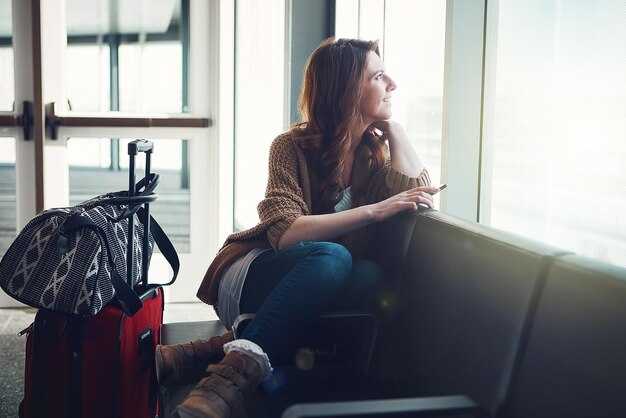
Begin with a practical pre-flight routine: breathe deeply in a 4-7-8 cycle for 3 minutes before you board to feel ready and grounded. Deeply relax your body as you exhale; there you can notice a calmer grip on the armrest and a smooth start to the flight.
Identify your personal triggers and turn them into a plan you know works. Start by noting sensations like a tight chest or fast heartbeat. Pair each trigger with a concrete response: breathe for 5 cycles, grip the armrest, sip water, or use a quick mindfulness cue. By turning fear into action, you build a habit that helps you fly more calmly, and you wouldnt need to rely on luck.
Choose seat and cabin comfort tools that reduce distress. Window seats provide grounding for many flyers; aisles support quick exits. Bring a small neck pillow, earplugs, and a water bottle to stay hydrated. Before boarding, check if the airlines you fly with offer adjustable lighting or quiet zones, and plan to use them. These steps improve comfort mid-air and help you stay present through planes’ movements.
Talk to flight attendants; they’re trained to help anxious flyers. Briefly describe what you’re experiencing and ask for periodic check-ins or a simple explanation if turbulence arises. They can provide reassurance, guide you through breathing, or offer a gentle distraction. Knowing support is available makes you more ready to handle the flight, though you still experience normal sensations. The thing you fear often loses its grip when you have support.
Use a structured distraction plan to ride turbulence smoothly. Prepare a list of non-stimulating activities–an engaging but light book, a calming playlist, or a brief guided meditation. If you feel tremors, fix your gaze on a stable point, count to 60, and breathe in sync with the rhythm. This trigger strategy helps you overcome discomfort with a steady grip and a consistent, smooth breathing pattern.
Know the numbers behind safety and how flights are managed. Accident risk in commercial aviation remains extremely low, with multiple redundant systems and professional crew training. When being prepared with a quick safety briefing and a plan for turbulence, you reduce fear. Spreading your attention to a few factual checks–seat belt sign clarifications, safety briefings, and knowing where your nearest exit is–boosts confidence and reduces fear, especially there in the back of your mind.
Develop a calm-flight habit through gradual exposure. If possible, start with short, non-stop trips or simulate pre-flight routines at home. Repetition lowers sensitivity; after 2–3 flights, sensations during takeoff may feel routine. Track small wins, reflect on progress, and keep a consistent practice even if a flight feels tough, although setbacks happen, and you can handle them.
Prepare a simple pre-flight checklist and stick to it. Your list could include hydration targets, a snack, charged headphones, and a clear plan for what you’ll do if anxiety spikes. Review the seat map, confirm your cabin comfort options, and rehearse a quick breathing cycle before boarding. A predictable routine reduces surprises and reinforces your self-efficacy.
Leverage support networks and a beneficial promotion for anxious flyers. Join established flyers communities, follow credible experts, and share practical tips. Some airlines offer a promotion or lounge access designed for calmer travel, which can reduce stress on the day of departure. Engaging with others and using evidence-based strategies helps you overcome fear and fly with more confidence on longer trips.
Flight Anxiety Action Plan

Create a 5-minute pre-flight grounding routine you can repeat every time you board, and stock a small card with steps for june trips.
Breathing technique: inhale for 4 counts, hold 4, exhale 6. This trains your amygdala response, steadies your body, and keeps you present even when the cabin rattles.
Use a writing cue: quick notes on experiences and what helped you in past flights. Nothing fancy, just what you learned; the plan knows what to do next. It meant to remind you that you control your response.
During signs of tension, observe your body signals. Although the fear rises briefly, you stay with the routine and keep your attention anchored. If you feel tense in shoulders or jaw, pause, exhale, and release. If you feel trapped, adjust your posture and bring attention to your feet and hands to redistribute energy.
Speak with passengers and crew in calm terms about your plan. Knowing you have support reduces stress and helps you enjoy the world around you again, and keeps you moving forward. The thing: small wins add up.
In modern cabins, simple routines beat complex tricks. Your plan is stock and repeatable, so you stay in control without drama. That makes each flight more successful.
| Phase | እርምጃ | Time |
| Pre-flight | Create a 5-minute grounding routine; writing a brief plan | 5 min |
| In cabin | Breath 4-4-6; scan for tension; readjust posture | እንደአስፈላጊነቱ |
| Signs of turbulence | Grounding, short phrases, and brief reassurance to yourself | During event |
Identify Triggers and Build a Quick Grounding Routine
Ground yourself immediately with a 60-second grounding routine that anchors you to the moment and slows the fight-or-flight surge. If fear stopped you before, this minute-long practice reverses that pattern. Breathe, feel your body, and name your surroundings to interrupt automatic fear loops. Inhale through the nose for 4 counts, exhale for 6 counts, repeat four cycles. Then name three things you can see above or across the cabin, press your feet into the floor, and listen for one steady sound such as the cabin hum. This routine becomes a reliable anchor wherever you are across the flight, from takeoff to touchdown. This kind of ritual becomes a familiar tool when you need it most.
Triggers show up as rough motion and engine roar above, the seatbelt sign, or a door ding near the exit. These cues wake the fight-or-flight response, and experiences from others or what you read earlier can amplify worry somewhere in the cabin. The safest path is a simple grounding routine you can apply immediately, during turbulence, during ascent or descent, and this routine remains useful even when you have landed. This approach shifts your brain toward safety and awareness instead of spiraling fear.
To keep it handy, tuck a 60-second card with steps in your pocket or phone. When you feel anxiety rising, run the sequence once, then again if needed. Add a quick meditation bite: a body scan from toes to crown, a slow breath cycle, and a gentle stretch to release tension. This meditation often shifts the mood from tension to calm, and you realized you could save energy for clearer decisions. If you’re aviophobic, practicing this routine across several hours of flight builds resilience and makes flying feel safer over time.
Longer-term practice makes the routine more natural. Spend a few minutes daily at home applying the grounding steps, and review triggers you notice earlier in the day. Keep a short script handy–read it aloud at home or in the airport to prime yourself. By the time you board, the actions become automatic and the experience becomes calmer, not chaotic. When you land, repeat the routine to settle after the motion, and carry the sense of safety onto your next flight.
Pre-Flight Setup: Scheduling, Seating, and Packing for Peace of Mind
One practical move for serious flight anxiety: book a january morning flight and choose a seat toward the front of the cabin to minimize motion and delays right after takeoff.
For seating, avoid crowded aisles and aim for the middle of the cabin; in addition, use headphones to create silence and support listening to a calming script. If a banging sound from outside strikes you, imagine a bomber overhead and remind yourself it’s noise, not danger.
Pack a practical peace kit: water, a healthy snack, a comforting item, and a compact audio guide. Keep it back and accessible; place it in the back pocket and add tricks like a scarf or a small massage ball to ease tense days, and bring a small bottle to sip immediately after boarding.
During boarding and the flight, if noise peaks, use grounding techniques: inhale for four counts, exhale for six, and listen to guided breathing. youve practiced these for years, and often the main tool is simple: focus on breath, posture, and water.
Tell the crew youre anxious; theyve told passengers that small adjustments help, youve prayed for calm in advance can act as a silent anchor. If youve looked for reassurance, you can ask for a quieter seat or a quick check-in before pushback. The main idea is to convert fear into a simple routine you can repeat immediately; marques has shared that small, repeatable steps beat dread when used consistently. Later, youll find the routine easier and less jealous of calm travelers.
Over days of practice, these steps become a habit, reducing the impact of motion, storm, or loud cabin noises. Keep your body relaxed with a neutral stance, let your gaze stay above the seat and rest softly, and breathe with the rhythm you choose. This approach gives you real tools to lean on, and the calm you gain now should carry you through the flight and beyond the door, turning serious anxiety into a confident routine for future trips.
Takeoff Calm: Breathing, Focus, and Short Visualization
Begin with a 60-second breathing block: inhale through the nose for 4 counts, exhale through the mouth for 6 counts. Then repeat four rounds. Keep your seatbelt fastened, strapped to the seat. If tension rises, remind yourself that this reaction is common among flyers and you can ride it out. Share this technique with your group to help everyone feel a bit calmer before planes push back.
Next, anchor your focus to a single cue: a fixed point on the cabin wall or the wing tip. Maintain the same 4-and-6 rhythm; when thoughts drift, return to the breath. Polling among flyers shows these steps reduce anxiety in many situations.
Short visualization supports the breathing: picture a calm path unfolding from taxi to takeoff, with the engine hum softening as you breathe. theres a simple moment to reset: notice the breath and return to your anchor. Stay with reality: the cabin remains pressurized, the crew monitors events, and you ride the moment with calm. If nausea lingers, visualize a cool wave moving through your torso and sip water as needed.
During moments of turbulence, keep the single focus and breathing, and remind yourself of safety protocols. If you might benefit, discuss medication with your doctor; some flyers carry anti-nausea options. theres no need to hide nerves; the crew is trained to help, and you can ask for a glass of water or a moment to regroup.
Before the next flight, rehearse this routine during ground prep or taxi, and invite a fellow flyer to share the approach. Maybe you try it first on a short hop in march; plan ahead by identifying a seat near the wing for steadier motion and keep a small comfort item. You can continue the practice on train rides too, building confidence for the moment you hear the engines start and the aircraft begins to move.
In-Flight Coping: Noise Control, Distractions, and Cognitive Reframes
Put on noise-cancelling headphones and, if needed, earplugs to cut cabin noises. For the first 10 minutes, run a simple grounding routine: feel the seat beneath your hand, notice your breathing, and silently name three sounds you are hearing.
When possible, choose a corner seat away from the main flow of traffic to reduce interruptions and create a calmer personal space. A quiet corner helps you stay focused on your plan rather than on every murmur or door chime.
Pack a practical distraction kit: your favorite puzzle, a short story, or a soothing playlist. Use it in short blocks to prevent fatigue: 15 minutes of reading, 15 minutes of a brain game, 15 minutes of breathing, then switch activities. This kit uses a simple cycle to keep you engaged.
Cognitive reframes: identify triggers like noises or turbulence, particularly when sounds suddenly rise, then test reality: what is the actual risk right now? Tell yourself that the sounds are signals from the environment, not threats to your safety. If a thought feels irrational, dont react with self-criticism; name it and return to a concrete task. This approach uses observation over judgment and slowly weakens the grip of worry.
Keep a simple breathing pattern to ground yourself: inhale for four counts, exhale for six, and repeat for five cycles. You can do this while you watch the seatback screen, listen to your playlist, or ride out a moment of discomfort without escalating into panic. If the ride lasts longer, repeat the cycle across the hour to maintain calm.
If you have been enrolled in a guided program or have support from the public crew, share your plan with a crew member when you board. They can offer a quiet check-in or a discreet cue if you seem overwhelmed. This visibility reinforces your right to a calm ride and can reduce the power of sudden noises as the year progresses.
Track progress with tiny stats: note the minutes of calm during the flight, how often you used a distraction, and how your feelings shifted after each breathing cycle. Somewhere between the first and fifth flight, your brain knows how to reset faster and you feel more in control, even when noises spike or the cabin goes quiet again.
Post-Flight Reset: Debrief, Sleep, and Gentle Exposure Plans
Begin a 10-minute post-flight debrief immediately after landing to reset your nervous system and solidify a plan for the days ahead.
Recognise what happened and how it affected you. Note the event, the cues that spiked your nerves, and your reactions, then record what saved energy and what drained it for future travel.
- Debrief the flight
- Identify whats stressful and what helped. Use a quick hand-written note to capture sensations, thoughts, and actions you took.
- Label triggers such as engine sounds, bumps, announcements, or emergency mentions. Acknowledge them without judgment.
- Ask yourself: could this have ended differently with a small change? If yes, plan it in the next trip.
- Share the core points with a trusted travel partner or, if needed, a trained professional later. Others often gain from hearing a concise recap.
- Sleep reset after flight
- Dim the lights, avoid bright screens for 60 minutes, and keep the room cool and quiet to help sleep onset.
- Try a 5–10 minute meditation or 4-7-8 breathing to calm the body before bed. If sleep is unlikely, lie still and focus on slow, even breaths until you drift.
- Maintain a consistent wake time the next day to stabilise your circadian rhythm.
- If you miss a target bedtime, reset with the next available window and avoid stacking anxious activities before bed.
- Gentle exposure plans
- Begin with mental exposure: visualise a calm flight and run a short guided scenario. Keep a hand on your chest to ground sensations and notice any lingering tension.
- Progress to in-vivo cues: listen to cabin sounds, watch safe airport footage, or visit a quiet terminal area without boarding. Track what triggers arise and use grounding strategies.
- Move to small real-world steps: book a short, non-demanding flight or arrange an airport visit with a clear, short timeline. Partner with a trained companion if that increases confidence.
- Set a concrete limit: end each exposure before discomfort becomes overwhelming, then reflect on what to adjust for the next attempt.
- Record outcomes and adapt: after each step, note what reduced fear and what left you unsettled. If trauma memories surface, use slow breathing and consider professional guidance from a professor or trauma specialist when appropriate.
- Practical templates and reminders
- Keep a compact debrief sheet: What happened? What helped? What’s next? What do I need from somebody else to feel supported?
- Share a brief plan till you feel more confident; a short script can help: “I’m practising calm breathing, listening to grounding cues, and I’ll limit exposure to safe, gradual steps.”
- Involve a friend or 談 with anybody who respects your pace; collaboration saves energy and reduces the sense of isolation during travel.
Fact: this sequence reduces the likelihood of lingering anxiety after travel and helps you regain control quickly. A simple outline, practiced with consistency, can save you from avoiding flights altogether. If you’ve experienced trauma or a difficult event, begin with professional guidance and a plan that honours your pace. Professor Marques often notes that small, manageable steps yield the best long-term results for most people.