


 Српски језик
  English (UK)
  Русский
  বাংলা
বাংলা  العربية
  日本語
日本語  한국어
한국어  Magyar
  Norsk nynorsk
  Türkçe
  עִבְרִית
  Español
  Čeština
  Svenska
  Português
  Ελληνικά
  Suomi
Suomi  Nederlands
  Română
  Italiano
  Français
  Polski
  Українська
  Deutsch
  简体中文
简体中文  Slovenčina
  اردو
اردو  Azərbaycan dili
  O‘zbekcha
  አማርኛ
አማርኛ 
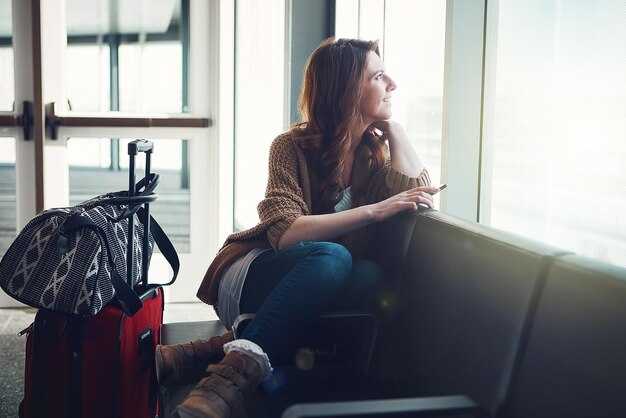
Begin with a practical pre-flight routine: breathe deeply in a 4-7-8 cycle for 3 minutes before you board to feel ready and grounded. Deeply relax your body as you exhale; there you can notice a calmer grip on the armrest and a smooth start to the flight.
Identify your personal triggers and turn them into a plan you know works. Start by noting sensations like a tight chest or fast heartbeat. Pair each trigger with a concrete response: breathe for 5 cycles, grip the armrest, sip water, or use a quick mindfulness cue. By turning fear into action, you build a habit that helps you fly more calmly, and you wouldnt need to rely on luck.
Choose seat and cabin comfort tools that reduce distress. Window seats provide grounding for many flyers; aisles support quick exits. Bring a small neck pillow, earplugs, and a water bottle to stay hydrated. Before boarding, check if the airlines you fly with offer adjustable lighting or quiet zones, and plan to use them. These steps improve comfort mid-air and help you stay present through planes’ movements.
Talk to flight attendants; they’re trained to help anxious flyers. Briefly describe what you’re experiencing and ask for periodic check-ins or a simple explanation if turbulence arises. They can provide reassurance, guide you through breathing, or offer a gentle distraction. Knowing support is available makes you more ready to handle the flight, though you still experience normal sensations. The thing you fear often loses its grip when you have support.
Use a structured distraction plan to ride turbulence smoothly. Prepare a list of non-stimulating activities–an engaging but light book, a calming playlist, or a brief guided meditation. If you feel tremors, fix your gaze on a stable point, count to 60, and breathe in sync with the rhythm. This trigger strategy helps you overcome discomfort with a steady grip and a consistent, smooth breathing pattern.
Know the numbers behind safety and how flights are managed. Accident risk in commercial aviation remains extremely low, with multiple redundant systems and professional crew training. When being prepared with a quick safety briefing and a plan for turbulence, you reduce fear. Spreading your attention to a few factual checks–seat belt sign clarifications, safety briefings, and knowing where your nearest exit is–boosts confidence and reduces fear, especially there in the back of your mind.
Develop a calm-flight habit through gradual exposure. If possible, start with short, non-stop trips or simulate pre-flight routines at home. Repetition lowers sensitivity; after 2–3 flights, sensations during takeoff may feel routine. Track small wins, reflect on progress, and keep a consistent practice even if a flight feels tough, although setbacks happen, and you can handle them.
Prepare a simple pre-flight checklist and stick to it. Your list could include hydration targets, a snack, charged headphones, and a clear plan for what you’ll do if anxiety spikes. Review the seat map, confirm your cabin comfort options, and rehearse a quick breathing cycle before boarding. A predictable routine reduces surprises and reinforces your self-efficacy.
Leverage support networks and a beneficial промоција for anxious flyers. Join established flyers communities, follow credible experts, and share practical tips. Some airlines offer a promotion or lounge access designed for calmer travel, which can reduce stress on the day of departure. Engaging with others and using evidence-based strategies helps you overcome fear and fly with more confidence on longer trips.
Flight Anxiety Action Plan

Create a 5-minute pre-flight grounding routine you can repeat every time you board, and stock a small card with steps for june trips.
Breathing technique: inhale for 4 counts, hold 4, exhale 6. This trains your amygdala response, steadies your body, and keeps you present even when the cabin rattles.
Use a writing cue: quick notes on experiences and what helped you in past flights. Nothing fancy, just what you learned; the plan knows what to do next. It meant to remind you that you control your response.
During signs of tension, observe your body signals. Although the fear rises briefly, you stay with the routine and keep your attention anchored. If you feel tense in shoulders or jaw, pause, exhale, and release. If you feel trapped, adjust your posture and bring attention to your feet and hands to redistribute energy.
Speak with passengers and crew in calm terms about your plan. Knowing you have support reduces stress and helps you enjoy the world around you again, and keeps you moving forward. The thing: small wins add up.
In modern cabins, simple routines beat complex tricks. Your plan is stock and repeatable, so you stay in control without drama. That makes each flight more successful.
| Phase | Акција | Time |
| Pre-flight | Create a 5-minute grounding routine; writing a brief plan | 5 мин. |
| In cabin | Breath 4-4-6; scan for tension; readjust posture | По потреби. |
| Signs of turbulence | Grounding, short phrases, and brief reassurance to yourself | During event |
Identify Triggers and Build a Quick Grounding Routine
Ground yourself immediately with a 60-second grounding routine that anchors you to the moment and slows the fight-or-flight surge. If fear stopped you before, this minute-long practice reverses that pattern. Breathe, feel your body, and name your surroundings to interrupt automatic fear loops. Inhale through the nose for 4 counts, exhale for 6 counts, repeat four cycles. Then name three things you can see above or across the cabin, press your feet into the floor, and listen for one steady sound such as the cabin hum. This routine becomes a reliable anchor wherever you are across the flight, from takeoff to touchdown. This kind of ritual becomes a familiar tool when you need it most.
Triggers show up as rough motion and engine roar above, the seatbelt sign, or a door ding near the exit. These cues wake the fight-or-flight response, and experiences from others or what you read earlier can amplify worry somewhere in the cabin. The safest path is a simple grounding routine you can apply immediately, during turbulence, during ascent or descent, and this routine remains useful even when you have landed. This approach shifts your brain toward safety and awareness instead of spiraling fear.
To keep it handy, tuck a 60-second card with steps in your pocket or phone. When you feel anxiety rising, run the sequence once, then again if needed. Add a quick meditation bite: a body scan from toes to crown, a slow breath cycle, and a gentle stretch to release tension. This meditation often shifts the mood from tension to calm, and you realized you could save energy for clearer decisions. If you’re aviophobic, practicing this routine across several hours of flight builds resilience and makes flying feel safer over time.
Longer-term practice makes the routine more natural. Spend a few minutes daily at home applying the grounding steps, and review triggers you notice earlier in the day. Keep a short script handy–read it aloud at home or in the airport to prime yourself. By the time you board, the actions become automatic and the experience becomes calmer, not chaotic. When you land, repeat the routine to settle after the motion, and carry the sense of safety onto your next flight.
Pre-Flight Setup: Scheduling, Seating, and Packing for Peace of Mind
One practical move for serious flight anxiety: book a january morning flight and choose a seat toward the front of the cabin to minimize motion and delays right after takeoff.
For seating, avoid crowded aisles and aim for the middle of the cabin; in addition, use headphones to create silence and support listening to a calming script. If a banging sound from outside strikes you, imagine a bomber overhead and remind yourself it’s noise, not danger.
Pack a practical peace kit: water, a healthy snack, a comforting item, and a compact audio guide. Keep it back and accessible; place it in the back pocket and add tricks like a scarf or a small massage ball to ease tense days, and bring a small bottle to sip immediately after boarding.
During boarding and the flight, if noise peaks, use grounding techniques: inhale for four counts, exhale for six, and listen to guided breathing. youve practiced these for years, and often the main tool is simple: focus on breath, posture, and water.
Tell the crew youre anxious; theyve told passengers that small adjustments help, youve prayed for calm in advance can act as a silent anchor. If youve looked for reassurance, you can ask for a quieter seat or a quick check-in before pushback. The main idea is to convert fear into a simple routine you can repeat immediately; marques has shared that small, repeatable steps beat dread when used consistently. Later, youll find the routine easier and less jealous of calm travelers.
Током дана вежбања, ови кораци постају навика, смањујући утицај кретања, олује или јаке буке у кабини. Држите тело опуштено у неутралном положају, нека вам поглед остане изнад седишта и одмара се лагано, и дишите ритмом који одаберете. Овај приступ вам пружа стварне алате на које се можете ослонити, а смиреност коју сада стекнете требало би да вас прати током лета и даље, претварајући озбиљну анксиозност у самоуверену рутину за будућа путовања.
Полетање Смирено: Дисање, Фокус и Кратка Визуализација
Započnite sa 60-sekundnim blokom disanja: udahnite na nos brojeći do 4, izdahnite na usta brojeći do 6. Ponovite četiri kruga. Držite vezan pojas, pričvrшćen za sedište. Ako napetost poraste, podsetite sebe da je ova reakcija uobičajena među putnicima u avionu i da to možete prebroditi. Podelite ovu tehniku sa svojom grupom kako biste pomogli svima da se osećaju malo smirenije pre nego što avioni krenu unazad.
Затим, усредсредите се на један сигнал: фиксну тачку на зиду кабине или врх крила. Одржавајте исти ритам 4-и-6; када мисли одлутају, вратите се даху. Анкете међу путницима показују да ови кораци смањују анксиозност у многим ситуацијама.
Kratka vizualizacija podržava disanje: zamislite miran put koji se odvija od taksiranja do poletanja, uz prigušeni zvuk motora dok dišete. Postoji jednostavan trenutak za resetovanje: primetite dah i vratite se na svoje sidro. Ostanite u realnosti: kabina ostaje pod pritiskom, posada prati događaje i vi jašete na talasu sa smirenošću. Ako mučnina potraje, vizualizujte hladan talas koji se kreće kroz vaš torzo i pijuckajte vodu po potrebi.
Tokom perioda turbulencije, zadržite fokus i disanje, i podsetite se sigurnosnih protokola. Ako bi vam koristilo, razgovarajte sa svojim lekarom o lekovima; neki putnici nose lekove protiv mučnine. Nema potrebe da krijete nervozu; posada je obučena da pomogne, i možete tražiti čašu vode ili momenat da se saberete.
Pre poletanja, uvežbajte ovu rutinu tokom pripreme na zemlji ili vožnje, i pozovite kolegu letača da podeli pristup. Možda to prvo probate na kratkom letu u martu; planirajte unapred tako što ćete identifikovati sedište blizu krila radi mirnijeg kretanja i držite mali predmet za utehu. Možete nastaviti sa vežbanjem i tokom vožnje vozom, gradeći samopouzdanje za trenutak kada čujete da motori startuju i letelica počne da se kreće.
Управљање стресом током лета: контрола буке, скретање пажње и когнитивни преокрети
Ставите слушалице са поништавањем буке, а ако је потребно и чепиће за уши, да бисте смањили буку у кабини. Првих 10 минута урадите једноставну рутину уземљења: осетите седиште под руком, обратите пажњу на дисање и у себи именујте три звука које чујете.
Кад год је могуће, изаберите место у углу, удаљено од главног тока саобраћаја, како бисте смањили прекиде и створили мирнији лични простор. Тих кутак вам помаже да останете фокусирани на свој план, а не на сваки шапат или звук звонца на вратима.
Spakujte praktičan pribor za distrakciju: vašu omiljenu slagalicu, kratku priču ili umirujuću listu pesama. Koristite ga u kratkim blokovima da sprečite zamor: 15 minuta čitanja, 15 minuta moždane igre, 15 minuta disanja, a zatim promenite aktivnosti. Ovaj pribor koristi jednostavan ciklus da vas zainteresuje.
Когнитивни рефрејмови: идентификујте окидаче попут буке или турбуленције, посебно када звуци изненада порасту, а затим тестирајте стварност: који је стварни ризик у овом тренутку? Реците себи да су звуци сигнали из окружења, а не претње вашој безбедности. Ако се чини да је нека мисао ирационална, не реагујте самокритиком; именујте је и вратите се конкретном задатку. Овај приступ користи посматрање уместо процене и полако слаби стисак бриге.
Pridržavajte se jednostavnog obrasca disanja da biste se uzemljili: udahnite četiri brojanja, izdahnite šest, i ponovite pet ciklusa. Možete to raditi dok gledate ekran na sedištu, slušate svoju listu pesama ili prebrodite trenutak nelagode bez eskalacije u paniku. Ako vožnja traje duže, ponovite ciklus tokom sata da biste održali smirenost.
Ако сте били укључени у вођени програм или имате подршку јавне посаде, поделите свој план са чланом посаде када се укрцате. Они могу понудити тихи чек-ин или дискретан знак ако вам се чини да сте преоптерећени. Ова видљивост јача ваше право на мирну вожњу и може смањити снагу изненадних звукова како година буде одмицала.
Пратите напредак помоћу ситних статистика: забележите минуте смирености током лета, колико сте често користили дистракцију и како су вам се осећања променила након сваког циклуса дисања. Негде између првог и петог лета, ваш мозак зна како да се брже ресетује и осећате се више под контролом, чак и када се бука појача или се кабина поново стиша.
Пост-флигхт ресет: дебрифинг, сан и планови за благо излагање
Odmah po sletanju, započnite 10-minutni izveštaj posle leta kako biste resetovali nervni sistem i utvrdili plan za dane koji su pred vama.
Препознајте шта се догодило и како је то утицало на вас. Забележите догађај, знаке који су вам подигли нервозу и ваше реакције, а затим забележите шта је сачувало енергију, а шта је исцрпело за будуће путовање.
- Дебрифовање лета
- Идентификујте шта је стресно и шта је помогло. Користите брзу руком писану белешку да забележите сензације, мисли и предузете радње.
- Obeležite okidače poput zvukova motora, udaraca, obaveštenja ili pominjanja hitnih slučajeva. Potvrdite ih bez osuđivanja.
- Zapitaj se: da li je ovo moglo da se završi drugačije uz malu promenu? Ako jeste, isplaniraj to za sledeće putovanje.
- Podelite ključne tačke sa pouzdanim saputnikom ili, ako je potrebno, sa obučenim profesionalcem kasnije. Drugi često imaju koristi od slušanja sažetog rezimea.
- Ресетовање сна после лета
- Zatamnite svetla, izbegavajte jake ekrane 60 minuta i održavajte prostoriju hladnom i tihom kako biste lakše zaspali.
- Isprobajte 5–10 minuta meditacije ili 4-7-8 disanja da biste umirili telo pre spavanja. Ako je san malo verovatan, lezite mirno i fokusirajte se na sporo, ujednačeno disanje dok ne utonete u san.
- Усталите се да се будите у исто време и следећег дана како бисте стабилизовали свој циркадијални ритам.
- Ако пропустите циљано време за спавање, ресетујте се са следећим расположивим прозором и избегавајте гомилање анксиозних активности пред спавање.
- Планови постепене изложености
- Počnite mentalnom ekspozicijom: vizualizujte miran let i prođite kroz kratak vođeni scenario. Držite ruku na grudima da biste uzemljili senzacije i primetite bilo kakvu preostalu napetost.
- Пређите на живе знакове: слушајте звуке кабине, гледајте снимке безбедног аеродрома или посетите тихи терминал без укрцавања. Пратите који се окидачи јављају и користите стратегије уземљења.
- Пређите на мале кораке у стварном свету: резервишите кратак, незахтеван лет или договорите посету аеродрому са јасним, кратким временским оквиром. Удружите се са обученим пратиоцем ако то повећава самопоуздање.
- Поставите конкретну границу: завршите свако излагање пре него што непријатност постане неодољива, а затим размислите о томе шта да прилагодите за следећи покушај.
- Бележите исходе и прилагођавајте се: после сваког корака, забележите шта је смањило страх а шта вас је узнемирило. Ако испливају сећања на трауму, користите споро дисање и размислите о професионалном вођству професора или стручњака за трауме, када је то прикладно.
- Praktični obrasci i podsetnici
- Sažet izveštaj: Šta se desilo? Šta je pomoglo? Šta je sledeće? Šta mi je potrebno od drugih da bih se osećao/la podržano/podržanom?
- Podelite kratak plan dok se ne budete osećali sigurnije; kratak scenario može da pomogne: “Vežbam smireno disanje, slušam signale za uzemljenje i ograničiću izlaganje na bezbedne, postepene korake.”
- Укључите пријатеља или поразговарајте с неким ко поштује ваш темпо; сарадња штеди енергију и смањује осећај изолације током путовања.
Чињеница: овај низ смањује вероватноћу дуготрајне анксиозности након путовања и помаже вам да брзо повратите контролу. Једноставан план, практикован доследно, може вас спасити од избегавања летова у потпуности. Ако сте доживели трауму или тежак догађај, почните са професионалним вођством и планом који поштује ваш темпо. Професор Маркес често напомиње да мали, управљиви кораци дају најбоље дугорочне резултате за већину људи.