


 አማርኛ
አማርኛ  English (UK)
  Русский
  বাংলা
বাংলা  العربية
  日本語
日本語  한국어
한국어  Magyar
  Norsk nynorsk
  Türkçe
  עִבְרִית
  Español
  Čeština
  Svenska
  Português
  Ελληνικά
  Suomi
Suomi  Nederlands
  Română
  Italiano
  Français
  Polski
  Українська
  Deutsch
  简体中文
简体中文  Slovenčina
  Српски језик
  اردو
اردو  Azərbaycan dili
  O‘zbekcha
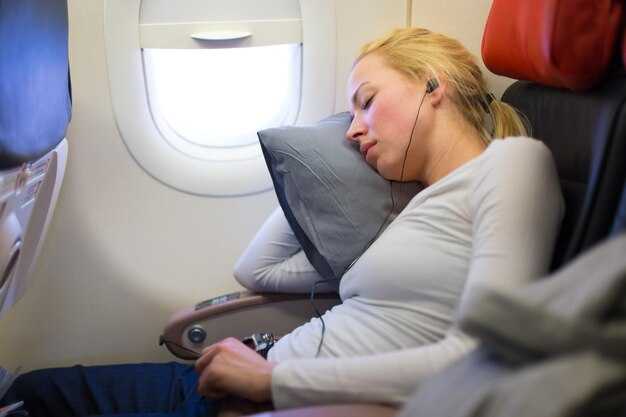
Tip 1: Choose a quiet corner near the terminal wall and claim a small sleep zone for a 20–90 minute rest. Bring a favorite hoodie or light blanket to boost comfort, and choose a chair with back support or lean against the wall for stability. This quick setup makes it easier to drift off and recover before your next flight for yourself.
Tip 2: Use headphones to muff the chatter and a storck eye mask to block light. If you lack noise-cancelling gear, play a soft ambient track at a low volume and keep your head turned away from foot traffic. Be sure to hear only your own breathing and the subtle hum of the terminal.
Tip 3: Create darkness and a comfortable ሙቀት. Dim the screen, pull up the eye mask, and set your clothing to suit around 20–22°C. A lightweight neck pillow helps align the spine, while Having a compact blanket keeps your legs warm. With this setup, you can fall asleep faster and stay asleep longer.
Tip 4: Choose a spot with back support, preferably a chair against a wall, away from busy gates. If you can’t find a chair, improvise: fold a coat behind your back and use it as support, and place your feet in a stable position. This reduces movement and prevents waking when other travelers pass by them, giving you space and a smoother rest.
Tip 5: Hydrate smartly and time caffeine. Drink a glass of water, then go light on caffeine after midday. If you need a quick pick-me-up, choose tea or decaf coffee. Avoid heavy meals right before resting, as digestion can interrupt sleep. Quality እንቅልፍ relies on a calm stomach and steady hydration.
Tip 6: Position matters. If you’re overnight, place a small bag under your knees or use a travel pillow to cradle your neck. Lie on your side with legs slightly bent; this posture reduces snoring and helps you slip into rest faster. Having a stable position also prevents waking if someone jostles you. overnighters know this trick.
Tip 7: Create privacy and security. Use a hoodie, hat, or jacket to shield your eyes; keep valuables close in a zipped pocket. For overnight travels, tell yourself you’ll recover the next day; this mindset helps minimize concern about others around you; it’s fine to be cautious and still get rest.
Tip 8: Manage screens and routine. Turn on Do Not Disturb, dim the screen brightness, and avoid heavy streaming. Set an alarm 15–25 minutes before your boarding time to wake up with enough time to reach your gate. This approach helps overnighters regain focus and avoid rushing.
Tip 9: Check options with airways staff or lounges. A note from leandra on airways teams: some travelers appreciate quiet rooms or lounge access; if you have a long layover, ask about quiet rooms or lounge access with day passes; some airports provide free or paid spaces. If they’re unavailable, stay in place and adjust posture to maximize rest in the main concourse. Some staff have expressed options to help overnight travellers.
Tip 10: Have a plan to wake and board. Set multiple alarms on your phone or watch, and place the device away from you so you wake naturally. Note gate changes and boarding announcements, and give yourself a buffer of 15 minutes to reach the aircraft. This reduces stress and ensures you’re ready for your next leg. If you fear missing the flight, swear to yourself you’ll wake on time.
How to Sleep at the Airport: 10 Practical Tips for Comfortable Rest; – Seat selection matters
- Sure, seat selection matters: choose a window seat in a quiet zone, near a wall, away from busy passages and hub traffic, ideally a few rows from the main flow to minimize interruptions.
- Use noise-canceling headphones or earplugs and play ambient sounds to lower disturbances while you rest; there are quiet corners in many hubs, and it helps you drift off while you move between gates.
- Bring a compact pillow and neck support from your accessories; pair with an eye mask to lay your head comfortably, and keep your stuff organized so everything stays within reach.
- Practice mindfulness or a short meditation before napping to calm the mind and ease transitions between awake and sleep states.
- Limit your nap to about 20–30 minutes during a layover to reset clock hours without oversleeping, and set a gentle timer to avoid grogginess.
- Block light with an eye mask, and adjust ambient temperature with a light jacket or blanket; in addition, find a position that lowers pressure on the head and neck.
- Lay out a small, camp-like sleep kit in reach: a blanket, socks, and a neck pillow; these accessories create a soft surface without forcing you to stretch on the floor.
- Hydration matters: sip water regularly, avoid heavy meals before resting, and consider melatonin timing if you plan crossing time zones, after checking guidelines.
- Protect your valuables by tucking them into a compact bag near you and keeping your head toward your belongings; choose a seat with nearby outlets for charging devices.
- For longer layovers, explore nearby hotels or sleep pods at hubs; published guides list hours, locations, and costs, and cabins offer quieter options when you need a deeper rest.
Find a quiet, low-traffic area away from gates and crowds
Choose a quiet corner away from gates and crowds, preferably behind a short wall or near secondary passages where foot traffic drops. This layover spot lets you drop your bag, set an alarm, and rest without constant announcements. Initially, scan two to three blocks of space in nearby terminals to compare noise, light, and crowding, then pick the area with the calmest vibe.
Once you locate it, set up quickly and neatly. Bring clothes that layer well, a light brush for grooming, and items you want within reach. Keep stuff minimal: a compact blanket, headphones, a cap, and a water bottle. In atlanta airports, you’ll often find quiet passages near service desks that offer shade, airflow control, and less chatter–perfect for a short nap or a power recharge. If youre stranded during a long layover, this spot gives you a stable base to reset.
Set the scene without blocking aisles or entrances. Place your bag under the chair, use a neck pillow for support, and arrange your clothes so you can slip into rest without wrestling zippers. Review images on your phone to judge how long you can stay down, and keep the volume on headphones low enough to stay aware of announcements. This approach appears in the article published by the author to help travelers handle noise and fatigue while waiting for a next flight.
To make it easy, use this quick reference. The table below outlines area options, their pluses, and what to bring to maximize comfort.
| Area | Why it works | What to bring |
|---|---|---|
| Behind a short wall in a quiet passage | Low noise, fewer crowds | Headphones, blanket, clothes layers |
| Near back rows of seating in terminals | Open space, stable light | Pillow, brush, water bottle |
| Between gates in a transit corridor | Light traffic, shorter announcements | Power bank, hat, compact bag |
Choose a seat with extra legroom and easy access to a power outlet
Choose a seat with extra legroom and easy access to a power outlet. When you travel, aim for a higher row or a chair near the aisle to gain nearby power and more space to relax for hours. This setup helps you stay comfy and reduces the likelihood of waking others when you adjust positions; theres no guarantee a socket will be free on every flight, so add a compact power bank as addition to your kit.
To maximize comfort, check seat maps in advance and pick a chair that offers nearby power outlets. On overnight flights, the likelihood of finding a working socket increases when you choose rows away from the galley and toilets where activity is lower. If you’re aiming for private space, prefer a window seat in the front half of the cabin; if not, the aisle still gives quick access to power and easier movement for them. Those traveling with devices should carry a portable charger to stay powered onboard without relying on an outlet location. There is something about quieter space that makes it easier to drift off, so choose seats that minimize activity around you. If you need to work, a portable charger keeps devices active and prevents last-minute searches for sockets.
In addition to clothes, keep your dressing simple and warm. Add a light sweater, scarf, and a compact travel pillow to support your bodies during overnight, especially if you’ve been traveling for hours. With a small kit from nearby shops, you can turn a chair into a comfy sleep nook without disturbing others or collapsing into awkward positions.
Keep valuables safe and within reach by tucking them under the seat. Show courtesy to others and never block aisles or squeeze into space that belongs to them. If outlets are scarce, rely on a portable charger to stay powered without depending on onboard sockets. Those traveling major routes often plan this setup, so they can rest overnight with more comfy options and respect the bodies of fellow travelers.
Prefer a window seat to gain a stable leaning surface and reduce disturbances
Choose the window seat on the airplane to gain a stable leaning surface and reduce disturbances.
When you book or check in, target a window in the quieter zone of the cabin; if you can’t secure it, ask at the gate or use the app to request a swap with someone who sits there, most often during long trips where every minute of sleep matters. These tips help you sleep better.
Dress in breathable layers and wear warm socks; pack something soft to tuck around your neck and a compact boarding card holder for quick access to your pass. This simple setup itself can lead to longer stretches of rest without constant repositioning.
Block ambient noise and light with a sleep-friendly mask and earplugs; keep still during turbulence to stabilize your head; use a neck pillow to support the window side and reduce drops in sleep quality.
In terminals and airports, including transportation hubs, seek sleep-friendly rooms or quiet zones and use bathrooms for a quick refresh; keep your gear in sight and store your bags in the overhead bin to maximize floor space and reduce risk of interruptions.
Plan around weather and potential changes: if a flight is canceled, you can still rest in a comfortable corner, following amenities like charging stations and outlets; bring lightweight snacks such as bananas and hydrate well; stay away from caffeine late in the day to sleep through the next leg without jolts.
Pack a compact comfort kit: neck pillow, lightweight blanket, eye mask
Grab a compact kit in your carry-on: a soft neck pillow, a lightweight blanket, and an eye mask. This private setup turns cold, crowded airport spaces into a calm zone you can use between flights. Store it in a storck pouch with a zip to keep everything clean and easy to reach after you hop on board or wait near the gate board.
Choose a neck pillow with a soft cover and adjustable fill. A memory-foam or microbead design holds your head steady on benches and seats, and a removable, washable cover makes cleaning after several uses simple. A cheap option might feel soft and easier to pack than bulkier models; going with the right fit helps you rest whether you’re going through long layovers or staying near the gate board. however, avoid oversized shapes that intrude on neighbors.
For the blanket, pick a lightweight microfiber throw about 30×40 inches (75×100 cm) that folds to palm size and weighs under 1 lb. It blocks cold drafts, dries fast, and cleans easily. Use it to cover your legs or lap when the air vents hit the chair at 18 to 22 degrees Celsius, or wrap around your shoulders for a private snooze while you scan the location board. Several airports offer designated quiet corners where this extra layer turns a long wait into a rest.
Pair an eye mask with earplugs to block light and noise. You may also keep extra masks for backups, since fabrics differ and you never know which will fit best. A contoured mask with a soft edge stays comfortable after hours of use, and earplugs help you avoid waking to announcements. If you use sleep aids, keep your routine private and rely on them only when you’re settled in a designated rest spot. Listen to yourself and adjust pressure or strap tightness to maximize comfort, and bring a small wipe packet to freshen when needed.
Extras to keep in the kit: a tiny bottle of hand sanitizer, a clean pack of wipes, and a spare pair of socks. Label your bag with a name tag so you can identify it easily on crowded shelves, and map out your plan for the three points that make rest possible: setup, sit, and doze. If you carry snacks, cheap but practical options like bananas stay fresh in a sealable pouch. When you’re ready to settle, stash your laptop and phone in a slim sleeve so you can grab them in one motion. It takes several minutes less than you expect and keeps you from getting stuck in a panic during boarding. Keep the kit by the board to avoid searching when the gate changes, and coordinate with the ones sharing your row to avoid conflicts. If you travel with others, respect their space. This major routine makes your going experience smoother, whether you’re traveling alone or with others, and helps you stay in control of your comfort.
Block noise and light: earplugs, white-noise app, and a hoodie or scarf
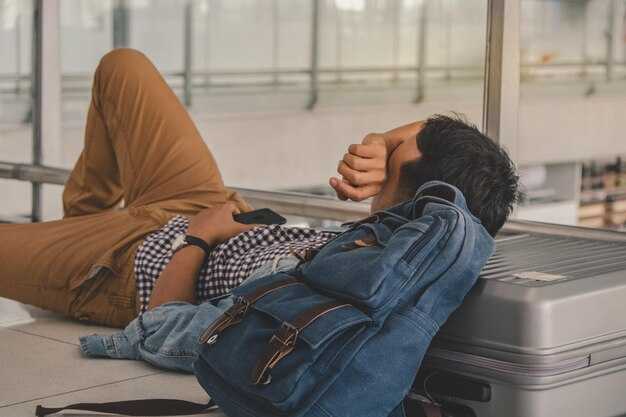
Use a three-layer shield: foam earplugs with a 32 dB NRR, a white-noise app set to about 40–50 dB, and a hoodie or scarf pulled over your head to block light. This combination reduces disruptive sounds and glare enough to help you drift off in busy terminals. think of it as your baseline for the night.
Choose a spot with head support and space for your feet; look for open legroom or a wall to lean on. Among the options, designated quiet zones or sleeping corners work best. If you have a booking in a lounge, arrive early and post your name at the desk to secure it and minimize chatter around you.
Dress in layers and use the hoodie or scarf to trap warmth; airports can feel cold after midnight. A light coffee before dozing can help you stay alert after waking, but limit caffeine late in the night. Keep a small storck candy in your pocket for a quick sugar boost if you feel lightheaded between naps. Scheduling your rest around lull periods increases your chances of a quiet seat and consistent sleep.
The technique can add 20–40% more restful time during long layovers. Among participants, those who follow a simple routine report higher comfort, with rest recovery improving by roughly 15–25 percent when they keep the same steps. Adjust the white-noise volume or earplug fit as needed, and keep your head oriented toward the seats with the most legroom.
Stick to a compact kit you can grab without disturbing others: earplugs, a hoodie, a scarf, a small eye mask, and a storck candy for a quick lift. This same setup works across multiple airports and booking scenarios; when you wake, reset your app and return to your designated rest spot to maximize the next nap.
Set a simple sleep routine: decide the best nap length, wake-up time, and alarm
Decide a nap length that fits the upcoming schedule and set the alarm to match. For a quick reset, target about 20 minutes; this short rest boosts alertness without leaving you groggy. Use a timer on the phone and pick a clear alarm so you wake within the window.
For a deeper reset when there is more time, aim for a full sleep cycle of about 90 minutes. You get memory benefits and mood lift, and grogginess is minimized after waking. If the device allows, set a single alarm to avoid multiple interruptions.
Wake-up planning: align the alarm with the next milestone. If the next checkpoint opens in two hours, set the alarm to ring roughly 25 minutes before that moment to allow a short stretch and gathering belongings. If less time remains, trim the nap to 20 minutes and skip extensions.
Environment and technique: choose a quiet corner, dim the lights, enable airplane mode, and keep devices silent. A compact eye mask and a lightweight jacket can serve as a pillow, increasing comfort in hard seats.
Try a simple relaxation sequence: slow, deep breaths or a short body scan to ease tension before lying down. Hydration helps when you wake, so sip fluids before the nap, then again after waking. Avoid heavy meals and caffeine close to the rest period.
Consistency helps: repeat this micro-routine across trips to train the body. Keep a small kit handy with an eye mask, earplugs, and a compact blanket to improve comfort in crowded seating.