


 简体中文
简体中文  English (UK)
  Русский
  বাংলা
বাংলা  العربية
  日本語
日本語  한국어
한국어  Magyar
  Norsk nynorsk
  Türkçe
  עִבְרִית
  Español
  Čeština
  Svenska
  Português
  Ελληνικά
  Suomi
Suomi  Nederlands
  Română
  Italiano
  Français
  Polski
  Українська
  Deutsch
  Slovenčina
  Српски језик
  اردو
اردو  Azərbaycan dili
  O‘zbekcha
  አማርኛ
አማርኛ 
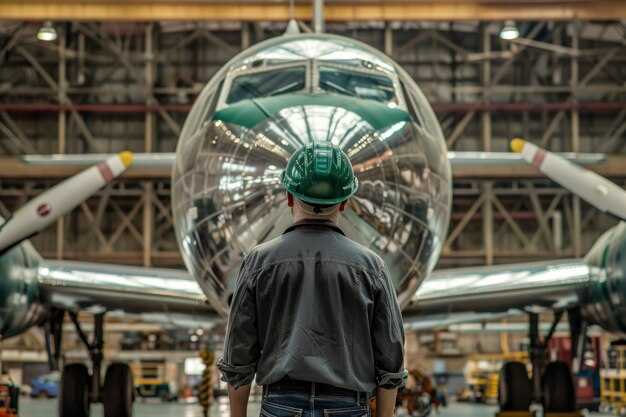
Recommendation: Start with the National Air and Space Museum in Washington, DC, to get a general sense of aviation and space travel. For most visitors, this is where passengers and enthusiasts alike get a clear overview, thanks to a curated flow that moves you down the Mall from relics of the early days to milestones of the modern era. theres no need to rush a first visit; you dont want to miss details. Read labels designed for a broad audience so you can absorb the scale and context without feeling overwhelmed.
Next, head to the Steven F. Udvar-Hazy Center near Dulles International Airport. This vast hangar surrounds a rotating treasure trove of airliners and space hardware, and it is a dedicated space for hands-on exploration. Space Shuttle Discovery greets you as soon as you walk in, and multiple galleries let you compare cockpit layouts across eras. If you bring a friend like zach, when you arrive you’ll stay engaged longer and spot details you might miss alone. This stop should be on every AvGeek list for a full immersion into postwar aviation and space technology.
In Europe, Imperial War Museum Duxford offers a compact, dense look at aviation history within a working airfield. The east of England location puts it within reach for a day trip from London, while the collection spans propeller craft to jet age relics. 大多数游客 appreciate how the exhibits are presented with practical explanations that turn complex technology into human stories.
Le Bourget’s Musée de l’Air et de l’Espace near Paris adds a continental angle to your list. The site sits near the airfield and blends 遗物 with modern displays focused on civil aviation and space travel. The exhibition is surrounded by architectural spaces that invite you to consider the people who built the machines–engineers, pilots, and crews–rather than focusing on hardware alone.
The Museum of Flight in Seattle rounds out the set with a strong emphasis on the global network of air travel. Its campus hosts a broad aircraft collection, interactive simulators, and space hardware displays that explain why modern passengers expect comfort, safety, and reliability. Most enthusiasts finish with a hands-on simulator session and then plan a return visit to compare new exhibits with what they saw on previous trips.
AvGeek Travel Guide: Top 5 Aviation Museums & 3 Jets in Ohrid
Start with the national Aviation Heritage Center at Ohrid Airport, where a hands-on cockpit, authentic signage, and clear display panels set a solid tone for your day. You can board a replica controls section, compare layouts across eras, and enjoy an educational intro to the evolution of local flight that still feels fresh. This first stop guides you toward future discoveries and helps you map a comfortable path onto the rest of the itinerary.
Museum 1: Ohrid Airport Heritage Hangar – this compact, lively space sits right beside the runway and highlights planes that once served regional routes. You’ll see a classic prop airliner, a tail-dragger revival, and a small simulator booth. The layout emphasizes how routes over the lake connected communities, and the staggered displays let you move from frame to frame without crowding the floor.
Museum 2: Lakefront Aviation Gallery – a privately funded venue presenting a curated mix of mid-century jets and training aircraft. Expect a state-of-the-art touch screen station, a life-size mock cockpit, and a gallery that explains the shift from prop to jet power without overcomplicating the narrative. Edutainment stations invite you to toggle the throttle in a safe, educational setting and connect each display to the broader national and international networks; some panels even note Korean contributions to navigation technologies, adding texture without slowing you down. The collection still draws visitors who want a concise, meaningful overview of how aviation arrived at today’s formats.
Museum 3: Skopje National Aviation Museum – the country’s largest collection spans piston transports to early jets, with more than 10 airframes on view. You’ll find a dedicated hands-on area for kids and adults, an outdoor display of a training jet, and guided routes that showcase how regional airpower evolved. A well-marked simulator lets you feel the acceleration before you step back onto the pavement, linking national history with practical, graspable concepts for plane enthusiasts of all ages.
Museum 4: Struga Air History Gallery – smaller but dense, this venue concentrates on local pilots and lake-side routes that still influence contemporary flights. Expect oral histories, period uniforms, and a quick comparison between fuel efficiency then and now. The staff tailor short, focused visits that fit into a lakeside stroll, proving nothing distracts from the core stories and the atmosphere stays relaxed for a casual afternoon.
Museum 5: Bitola Flight Heritage Center – a cross-border program that connects Ohrid with Bitola’s regional air heritage. Look for archival photo panels, a compact flight simulator, and rotating exhibits on design trends that mirror the broader evolution of aviation technology across the Balkans. The venue encourages a clear narrative arc from early days to the latest developments, making it easy to plan a logical sequence for your day.
Three Jets in Ohrid you can approach up close: a supersonic trainer from the late Cold War era, a mid-century passenger jet with a roomy cabin, and a compact regional jet from the 1990s. You can board aboard each unit, read the placards, and imagine life aboard different eras. If you’re pressed for time, please start with the supersonic trainer to feel the adrenaline and then move onto the passenger and regional jets for the full spectrum–onto the tarmac and into the stories behind every rivet.
Planning tips: grab a combined pass to cover all five venues; check hours in advance and book timed slots if possible. If you’re arriving from Alaska or planning a multi-city route, a connection through Singapore can make the journey smoother and give you a chance to unwind at a Toplice spa town afterward. Consider a short lease on an audio guide to deepen the experience without slowing you down, and bring a flexible attitude–somday you’ll compare this national collection with other regional exhibits and notice how nothing stays still in aviation evolution. Please note that direct transfer options exist from a few gateways, but the core experiences stand strong without complicating your day’s flow.
Plan your visit: best order to cover the five museums and save time
Begin at Le Bourget Air and Space Museum in Paris and then proceed westward to Imperial War Museum Duxford near Cambridge, followed by Deutsches Museum in Munich, then Smithsonian National Air and Space Museum in Washington, DC, and finish at The Museum of Flight in Seattle. This order minimizes backtracking and makes efficient use of cross‑country legs while keeping a logical progression from historic origins to state‑of‑the‑art flying technology.
Travel between each stop works best when you book timed entries in advance and pair each visit with a concise plan: 2.5 to 3 hours on site, plus 60 to 120 minutes for transit or layovers. On the day you move between museums, aim for morning or late-afternoon slots to catch lighter crowds and better photo opportunities. Buy a multi‑museum pass where available to skip lines and save time, and map your route to cover the main collection blocks with minimal backtracking.
Le Bourget: start with the educational core and a hands‑on vibe The Paris site blends historic aircraft with modern simulators and a vivid exploration of air transport from early pioneers to today’s jets. Focus on the flying heritage floor, the bomber and fighter displays, and the factory‑visible workshops where restoration teams explain how a machine becomes a museum piece. Pack a single pass through the perimeter to see the most iconic items, then pause for photos by the lakefront gardens outside the wing. This first stop sets the tempo for a smooth, immersive day without rushing.
Duxford: glide into compact, immersive tracks The Cambridge site concentrates a high‑density collection in walkable zones, so you can cover more ground with fewer steps between hangars. Prioritize the state‑of‑the‑art cockpits and the big‑ticket aircraft that shaped aviation history. If you want a quick stop, stroll the outdoor display lines and note the nice balance between preserved airframes and interactive exhibits, then move on to the next city with momentum intact for your feet and your camera. Expect an exploration that rewards steady pacing and steady focus on what matters most to your collection mind.
Munich: depth without overload In Munich you’ll find a comprehensive aviation and technology collection, where a tight route helps you absorb the best pieces without wandering. Target the core aircraft, the engineering milestones, and the era‑defining bombers that illustrate broader technics and factory workflows. Keep photos concise and mark a couple of favorite pieces to revisit later in your notes. A well‑planned perimeter walk will keep you from overextending while still soaking up the educational impact of the exhibits.
Washington, DC: condensed, high‑impact exhibits The National Air and Space Museum concentrates many high‑value vessels under one roof, so plan your last US stop around the highlights you don’t want to miss. Map your route to cover the cornerstone collections–spaceflight alongside aviation–and earmark a few moments for hands‑on simulators or immersive media. With careful timing you’ll walk away with a set of sharp photos and a clear understanding of what state‑of‑the‑art aviation looked like in different eras, without fatigue setting in.
Seattle: a strong finish with a broad overview The Museum of Flight rounds out your loop with a wide‑ranging collection that covers everything from early aviators to modern flying machines. Use the perimeter layout to balance indoor galleries and outdoor displays, and save the best look‑ups for last to maximize your exploration. The tempo here lends itself to a relaxed finale where you can reflect on the journey, make notes, and fill in any gaps in your collection story before you head home.
Tips to optimize the experience: plan daylight windows for each stop to take advantage of natural light for good photos, carry a compact bag to keep essentials handy, and pace yourself with short stops to discuss what you’ve seen between exhibits. If you’re chasing a “someday” goal of visiting all five, this order helps you build momentum, avoid long backtracks, and keep your feet comfortable while moving between state‑of‑the‑art galleries and educational stops. As you proceed, you’ll notice how each stop connects to the next and how the overall exploration becomes more than the sum of its parts.
Make the most of amenities at each site: cafés for quick lunches, restrooms near main halls, and gift shops where you can grab a keepsake to remind you of the day. Plan a couple of short stops away from the busiest rooms to recharge, especially after a long flight or train ride. With this sequence, you’ll experience a cohesive arc from historic to modern, maximize time between venues, and capture memorable photos without feeling rushed. Someday you’ll look back and say you nailed the logistics, the views, and the learning in one smooth, gratifying journey.
What to see: must-see aircraft and exhibits at each museum
Smithsonian National Air and Space Museum, Washington, DC Begin with the Apollo 11 Command Module and the Spirit of St. Louis, then view the Wright Flyer to feel the birth of flight. This experience combines original airframes with interactive simulators that put you in the cockpit and let you compare early controls with modern fly-by-wire systems. You’ll see wings and fuselages that show how pilots progressed from open cockpits to pressurized cabins, with wings hanging in display cases for close inspection. The cards explain each artifact, and you can transition from the airport corridor into a broader view of aviation’s impact on daily life, including spaceflight and the role of the carrier in connecting regions. They show how engineers solved problems as aviation evolved.
National Museum of the United States Air Force, Dayton The Enola Gay anchors the collection, alongside X-15 and SR-71 exhibits that highlight speed and altitude. They illustrate how materials, aerodynamics, and policy converged to propel aviation forward. You can walk around historical vehicles and step into a cockpit for a hands-on comparison with modern jets. The cards tell the stories behind each artifact, and the view from the ground shows how an assembly line turned flight ideas into reachable aircraft for the battlefield and beyond. This isnt just a museum display–it’s a record of pilots who pushed boundaries.
Imperial War Museum Duxford, UK The Concorde sits beside a lineup of classic fighters, bombers, and training aircraft that illustrate the rapid evolution of performance. They recreate airfield life with a control-tower vignette and a runway-side viewing deck, where you can follow a taxiing aircraft and imagine the noise of takeoff. The collection includes vehicles and ground equipment that supported flight operations, plus interactive displays on carrier aviation shaped by war and peace. A short hike around the grounds reveals painted backdrops with mountains in the distance, giving a sense of scale as you compare cockpit layouts.
Musée de l’Air et de l’Espace, Paris In paris, Le Bourget hosts the Concorde exhibit with Caravelle airliners and early propeller planes that trace the thread from wings to jetliners. They combine aviation and spaceflight displays, with simulators and a timeline showing the assembly and evolution of aircraft used for global travel and exploration. From the terrace you gain a view of the airfield and the runway, while the shop offers cards and posters celebrating flight. It isnt just a gallery–it’s a window into Parisian aviation heritage and the way innovation changed how people travel.
Canada Aviation and Space Museum, Ottawa The CF-105 Arrow is the centerpiece, with a full restoration visible behind glass and a gallery on Canadian airpower history. They offer a hands-on experience with cockpit simulators and a range of vehicles from transport planes to training aircraft. You’ll see how aviation moved from piston engines to jets, with artifacts that illustrate the carrier role in Canada’s missions. Along the way you’ll find cards summarizing milestones, and the outdoor display and runway area provide a steady view of how pilots and engineers keep advancing the craft.
Photo and video tips: capturing cockpit shots and rare details
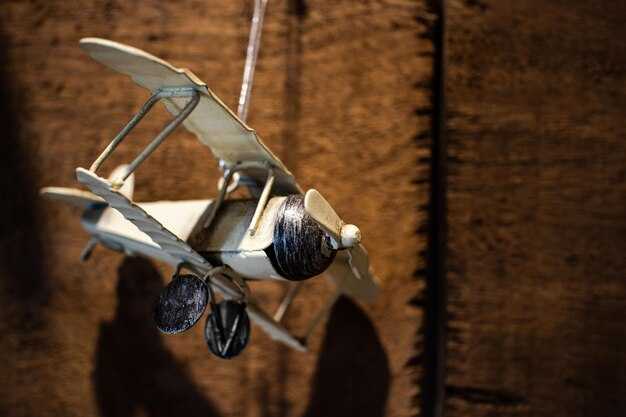
Ask staff to have the cockpit door opened for a brief supervised tour; when access is granted, shoot a still frame of the instrument panel with a stabilized 35mm lens.
明智地选择光线:清晨或傍晚的光线柔和,是理想选择,能最大限度地减少反射,并展现表盘的纹理。.
构图时将驾驶舱元素混合呈现:包括座椅、驾驶盘、油门象限和仪表盘;捕捉面板周围的范围,以确定观看者的位置。.
记录细微之处:文物、标牌和书面标签;特写镜头与广角镜头相辅相成,讲述飞机的历史。.
拍摄各种主题的照片:民用客机的驾驶舱、军用战斗机的驾驶舱以及直升机;包括内部和外部环境,以展现多样性。.
在洛杉矶地区景点附近规划外景拍摄;在该景点周围进行短途徒步环线,可以拍摄到以天空为背景的引人注目的飞机照片。.
拍摄时,请体谅游客和工作人员;认真思考规模和背景,以便您的镜头能够清晰地呈现。.
在家时,在每个画面旁快速记下笔记,以便形成连贯的游览记录,并使后续编辑更加顺畅。.
| 拍摄想法 | 推荐设置 | Notes |
|---|---|---|
| 座舱面板特写 | f/4, 1/125 秒, ISO 200 | 尽量减少反光;如果可以,使用独脚架来稳定相机。 |
| 轭和就座对 | f/5.6,1/80 秒,ISO 320 | 展示手部位置和座位对齐方式以提供上下文 |
| 仪表和刻度盘微距 | f/3.5,1/60秒,ISO 400 | 聚焦于具有浅景深的中央仪表盘 |
| 飞机外部环境 | 1/200秒, f/7.1, ISO 100 | 捕捉天空、标牌和整体轮廓 |
| 原位标牌或文物特写 | f/4.5, 1/125秒, ISO 400 | 突出显示书面细节,讲述飞机的来历 |
奥赫里德体验:你可以预订的三次近距离喷气机相遇
预订三次邂逅套票,近距离感受引擎的轰鸣,并在一个下午覆盖三个角度。.
您将从跑道区域边缘开始,沿着一条紧凑的路线设有三个标记点,导游会在您从安全指定地点观察时分享相关背景和历史。.
-
遭遇 1:洛克希德驾驶舱特写 – 位于主跑道边缘,本次体验让您置身于一架修复后的洛克希德教练机内,从前排视角欣赏驾驶舱。.
- 仔细观察仪表盘、油门象限和座舱盖;您将听到有关这架飞机的简明历史,以及它如何在训练中飞行。.
- 令人印象深刻的细节包括那个时代特有的控制方式,以及在服役期间支持起降的方式。.
- 实用信息:预计现场约25分钟,外加简短的问答环节;请穿着舒适的鞋子,并携带一件轻便外套。.
-
遭遇 2:跑道边缘演示和近距离检查 – 在跑道沿线的指定观看区安全观看模拟着陆过程的直播。.
- 观看喷气式飞机加速,越过齿轮顶端,并以受控模式着陆;该指南解释了进近期间的速度和所受的力。.
- 即使在较凉爽的日子里,演示活动也会在有遮盖的区域进行,让您始终近距离观看。.
- 提示:提早到达,站在最有利的围栏点,并利用围栏上的停顿点来构图拍照。.
-
遭遇 3:联合传承航空与克罗地亚背景 – 一次紧凑的画廊之旅,重点展示了外国和国内时代的喷气式飞机,并清晰地参考了区域航空历史。.
- 近距离观赏轰炸机时代的教练机和先进喷气式飞机,深入了解这些机器的飞行原理以及它们如何在繁忙的机场上组装。.
- 在三个关键的模型停留点停下来比较机身、起落架和座舱布局,然后在专门的视线点完成照片拍摄,留下难忘的瞬间。.
- 旅游须知:黄昏时分的光线极佳,能更好地衬托出轮廓;最后,您将收到一张纪念照片,导游会解答关于安全问题的常见疑问。.
实用物流:时间、门票、可达性,以及各场馆之间的交通
提前在网上预订各个博物馆的定时门票,并在预约时段前15分钟到达,以确保顺利入场,最大限度地利用展览时间。对于乘客和希望轻松出行旅游爱好者,请提前规划好参观顺序,并预留10-20分钟的换乘缓冲时间。.
通常开放时间为9:00–17:00,周末可能会延长;前往参观前务必确认官方网站上的信息,以了解季节性闭馆情况。成人票价通常在12至25欧元之间,学生、老年人和儿童有折扣;许多博物馆提供套票或多景点联票,可以节省约15–20%的费用,并且可以在网上购买。如果您要参观第二个场馆,请规划好路线,并使用清晰的地图前往下一站,以最大限度地减少停留时间。.
所有主要景点都力求靠近市中心,方便游客参观:无障碍入口、坡道、电梯、宽敞的通道以及展厅内的座位。在机库内,确保有通往机舱和驾驶舱的无障碍通道;工作人员可以协助在展出飞机附近的楼梯上行走,并为行动不便的乘客提供附近的步行器或轮椅停车位。如果您携带婴儿车或轮椅旅行,请检查电梯当天是否运行以及展品的高度(以米为单位),以便估算可达范围。.
往返于各场馆之间,可依赖城市公共交通:地铁或电车线路通常连接博物馆区,发车间隔一般为 5-15 分钟。对于城市间的跳转,区域铁路或特快巴士是高效的选择;规划至少 60-90 分钟的场馆间隙,以预留排队、安检和停车的时间。不要强迫连续参观多个场馆;留出缓冲时间。在相邻站点之间步行时,请以米为单位测量距离,以设定现实的期望值——在紧凑的博物馆区,200-800 米很常见。在多个场馆之间移动时,请使用单张交通卡,并考虑返回驻地休息后再前往下一站。.
寻找sr-71黑鸟,这是一件核心展品,展示了洛克希德公司的发展背景和规模;标牌解释了机舱布局和驾驶舱仪表,这是一个令人印象深刻、叹为观止的飞机工程实例。飞机位于各个机库附近,并靠近互动显示屏,吸引了广大观众。如果您还访问克罗地亚,您会发现一些区域性场所,那里有关于当地航空飞行器的品牌故事,以及一些沉浸式、动手的展览,让游客能够深入了解航空历史。.