


 O‘zbekcha
  English (UK)
  Русский
  বাংলা
বাংলা  العربية
  日本語
日本語  한국어
한국어  Magyar
  Norsk nynorsk
  Türkçe
  עִבְרִית
  Español
  Čeština
  Svenska
  Português
  Ελληνικά
  Suomi
Suomi  Nederlands
  Română
  Italiano
  Français
  Polski
  Українська
  Deutsch
  简体中文
简体中文  Slovenčina
  Српски језик
  اردو
اردو  Azərbaycan dili
  አማርኛ
አማርኛ 
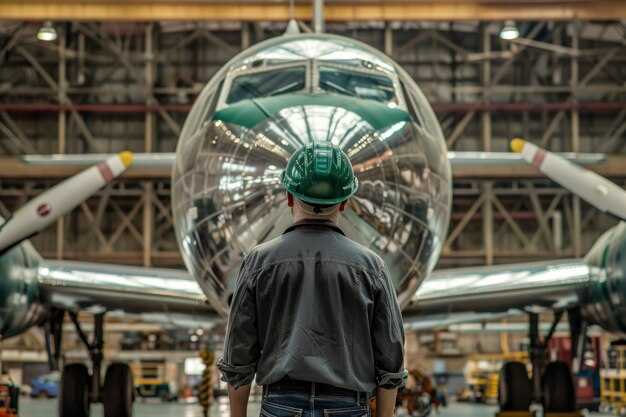
Recommendation: Start with the National Air and Space Museum in Washington, DC, to get a general sense of aviation and space travel. For most visitors, this is where passengers and enthusiasts alike get a clear overview, thanks to a curated flow that moves you down the Mall from relics of the early days to milestones of the modern era. theres no need to rush a first visit; you dont want to miss details. Read labels designed for a broad audience so you can absorb the scale and context without feeling overwhelmed.
Next, head to the Steven F. Udvar-Hazy Center near Dulles International Airport. This vast hangar surrounds a rotating treasure trove of airliners and space hardware, and it is a dedicated space for hands-on exploration. Space Shuttle Discovery greets you as soon as you walk in, and multiple galleries let you compare cockpit layouts across eras. If you bring a friend like zach, when you arrive you’ll stay engaged longer and spot details you might miss alone. This stop should be on every AvGeek list for a full immersion into postwar aviation and space technology.
In Europe, Imperial War Museum Duxford offers a compact, dense look at aviation history within a working airfield. The east of England location puts it within reach for a day trip from London, while the collection spans propeller craft to jet age relics. Most visitors appreciate how the exhibits are presented with practical explanations that turn complex technology into human stories.
Le Bourget’s Musée de l’Air et de l’Espace near Paris adds a continental angle to your list. The site sits near the airfield and blends relikviyalar with modern displays focused on civil aviation and space travel. The exhibition is surrounded by architectural spaces that invite you to consider the people who built the machines–engineers, pilots, and crews–rather than focusing on hardware alone.
The Museum of Flight in Seattle rounds out the set with a strong emphasis on the global network of air travel. Its campus hosts a broad aircraft collection, interactive simulators, and space hardware displays that explain why modern passengers expect comfort, safety, and reliability. Most enthusiasts finish with a hands-on simulator session and then plan a return visit to compare new exhibits with what they saw on previous trips.
AvGeek Travel Guide: Top 5 Aviation Museums & 3 Jets in Ohrid
Start with the national Aviation Heritage Center at Ohrid Airport, where a hands-on cockpit, authentic signage, and clear display panels set a solid tone for your day. You can board a replica controls section, compare layouts across eras, and enjoy an educational intro to the evolution of local flight that still feels fresh. This first stop guides you toward future discoveries and helps you map a comfortable path onto the rest of the itinerary.
Museum 1: Ohrid Airport Heritage Hangar – this compact, lively space sits right beside the runway and highlights planes that once served regional routes. You’ll see a classic prop airliner, a tail-dragger revival, and a small simulator booth. The layout emphasizes how routes over the lake connected communities, and the staggered displays let you move from frame to frame without crowding the floor.
Museum 2: Lakefront Aviation Gallery – a privately funded venue presenting a curated mix of mid-century jets and training aircraft. Expect a state-of-the-art touch screen station, a life-size mock cockpit, and a gallery that explains the shift from prop to jet power without overcomplicating the narrative. Edutainment stations invite you to toggle the throttle in a safe, educational setting and connect each display to the broader national and international networks; some panels even note Korean contributions to navigation technologies, adding texture without slowing you down. The collection still draws visitors who want a concise, meaningful overview of how aviation arrived at today’s formats.
Museum 3: Skopje National Aviation Museum – the country’s largest collection spans piston transports to early jets, with more than 10 airframes on view. You’ll find a dedicated hands-on area for kids and adults, an outdoor display of a training jet, and guided routes that showcase how regional airpower evolved. A well-marked simulator lets you feel the acceleration before you step back onto the pavement, linking national history with practical, graspable concepts for plane enthusiasts of all ages.
Museum 4: Struga Air History Gallery – smaller but dense, this venue concentrates on local pilots and lake-side routes that still influence contemporary flights. Expect oral histories, period uniforms, and a quick comparison between fuel efficiency then and now. The staff tailor short, focused visits that fit into a lakeside stroll, proving nothing distracts from the core stories and the atmosphere stays relaxed for a casual afternoon.
Museum 5: Bitola Flight Heritage Center – a cross-border program that connects Ohrid with Bitola’s regional air heritage. Look for archival photo panels, a compact flight simulator, and rotating exhibits on design trends that mirror the broader evolution of aviation technology across the Balkans. The venue encourages a clear narrative arc from early days to the latest developments, making it easy to plan a logical sequence for your day.
Three Jets in Ohrid you can approach up close: a supersonic trainer from the late Cold War era, a mid-century passenger jet with a roomy cabin, and a compact regional jet from the 1990s. You can board aboard each unit, read the placards, and imagine life aboard different eras. If you’re pressed for time, please start with the supersonic trainer to feel the adrenaline and then move onto the passenger and regional jets for the full spectrum–onto the tarmac and into the stories behind every rivet.
Planning tips: grab a combined pass to cover all five venues; check hours in advance and book timed slots if possible. If you’re arriving from Alaska or planning a multi-city route, a connection through Singapore can make the journey smoother and give you a chance to unwind at a Toplice spa town afterward. Consider a short lease on an audio guide to deepen the experience without slowing you down, and bring a flexible attitude–somday you’ll compare this national collection with other regional exhibits and notice how nothing stays still in aviation evolution. Please note that direct transfer options exist from a few gateways, but the core experiences stand strong without complicating your day’s flow.
Plan your visit: best order to cover the five museums and save time
Begin at Le Bourget Air and Space Museum in Paris and then proceed westward to Imperial War Museum Duxford near Cambridge, followed by Deutsches Museum in Munich, then Smithsonian National Air and Space Museum in Washington, DC, and finish at The Museum of Flight in Seattle. This order minimizes backtracking and makes efficient use of cross‑country legs while keeping a logical progression from historic origins to state‑of‑the‑art flying technology.
Travel between each stop works best when you book timed entries in advance and pair each visit with a concise plan: 2.5 to 3 hours on site, plus 60 to 120 minutes for transit or layovers. On the day you move between museums, aim for morning or late-afternoon slots to catch lighter crowds and better photo opportunities. Buy a multi‑museum pass where available to skip lines and save time, and map your route to cover the main collection blocks with minimal backtracking.
Le Bourget: start with the educational core and a hands‑on vibe The Paris site blends historic aircraft with modern simulators and a vivid exploration of air transport from early pioneers to today’s jets. Focus on the flying heritage floor, the bomber and fighter displays, and the factory‑visible workshops where restoration teams explain how a machine becomes a museum piece. Pack a single pass through the perimeter to see the most iconic items, then pause for photos by the lakefront gardens outside the wing. This first stop sets the tempo for a smooth, immersive day without rushing.
Duxford: glide into compact, immersive tracks The Cambridge site concentrates a high‑density collection in walkable zones, so you can cover more ground with fewer steps between hangars. Prioritize the state‑of‑the‑art cockpits and the big‑ticket aircraft that shaped aviation history. If you want a quick stop, stroll the outdoor display lines and note the nice balance between preserved airframes and interactive exhibits, then move on to the next city with momentum intact for your feet and your camera. Expect an exploration that rewards steady pacing and steady focus on what matters most to your collection mind.
Munich: depth without overload In Munich you’ll find a comprehensive aviation and technology collection, where a tight route helps you absorb the best pieces without wandering. Target the core aircraft, the engineering milestones, and the era‑defining bombers that illustrate broader technics and factory workflows. Keep photos concise and mark a couple of favorite pieces to revisit later in your notes. A well‑planned perimeter walk will keep you from overextending while still soaking up the educational impact of the exhibits.
Washington, DC: condensed, high‑impact exhibits The National Air and Space Museum concentrates many high‑value vessels under one roof, so plan your last US stop around the highlights you don’t want to miss. Map your route to cover the cornerstone collections–spaceflight alongside aviation–and earmark a few moments for hands‑on simulators or immersive media. With careful timing you’ll walk away with a set of sharp photos and a clear understanding of what state‑of‑the‑art aviation looked like in different eras, without fatigue setting in.
Seattle: a strong finish with a broad overview The Museum of Flight rounds out your loop with a wide‑ranging collection that covers everything from early aviators to modern flying machines. Use the perimeter layout to balance indoor galleries and outdoor displays, and save the best look‑ups for last to maximize your exploration. The tempo here lends itself to a relaxed finale where you can reflect on the journey, make notes, and fill in any gaps in your collection story before you head home.
Tips to optimize the experience: plan daylight windows for each stop to take advantage of natural light for good photos, carry a compact bag to keep essentials handy, and pace yourself with short stops to discuss what you’ve seen between exhibits. If you’re chasing a “someday” goal of visiting all five, this order helps you build momentum, avoid long backtracks, and keep your feet comfortable while moving between state‑of‑the‑art galleries and educational stops. As you proceed, you’ll notice how each stop connects to the next and how the overall exploration becomes more than the sum of its parts.
Make the most of amenities at each site: cafés for quick lunches, restrooms near main halls, and gift shops where you can grab a keepsake to remind you of the day. Plan a couple of short stops away from the busiest rooms to recharge, especially after a long flight or train ride. With this sequence, you’ll experience a cohesive arc from historic to modern, maximize time between venues, and capture memorable photos without feeling rushed. Someday you’ll look back and say you nailed the logistics, the views, and the learning in one smooth, gratifying journey.
What to see: must-see aircraft and exhibits at each museum
Smithsonian National Air and Space Museum, Washington, DC Begin with the Apollo 11 Command Module and the Spirit of St. Louis, then view the Wright Flyer to feel the birth of flight. This experience combines original airframes with interactive simulators that put you in the cockpit and let you compare early controls with modern fly-by-wire systems. You’ll see wings and fuselages that show how pilots progressed from open cockpits to pressurized cabins, with wings hanging in display cases for close inspection. The cards explain each artifact, and you can transition from the airport corridor into a broader view of aviation’s impact on daily life, including spaceflight and the role of the carrier in connecting regions. They show how engineers solved problems as aviation evolved.
National Museum of the United States Air Force, Dayton The Enola Gay anchors the collection, alongside X-15 and SR-71 exhibits that highlight speed and altitude. They illustrate how materials, aerodynamics, and policy converged to propel aviation forward. You can walk around historical vehicles and step into a cockpit for a hands-on comparison with modern jets. The cards tell the stories behind each artifact, and the view from the ground shows how an assembly line turned flight ideas into reachable aircraft for the battlefield and beyond. This isnt just a museum display–it’s a record of pilots who pushed boundaries.
Imperial War Museum Duxford, UK The Concorde sits beside a lineup of classic fighters, bombers, and training aircraft that illustrate the rapid evolution of performance. They recreate airfield life with a control-tower vignette and a runway-side viewing deck, where you can follow a taxiing aircraft and imagine the noise of takeoff. The collection includes vehicles and ground equipment that supported flight operations, plus interactive displays on carrier aviation shaped by war and peace. A short hike around the grounds reveals painted backdrops with mountains in the distance, giving a sense of scale as you compare cockpit layouts.
Musée de l’Air et de l’Espace, Paris In paris, Le Bourget hosts the Concorde exhibit with Caravelle airliners and early propeller planes that trace the thread from wings to jetliners. They combine aviation and spaceflight displays, with simulators and a timeline showing the assembly and evolution of aircraft used for global travel and exploration. From the terrace you gain a view of the airfield and the runway, while the shop offers cards and posters celebrating flight. It isnt just a gallery–it’s a window into Parisian aviation heritage and the way innovation changed how people travel.
Canada Aviation and Space Museum, Ottawa The CF-105 Arrow is the centerpiece, with a full restoration visible behind glass and a gallery on Canadian airpower history. They offer a hands-on experience with cockpit simulators and a range of vehicles from transport planes to training aircraft. You’ll see how aviation moved from piston engines to jets, with artifacts that illustrate the carrier role in Canada’s missions. Along the way you’ll find cards summarizing milestones, and the outdoor display and runway area provide a steady view of how pilots and engineers keep advancing the craft.
Photo and video tips: capturing cockpit shots and rare details
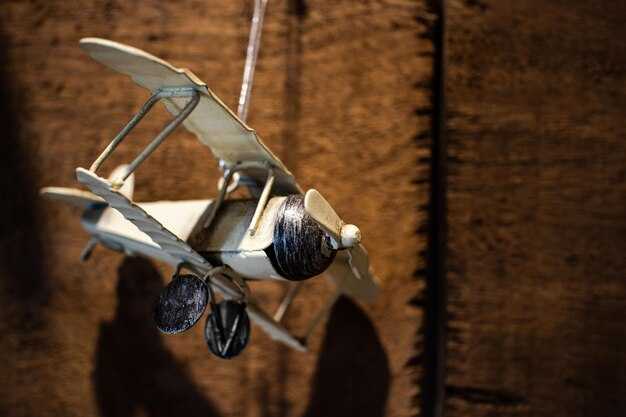
Xodimlardan kokpit eshigini qisqa muddatli nazorat ostidagi ekskursiya uchun ochishni so'rang; ruxsat olingandan so'ng, barqarorlashtirilgan 35 mm linza bilan asboblar panelining suratini oling.
Yoritishni oqilona tanlang: erta tong yoki kechqurun ideal, yumshoq yorug'lik akslanishni kamaytiradi va terish tuzilishini ochib beradi.
Kokpit elementlarining aralashmasini tasvirlang: o'rindiqlar, boshqaruv shturvallari, gaz sektorlari va asboblar paneli; tomoshabinni joylashtirish uchun panel atrofidagi perimetrni suratga oling.
Mayda detallarni hujjatlashtiring: yodgorliklar, plakatlar va yozma yorliqlar; yaqin kadrlarni kengroq tasvirlar bilan toʻldiring va samolyot tarixini soʻzlab bering.
Fuqarolik avialaynerlari kokpitlari, harbiy qiruvchi samolyotlar kokpitlari va vertolyotlarning turli xilligini ko'rsatish uchun ichki va tashqi kontekstni o'z ichiga olgan holda, fotosuratga oling.
Anjeles hududidagi diqqatga sazovor joy yaqinida tashqi burchaklarni rejalashtiring; sayt atrofidagi qisqa yurish aylanishi osmonga qarshi samolyotlarning hayratlanarli portretlarini yaratadi.
Suratga olish jarayonida tashrif buyuruvchilar va operatorlarga nisbatan e'tiborli bo'ling; kadrlaringiz aniq o'qilishi uchun o'lcham va kontekst haqida yaxshilab o'ylab ko'ring.
Uyga qaytgach, yaxlit tur jurnalini yuritish va keyingi tahrirlarni osonlashtirish uchun har bir kadrga tezkor eslatma qo'shib boring.
| Kadr uchun g'oya | Tavsiya etiladigan sozlamalar | Eslatmalar |
|---|---|---|
| Kokpit panelining yaqin ko'rinishi | f/4, 1/125s, ISO 200 | Akslarni kamaytiring; imkoni bo'lsa, kamerani monopodga mahkamlang. |
| Boʻyinturuq va oʻrindiq juftligi | f/5.6, 1/80s, ISO 320 | Qo'l holatlarini va o'rindiqlarning joylashishini kontekst uchun ko'rsating |
| O‘lchov asboblari va ko‘rsatkichlar makrosi | f/3.5, 1/60s, ISO 400 | Markaziy o'lchov asbobiga, kichik fokus chuqurligiga e'tibor qarating |
| Samolyotning tashqi ko'rinishi | 1/200s, f/7.1, ISO 100 | Osmonni, yozuvlarni va umumiy qiyofani suratga oling |
| Joyida o‘rnatilgan plakatlar yoki artefaktning yaqin kadri | f/4.5, 1/125s, ISO 400 | Samolyotning hikoyasini aytib beruvchi yozma tafsilotlarni ta'kidlang. |
Ohrid tajribasi: Siz buyurtma berishingiz mumkin bo'lgan uchta yaqin reaktiv uchrashuvi
Uchta uchrashuvdan iborat paketga buyurtma bering va yaqin masofadan g'uvillashni his qiling va bir tushdan keyin uchta rakursni qamrab oling.
Siz uchta belgilangan nuqta bo'ylab ixcham marshrut bo'ylab uchish-qo'nish yo'lagi hududining chetidan boshlaysiz, bu yerda gid siz xavfsiz, belgilangan joylardan kuzatar ekansiz, kontekst va tarix bilan bo'lishadi.
-
Uchrashuv 1: Lockheed kokpitining yaqin kadri – asosiy uchish-qo‘nish yo‘lagining chetida joylashgan ushbu mashg‘ulot sizni qayta tiklangan Lockheed o‘quv samolyoti ichida, kokpitning old qatorida o‘tirish imkoniyatini beradi.
- Asboblar paneli, gaz sektori va qoplamani diqqat bilan o'rganib chiqsangiz, siz samolyotning qisqacha tarixini va uning o'quv rollarida qanday uchganini eshitasiz.
- Eʼtiborga molik tafsilotlar orasida davrga xos boshqaruv elementlari va xizmat vaqtida qo‘nish va uchishlarni qo‘llab-quvvatlovchi usullar bor.
- Amaliy: joyida taxminan 25 daqiqa, qo'shimcha qisqa savol-javob uchun tayyor bo'ling; qulay poyabzal kiying va yengil kurtka oling.
-
Uchrashuv 2: Uchish-qo‘nish yo‘lagi chetidagi demo va yaqindan ko‘rik – uchish yoʻlagi boʻylab belgilangan kuzatuv joyidan simulyatsiya qilingan qoʻnish ketma-ketligini jonli va xavfsiz tarzda kuzatish.
- Jetning tezlashishini, tishli g'ildirakdan o'tishini va boshqariladigan tartibda qo'nishini tomosha qiling; qo'llanma tezliklar va yaqinlashish vaqtida yuzaga keladigan kuch haqida tushuntiradi.
- Salqin kunlarda ham namoyish yopiq joylarda davom etadi, shuning uchun voqealarga yaqin bo'lasiz.
- Maslahatlar: erta keling, eng qulay devor nuqtalarida turing va fotosuratlarni kadrlash uchun devor bo'ylab to'xtash joylaridan foydalaning.
-
3-uchrashuv: Qoʻshma meros jetlari Xorvatiya kontekstida – xorijiy va mahalliy davr reaktiv samolyotlarini yoritib beruvchi ixcham galereya sayohati, mintaqaviy aviatsiya tarixiga aniq havolalar bilan.
- Bomberlar davri mashq samolyoti va zamonaviy jetlarni yaqindan ko'ring, bu mashinalar qanday uchgani va ularning qismlari akr maydonlarni qamrab olgan gavjum aerodromlarda qanday yig'ilgani haqida ma'lumot oling.
- Uchta asosiy model to'xtash joyida to'xtab, fyuzelyajlar, uskunalar va kokpit tartiblarini taqqoslang, so'ngra unutilmas surat uchun maxsus ko'rish chizig'ida fotosessiya bilan yakunlang.
- Sayyohlik eslatmasi: shom payti siluetlarni yaxshilaydigan ajoyib yorug'likni taqdim etadi; nihoyat, sizga esdalik uchun surat beriladi va xavfsizlik bo'yicha umumiy savollarga gid javob beradi.
Amaliy logistika: ish vaqti, chiptalar, qulaylik va joylar o'rtasida tranzit
Har bir muzey uchun onlayn tarzda vaqt belgilangan chiptalarni bron qiling va mo'ljallangan vaqtdan 15 daqiqa oldin keling, shunda muammosiz kirishni ta'minlaysiz va eksponatlar bilan vaqtingizni maksimal darajada oshirasiz. Yo'lovchilar va stresssiz kunni xohlovchi sayohat ixlosmandlari uchun, oldindan marshrutni tuzib oling va o'tishlar uchun 10-20 daqiqalik vaqt zaxirasini hisobga oling.
Odatda ish vaqti 9:00–17:00, dam olish kunlari uzaytirilishi mumkin; borishdan oldin doim ob’yektning rasmiy sahifasini tekshirib, mavsumiy yopilishlar haqida bilib oling. Kattalar uchun chiptalar odatda $12 dan $25 gacha, talabalar, pensionerlar va bolalar uchun chegirmalar mavjud; ko'plab muzeylar taxminan 15–20% tejaydigan va onlayn xarid qilish mumkin bo'lgan to'plamli yoki bir nechta joylar uchun chiptalar taklif etadi. Agar siz ikkinchi joyga tashrif buyurayotgan bo'lsangiz, marshrutni rejalashtiring va vaqtni tejash uchun aniq xarita bilan keyingi bekatga o'ting.
Barcha yirik joylar shahar markaziga yaqin joylashgan bo'lishga intiladi: zinapoyasiz kirish joylari, panduslar, liftlar, keng yo'laklar va galereyalarda o'rindiqlar. Angarlar ichida kabina va kokpitlarga qulay yo'llarni ta'minlang; xodimlar ko'rgazmaga qo'yilgan samolyotlar yaqinidagi zinapoyalarga yordam berishi mumkin va harakatlanish imkoniyati cheklangan yo'lovchilar uchun yaqin joyda piyodalar yoki nogironlar aravachalari taklif etiladi. Agar siz bolalar aravachasi yoki nogironlar aravachasi bilan sayohat qilsangiz, liftlarning shu kuni ishlashini va ko'rgazma metrlaridagi balandligini tekshiring, shunda siz qo'lingiz yetadigan joyni baholashingiz mumkin.
Saytlar orasida shahar transportiga tayaning: metro yoki tramvay yo'nalishlari ko'pincha muzey tumanlarini bog'laydi, odatda 5-15 daqiqalik intervallar bilan. Shaharlararo sayohatlar uchun mintaqaviy temir yo'l yoki ekspress avtobuslar samarali variantlarni taklif qiladi; navbatlar, xavfsizlik tekshiruvlari va to'xtash joyini hisobga olgan holda joylar orasida kamida 60-90 daqiqa rejalashtiring. Ketma-ket saytlarga tashrif buyurishga majburlamang; vaqt oralig'ini qoldiring. Yaqin bekatlar orasida yurganingizda, real taxminlarni o'rnatish uchun masofalarni metrlarda o'lchang - 200-800 metr ixcham muzey tumanlarida keng tarqalgan. Bir nechta saytlarda harakatlanayotganda bitta transport kartasidan foydalaning va keyingi bekatga borishdan oldin dam olish uchun uyga qaytishni o'ylab ko'ring.
Lockheed kompaniyasining rivojlanish konteksti va miqyosini namoyish etadigan markaziy qism – sr-71 Blackbird самолётини qidiring; belgilarda kabina tartibi va kokpit asboblari tushuntirilgan, bu aviatsiya muhandisligining hayratlanarli, tomoshabinlarni lol qoldiradigan namunasi. Самолётлар ангарлар boʻylab va keng auditoriyani jalb qiluvchi interaktiv displeylar yaqinida joylashgan. Agar siz Xorvatiyaga ham tashrif buyursangiz, u yerda mahalliy aviatsiya транспорт воситалари haqidagi brend hikoyalari bilan bogʻliq mintaqaviy joylarni va tashrif buyuruvchilarni aviatsiya tarixi haqida chuqurroq tushunchaga ega boʻlishlari uchun jalb qiladigan bir nechta immersiv, amaliy koʻrgazmalarni topasiz.