


 Српски језик
  English (UK)
  Русский
  বাংলা
বাংলা  العربية
  日本語
日本語  한국어
한국어  Magyar
  Norsk nynorsk
  Türkçe
  עִבְרִית
  Español
  Čeština
  Svenska
  Português
  Ελληνικά
  Suomi
Suomi  Nederlands
  Română
  Italiano
  Français
  Polski
  Українська
  Deutsch
  简体中文
简体中文  Slovenčina
  اردو
اردو  Azərbaycan dili
  O‘zbekcha
  አማርኛ
አማርኛ 
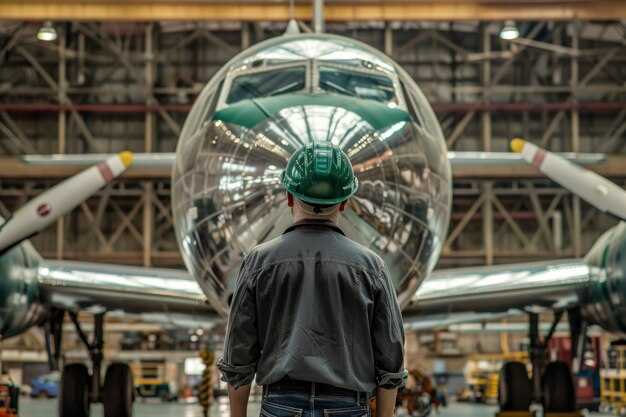
Recommendation: Start with the National Air and Space Museum in Washington, DC, to get a general sense of aviation and space travel. For most visitors, this is where passengers and enthusiasts alike get a clear overview, thanks to a curated flow that moves you down the Mall from relics of the early days to milestones of the modern era. theres no need to rush a first visit; you dont want to miss details. Read labels designed for a broad audience so you can absorb the scale and context without feeling overwhelmed.
Next, head to the Steven F. Udvar-Hazy Center near Dulles International Airport. This vast hangar surrounds a rotating treasure trove of airliners and space hardware, and it is a dedicated space for hands-on exploration. Space Shuttle Discovery greets you as soon as you walk in, and multiple galleries let you compare cockpit layouts across eras. If you bring a friend like zach, when you arrive you’ll stay engaged longer and spot details you might miss alone. This stop should be on every AvGeek list for a full immersion into postwar aviation and space technology.
In Europe, Imperial War Museum Duxford offers a compact, dense look at aviation history within a working airfield. The east of England location puts it within reach for a day trip from London, while the collection spans propeller craft to jet age relics. Most visitors appreciate how the exhibits are presented with practical explanations that turn complex technology into human stories.
Le Bourget’s Musée de l’Air et de l’Espace near Paris adds a continental angle to your list. The site sits near the airfield and blends relics with modern displays focused on civil aviation and space travel. The exhibition is surrounded by architectural spaces that invite you to consider the people who built the machines–engineers, pilots, and crews–rather than focusing on hardware alone.
The Museum of Flight in Seattle rounds out the set with a strong emphasis on the global network of air travel. Its campus hosts a broad aircraft collection, interactive simulators, and space hardware displays that explain why modern passengers expect comfort, safety, and reliability. Most enthusiasts finish with a hands-on simulator session and then plan a return visit to compare new exhibits with what they saw on previous trips.
AvGeek Travel Guide: Top 5 Aviation Museums & 3 Jets in Ohrid
Start with the national Aviation Heritage Center at Ohrid Airport, where a hands-on cockpit, authentic signage, and clear display panels set a solid tone for your day. You can board a replica controls section, compare layouts across eras, and enjoy an educational intro to the evolution of local flight that still feels fresh. This first stop guides you toward future discoveries and helps you map a comfortable path onto the rest of the itinerary.
Museum 1: Ohrid Airport Heritage Hangar – this compact, lively space sits right beside the runway and highlights planes that once served regional routes. You’ll see a classic prop airliner, a tail-dragger revival, and a small simulator booth. The layout emphasizes how routes over the lake connected communities, and the staggered displays let you move from frame to frame without crowding the floor.
Museum 2: Lakefront Aviation Gallery – a privately funded venue presenting a curated mix of mid-century jets and training aircraft. Expect a state-of-the-art touch screen station, a life-size mock cockpit, and a gallery that explains the shift from prop to jet power without overcomplicating the narrative. Edutainment stations invite you to toggle the throttle in a safe, educational setting and connect each display to the broader national and international networks; some panels even note Korean contributions to navigation technologies, adding texture without slowing you down. The collection still draws visitors who want a concise, meaningful overview of how aviation arrived at today’s formats.
Museum 3: Skopje National Aviation Museum – the country’s largest collection spans piston transports to early jets, with more than 10 airframes on view. You’ll find a dedicated hands-on area for kids and adults, an outdoor display of a training jet, and guided routes that showcase how regional airpower evolved. A well-marked simulator lets you feel the acceleration before you step back onto the pavement, linking national history with practical, graspable concepts for plane enthusiasts of all ages.
Museum 4: Struga Air History Gallery – smaller but dense, this venue concentrates on local pilots and lake-side routes that still influence contemporary flights. Expect oral histories, period uniforms, and a quick comparison between fuel efficiency then and now. The staff tailor short, focused visits that fit into a lakeside stroll, proving nothing distracts from the core stories and the atmosphere stays relaxed for a casual afternoon.
Museum 5: Bitola Flight Heritage Center – a cross-border program that connects Ohrid with Bitola’s regional air heritage. Look for archival photo panels, a compact flight simulator, and rotating exhibits on design trends that mirror the broader evolution of aviation technology across the Balkans. The venue encourages a clear narrative arc from early days to the latest developments, making it easy to plan a logical sequence for your day.
Three Jets in Ohrid you can approach up close: a supersonic trainer from the late Cold War era, a mid-century passenger jet with a roomy cabin, and a compact regional jet from the 1990s. You can board aboard each unit, read the placards, and imagine life aboard different eras. If you’re pressed for time, please start with the supersonic trainer to feel the adrenaline and then move onto the passenger and regional jets for the full spectrum–onto the tarmac and into the stories behind every rivet.
Planning tips: grab a combined pass to cover all five venues; check hours in advance and book timed slots if possible. If you’re arriving from Alaska or planning a multi-city route, a connection through Singapore can make the journey smoother and give you a chance to unwind at a Toplice spa town afterward. Consider a short lease on an audio guide to deepen the experience without slowing you down, and bring a flexible attitude–somday you’ll compare this national collection with other regional exhibits and notice how nothing stays still in aviation evolution. Please note that direct transfer options exist from a few gateways, but the core experiences stand strong without complicating your day’s flow.
Plan your visit: best order to cover the five museums and save time
Begin at Le Bourget Air and Space Museum in Paris and then proceed westward to Imperial War Museum Duxford near Cambridge, followed by Deutsches Museum in Munich, then Smithsonian National Air and Space Museum in Washington, DC, and finish at The Museum of Flight in Seattle. This order minimizes backtracking and makes efficient use of cross‑country legs while keeping a logical progression from historic origins to state‑of‑the‑art flying technology.
Travel between each stop works best when you book timed entries in advance and pair each visit with a concise plan: 2.5 to 3 hours on site, plus 60 to 120 minutes for transit or layovers. On the day you move between museums, aim for morning or late-afternoon slots to catch lighter crowds and better photo opportunities. Buy a multi‑museum pass where available to skip lines and save time, and map your route to cover the main collection blocks with minimal backtracking.
Le Bourget: start with the educational core and a hands‑on vibe The Paris site blends historic aircraft with modern simulators and a vivid exploration of air transport from early pioneers to today’s jets. Focus on the flying heritage floor, the bomber and fighter displays, and the factory‑visible workshops where restoration teams explain how a machine becomes a museum piece. Pack a single pass through the perimeter to see the most iconic items, then pause for photos by the lakefront gardens outside the wing. This first stop sets the tempo for a smooth, immersive day without rushing.
Duxford: glide into compact, immersive tracks The Cambridge site concentrates a high‑density collection in walkable zones, so you can cover more ground with fewer steps between hangars. Prioritize the state‑of‑the‑art cockpits and the big‑ticket aircraft that shaped aviation history. If you want a quick stop, stroll the outdoor display lines and note the nice balance between preserved airframes and interactive exhibits, then move on to the next city with momentum intact for your feet and your camera. Expect an exploration that rewards steady pacing and steady focus on what matters most to your collection mind.
Munich: depth without overload In Munich you’ll find a comprehensive aviation and technology collection, where a tight route helps you absorb the best pieces without wandering. Target the core aircraft, the engineering milestones, and the era‑defining bombers that illustrate broader technics and factory workflows. Keep photos concise and mark a couple of favorite pieces to revisit later in your notes. A well‑planned perimeter walk will keep you from overextending while still soaking up the educational impact of the exhibits.
Washington, DC: condensed, high‑impact exhibits The National Air and Space Museum concentrates many high‑value vessels under one roof, so plan your last US stop around the highlights you don’t want to miss. Map your route to cover the cornerstone collections–spaceflight alongside aviation–and earmark a few moments for hands‑on simulators or immersive media. With careful timing you’ll walk away with a set of sharp photos and a clear understanding of what state‑of‑the‑art aviation looked like in different eras, without fatigue setting in.
Seattle: a strong finish with a broad overview The Museum of Flight rounds out your loop with a wide‑ranging collection that covers everything from early aviators to modern flying machines. Use the perimeter layout to balance indoor galleries and outdoor displays, and save the best look‑ups for last to maximize your exploration. The tempo here lends itself to a relaxed finale where you can reflect on the journey, make notes, and fill in any gaps in your collection story before you head home.
Tips to optimize the experience: plan daylight windows for each stop to take advantage of natural light for good photos, carry a compact bag to keep essentials handy, and pace yourself with short stops to discuss what you’ve seen between exhibits. If you’re chasing a “someday” goal of visiting all five, this order helps you build momentum, avoid long backtracks, and keep your feet comfortable while moving between state‑of‑the‑art galleries and educational stops. As you proceed, you’ll notice how each stop connects to the next and how the overall exploration becomes more than the sum of its parts.
Make the most of amenities at each site: cafés for quick lunches, restrooms near main halls, and gift shops where you can grab a keepsake to remind you of the day. Plan a couple of short stops away from the busiest rooms to recharge, especially after a long flight or train ride. With this sequence, you’ll experience a cohesive arc from historic to modern, maximize time between venues, and capture memorable photos without feeling rushed. Someday you’ll look back and say you nailed the logistics, the views, and the learning in one smooth, gratifying journey.
What to see: must-see aircraft and exhibits at each museum
Smithsonian National Air and Space Museum, Washington, DC Begin with the Apollo 11 Command Module and the Spirit of St. Louis, then view the Wright Flyer to feel the birth of flight. This experience combines original airframes with interactive simulators that put you in the cockpit and let you compare early controls with modern fly-by-wire systems. You’ll see wings and fuselages that show how pilots progressed from open cockpits to pressurized cabins, with wings hanging in display cases for close inspection. The cards explain each artifact, and you can transition from the airport corridor into a broader view of aviation’s impact on daily life, including spaceflight and the role of the carrier in connecting regions. They show how engineers solved problems as aviation evolved.
National Museum of the United States Air Force, Dayton The Enola Gay anchors the collection, alongside X-15 and SR-71 exhibits that highlight speed and altitude. They illustrate how materials, aerodynamics, and policy converged to propel aviation forward. You can walk around historical vehicles and step into a cockpit for a hands-on comparison with modern jets. The cards tell the stories behind each artifact, and the view from the ground shows how an assembly line turned flight ideas into reachable aircraft for the battlefield and beyond. This isnt just a museum display–it’s a record of pilots who pushed boundaries.
Imperial War Museum Duxford, UK The Concorde sits beside a lineup of classic fighters, bombers, and training aircraft that illustrate the rapid evolution of performance. They recreate airfield life with a control-tower vignette and a runway-side viewing deck, where you can follow a taxiing aircraft and imagine the noise of takeoff. The collection includes vehicles and ground equipment that supported flight operations, plus interactive displays on carrier aviation shaped by war and peace. A short hike around the grounds reveals painted backdrops with mountains in the distance, giving a sense of scale as you compare cockpit layouts.
Musée de l’Air et de l’Espace, Paris In paris, Le Bourget hosts the Concorde exhibit with Caravelle airliners and early propeller planes that trace the thread from wings to jetliners. They combine aviation and spaceflight displays, with simulators and a timeline showing the assembly and evolution of aircraft used for global travel and exploration. From the terrace you gain a view of the airfield and the runway, while the shop offers cards and posters celebrating flight. It isnt just a gallery–it’s a window into Parisian aviation heritage and the way innovation changed how people travel.
Canada Aviation and Space Museum, Ottawa The CF-105 Arrow is the centerpiece, with a full restoration visible behind glass and a gallery on Canadian airpower history. They offer a hands-on experience with cockpit simulators and a range of vehicles from transport planes to training aircraft. You’ll see how aviation moved from piston engines to jets, with artifacts that illustrate the carrier role in Canada’s missions. Along the way you’ll find cards summarizing milestones, and the outdoor display and runway area provide a steady view of how pilots and engineers keep advancing the craft.
Photo and video tips: capturing cockpit shots and rare details
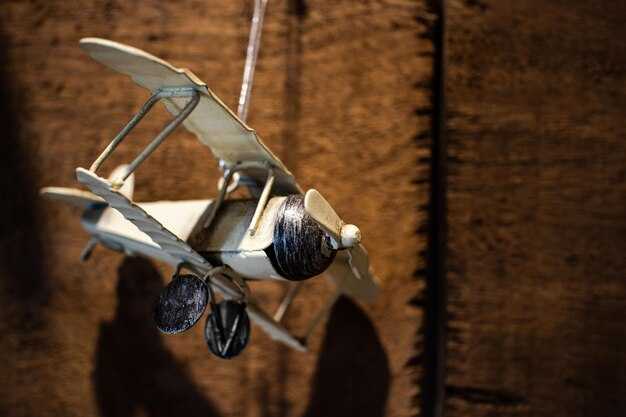
Замолите особље да отвори врата кабине за кратак надгледани обилазак; када се одобри приступ, снимите фотографију инструмент табле стабилизованим објективом од 35 мм.
Пажљиво бирајте осветљење: рано јутро или касно поподне нуде идеално, меко осветљење које минимизира одсјаје и открива текстуре бројчаника.
Оквир са мешавином елемената кокпита: седишта, командне палице, квадрант гаса и инструментација; обухватите периметар око панела како бисте позиционирали посматрача.
Dokumentujte male detalje: relikvije, plakate i pisane etikete; krupni planovi dopunjuju šire snimke i pričaju priču o letelici.
Fotografišite različite subjekte: kokpite civilnih aviona, kokpite vojnih aviona i helikoptera; uključite i unutrašnji i spoljašnji kontekst da biste prikazali raznolikost.
Планирајте спољашње углове у близини атракције у области Лос Анђелеса; кратка планинарска стаза око локације даје драматичне портрете авиона на небу.
Приликом снимања, будите обзирни према посетиоцима и екипама; добро размислите о обиму и контексту како би ваше сцене биле јасне.
Kod kuće, držite kratku belešku uz svaki frejm radi kohezivnog putnog dnevnika i lakših naknadnih izmena.
| Ideja za kadar | Preporučena podešavanja | Белешке |
|---|---|---|
| Крупни план панела у кокпиту | f/4, 1/125 s, ISO 200 | Smanjite odsjaje; stabilizujte kameru na monopodu, ako je moguće |
| Јарам и пар седишта | f/5.6, 1/80s, ISO 320 | Прикажи положај руку и распоред седења за контекст |
| Мацро за мераче и бројчанике | f/3.5, 1/60 s, ISO 400 | Фокусирајте се на централни мерач са малом дубинском оштрином |
| Спољни контекст авиона | 1/200s, f/7.1, ISO 100 | Uhvati nebo, znakove i celokupnu siluetu |
| Натпис на лицу места или детаљан приказ реликвије | f/4.5, 1/125s, ISO 400 | Истакните писане детаље који говоре причу о авиону |
Ohridsko iskustvo: tri bliska susreta sa mlaznjacima koje možete rezervisati
Резервишите пакет од три сусрета да бисте осетили рику изблиза и покрили три угла у једном поподневу.
Počećete na ivici piste sa tri označene tačke duž kompaktne rute gde vodič deli kontekst i istoriju dok posmatrate sa bezbednih, označenih mesta.
-
Susret 1: Krupni plan kokpita Lokida – смештена на ивици главне писте, ова сесија вас смешта у рестаурирани Локидов тренажер за поглед из првог реда на пилотску кабину.
- Pažljivim pregledom instrument table, kvadranta gasa i krošnje, čućete sažetu istoriju aviona i kako je leteo u ulogama obuke.
- Импресивни детаљи укључују контроле специфичне за еру и начин на који су рутине подржавале слетања и полетања током службе.
- Практично: очекујте око 25 минута на лицу места, плус кратак Q&A; носите удобну обућу и понесите лагану јакну.
-
Сусрет 2: Демонстрација на ивици писте и детаљан преглед – гледање уживо и безбедно симулираног редоследа слетања са означеног простора за гледање дуж писте.
- Гледајте како млазњак убрзава, прелази зупчаник и слеће контролисаним образцем; водич објашњава брзине и силу која се доживљава током приласка.
- Чак и у хладнијим данима, демонстрација се одвија у наткривеним зонама, тако да остајете близу акције.
- Савети: стигните рано, заузмите најповољнија места уз ограду и користите стоп тачке дуж ограде за кадрирање фотографија.
-
Сусрет 3: Џетс јунајтед херитиџ са контекстом Хрватске – компактан обилазак галерије који истиче стране и домаће млазњаке, уз јасне референце на регионалну историју авијације.
- Разгледајте изблиза тренажни авион из ере бомбардера и напредне млазњаке, уз увид у то како су ове машине летеле и како су њихове компоненте склапане на прометним аеродромима који се простиру на хектарима.
- Zaustavite se na tri ključne lokacije sa modelima da uporedite strukture aviona, opremu i raspored kokpita, a zatim završite sesijom fotografisanja na namenskoj lokaciji za nezaboravnu sliku.
- Turistička napomena: u terminu sumraka dobijate kraljevsko osvetljenje koje naglašava siluete; na kraju ćete dobiti suvenir fotografiju, a vodič odgovara na uobičajena pitanja o bezbednosti.
Практична логистика: радно време, улазнице, приступачност и превоз између локација
Rezervišite karte sa određenim vremenom onlajn za svaki muzej i dođite 15 minuta pre termina kako biste obezbedili nesmetan ulaz i maksimalno iskoristili vreme za eksponate. Za putnike i ljubitelje putovanja koji žele dan bez stresa, unapred isplanirajte redosled i ostavite 10–20 minuta rezerve za transfere.
Uobičajeno radno vreme je od 9:00 do 17:00, sa produženjima vikendom; uvek potvrdite zvaničnu stranicu lokacije pre nego što odete kako biste uzeli u obzir sezonska zatvaranja. Ulaznice za odrasle obično se kreću od 12 do 25 dolara, sa popustima za studente, penzionere i decu; mnogi muzeji nude pakete ili propusnice za više lokacija koje štede oko 15–20% и могу се купити онлајн. Ако посећујете друго место, испланирајте руту и пређите на следећу станицу са јасном мапом да бисте смањили застоје.
Сви главни локалитети настоје да буду приступачни близу центра града: улази без степеница, рампе, лифтови, широки пролази и места за седење у галеријама. Унутар хангара обезбедите приступачне руте до кабине и кокпита; особље може да вам помогне при коришћењу степеница у близини изложених авиона, а шеталице или инвалидска колица нуде се у близини паркинг места за путнике са потешкоћама у кретању. Ако путујете са колицима или инвалидским колицима, проверите да ли лифтови раде тог дана и висину експоната у метрима да бисте проценили домет.
Између локација, ослоните се на градски превоз: линије метроа или трамваја често повезују музејске четврти, са типичним интервалима од 5–15 минута. За међуградска путовања, регионална железница или експресни аутобуси нуде ефикасне опције; планирајте најмање 60–90 минута између места да бисте урачунали редове, безбедносне провере и паркинг. Не форсирајте узастопне посете локацијама; оставите времена за одмор. Док ходате између блиских станица, измерите раздаљине у метрима да бисте поставили реална очекивања – 200–800 метара је уобичајено у компактним музејским четвртима. Користите једну карту за превоз док се крећете кроз више локација и размислите о повратку у базу да се освежите пре следеће станице.
Потражите SR-71 Blackbird, централни експонат који показује контекст и обим Локидове производње; знаци објашњавају распоред кабине и инструментацију кокпита, импресиван пример инжењеринга авиона који изазива страхопоштовање. Авиони се налазе по хангарима и близу интерактивних дисплеја који привлаче широку публику. Ако посетите и Хрватску, наћи ћете регионалне локације са причама о брендовима које се врте око локалних авијацијских возила и неколико занимљивих практичних изложби које држе посетиоце ангажованим за дубинско разумевање историје авијације.