


 Azərbaycan dili
  English (UK)
  Русский
  বাংলা
বাংলা  العربية
  日本語
日本語  한국어
한국어  Magyar
  Norsk nynorsk
  Türkçe
  עִבְרִית
  Español
  Čeština
  Svenska
  Português
  Ελληνικά
  Suomi
Suomi  Nederlands
  Română
  Italiano
  Français
  Polski
  Українська
  Deutsch
  简体中文
简体中文  Slovenčina
  Српски језик
  اردو
اردو  O‘zbekcha
  አማርኛ
አማርኛ 
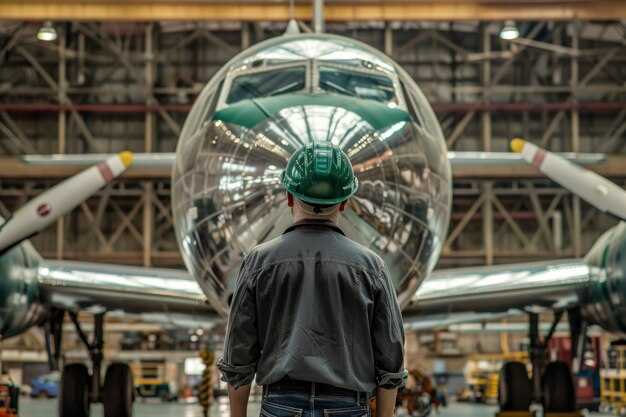
Recommendation: Start with the National Air and Space Museum in Washington, DC, to get a general sense of aviation and space travel. For most visitors, this is where passengers and enthusiasts alike get a clear overview, thanks to a curated flow that moves you down the Mall from relics of the early days to milestones of the modern era. theres no need to rush a first visit; you dont want to miss details. Read labels designed for a broad audience so you can absorb the scale and context without feeling overwhelmed.
Next, head to the Steven F. Udvar-Hazy Center near Dulles International Airport. This vast hangar surrounds a rotating treasure trove of airliners and space hardware, and it is a dedicated space for hands-on exploration. Space Shuttle Discovery greets you as soon as you walk in, and multiple galleries let you compare cockpit layouts across eras. If you bring a friend like zach, when you arrive you’ll stay engaged longer and spot details you might miss alone. This stop should be on every AvGeek list for a full immersion into postwar aviation and space technology.
In Europe, Imperial War Museum Duxford offers a compact, dense look at aviation history within a working airfield. The east of England location puts it within reach for a day trip from London, while the collection spans propeller craft to jet age relics. Most visitors appreciate how the exhibits are presented with practical explanations that turn complex technology into human stories.
Le Bourget’s Musée de l’Air et de l’Espace near Paris adds a continental angle to your list. The site sits near the airfield and blends relictlər with modern displays focused on civil aviation and space travel. The exhibition is surrounded by architectural spaces that invite you to consider the people who built the machines–engineers, pilots, and crews–rather than focusing on hardware alone.
The Museum of Flight in Seattle rounds out the set with a strong emphasis on the global network of air travel. Its campus hosts a broad aircraft collection, interactive simulators, and space hardware displays that explain why modern passengers expect comfort, safety, and reliability. Most enthusiasts finish with a hands-on simulator session and then plan a return visit to compare new exhibits with what they saw on previous trips.
AvGeek Travel Guide: Top 5 Aviation Museums & 3 Jets in Ohrid
Start with the national Aviation Heritage Center at Ohrid Airport, where a hands-on cockpit, authentic signage, and clear display panels set a solid tone for your day. You can board a replica controls section, compare layouts across eras, and enjoy an educational intro to the evolution of local flight that still feels fresh. This first stop guides you toward future discoveries and helps you map a comfortable path onto the rest of the itinerary.
Museum 1: Ohrid Airport Heritage Hangar – this compact, lively space sits right beside the runway and highlights planes that once served regional routes. You’ll see a classic prop airliner, a tail-dragger revival, and a small simulator booth. The layout emphasizes how routes over the lake connected communities, and the staggered displays let you move from frame to frame without crowding the floor.
Museum 2: Lakefront Aviation Gallery – a privately funded venue presenting a curated mix of mid-century jets and training aircraft. Expect a state-of-the-art touch screen station, a life-size mock cockpit, and a gallery that explains the shift from prop to jet power without overcomplicating the narrative. Edutainment stations invite you to toggle the throttle in a safe, educational setting and connect each display to the broader national and international networks; some panels even note Korean contributions to navigation technologies, adding texture without slowing you down. The collection still draws visitors who want a concise, meaningful overview of how aviation arrived at today’s formats.
Museum 3: Skopje National Aviation Museum – the country’s largest collection spans piston transports to early jets, with more than 10 airframes on view. You’ll find a dedicated hands-on area for kids and adults, an outdoor display of a training jet, and guided routes that showcase how regional airpower evolved. A well-marked simulator lets you feel the acceleration before you step back onto the pavement, linking national history with practical, graspable concepts for plane enthusiasts of all ages.
Museum 4: Struga Air History Gallery – smaller but dense, this venue concentrates on local pilots and lake-side routes that still influence contemporary flights. Expect oral histories, period uniforms, and a quick comparison between fuel efficiency then and now. The staff tailor short, focused visits that fit into a lakeside stroll, proving nothing distracts from the core stories and the atmosphere stays relaxed for a casual afternoon.
Museum 5: Bitola Flight Heritage Center – a cross-border program that connects Ohrid with Bitola’s regional air heritage. Look for archival photo panels, a compact flight simulator, and rotating exhibits on design trends that mirror the broader evolution of aviation technology across the Balkans. The venue encourages a clear narrative arc from early days to the latest developments, making it easy to plan a logical sequence for your day.
Three Jets in Ohrid you can approach up close: a supersonic trainer from the late Cold War era, a mid-century passenger jet with a roomy cabin, and a compact regional jet from the 1990s. You can board aboard each unit, read the placards, and imagine life aboard different eras. If you’re pressed for time, please start with the supersonic trainer to feel the adrenaline and then move onto the passenger and regional jets for the full spectrum–onto the tarmac and into the stories behind every rivet.
Planning tips: grab a combined pass to cover all five venues; check hours in advance and book timed slots if possible. If you’re arriving from Alaska or planning a multi-city route, a connection through Singapore can make the journey smoother and give you a chance to unwind at a Toplice spa town afterward. Consider a short lease on an audio guide to deepen the experience without slowing you down, and bring a flexible attitude–somday you’ll compare this national collection with other regional exhibits and notice how nothing stays still in aviation evolution. Please note that direct transfer options exist from a few gateways, but the core experiences stand strong without complicating your day’s flow.
Plan your visit: best order to cover the five museums and save time
Begin at Le Bourget Air and Space Museum in Paris and then proceed westward to Imperial War Museum Duxford near Cambridge, followed by Deutsches Museum in Munich, then Smithsonian National Air and Space Museum in Washington, DC, and finish at The Museum of Flight in Seattle. This order minimizes backtracking and makes efficient use of cross‑country legs while keeping a logical progression from historic origins to state‑of‑the‑art flying technology.
Travel between each stop works best when you book timed entries in advance and pair each visit with a concise plan: 2.5 to 3 hours on site, plus 60 to 120 minutes for transit or layovers. On the day you move between museums, aim for morning or late-afternoon slots to catch lighter crowds and better photo opportunities. Buy a multi‑museum pass where available to skip lines and save time, and map your route to cover the main collection blocks with minimal backtracking.
Le Bourget: start with the educational core and a hands‑on vibe The Paris site blends historic aircraft with modern simulators and a vivid exploration of air transport from early pioneers to today’s jets. Focus on the flying heritage floor, the bomber and fighter displays, and the factory‑visible workshops where restoration teams explain how a machine becomes a museum piece. Pack a single pass through the perimeter to see the most iconic items, then pause for photos by the lakefront gardens outside the wing. This first stop sets the tempo for a smooth, immersive day without rushing.
Duxford: glide into compact, immersive tracks The Cambridge site concentrates a high‑density collection in walkable zones, so you can cover more ground with fewer steps between hangars. Prioritize the state‑of‑the‑art cockpits and the big‑ticket aircraft that shaped aviation history. If you want a quick stop, stroll the outdoor display lines and note the nice balance between preserved airframes and interactive exhibits, then move on to the next city with momentum intact for your feet and your camera. Expect an exploration that rewards steady pacing and steady focus on what matters most to your collection mind.
Munich: depth without overload In Munich you’ll find a comprehensive aviation and technology collection, where a tight route helps you absorb the best pieces without wandering. Target the core aircraft, the engineering milestones, and the era‑defining bombers that illustrate broader technics and factory workflows. Keep photos concise and mark a couple of favorite pieces to revisit later in your notes. A well‑planned perimeter walk will keep you from overextending while still soaking up the educational impact of the exhibits.
Washington, DC: condensed, high‑impact exhibits The National Air and Space Museum concentrates many high‑value vessels under one roof, so plan your last US stop around the highlights you don’t want to miss. Map your route to cover the cornerstone collections–spaceflight alongside aviation–and earmark a few moments for hands‑on simulators or immersive media. With careful timing you’ll walk away with a set of sharp photos and a clear understanding of what state‑of‑the‑art aviation looked like in different eras, without fatigue setting in.
Seattle: a strong finish with a broad overview The Museum of Flight rounds out your loop with a wide‑ranging collection that covers everything from early aviators to modern flying machines. Use the perimeter layout to balance indoor galleries and outdoor displays, and save the best look‑ups for last to maximize your exploration. The tempo here lends itself to a relaxed finale where you can reflect on the journey, make notes, and fill in any gaps in your collection story before you head home.
Tips to optimize the experience: plan daylight windows for each stop to take advantage of natural light for good photos, carry a compact bag to keep essentials handy, and pace yourself with short stops to discuss what you’ve seen between exhibits. If you’re chasing a “someday” goal of visiting all five, this order helps you build momentum, avoid long backtracks, and keep your feet comfortable while moving between state‑of‑the‑art galleries and educational stops. As you proceed, you’ll notice how each stop connects to the next and how the overall exploration becomes more than the sum of its parts.
Make the most of amenities at each site: cafés for quick lunches, restrooms near main halls, and gift shops where you can grab a keepsake to remind you of the day. Plan a couple of short stops away from the busiest rooms to recharge, especially after a long flight or train ride. With this sequence, you’ll experience a cohesive arc from historic to modern, maximize time between venues, and capture memorable photos without feeling rushed. Someday you’ll look back and say you nailed the logistics, the views, and the learning in one smooth, gratifying journey.
What to see: must-see aircraft and exhibits at each museum
Smithsonian National Air and Space Museum, Washington, DC Begin with the Apollo 11 Command Module and the Spirit of St. Louis, then view the Wright Flyer to feel the birth of flight. This experience combines original airframes with interactive simulators that put you in the cockpit and let you compare early controls with modern fly-by-wire systems. You’ll see wings and fuselages that show how pilots progressed from open cockpits to pressurized cabins, with wings hanging in display cases for close inspection. The cards explain each artifact, and you can transition from the airport corridor into a broader view of aviation’s impact on daily life, including spaceflight and the role of the carrier in connecting regions. They show how engineers solved problems as aviation evolved.
National Museum of the United States Air Force, Dayton The Enola Gay anchors the collection, alongside X-15 and SR-71 exhibits that highlight speed and altitude. They illustrate how materials, aerodynamics, and policy converged to propel aviation forward. You can walk around historical vehicles and step into a cockpit for a hands-on comparison with modern jets. The cards tell the stories behind each artifact, and the view from the ground shows how an assembly line turned flight ideas into reachable aircraft for the battlefield and beyond. This isnt just a museum display–it’s a record of pilots who pushed boundaries.
Imperial War Museum Duxford, UK The Concorde sits beside a lineup of classic fighters, bombers, and training aircraft that illustrate the rapid evolution of performance. They recreate airfield life with a control-tower vignette and a runway-side viewing deck, where you can follow a taxiing aircraft and imagine the noise of takeoff. The collection includes vehicles and ground equipment that supported flight operations, plus interactive displays on carrier aviation shaped by war and peace. A short hike around the grounds reveals painted backdrops with mountains in the distance, giving a sense of scale as you compare cockpit layouts.
Musée de l’Air et de l’Espace, Paris In paris, Le Bourget hosts the Concorde exhibit with Caravelle airliners and early propeller planes that trace the thread from wings to jetliners. They combine aviation and spaceflight displays, with simulators and a timeline showing the assembly and evolution of aircraft used for global travel and exploration. From the terrace you gain a view of the airfield and the runway, while the shop offers cards and posters celebrating flight. It isnt just a gallery–it’s a window into Parisian aviation heritage and the way innovation changed how people travel.
Canada Aviation and Space Museum, Ottawa The CF-105 Arrow is the centerpiece, with a full restoration visible behind glass and a gallery on Canadian airpower history. They offer a hands-on experience with cockpit simulators and a range of vehicles from transport planes to training aircraft. You’ll see how aviation moved from piston engines to jets, with artifacts that illustrate the carrier role in Canada’s missions. Along the way you’ll find cards summarizing milestones, and the outdoor display and runway area provide a steady view of how pilots and engineers keep advancing the craft.
Photo and video tips: capturing cockpit shots and rare details
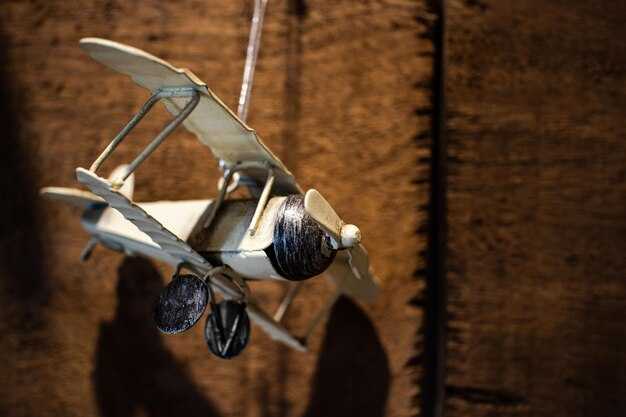
Heyətdən kokpit qapısının qısa müddətli nəzarət altında ekskursiya üçün açılmasını xahiş edin; giriş icazəsi verildikdə, sabitləşdirilmiş 35 mm-lik obyektivlə cihazlar panelinin fotoşəklini çəkin.
İşıqlandırmanı müdrikliklə seçin: səhər tezdən və ya günortadan sonra ideal, yumşaq işıq təklif edir ki, bu da əksləri minimuma endirir və siferblatın teksturalarını üzə çıxarır.
Kokpit elementlərinin qarışığını çərçivəyə salın: oturacaqlar, sükan çarxları, mühərrik idarəetmə bloku və cihaz paneli; izləyicini yerləşdirmək üçün panelin ətrafını əhatə edin.
Kiçik detalları sənədləşdirin: relikvilər, plakatlar və yazılı etiketlər; yaxın planlar daha geniş çəkilişləri tamamlayır və təyyarənin tarixini izah edir.
Müxtəlifliyi göstərmək üçün müxtəlif mövzuların fotoşəkillərini çəkin: mülki aviakompaniyaların kokpitləri, hərbi qırıcıların kokpitləri və helikopterlər; həm interyer, həm də eksteryer konteksti daxil edin.
Los-Anceles ərazisi yaxınlığında xarici bucaqları planlaşdırın; ərazinin ətrafında qısa yürüyüş dövrəsi səmada təyyarələrin dramatik portretlərini verir.
Çəkiliş zamanı ziyarətçilərə və heyətə qarşı diqqətli olun; həqiqətən də miqyas və kontekst haqqında düşünün ki, kadrlarınız aydın oxunsun.
Evdə, hər kadrla birlikdə sürətli qeyd aparın ki, vahid tur loqu və daha rahat redaktə işləri olsun.
| Kadr ideyası | Tövsiyə olunan parametrlər | Qeydlər |
|---|---|---|
| Kokpit panelinin yaxın planı | f/4, 1/125 san., ISO 200 | Əksləri minimuma endirin; mümkünsə, kameranı monopod üzərində sabitləyin |
| Boyunduruq və oturacaq dəsti | f/5.6, 1/80 san., ISO 320 | Əl vəziyyətlərini və oturma düzülüşünü kontekst üçün göstərin |
| Ölçü cihazları və şkalalar makro | f/3.5, 1/60 san, ISO 400 | Mərkəzi göstəriciyə dayaz fokus dərinliyi ilə diqqət yetirin |
| Təyyarənin xarici konteksti | 1/200 san., f/7.1, ISO 100 | Səma, işarələr və ümumi silueti çəkin |
| Yerində plakatlar və ya reliktlərin yaxın planı | f/4.5, 1/125 san., ISO 400 | Təyyarənin tarixçəsini izah edən yazılı detalları vurğulayın |
Ohrid təcrübəsi: yaxından tanış ola biləcəyiniz üç reaktiv qarşılaşma
Üç qarşılaşmadan ibarət paketi sifariş edin və nəriltini yaxından hiss edin, bir gün ərzində üç müxtəlif baxış bucağını əhatə edin.
Siz uçuş-eniş zolağının kənarında, yığcam bir marşrut boyunca qeyd edilmiş üç nöqtədən başlayacaqsınız, burada bələdçi təhlükəsiz, təyin edilmiş yerlərdən müşahidə edərkən kontekst və tarix paylaşır.
-
Görüşmə 1: Lockheed kokpitinin yaxın planı – əsas uçuş-enmə zolağının kənarında yerləşən bu sessiya sizi bərpa edilmiş Lockheed təlimçisinin içinə, kabinənin ön sırasına aparır.
- Cihazlar panelini, qaz qolunu və örtüyü diqqətlə yoxlayın; siz təyyarənin qısa tarixini və onun təlim rollarında necə uçduğunu eşidəcəksiniz.
- Heyrətamiz detallara dövrə xas idarələr və xidmət zamanı enişləri və qalxışları dəstəkləyən üsullar daxildir.
- Praktiki: təxminən 25 dəqiqə yerdə olmaq, üstəgəl qısa sual-cavab; rahat ayaqqabı geyinin və yüngül gödəkcə götürün.
-
Görüş 2: Uçuş-enişi zolağının kənarında demo və yaxın yoxlama – uçuş-enmə zolağı boyunca təyin edilmiş baxış zonasından simulyasiya edilmiş enmə ardıcıllığının canlı və təhlükəsiz izlənməsi.
- Reaktiv təyyarənin sürətlənməsinə, dişli çarxın təpəsinə qalxmasına və nəzarətli şəkildə yerə enməsinə baxın; bələdçi sürətləri və yaxınlaşma zamanı yaranan qüvvəni izah edir.
- Sərin günlərdə belə, nümayiş örtülü zonalarda davam edir, beləliklə siz hərəkətə yaxın olursunuz.
- Məsləhətlər: erkən gəlin, ən əlverişli hasar nöqtələrində dayanın və fotoları çərçivəyə salmaq üçün hasar boyunca dayanma nöqtələrindən istifadə edin.
-
Görüş 3: xorvatiya konteksti ilə birləşmiş irs reaktivləri – xarici və yerli dövrün reaktiv təyyarələrini vurğulayan, regional aviasiya tarixinə aydın istinadlarla dolu kompakt qalereya turu.
- Bombardman erası təlim təyyarəsini və müasir reaktivləri yaxından görün, bu maşınların necə uçduğu və onların komponentlərinin hektarlarla ərazini əhatə edən məşğul aerodromlarda necə yığıldığı barədə məlumat əldə edin.
- Üç əsas model dayanacağında dayanaraq hava gövdələrini, dişli çarxları və kokpit düzümlərini müqayisə edin, sonra yaddaqalan şəkil üçün xüsusi baxış xəttində foto sessiya ilə yekunlaşdırın.
- Turist qeydi: alatoran yuvası siluetləri gücləndirən kral işıqlandırması təklif edir; sonda sizə xatirə şəkli təqdim olunacaq və təhlükəsizliklə bağlı ümumi suallara bələdçi tərəfindən cavab veriləcək.
Praktiki logistika: saatlar, biletlər, əlçatanlıq və məkanlar arasında tranzit
Hər bir muzey üçün vaxtı müəyyən edilmiş biletləri onlayn sifariş edin və rahat girişinizi təmin etmək və eksponatlarla vaxtınızı maksimuma çatdırmaq üçün öz vaxtınızdan 15 dəqiqə əvvəl gəlin. Sərnişinlər və stressiz bir gün keçirmək istəyən səyahət həvəskarı üçün əvvəlcədən ardıcıllığı xəritələndirin və transferlər üçün 10–20 dəqiqəlik bir bufer yaradın.
Tipik iş saatları 9:00–17:00 arasıdır, həftə sonları uzantılarla; mövsümi bağlanmaları nəzərə almaq üçün getməzdən əvvəl həmişə saytın rəsmi səhifəsini təsdiqləyin. Böyüklər üçün biletlər adətən 12–25 dollara qədər dəyişir, tələbələr, yaşlılar və uşaqlar üçün endirimlər mövcuddur; bir çox muzeylər təxminən 15–20% qənaət edən və onlayn alına bilən paket və ya çoxsaylı sayt keçidləri təklif edir. Əgər ikinci məkan ziyarət edirsinizsə, marşrutu planlaşdırın və boş vaxtı minimuma endirmək üçün aydın bir xəritə ilə növbəti dayanacağa keçin.
Bütün əsas məkanlar şəhər mərkəzinə yaxın əlçatan olmağa çalışır: pilləkənsiz girişlər, panduslar, liftlər, geniş keçidlər və qalereyalarda oturma yerləri. Anqarların içərisində kabinə və kokpitlərə əlçatan marşrutları təmin edin; işçilər nümayiş olunan təyyarələrə yaxın pilləkənlərdə kömək edə bilər və hərəkət məhdudiyyəti olan sərnişinlər üçün yaxınlıqda dayanacaq yerləri olan gəzinti vasitələri və ya təkərli oturacaqlar təklif edir. Əgər uşaq arabası və ya təkərli oturacaq ilə səyahət edirsinizsə, liftlərin həmin gün işlədiyini və çatmağı təxmin etmək üçün sərgilərin metr ilə hündürlüyünü yoxlayın.
Məkanlar arasında şəhər tranzitindən istifadə edin: metro və ya tramvay xətləri çox vaxt muzey rayonlarını birləşdirir, tipik intervallar 5–15 dəqiqə olur. Şəhərlərarası keçidlər üçün regional dəmir yolu və ya ekspress avtobuslar səmərəli variantlar təklif edir; xətləri, təhlükəsizlik yoxlamalarını və parklanmanı nəzərə almaq üçün məkanlar arasında ən azı 60–90 dəqiqə planlaşdırın. Dalbadal məkan ziyarətlərinə məcbur etməyin; vaxt ayırın. Yaxın dayanacaqlar arasında gəzərkən, real gözləntilər yaratmaq üçün məsafələri metrlə ölçün – 200–800 metr yığcam muzey rayonlarında yaygındır. Birdən çox məkan arasında hərəkət edərkən vahid tranzit keçidindən istifadə edin və növbəti dayanacağa getməzdən əvvəl təravətlənmək üçün bazaya qayıtmağı düşünün.
Lockheed-in inkişaf konteksti və miqyasını nümayiş etdirən mərkəzi eksponat olan sr-71 Blackbird-ə baxın; işarələr kabin planını və kokpit cihazlarını izah edir, bu, təyyarə mühəndisliyinin təsirli, heyranedici bir nümunəsidir. Təyyarələr hangarlarda və geniş auditoriyanı cəlb edən interaktiv displeylərin yaxınlığında yerləşir. Xorvatiyaya da baş çəksəniz, yerli aviasiya nəqliyyat vasitələri haqqında regional saytlar və ziyarətçiləri aviasiya tarixini dərindən başa düşməyə kömək edən bir neçə immersiv, əyani eksponat tapa bilərsiniz.