


 简体中文
简体中文  English (UK)
  Русский
  বাংলা
বাংলা  العربية
  日本語
日本語  한국어
한국어  Magyar
  Norsk nynorsk
  Türkçe
  עִבְרִית
  Español
  Čeština
  Svenska
  Português
  Ελληνικά
  Suomi
Suomi  Nederlands
  Română
  Italiano
  Français
  Polski
  Українська
  Deutsch
  Slovenčina
  Српски језик
  اردو
اردو  Azərbaycan dili
  O‘zbekcha
  አማርኛ
አማርኛ 
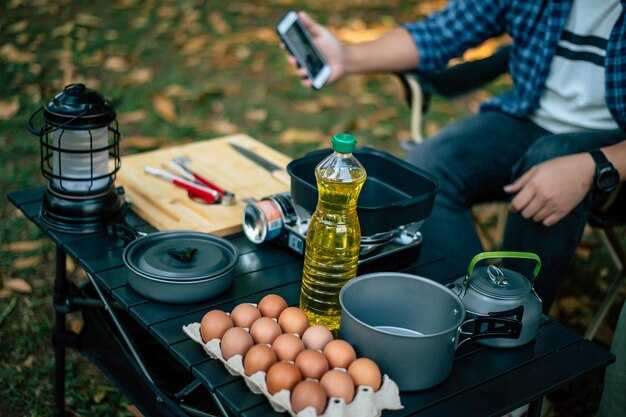
Begin your day with a concrete rule: pack 25–30 g of protein and 600–800 kcal for the first two hours, kept free of unnecessary fluff and packed with real foods you actually enjoy.
For daily fueling, maintain a simple macro plan: protein 1.2–1.6 g/kg, carbs 4–6 g/kg, fats to fill the rest. Hydration stays practical at 35–40 ml/kg per day, with electrolytes on hot days or at altitude. On unpredictable days, awareness matters: the weather shifts, the terrain is steep, and the panoramic views come with gusts that challenge appetite. Be aware of fatigue signals and adjust. When hunger comes, pre-portion meals and snacks so you actually eat on schedule, not by whim. Make sure you have enough energy in reserve for the longest ascent.
Choose shelf-stable, affordable staples that travel light: almonds, peanuts, mixed nuts, oats, dried fruit, jerky or tuna packets, and small cheese portions. The cheapest bundles deliver energy per gram, while a few protein-dense options prevent energy dips. Include a salty snack for patagonico winds, and use light, resealable packaging to keep aromas down in caves or tents. In practice, a 30 g nut mix plus a 40 g jerky bar at each break keeps you moving and avoids cramming cravings. You can pace yourself with a tiny, one-way bag system so you don’t carry duplicates.
Here’s a practical day-up plan you can adapt: breakfast 20–30 g protein with oats or powder milk; mid-morning snack 200–300 kcal; lunch a 400–600 kcal mix of starch and protein; afternoon snack 200–300 kcal; dinner 500–700 kcal with a complete protein source. If you’re starting a longer trek, carry an extra 200–300 kcal in a compact bar or fudge that travels well. getty-style field notes remind you to adjust portions to quite stable pace; the goal is to stay ahead of fatigue without overloading your pack.
Keep this approach flexible: once you know how your body responds, you’ll crave a quite stable routine more than guesswork. Some hikers asked for a simple starter, and this approach scales well on longer trips. Build your plan with small, repeatable steps, monitor GI comfort, and adjust fuel during big ascents or cold nights. If you’re ever unsure, remember that a balanced, pragmatic routine beats heroic but chaotic meals when unpredictability rules the trail; quite often, your appetite will thank you, and bigfoot can wait.
Patagonia Two-Week Itinerary and Practical Nutrition Strategy for Outdoor Enthusiasts
Pack a 14-day caloric plan with shelf-stable meals and a compact stove, and keep a centralized grocery list collected in neuquén; the meals are packed and ready for field cooking.
Starting from neuquén, head toward a mountain village to acclimate; check into rooms at a rustic lodge and begin the first cooking test after a day on the road.
Days 4-7 stay on a loop through parque Nahuel Huapi and nearby towns, with planned hikes, a must-see overlook, and an optional kayak on the lake; guanacos observe from the slopes as temperatures swing, so bring breathable layers and a compact duvet for cool evenings.
What comes next in the coming days is a southward move to El Chaltén for multi-day treks into Parque Nacional Los Glaciares; magical views greet early starts, and refugios offer rooms and reliable cooking facilities; carry a compact duvet for chilly nights and refresh energy with protein-rich snacks between climbs.
Days 12-14 return toward neuquén with a relaxed finish: a final kayak on a protected lake, a couple of town visits, and a closing check before flying or driving home; for passengers flying out, verify baggage allowances well in advance and plan to ship bulky gear if needed.
Nutrition strategy: aim for roughly 50% carbs, 30% fats, 20% protein; hydrate with 2–3 liters of water daily and supplement with electrolyte powder on long climbs; snack 2–3 times between meals using nuts, dried fruit, jerky, and compact cheese, and pre-portion meals for each day to streamline cooking; already tested with groups, known by guides, and this process has helped many travelers; energy stays steady even when temperatures drop.
june planning tips: daylight narrows, so start early and finish with a warm dinner; check weather every morning and adjust pacing accordingly; the tierra landscapes add a magical backdrop to each village visit, and the must-see ridges reward consistent effort; doing this approach helps maintain energy and recovery.
Wildlife etiquette and safety: none of the waste should be left behind; keep a respectful distance from guanacos and other wildlife; follow Leave No Trace across parque and towns, and coordinate with passengers if you plan to share meals on the same trail.
Day-by-Day Meal Plan for Patagonia Trekking
Pack a compact, high-protein breakfast and a 250–300 kcal snack for Day 1 from Chalten, and drink 2 liters of water before the morning climb to mirador; keep a daily list of meals to simplify refills.
Day 1 in Chalten begins with a warm oats-and-nuts bowl: 50 g oats, 20 g almonds, dried fruit, and honey for about 520 kcal. Lunch balances a chickpea wrap with greens (≈450 kcal); snacks include two energy bars (≈200–250 kcal); dinner provides quinoa with roasted vegetables and a lean protein (≈600–700 kcal). Hydration stays at 2–3 L; you should finish the day with enough energy for a climb that reveals a large view. Wildlife sightings around the trailhead add motivation; be aware and move calmly if you hear branches rustle. Accommodations near the trailhead offer a simple, traditional setup, and booking in advance avoids stress. Tickets to park areas can be purchased locally, and guides can suggest the best mirador routes for the afternoon. If you want variety, swap the lunch for Spanish-style tortilla or a light lentil salad; none of the meals requires refrigeration beyond a day’s shelf life.
Day 2 keeps you moving toward the Fitz Roy base. Breakfast remains around 500 kcal; you’ll carry a thermos with soup or a hot drink to stay warm. Lunch blends tomato and rice or a lentil soup; dinner is pasta with tomato sauce and vegetables; snacks include nuts and dried fruit, totaling roughly 2,800–3,000 kcal for the day. The route offers a rewarding view from a mirador; wildlife may appear along the path. Refugios located near the trailhead provide basic accommodations, and booking ahead secures a bed. If you grabbed tickets and arranged transport, you’ll avoid last‑minute delays; you’ll meet fellow travelers from several countries in the area. When you encounter steeper sections, cut portions slightly and pace yourself, avoiding hard days on consecutive climbs. If a traditional restaurant near the refugio tempts you, a Spanish‑inspired dish will hit the spot; if you took a late drive, plan shorter daylight segments and carry a compact headlamp.
Day 3 targets a southern ridge with a longer ascent. Breakfast options include buckwheat porridge; lunch offers a bulgur salad; dinner features a bean stew; snacks round out the plan. Daily calories run about 2,900–3,200. You may dine at a local restaurant or in the refugio, with some large portions to share if you prefer, but keep portions manageable to stay nimble on the trail. The mirador delivers an expansive view, and wildlife may wander close–stay aware and respect space. Refugios are located nearby, and there are few less crowded options if you book early. Meeting travelers from different countries adds variety to the evening conversations; when you cross a snow patch, step carefully and conserve energy; none of these meals relies on specialty gear beyond a small stove kit.
Day 4 leans into steady, low‑intensity days between climbs. Breakfast cereal with milk powder, lunch quinoa bowl, dinner bean stew, and snacks of fruit and nuts keep you fueled. The route stays in a sheltered valley with a calm view of the granite walls reflected in a lake; this view is perfect for photos. There’s a local restaurant offering Spanish‑inspired tapas and traditional dishes; if you crave a heartier option, an asado can be found in the evening. Accommodations near the trailhead remain convenient, and booking prevents morning delays. Tickets to access certain viewpoints may still be required, so carry your pass. When the day wraps, a comfortable bed and a warm shower help you recover for the final push; choose less crowded refugios if possible to reduce noise and maximize sleep.
Day 5 returns toward the trailhead and exits the park area. Breakfast uses leftovers and fruit; lunch is a light wrap; dinner is a celebratory hot meal at a refugio, totaling around 2,200–2,500 kcal. You’ll spot wildlife near a broad view and have a last chance for a photoshoot with the mountains. After packing, verify transport back to the town and confirm your booking for any return tickets or flights; a final drive to the bus stop or airport is short but worth planning. Back in town, you can relax at a restaurant and compare notes with fellow trekkers; if you still have tickets, keep them handy, and consider stopping at a mirador you missed earlier. Some travelers swap stories about bigfoot rumors with locals and friends, sealing the trip’s memories.
Lightweight, High-Energy Snack Ideas for Trail Days
For most trail days, start with a 200–250 kcal snack: 40 g mixed nuts and dried fruit plus a 15 g dab of peanut butter to ensure 10–12 g protein and roughly 25–30 g carbs for the next climb.
Option 1: Nuts & Seed Trail Mix – 30 g yields about 170 kcal, 5 g protein, 9 g carbs, 14 g fat. Pack in a lightweight pouch; checked labels help you compare sugar and sodium so the group stays hydrated during dramatic drives or sightseeing stops.
Option 2: Apple + Almond Butter – 1 medium apple (180 g) with 15 g almond butter provides ~185 kcal, 4 g protein, 26 g carbs, 9 g fat. This feels light, travels well, and fits in a small tub for mirador breaks.
Option 3: Rice Cakes with Tuna – two thin rice cakes topped with 45 g tuna and a dash of hot sauce deliver ~230 kcal, 20 g protein, 22 g carbs, 7 g fat. A compact lunch for boating trips or quick sightseeing pauses.
Option 4: Cheese Stick + Whole-Grain Crackers – one cheese stick (28 g) with 20 g crackers gives ~230 kcal, 12 g protein, 22 g carbs, 9 g fat. Easy to stash near cafes or stores for a quick top-up during a longer drive.
Other notes: For variety, try paine bars or other compact options, and check ingredient lists on the website before you stock up. Our guidance is practical, not advertisement, and helps you compare options without overloading your pack.
Share one snack per person in the group, because it reduces waste and speeds up breaks during sightseeing or at a mirador stop.
| Snack | Portion | Calories | Protein g | Carbs g | Fat g |
|---|---|---|---|---|---|
| Nuts & Seed Trail Mix | 30 克 | 170 | 5 | 9 | 14 |
| Apple + Almond Butter | 1 medium + 15 g | 185 | 4 | 26 | 9 |
| Rice Cakes with Tuna | 2 cakes + 45 g tuna | 230 | 20 | 22 | 7 |
| Cheese Stick + Crackers | 28 g + 20 g | 230 | 12 | 22 | 9 |
Hydration and Electrolyte Strategy in Patagonia’s Climate
Start with 2 liters of water in your hydration system and keep a 0.5-liter bottle within easy reach; sip 200–250 ml every 15–20 minutes during movement and boost intake to 300–400 ml per 20 minutes on exposed ridges. Add one electrolyte tablet per liter to reach about 300–700 mg sodium per liter, plus 100–200 mg potassium and 20–40 mg magnesium per liter for sustained muscle function on big days.
Patagonia’s climate pushes evaporation through wind and dry air, so sweat rates spike on the W-circuit near Torres and on steep climbs. Expect 0.6–0.9 L of sweat per hour during hard efforts, even more if you’re layered against the wind. Cold days accelerate insensible losses, so plan a daily intake of 2–4 liters, adjusting upward with altitude, sun exposure, or higher pace. Use electrolytes consistently: tablets or powders that provide 300–700 mg sodium, 100–200 mg potassium, and 20–40 mg magnesium per liter help prevent cramps and fatigue.
Choose electrolyte options with low added sugars and handle flavor traded for reliability. One tablet per liter works for most days; in intense heat or high sweat, use two tablets per liter. If you prefer powders, mix to a concentration that keeps the sodium around 300–700 mg per liter while keeping total calories reasonable. Remember to drink before you feel thirsty, especially after long crossings or camping stints where wind dries the mouth quickly.
沿湖和穿越高山的各个水源都需要处理,即使溪流看起来很干净。携带一个紧凑的滤水器或净化器,外加少量碘或紫外线笔,以快速确保安全。对于纳韦尔瓦皮湖附近的路线和 W 环线上的历史悠久的避难所,请处理每一个水源,并在水看起来不对劲时考虑煮沸。始终通过管理员通知或向导日志验证您的信息来源,并记录您的摄入量,以避免连续几天脱水。.
在多日旅行中,计划在营地进行一次早期的补水检查:装满水,补充电解质,并为下午准备第二个水壶。在这里,额外的水不是奢侈品;而是一种工具,可以帮助您在追逐托雷基地或湖边小径附近那迷人壮丽的全景时,应对风寒、海拔和阳光。与您的露营团队分享策略可以降低风险,并帮助您即使在可靠性似乎稀缺的情况下也能保持正轨,尽管您可能会遇到提供建议或为您欢呼的陌生人——冒险的繁荣根植于始终如一的小而实用的习惯。.
对于可以在小径上重复进行的实用程序,目标是在长时间暴露在阳光下之前增加摄入量,在攀爬期间保持稳定的抿饮节奏,并在休息站后补充水分。如果您注意到脱水的迹象——尿液颜色深、头晕或腿抽筋——在安全范围内更积极地补充盐分并放慢速度。第二天通常会考验一致性;到一天结束时,您将了解您的身体如何应对巴塔哥尼亚的气候,并且您将拥有一个舒适的节奏,让您在风景秀丽的湖景、托雷峰的轮廓以及定义您户外活动的美丽多风的通道中保持能量。购买布宜诺斯艾利斯贫民窟导游徒步旅行的门票对于后勤工作很有帮助,但您的补水计划会伴随您,并与您沿途遇到的每一位同行者分享和调整。.
按重量和体积划分的营养食品清单
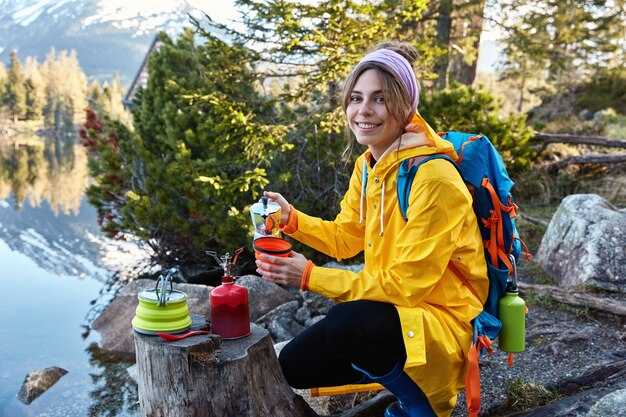
对于3日旅行,每人大约准备2,600–3,000千卡热量,分摊在正餐和小吃中,以满足在路上的活动需求。早餐要丰盛,午餐和晚餐要提供主要能量,少量零食则可在阴雨天气或突发状况时维持能量的稳定。您将在下面找到具体的重量和体积数据,以确保打包紧凑且可预测。.
以下是一份详细的、注重重量和体积的清单,旨在为从皮划艇旅行到汽车露营等各种冒险活动提供能量,涵盖四月、六月和十二月等月份。当杂货送达时,您可以调整份量以匹配您一天的强度。目标是将摄入量分散到一整天,让用餐感觉既放松又有目的性,食物种类繁多,有助于您保持温暖、精力充沛,并专注于旅程的下一段。.
- 早餐主食
- 燕麦片 – 每份 60 克;干燥体积约 120 毫升;每天两份;总共 360 克和约 720 毫升,供 3 天食用。.
- 奶粉——每份 15 克;包装体积可忽略不计,估计复水后每份约 20 毫升;每天两份;总计 90 克。.
- 花生酱——每份20克;体积约30毫升;每天两份;总计120克,罐装约60毫升。.
- 午餐和晚餐基底
- 速食米饭 – 每份干重 100 克;干体积约 180 毫升;每天两份;3 天总计 600 克和约 1,080 毫升。.
- 蒸粗麦粉或藜麦 – 每份80克;体积约110毫升;每日两份;总计480克,约660毫升。.
- 金枪鱼罐头(油浸或水浸)– 每罐80克;体积约90毫升;每天两罐;总计480克和约540毫升。.
- 食用橄榄油——每日15毫升;共45毫升;重量约41克;保存在小型防漏瓶中。.
- 扁豆或豆类(预煮或即食的)——每份 60 克;如果使用,每天两份;3 天总计 360 克和约 600 毫升。.
- 脱水蔬菜 – 每份25克;每天两份;总计150克和 ~300毫升。.
- 蛋白质和脂肪
- 肉干或腌制肉 – 每份 28 克;每日两份;总计 168 克,包装内约 150 毫升。.
- 混合坚果和种子——每天 40 克;总计 120 克和约 120 毫升。.
- 奇亚籽或大麻籽 - 每天15克;总计45克,约60毫升。.
- 水果,零食和士气助推器
- 干果 – 每天 50 克;总计 150 克和 ~150 毫升。.
- 黑巧克力或甜点小块 – 每天 15 克;总计 45 克 和 ~40 毫升。.
- 米饼或脆面包 – 每份 20 克;每天两份;总计 120 克和 ~150 毫升。.
- 调味料与附加品
- 盐、胡椒、干香草——小袋装或紧凑型调味瓶;重量保持在 20 克以下。.
- 电热水壶或炉具燃料兼容性注释——包括最简燃料计划;与装备清单保持一致。.
- 小包装调味品——酱油、辣椒酱或代糖;每份总重 15–25 克。.
- 按季节和活动分类的计划笔记
- 在六月或四月的野外旅行中,根据更长的日照时间和更高的活动量调整食物份量;在十二月,由于气温较低,每天额外增加 200–400 千卡。.
- 对于皮划艇旅行或其他车辆驱动的探险,将物品放在防水袋中,并标记各个部分,以便在短暂的停留期间快速取用。.
- 准备一小包“甜点”,以便在长途跋涉后提振士气;这有助于你保持对前方道路的专注。.
实用打包技巧:将膳食分成带标签的密封袋或小容器,以便快速取用一份,减少整理时间,并保持空间整洁。将较重的物品放在背包底部或皮划艇船体中,以保持平衡。如果您需要在营地之间移动,请将一套精简的物品放在一个防风雨的小袋中,并在下一个检查站重新补充,确保您永远不会缺少必需品。以下方法可使甜点选择一目了然且易于控制,并通过全天分配卡路里,以满足漫长而多样的郊游中不断变化的能量需求。.
总结:这个详细的、注重重量和体积的计划可以很容易地适用于3天的行程,并且可以根据活动强度或天气情况调整份量。你有一个明确的目标,这些指标可以帮助你保持正轨,无论你是在徒步、划船,还是在晚餐后在火边放松。 该设置设计灵活,因此你可以调整以适应更长的行程、更多的人或备用菜单,而不会超出打包预算。 如果你正在为四月、六月或十二月的旅行提前计划,你可以重复使用这个结构,只需按参与者或天数来按比例增加或减少数量即可。 手握门票,你已经准备好出发了,带着多样化的、令人满意的食物,让旅程愉快而不是疲惫。.
野外烹饪:装备、燃料和快速准备食谱
从一个紧凑的炉子、挡风板和一个1升的锅开始;购买兼容的燃料罐是在漫长的一天中保持可靠性的最佳选择。如果你是第一次在户外烹饪,请保持计划简单,并选择能快速煮沸水的选择。你需要一个小砧板、一把刀、一个勺子、一条小毛巾和一个轻量级的维修工具包;这些东西可以缩短准备时间,并最大限度地减少在炉子旁边的即兴发挥。一个单锅设置让你可以在酒店旁边、村庄住宿之间,或在野外烹饪,而不会增加额外的杂乱。.
燃料策略:在温和条件下,异丁烷混合燃料表现出色;在寒冷的夜晚或高海拔地区,白汽油提供更稳定的压力。对于四月份靠近雪山山顶或穿越边境的路线,在凉爽的早晨测试您的炉子,并携带备用燃料罐。紧凑型挡风板通过缩短沸腾时间来节省燃料。补给点之间的距离因地区而异,因此请携带足够的燃料以应对更长的路程,并根据可用的水来计划膳食。这种方法可以腾出时间进行下一次攀登,并帮助您在旅途中掌握时间预算。.
燕麦莓果能量粥:1/2杯燕麦片,1杯水,少许盐,2汤匙奶粉,2汤匙碎坚果,1/4杯干果,少许肉桂粉。水烧开,加入燕麦片,用小火煮4-5分钟,拌入奶粉和干果,静置1分钟,即可食用。此早餐可产生350-450卡路里,并能很好地保存在小罐子里,方便早起食用。.
北非小米和豆子烩锅:1 杯快熟北非小米、1 杯热水、1/2 杯脱水豆子、1/4 杯玉米、1 汤匙橄榄油、1 茶匙辣椒粉、盐。将水煮沸,加入北非小米和豆子,盖上盖子 3-4 分钟,拌入玉米和油,根据口味调味。两份,总共约 8-12 分钟。为了丰富口味,可以换成金枪鱼或奶酪粉(如果您携带)。.
番茄扁豆卷:1/2杯速食扁豆,1/2杯水,1张墨西哥薄饼,1/4杯泡发的番茄碎,1汤匙萨尔萨粉,少许盐,少许胡椒粉。慢炖扁豆至软烂,用勺子舀到薄饼上,卷起来,3–6分钟内即可食用。便于携带,饱腹感强,在靠近边境的热闹山口被冷风吹了一天后享用,非常美味。.
购物和计划笔记:在沿途的市场储备必需品;在长途跋涉前在村庄购买物资可以节省时间。四月份穿越阿根廷地区的一些旅程白天比较温和,但夜晚寒冷,因此要计划冷热餐食的搭配。有很多选择,小商店里也有很多适合储藏的食品; 在背包里准备额外的燃料和备用衣物。了解季节和距离有助于你合理安排烹饪时间,并在享受美景的同时避免饥饿带来的困扰,从而让你的长途旅行餐食更加美味。.