


 O‘zbekcha
  English (UK)
  Русский
  বাংলা
বাংলা  العربية
  日本語
日本語  한국어
한국어  Magyar
  Norsk nynorsk
  Türkçe
  עִבְרִית
  Español
  Čeština
  Svenska
  Português
  Ελληνικά
  Suomi
Suomi  Nederlands
  Română
  Italiano
  Français
  Polski
  Українська
  Deutsch
  简体中文
简体中文  Slovenčina
  Српски језик
  اردو
اردو  Azərbaycan dili
  አማርኛ
አማርኛ 
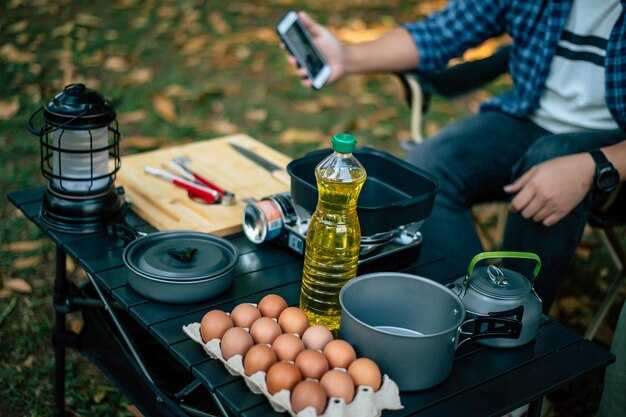
Begin your day with a concrete rule: pack 25–30 g of protein and 600–800 kcal for the first two hours, kept free of unnecessary fluff and packed with real foods you actually enjoy.
For daily fueling, maintain a simple macro plan: protein 1.2–1.6 g/kg, carbs 4–6 g/kg, fats to fill the rest. Hydration stays practical at 35–40 ml/kg per day, with electrolytes on hot days or at altitude. On unpredictable days, awareness matters: the weather shifts, the terrain is steep, and the panoramic views come with gusts that challenge appetite. Be aware of fatigue signals and adjust. When hunger comes, pre-portion meals and snacks so you actually eat on schedule, not by whim. Make sure you have enough energy in reserve for the longest ascent.
Choose shelf-stable, affordable staples that travel light: almonds, peanuts, mixed nuts, oats, dried fruit, jerky or tuna packets, and small cheese portions. The cheapest bundles deliver energy per gram, while a few protein-dense options prevent energy dips. Include a salty snack for patagonico winds, and use light, resealable packaging to keep aromas down in caves or tents. In practice, a 30 g nut mix plus a 40 g jerky bar at each break keeps you moving and avoids cramming cravings. You can pace yourself with a tiny, one-way bag system so you don’t carry duplicates.
Here’s a practical day-up plan you can adapt: breakfast 20–30 g protein with oats or powder milk; mid-morning snack 200–300 kcal; lunch a 400–600 kcal mix of starch and protein; afternoon snack 200–300 kcal; dinner 500–700 kcal with a complete protein source. If you’re starting a longer trek, carry an extra 200–300 kcal in a compact bar or fudge that travels well. getty-style field notes remind you to adjust portions to quite stable pace; the goal is to stay ahead of fatigue without overloading your pack.
Keep this approach flexible: once you know how your body responds, you’ll crave a quite stable routine more than guesswork. Some hikers asked for a simple starter, and this approach scales well on longer trips. Build your plan with small, repeatable steps, monitor GI comfort, and adjust fuel during big ascents or cold nights. If you’re ever unsure, remember that a balanced, pragmatic routine beats heroic but chaotic meals when unpredictability rules the trail; quite often, your appetite will thank you, and bigfoot can wait.
Patagonia Two-Week Itinerary and Practical Nutrition Strategy for Outdoor Enthusiasts
Pack a 14-day caloric plan with shelf-stable meals and a compact stove, and keep a centralized grocery list collected in neuquén; the meals are packed and ready for field cooking.
Starting from neuquén, head toward a mountain village to acclimate; check into rooms at a rustic lodge and begin the first cooking test after a day on the road.
Days 4-7 stay on a loop through parque Nahuel Huapi and nearby towns, with planned hikes, a must-see overlook, and an optional kayak on the lake; guanacos observe from the slopes as temperatures swing, so bring breathable layers and a compact duvet for cool evenings.
What comes next in the coming days is a southward move to El Chaltén for multi-day treks into Parque Nacional Los Glaciares; magical views greet early starts, and refugios offer rooms and reliable cooking facilities; carry a compact duvet for chilly nights and refresh energy with protein-rich snacks between climbs.
Days 12-14 return toward neuquén with a relaxed finish: a final kayak on a protected lake, a couple of town visits, and a closing check before flying or driving home; for passengers flying out, verify baggage allowances well in advance and plan to ship bulky gear if needed.
Nutrition strategy: aim for roughly 50% carbs, 30% fats, 20% protein; hydrate with 2–3 liters of water daily and supplement with electrolyte powder on long climbs; snack 2–3 times between meals using nuts, dried fruit, jerky, and compact cheese, and pre-portion meals for each day to streamline cooking; already tested with groups, known by guides, and this process has helped many travelers; energy stays steady even when temperatures drop.
june planning tips: daylight narrows, so start early and finish with a warm dinner; check weather every morning and adjust pacing accordingly; the tierra landscapes add a magical backdrop to each village visit, and the must-see ridges reward consistent effort; doing this approach helps maintain energy and recovery.
Wildlife etiquette and safety: none of the waste should be left behind; keep a respectful distance from guanacos and other wildlife; follow Leave No Trace across parque and towns, and coordinate with passengers if you plan to share meals on the same trail.
Day-by-Day Meal Plan for Patagonia Trekking
Pack a compact, high-protein breakfast and a 250–300 kcal snack for Day 1 from Chalten, and drink 2 liters of water before the morning climb to mirador; keep a daily list of meals to simplify refills.
Day 1 in Chalten begins with a warm oats-and-nuts bowl: 50 g oats, 20 g almonds, dried fruit, and honey for about 520 kcal. Lunch balances a chickpea wrap with greens (≈450 kcal); snacks include two energy bars (≈200–250 kcal); dinner provides quinoa with roasted vegetables and a lean protein (≈600–700 kcal). Hydration stays at 2–3 L; you should finish the day with enough energy for a climb that reveals a large view. Wildlife sightings around the trailhead add motivation; be aware and move calmly if you hear branches rustle. Accommodations near the trailhead offer a simple, traditional setup, and booking in advance avoids stress. Tickets to park areas can be purchased locally, and guides can suggest the best mirador routes for the afternoon. If you want variety, swap the lunch for Spanish-style tortilla or a light lentil salad; none of the meals requires refrigeration beyond a day’s shelf life.
Day 2 keeps you moving toward the Fitz Roy base. Breakfast remains around 500 kcal; you’ll carry a thermos with soup or a hot drink to stay warm. Lunch blends tomato and rice or a lentil soup; dinner is pasta with tomato sauce and vegetables; snacks include nuts and dried fruit, totaling roughly 2,800–3,000 kcal for the day. The route offers a rewarding view from a mirador; wildlife may appear along the path. Refugios located near the trailhead provide basic accommodations, and booking ahead secures a bed. If you grabbed tickets and arranged transport, you’ll avoid last‑minute delays; you’ll meet fellow travelers from several countries in the area. When you encounter steeper sections, cut portions slightly and pace yourself, avoiding hard days on consecutive climbs. If a traditional restaurant near the refugio tempts you, a Spanish‑inspired dish will hit the spot; if you took a late drive, plan shorter daylight segments and carry a compact headlamp.
Day 3 targets a southern ridge with a longer ascent. Breakfast options include buckwheat porridge; lunch offers a bulgur salad; dinner features a bean stew; snacks round out the plan. Daily calories run about 2,900–3,200. You may dine at a local restaurant or in the refugio, with some large portions to share if you prefer, but keep portions manageable to stay nimble on the trail. The mirador delivers an expansive view, and wildlife may wander close–stay aware and respect space. Refugios are located nearby, and there are few less crowded options if you book early. Meeting travelers from different countries adds variety to the evening conversations; when you cross a snow patch, step carefully and conserve energy; none of these meals relies on specialty gear beyond a small stove kit.
Day 4 leans into steady, low‑intensity days between climbs. Breakfast cereal with milk powder, lunch quinoa bowl, dinner bean stew, and snacks of fruit and nuts keep you fueled. The route stays in a sheltered valley with a calm view of the granite walls reflected in a lake; this view is perfect for photos. There’s a local restaurant offering Spanish‑inspired tapas and traditional dishes; if you crave a heartier option, an asado can be found in the evening. Accommodations near the trailhead remain convenient, and booking prevents morning delays. Tickets to access certain viewpoints may still be required, so carry your pass. When the day wraps, a comfortable bed and a warm shower help you recover for the final push; choose less crowded refugios if possible to reduce noise and maximize sleep.
Day 5 returns toward the trailhead and exits the park area. Breakfast uses leftovers and fruit; lunch is a light wrap; dinner is a celebratory hot meal at a refugio, totaling around 2,200–2,500 kcal. You’ll spot wildlife near a broad view and have a last chance for a photoshoot with the mountains. After packing, verify transport back to the town and confirm your booking for any return tickets or flights; a final drive to the bus stop or airport is short but worth planning. Back in town, you can relax at a restaurant and compare notes with fellow trekkers; if you still have tickets, keep them handy, and consider stopping at a mirador you missed earlier. Some travelers swap stories about bigfoot rumors with locals and friends, sealing the trip’s memories.
Lightweight, High-Energy Snack Ideas for Trail Days
For most trail days, start with a 200–250 kcal snack: 40 g mixed nuts and dried fruit plus a 15 g dab of peanut butter to ensure 10–12 g protein and roughly 25–30 g carbs for the next climb.
Option 1: Nuts & Seed Trail Mix – 30 g yields about 170 kcal, 5 g protein, 9 g carbs, 14 g fat. Pack in a lightweight pouch; checked labels help you compare sugar and sodium so the group stays hydrated during dramatic drives or sightseeing stops.
Option 2: Apple + Almond Butter – 1 medium apple (180 g) with 15 g almond butter provides ~185 kcal, 4 g protein, 26 g carbs, 9 g fat. This feels light, travels well, and fits in a small tub for mirador breaks.
Option 3: Rice Cakes with Tuna – two thin rice cakes topped with 45 g tuna and a dash of hot sauce deliver ~230 kcal, 20 g protein, 22 g carbs, 7 g fat. A compact lunch for boating trips or quick sightseeing pauses.
Option 4: Cheese Stick + Whole-Grain Crackers – one cheese stick (28 g) with 20 g crackers gives ~230 kcal, 12 g protein, 22 g carbs, 9 g fat. Easy to stash near cafes or stores for a quick top-up during a longer drive.
Other notes: For variety, try paine bars or other compact options, and check ingredient lists on the website before you stock up. Our guidance is practical, not advertisement, and helps you compare options without overloading your pack.
Share one snack per person in the group, because it reduces waste and speeds up breaks during sightseeing or at a mirador stop.
| Snack | Portion | Calories | Protein g | Carbs g | Fat g |
|---|---|---|---|---|---|
| Nuts & Seed Trail Mix | 30 g | 170 | 5 | 9 | 14 |
| Apple + Almond Butter | 1 medium + 15 g | 185 | 4 | 26 | 9 |
| Rice Cakes with Tuna | 2 cakes + 45 g tuna | 230 | 20 | 22 | 7 |
| Cheese Stick + Crackers | 28 g + 20 g | 230 | 12 | 22 | 9 |
Hydration and Electrolyte Strategy in Patagonia’s Climate
Start with 2 liters of water in your hydration system and keep a 0.5-liter bottle within easy reach; sip 200–250 ml every 15–20 minutes during movement and boost intake to 300–400 ml per 20 minutes on exposed ridges. Add one electrolyte tablet per liter to reach about 300–700 mg sodium per liter, plus 100–200 mg potassium and 20–40 mg magnesium per liter for sustained muscle function on big days.
Patagonia’s climate pushes evaporation through wind and dry air, so sweat rates spike on the W-circuit near Torres and on steep climbs. Expect 0.6–0.9 L of sweat per hour during hard efforts, even more if you’re layered against the wind. Cold days accelerate insensible losses, so plan a daily intake of 2–4 liters, adjusting upward with altitude, sun exposure, or higher pace. Use electrolytes consistently: tablets or powders that provide 300–700 mg sodium, 100–200 mg potassium, and 20–40 mg magnesium per liter help prevent cramps and fatigue.
Choose electrolyte options with low added sugars and handle flavor traded for reliability. One tablet per liter works for most days; in intense heat or high sweat, use two tablets per liter. If you prefer powders, mix to a concentration that keeps the sodium around 300–700 mg per liter while keeping total calories reasonable. Remember to drink before you feel thirsty, especially after long crossings or camping stints where wind dries the mouth quickly.
Water sources along the lake and through high passes require treatment, even when streams look clean. Carry a compact filter or purifier plus a small amount of iodine or a UV pen for rapid safety. For Nahuel Huapi lake-adjacent routes and the historic refugios on the W-circuit, treat every source and consider boiling when the water looks off. Always verify the источник of your information with ranger notices or guide journals, and log your intake to avoid underhydration on back-to-back days.
On multi-day trips, plan an early hydration check at camp: fill up, refresh electrolytes, and set a second bottle aside for the afternoon.Extra water is not a luxury here; it’s a tool to manage wind chill, altitude, and sun while you chase a must-see panorama of rugged beauty near Torre base or along the lakeside paths. Sharing a strategy with your camping team reduces risk and helps you stay on track even when reliability seems scarce, though you may encounter strangers who offer tips or cheer you on–adventure thrives on small, practical habits done consistently.
For a practical routine you can repeat on the trail, aim to increase intake before long sun-exposed sections, keep a steady sip cadence during climbs, and rehydrate after rest stops. If you notice signs of dehydration–dark urine, dizziness, or leg cramps–add salt more aggressively within safe limits and slow your pace. The second day often tests consistency; by ends of the day you’ll know how your body responds to Patagonia’s climate, and you’ll have a comfortable rhythm that keeps you fueled through scenic lake views, Cerro Torre silhouettes, and the beautiful, windy passages that define your outdoor routine. Tickets to guided hikes in Buenos barrios can be handy for logistics, but your hydration plan travels with you, shared and adjusted with every fellow traveler you meet along the way.
Packing List: Nutritious Foods by Weight and Volume
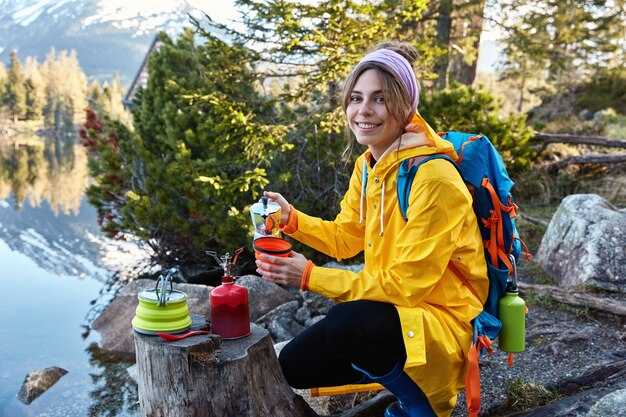
For a 3-day trip, pack roughly 2,600–3,000 kcal per person, spread across meals and snacks to cover hours of activity on the trail. Breakfast starts strong, lunch and dinner provide the main fuel, and a handful of snacks keeps energy steady during rain or unpredictable weather. Youll find concrete weights and volumes below to keep packing compact and predictable.
Below is a detailed, weight- and volume-conscious list to fuel diverse adventures from kayak trips to car-camping, spanning months such as april, june, and december. When groceries arrived, you can adjust portions to match how heavy your days will be. The goal is to spread intake across the day so dining feels relaxing yet purposeful, with a diverse spread that helps you stay warm, energized, and focused on the next leg of the journey.
- Breakfast staples
- Rolled oats – per portion 60 g; dry volume ~120 ml; two portions per day; total 360 g and ~720 ml for 3 days.
- Powdered milk – per portion 15 g; volume negligible as packed, estimate ~20 ml per portion when rehydrated; two portions per day; total 90 g.
- Peanut butter – per portion 20 g; volume ~30 ml; two portions per day; total 120 g and ~60 ml in jars.
- Lunch and dinner bases
- Instant rice – dry weight 100 g per serving; dry volume ~180 ml; two servings per day; total 600 g and ~1,080 ml for 3 days.
- Couscous or quinoa – 80 g per serving; volume ~110 ml; two servings per day; total 480 g and ~660 ml.
- Tuna pouches (oil or water) – 80 g per pouch; volume ~90 ml; two per day; total 480 g and ~540 ml.
- Olive oil for cooking – 15 ml per day; total 45 ml; weight ~41 g; keep in a small, leak-proof bottle.
- Lentils or beans (pre-cooked or ready-to-hydrate) – 60 g per serving; two servings per day if used; total 360 g and ~600 ml for 3 days.
- Dehydrated vegetables – 25 g per serving; two servings per day; total 150 g and ~300 ml.
- Protein and fats
- Jerky or jerked meat – 28 g per serving; two servings per day; total 168 g and ~150 ml in packaging.
- Mixed nuts and seeds – 40 g per day; total 120 g and ~120 ml.
- Chia or hemp seeds – 15 g per day; total 45 g and ~60 ml.
- Fruits, snacks, and morale boosters
- Dried fruit – 50 g per day; total 150 g and ~150 ml.
- Dark chocolate or dessert bite – 15 g per day; total 45 g and ~40 ml.
- Rice cakes or crispbread – 20 g per serving; two servings per day; total 120 g and ~150 ml.
- Seasonings and extras
- Salt, pepper, dried herbs – small sachets or a compact shaker; keep weight under 20 g.
- Electric kettle or stove fuel compatibility notations – include a minimal fuel plan; keep in check with the gear list.
- Condiments in small packets – soy sauce, hot sauce, or sugar substitutes; total 15–25 g each.
- Plan notes by season and activity
- In june or april wilderness trips, adjust portions for longer daylight hours and higher activity; in december, add an extra 200–400 kcal per day for colder temps.
- For kayak trips or other vehicles-enabled ventures, keep items in watertight bags and label portions for quick access during a brief stop.
- Have a small “desserts” packet ready for a morale boost after a long stretch; this helps you maintain focus on the trail ahead.
Practical packing tips: portion meals into labeled zip bags or small containers so you can quickly grab a serving, reduce unpacking time, and keep your space tidy. Place heavier items toward the bottom of your pack or in the hull of a kayak for stable balance. If you’ll be moving between campsites, keep a compact set of items in a weatherproof pouch and restock at the next checkpoint, ensuring you never run low on essentials. The approach below keeps dessert options visible but controlled, and it spreads calories across the day to meet fluctuating energy demands on long, varied outings.
Bottom line: this detailed, weight- and volume-conscious plan makes it easy to tailor for a 3-day ride, with room to vary portions by activity level or weather. You arrived with a clear goal, and these metrics help you stay on track whether you’re hiking, paddling, or relaxing by the fire after dinner. The setup is designed to be flexible, so you can adjust for longer trips, more people, or alternate menus without blowing the packing budget. If you’re planning ahead for april, june, or december trips, you can reuse this structure and simply scale quantities up or down by the number of participants or days. Ticket in hand, you’re ready to hit the trail with a diverse, satisfying spread that makes the journey enjoyable rather than exhausting.
On-Trail Cooking: Gear, Fuel, and Quick-Prep Recipes
Start with a compact stove, a windscreen, and a 1-liter pot; buying a compatible fuel canister is the best move for reliability on long days. If you are a first-time on-trail cook, keep plans simple and choose options that boil water quickly. You need a small cutting board, a knife, a spoon, a compact towel, and a lightweight repair kit; these things cut prep time and minimize improvisation at the stove. A single-pot setup lets you cook beside hotels, between village stays, or out on the trail without extra clutter.
Fuel strategy: in mild conditions, isobutane blends shine; in cold nights or high elevations, white gas offers steadier pressure. For april routes near snow-capped peaks or during border crossings, test your stove in cool mornings and carry a spare fuel canister. A compact windscreen saves fuel by reducing boil times. Distances between resupply points vary by region, so bring enough fuel for longer legs and plan meals around available water. This approach frees up time for the next climb and helps you stay aware of time budgets on trips.
Oats and berry power porridge: 1/2 cup rolled oats, 1 cup water, pinch salt, 2 tbsp powdered milk, 2 tbsp chopped nuts, 1/4 cup dried fruit, pinch cinnamon. Boil water, add oats, simmer 4–5 minutes, stir in milk powder and fruit, rest 1 minute, then eat. This breakfast yields 350–450 calories and holds well in a small jar for early starts.
Couscous and bean skillet: 1 cup quick-cook couscous, 1 cup hot water, 1/2 cup dehydrated beans, 1/4 cup corn, 1 tbsp olive oil, 1 tsp chili powder, salt. Boil water, add couscous and beans, cover 3–4 minutes, stir in corn and oil, season to taste. Two servings, about 8–12 minutes total. For variety, swap in tuna or cheese powder if you carry them.
Tomato-lentil wrap: 1/2 cup instant lentils, 1/2 cup water, 1 tortilla, 1/4 cup rehydrated tomato bits, 1 tbsp salsa powder, pinch salt, dash pepper. Simmer lentils until tender, spoon onto tortilla, fold, and eat in 3–6 minutes. Portable, filling, and great after a day of cold wind by a lively pass near the border.
Shopping and planning notes: stock staples in markets located along routes; buying in a village before a long stretch saves time. Some trips across argentinian regions in april bring milder days but chilly evenings, so plan for a blend of cold and warm meals. There are tons of options, and there are lots of pantry-friendly items in small stores; keep extra fuel and a spare layer handy in your pack. Being aware of season and distances helps you pace cooking and enjoy the scenery without hunger headaches, making your meals better on longer trips.