


 日本語
日本語  English (UK)
  Русский
  বাংলা
বাংলা  العربية
  한국어
한국어  Magyar
  Norsk nynorsk
  Türkçe
  עִבְרִית
  Español
  Čeština
  Svenska
  Português
  Ελληνικά
  Suomi
Suomi  Nederlands
  Română
  Italiano
  Français
  Polski
  Українська
  Deutsch
  简体中文
简体中文  Slovenčina
  Српски језик
  اردو
اردو  Azərbaycan dili
  O‘zbekcha
  አማርኛ
አማርኛ 
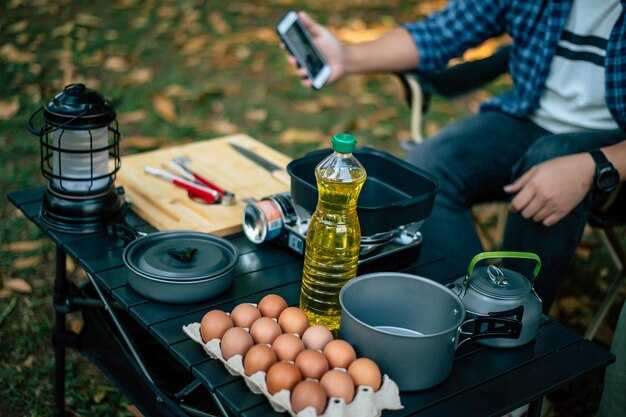
Begin your day with a concrete rule: pack 25–30 g of protein and 600–800 kcal for the first two hours, kept free of unnecessary fluff and packed with real foods you actually enjoy.
For daily fueling, maintain a simple macro plan: protein 1.2–1.6 g/kg, carbs 4–6 g/kg, fats to fill the rest. Hydration stays practical at 35–40 ml/kg per day, with electrolytes on hot days or at altitude. On unpredictable days, awareness matters: the weather shifts, the terrain is steep, and the panoramic views come with gusts that challenge appetite. Be aware of fatigue signals and adjust. When hunger comes, pre-portion meals and snacks so you actually eat on schedule, not by whim. Make sure you have enough energy in reserve for the longest ascent.
Choose shelf-stable, affordable staples that travel light: almonds, peanuts, mixed nuts, oats, dried fruit, jerky or tuna packets, and small cheese portions. The cheapest bundles deliver energy per gram, while a few protein-dense options prevent energy dips. Include a salty snack for patagonico winds, and use light, resealable packaging to keep aromas down in caves or tents. In practice, a 30 g nut mix plus a 40 g jerky bar at each break keeps you moving and avoids cramming cravings. You can pace yourself with a tiny, one-way bag system so you don’t carry duplicates.
Here’s a practical day-up plan you can adapt: breakfast 20–30 g protein with oats or powder milk; mid-morning snack 200–300 kcal; lunch a 400–600 kcal mix of starch and protein; afternoon snack 200–300 kcal; dinner 500–700 kcal with a complete protein source. If you’re starting a longer trek, carry an extra 200–300 kcal in a compact bar or fudge that travels well. getty-style field notes remind you to adjust portions to quite stable pace; the goal is to stay ahead of fatigue without overloading your pack.
Keep this approach flexible: once you know how your body responds, you’ll crave a quite stable routine more than guesswork. Some hikers asked for a simple starter, and this approach scales well on longer trips. Build your plan with small, repeatable steps, monitor GI comfort, and adjust fuel during big ascents or cold nights. If you’re ever unsure, remember that a balanced, pragmatic routine beats heroic but chaotic meals when unpredictability rules the trail; quite often, your appetite will thank you, and bigfoot can wait.
Patagonia Two-Week Itinerary and Practical Nutrition Strategy for Outdoor Enthusiasts
Pack a 14-day caloric plan with shelf-stable meals and a compact stove, and keep a centralized grocery list collected in neuquén; the meals are packed and ready for field cooking.
Starting from neuquén, head toward a mountain village to acclimate; check into rooms at a rustic lodge and begin the first cooking test after a day on the road.
Days 4-7 stay on a loop through parque Nahuel Huapi and nearby towns, with planned hikes, a must-see overlook, and an optional kayak on the lake; guanacos observe from the slopes as temperatures swing, so bring breathable layers and a compact duvet for cool evenings.
What comes next in the coming days is a southward move to El Chaltén for multi-day treks into Parque Nacional Los Glaciares; magical views greet early starts, and refugios offer rooms and reliable cooking facilities; carry a compact duvet for chilly nights and refresh energy with protein-rich snacks between climbs.
Days 12-14 return toward neuquén with a relaxed finish: a final kayak on a protected lake, a couple of town visits, and a closing check before flying or driving home; for passengers flying out, verify baggage allowances well in advance and plan to ship bulky gear if needed.
Nutrition strategy: aim for roughly 50% carbs, 30% fats, 20% protein; hydrate with 2–3 liters of water daily and supplement with electrolyte powder on long climbs; snack 2–3 times between meals using nuts, dried fruit, jerky, and compact cheese, and pre-portion meals for each day to streamline cooking; already tested with groups, known by guides, and this process has helped many travelers; energy stays steady even when temperatures drop.
june planning tips: daylight narrows, so start early and finish with a warm dinner; check weather every morning and adjust pacing accordingly; the tierra landscapes add a magical backdrop to each village visit, and the must-see ridges reward consistent effort; doing this approach helps maintain energy and recovery.
Wildlife etiquette and safety: none of the waste should be left behind; keep a respectful distance from guanacos and other wildlife; follow Leave No Trace across parque and towns, and coordinate with passengers if you plan to share meals on the same trail.
Day-by-Day Meal Plan for Patagonia Trekking
Pack a compact, high-protein breakfast and a 250–300 kcal snack for Day 1 from Chalten, and drink 2 liters of water before the morning climb to mirador; keep a daily list of meals to simplify refills.
Day 1 in Chalten begins with a warm oats-and-nuts bowl: 50 g oats, 20 g almonds, dried fruit, and honey for about 520 kcal. Lunch balances a chickpea wrap with greens (≈450 kcal); snacks include two energy bars (≈200–250 kcal); dinner provides quinoa with roasted vegetables and a lean protein (≈600–700 kcal). Hydration stays at 2–3 L; you should finish the day with enough energy for a climb that reveals a large view. Wildlife sightings around the trailhead add motivation; be aware and move calmly if you hear branches rustle. Accommodations near the trailhead offer a simple, traditional setup, and booking in advance avoids stress. Tickets to park areas can be purchased locally, and guides can suggest the best mirador routes for the afternoon. If you want variety, swap the lunch for Spanish-style tortilla or a light lentil salad; none of the meals requires refrigeration beyond a day’s shelf life.
Day 2 keeps you moving toward the Fitz Roy base. Breakfast remains around 500 kcal; you’ll carry a thermos with soup or a hot drink to stay warm. Lunch blends tomato and rice or a lentil soup; dinner is pasta with tomato sauce and vegetables; snacks include nuts and dried fruit, totaling roughly 2,800–3,000 kcal for the day. The route offers a rewarding view from a mirador; wildlife may appear along the path. Refugios located near the trailhead provide basic accommodations, and booking ahead secures a bed. If you grabbed tickets and arranged transport, you’ll avoid last‑minute delays; you’ll meet fellow travelers from several countries in the area. When you encounter steeper sections, cut portions slightly and pace yourself, avoiding hard days on consecutive climbs. If a traditional restaurant near the refugio tempts you, a Spanish‑inspired dish will hit the spot; if you took a late drive, plan shorter daylight segments and carry a compact headlamp.
Day 3 targets a southern ridge with a longer ascent. Breakfast options include buckwheat porridge; lunch offers a bulgur salad; dinner features a bean stew; snacks round out the plan. Daily calories run about 2,900–3,200. You may dine at a local restaurant or in the refugio, with some large portions to share if you prefer, but keep portions manageable to stay nimble on the trail. The mirador delivers an expansive view, and wildlife may wander close–stay aware and respect space. Refugios are located nearby, and there are few less crowded options if you book early. Meeting travelers from different countries adds variety to the evening conversations; when you cross a snow patch, step carefully and conserve energy; none of these meals relies on specialty gear beyond a small stove kit.
Day 4 leans into steady, low‑intensity days between climbs. Breakfast cereal with milk powder, lunch quinoa bowl, dinner bean stew, and snacks of fruit and nuts keep you fueled. The route stays in a sheltered valley with a calm view of the granite walls reflected in a lake; this view is perfect for photos. There’s a local restaurant offering Spanish‑inspired tapas and traditional dishes; if you crave a heartier option, an asado can be found in the evening. Accommodations near the trailhead remain convenient, and booking prevents morning delays. Tickets to access certain viewpoints may still be required, so carry your pass. When the day wraps, a comfortable bed and a warm shower help you recover for the final push; choose less crowded refugios if possible to reduce noise and maximize sleep.
Day 5 returns toward the trailhead and exits the park area. Breakfast uses leftovers and fruit; lunch is a light wrap; dinner is a celebratory hot meal at a refugio, totaling around 2,200–2,500 kcal. You’ll spot wildlife near a broad view and have a last chance for a photoshoot with the mountains. After packing, verify transport back to the town and confirm your booking for any return tickets or flights; a final drive to the bus stop or airport is short but worth planning. Back in town, you can relax at a restaurant and compare notes with fellow trekkers; if you still have tickets, keep them handy, and consider stopping at a mirador you missed earlier. Some travelers swap stories about bigfoot rumors with locals and friends, sealing the trip’s memories.
Lightweight, High-Energy Snack Ideas for Trail Days
For most trail days, start with a 200–250 kcal snack: 40 g mixed nuts and dried fruit plus a 15 g dab of peanut butter to ensure 10–12 g protein and roughly 25–30 g carbs for the next climb.
Option 1: Nuts & Seed Trail Mix – 30 g yields about 170 kcal, 5 g protein, 9 g carbs, 14 g fat. Pack in a lightweight pouch; checked labels help you compare sugar and sodium so the group stays hydrated during dramatic drives or sightseeing stops.
Option 2: Apple + Almond Butter – 1 medium apple (180 g) with 15 g almond butter provides ~185 kcal, 4 g protein, 26 g carbs, 9 g fat. This feels light, travels well, and fits in a small tub for mirador breaks.
Option 3: Rice Cakes with Tuna – two thin rice cakes topped with 45 g tuna and a dash of hot sauce deliver ~230 kcal, 20 g protein, 22 g carbs, 7 g fat. A compact lunch for boating trips or quick sightseeing pauses.
Option 4: Cheese Stick + Whole-Grain Crackers – one cheese stick (28 g) with 20 g crackers gives ~230 kcal, 12 g protein, 22 g carbs, 9 g fat. Easy to stash near cafes or stores for a quick top-up during a longer drive.
Other notes: For variety, try paine bars or other compact options, and check ingredient lists on the website before you stock up. Our guidance is practical, not advertisement, and helps you compare options without overloading your pack.
Share one snack per person in the group, because it reduces waste and speeds up breaks during sightseeing or at a mirador stop.
| Snack | Portion | Calories | Protein g | Carbs g | Fat g |
|---|---|---|---|---|---|
| Nuts & Seed Trail Mix | 30 g | 170 | 5 | 9 | 14 |
| Apple + Almond Butter | 1 medium + 15 g | 185 | 4 | 26 | 9 |
| Rice Cakes with Tuna | 2 cakes + 45 g tuna | 230 | 20 | 22 | 7 |
| Cheese Stick + Crackers | 28 g + 20 g | 230 | 12 | 22 | 9 |
Hydration and Electrolyte Strategy in Patagonia’s Climate
Start with 2 liters of water in your hydration system and keep a 0.5-liter bottle within easy reach; sip 200–250 ml every 15–20 minutes during movement and boost intake to 300–400 ml per 20 minutes on exposed ridges. Add one electrolyte tablet per liter to reach about 300–700 mg sodium per liter, plus 100–200 mg potassium and 20–40 mg magnesium per liter for sustained muscle function on big days.
Patagonia’s climate pushes evaporation through wind and dry air, so sweat rates spike on the W-circuit near Torres and on steep climbs. Expect 0.6–0.9 L of sweat per hour during hard efforts, even more if you’re layered against the wind. Cold days accelerate insensible losses, so plan a daily intake of 2–4 liters, adjusting upward with altitude, sun exposure, or higher pace. Use electrolytes consistently: tablets or powders that provide 300–700 mg sodium, 100–200 mg potassium, and 20–40 mg magnesium per liter help prevent cramps and fatigue.
Choose electrolyte options with low added sugars and handle flavor traded for reliability. One tablet per liter works for most days; in intense heat or high sweat, use two tablets per liter. If you prefer powders, mix to a concentration that keeps the sodium around 300–700 mg per liter while keeping total calories reasonable. Remember to drink before you feel thirsty, especially after long crossings or camping stints where wind dries the mouth quickly.
Water sources along the lake and through high passes require treatment, even when streams look clean. Carry a compact filter or purifier plus a small amount of iodine or a UV pen for rapid safety. For Nahuel Huapi lake-adjacent routes and the historic refugios on the W-circuit, treat every source and consider boiling when the water looks off. Always verify the источник of your information with ranger notices or guide journals, and log your intake to avoid underhydration on back-to-back days.
数日間の旅行では、キャンプで早めに水分補給のチェックを計画しましょう。ボトルを満タンにし、電解質を補給し、午後のために2本目のボトルを確保しておきます。ここでは、余分な水は贅沢品ではありません。トーレ基地の近くや湖畔の道沿いで、険しい美しさのパノラマを追い求める間、風による体感温度の低下、高度、日差しを管理するための道具です。キャンプチームと戦略を共有することでリスクを軽減し、信頼性が乏しいときでも順調に進むことができます。見知らぬ人がアドバイスをくれたり、応援してくれたりすることもあるでしょう。冒険は、小さくて実用的な習慣を継続することで育まれます。.
トレイルで繰り返せる実践的なルーティンとしては、日当たりの良い場所を長く歩く前に摂取量を増やし、登りでは一定の水分補給のリズムを保ち、休憩後には水分を補給するようにしましょう。脱水症状(尿の色が濃い、めまい、足のけいれんなど)に気づいたら、安全な範囲内で塩分をより積極的に摂取し、ペースを落としてください。2日目は一貫性が試されることが多いでしょう。1日の終わりには、パタゴニアの気候に対する体の反応がわかり、風光明媚な湖の景色、セロ・トーレのシルエット、そしてアウトドア・ルーティンを特徴づける美しく風の強い道を通って、エネルギーを補給し続けることができる快適なリズムができているはずです。ブエノスアイレスのバリオスでのガイド付きハイキングのチケットは、ロジスティクスのために役立つことがありますが、水分補給計画は常にあなたと共に行動し、道中で出会う仲間たちと共有し、調整していくものです。.
持ち物リスト:栄養価の高い食品(重量と体積別)
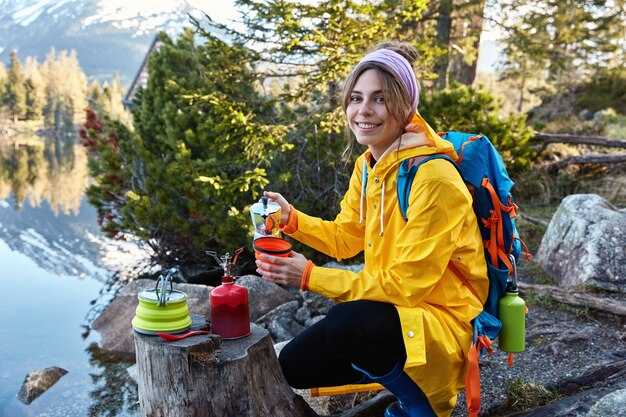
3日間の旅行の場合、1人あたり約2,600~3,000kcalを用意し、食事とスナックに分けて、トレイルでのアクティビティ時間をカバーできるようにしましょう。朝食はしっかり摂り、昼食と夕食で主な燃料を補給し、雨天や予測不可能な天候の間でもエネルギーが安定するように、スナックをいくつか持参しましょう。パッキングをコンパクトかつ予測可能にするために、具体的な重量と容量を以下に示します。.
下記に示すのは、カヤック旅行からオートキャンプまで、4月、6月、12月といった数ヶ月に及ぶ多様な冒険をサポートする、重量と容量を意識した詳細なリストです。食料品が届いたら、日中の活動量に合わせて量を調整できます。目標は、食事をリラックスしながらも目的意識を持って楽しめるように、1日を通して摂取量を分散させ、暖かく、エネルギッシュで、旅の次の区間に集中できるよう、多様な食事を広げることです。.
- 朝食の定番
- オートミール – 1食あたり60g;乾燥時の容量~120ml;1日2食;3日間で合計360g、~720ml。.
- 粉ミルク – 1回分15g;梱包時の容積はごくわずか、再水和時は1回分あたり約20mlと推定;1日2回分;合計90g。.
- ピーナッツバター:1回分20 g、容量~30 ml、1日2回分、合計120 g、瓶入り~60 ml。.
- 昼食と夕食のベース
- 即席米 – 乾燥重量1食あたり100g;乾燥容量~180ml;1日2食;3日間で合計600g、~1,080ml。.
- クスクスまたはキヌア – 1人あたり80g; 容量~110ml; 1日2人分; 合計480g、~660ml。.
- ツナパウチ(オイル漬けまたは水煮)– 1パウチあたり80g、容量約90ml、1日2パウチ、合計480g、約540ml。.
- 調理用オリーブオイル – 1日15ml;合計45ml;重量~41g;小さく、液漏れ防止のボトルに入れて保管。.
- レンズ豆または豆(調理済または水戻し用)– 1食あたり60g。使用する場合は1日2食;合計360g、3日間で〜600ml。.
- 乾燥野菜 – 1食あたり25g;1日2食;合計150g、約300ml。.
- タンパク質と脂質
- ジャーキーまたはジャークドミート – 1食あたり28g;1日2食;総量168g、包装内に約150ml。.
- ミックスナッツと種 – 1日あたり40 g;合計120 g、約120 ml。.
- チアシードまたはヘンプシード – 1日15g;合計45g、約60ml。.
- フルーツ、軽食、士気向上剤
- ドライフルーツ – 1日50g、合計150g、約150ml。.
- ダークチョコレートまたはデザートの一口 – 1日あたり15 g;合計45 g、約40 ml。.
- ライスケーキまたはクリスプブレッド – 1食あたり20 g;1日2食;合計120 g および~150 ml。.
- 調味料と追加
- 塩、胡椒、乾燥ハーブ – 小分け袋またはコンパクトなシェイカーで。重量は20g以下に抑えてください。.
- 電気ケトルまたはストーブの燃料互換性に関する注記 – 最小限の燃料計画を含めること。ギアリストと照らし合わせること。.
- 小袋に入った調味料(醤油、ホットソース、または甘味料など)。それぞれ合計15~25g。.
- 季節と活動ごとのプランメモ
- 6月または4月の野外旅行では、日照時間が長く、活動量も増えるため、食事の量を調整してください。12月は、気温が低いため、1日に200~400kcalを追加してください。.
- カヤック旅行やその他の車両を利用した冒険では、アイテムを防水バッグに入れ、短い休憩中に素早くアクセスできるよう区分にラベルを付けてください。.
- 長時間の移動後の気分転換に、ちょっとした「デザート」を用意しておくと、先にある道のりに集中しやすくなります。.
実践的なパッキング術:食事は、すぐに取り出せるように、ラベル付きのジップ付き袋や小さな容器に分けて入れましょう。これにより、荷ほどきの時間を短縮し、スペースをきれいに保つことができます。重い物は、パックの底やカヤックの船体に入れ、安定したバランスを保ちましょう。キャンプ地を移動する場合は、コンパクトな必需品セットを防水ポーチに入れておき、次のチェックポイントで補充することで、常に必需品を切らさないようにします。下記の方法では、デザートの選択肢を目に見える状態に保ちつつ、量を調整し、長くて変化に富んだ外出での変動するエネルギー需要に合わせて、カロリーを一日を通して分散させることができます。.
結論:この詳細な、重量と容量を意識した計画は、3日間のライドに合わせて簡単に調整でき、活動レベルや天候に応じて量を調整できる余地もあります。明確な目標を持って到着し、これらの指標は、ハイキング、パドリング、または夕食後の焚き火のそばでのリラックスなど、常に目標を見失わないようにするのに役立ちます。この構成は柔軟性を持たせるように設計されているため、パッキングの予算を圧迫することなく、より長い旅行、より多くの人数、または別のメニューに対応できます。4月、6月、または12月の旅行を事前に計画している場合は、この構造を再利用して、参加者の数や日数に応じて量を増減するだけで済みます。チケットを手に、多様で満足のいく食事とともにトレイルに出る準備は万端です。旅を消耗させるのではなく、楽しいものにしてくれるでしょう。.
トレイルでの料理:ギア、燃料、簡単レシピ
まずは小型ストーブ、ウィンドスクリーン、1リットルの鍋を用意しましょう。互換性のある燃料缶を購入するのが、長丁場での信頼性を高める最良の策です。初めてトレイルで料理をする場合は、計画をシンプルにし、お湯を素早く沸かせるものを選びましょう。小さなまな板、ナイフ、スプーン、コンパクトなタオル、軽量修理キットが必要です。これらは準備時間を短縮し、ストーブでの即興料理を最小限に抑えます。シングルポットのセットアップがあれば、ホテル脇、村の滞在の間、またはトレイルの途中でも、余計なものを持ち込まずに料理ができます。.
燃料戦略:穏やかな状況下では、イソブタン混合燃料が優れています。寒い夜や標高の高い場所では、ホワイトガソリンがより安定した圧力を提供します。雪を頂いた山々の近くや国境越えをする4月ルートでは、涼しい朝にストーブをテストし、予備の燃料缶を携行してください。コンパクトなウィンドスクリーンは、沸騰時間を短縮し、燃料を節約します。補給地点間の距離は地域によって異なるため、より長い距離に対応できる十分な燃料を持参し、入手可能な水に合わせて食事を計画してください。このアプローチは、次の登山のための時間を確保し、旅行中の時間配分を意識するのに役立ちます。.
オートミールとベリーのパワーポリッジ:オートミール1/2カップ、水1カップ、塩ひとつまみ、粉ミルク大さじ2、刻んだナッツ大さじ2、ドライフルーツ1/4カップ、シナモンひとつまみ。水を沸騰させ、オートミールを加え、弱火で4~5分煮る。粉ミルクとフルーツを混ぜて1分置き、食べる。この朝食は350~450カロリーで、小さな瓶に入れておけば早朝の出発にも便利です。.
クスクスと豆のスキレット:クスクス(クイック調理)1カップ、熱湯1カップ、乾燥豆1/2カップ、コーン1/4カップ、オリーブオイル大さじ1、チリパウダー小さじ1、塩。湯を沸騰させ、クスクスと豆を加え、蓋をして3~4分、コーンとオイルを混ぜ、味を調える。2人分、合計約8~12分。変化を付けるには、ツナやチーズパウダーを加えても。.
トマトとレンズ豆のラップ:インスタントレンズ豆1/2カップ、水1/2カップ、トルティーヤ1枚、水で戻したトマト1/4カップ、サルサパウダー大さじ1、塩ひとつまみ、コショウ少々。レンズ豆が柔らかくなるまで煮て、トルティーヤにスプーンで乗せ、折りたたんで3〜6分で食べる。持ち運びやすく、腹持ちが良く、国境近くの活気ある峠で冷たい風に吹かれた一日の後に最適。.
買い物と計画のメモ:道沿いの市場で定番の食材を買い足す;長い道のりになる前に村で買い物をすると時間の節約になる。4月頃のアルゼンチン地方を旅する場合は、比較的穏やかな日でも夜は冷えるので、温かい食事と冷たい食事の両方を考慮して計画する。選択肢はたくさんあり、小さなお店には保存食に最適なものがたくさんある;予備の燃料と重ね着できる衣類をパックに入れておくと便利。季節と距離を意識することで、調理のペースを調整し、空腹で頭痛に悩まされることなく景色を楽しめるので、長旅での食事がより良いものになる。.