


 Français
  English (UK)
  Русский
  বাংলা
বাংলা  العربية
  日本語
日本語  한국어
한국어  Magyar
  Norsk nynorsk
  Türkçe
  עִבְרִית
  Español
  Čeština
  Svenska
  Português
  Ελληνικά
  Suomi
Suomi  Nederlands
  Română
  Italiano
  Polski
  Українська
  Deutsch
  简体中文
简体中文  Slovenčina
  Српски језик
  اردو
اردو  Azərbaycan dili
  O‘zbekcha
  አማርኛ
አማርኛ 
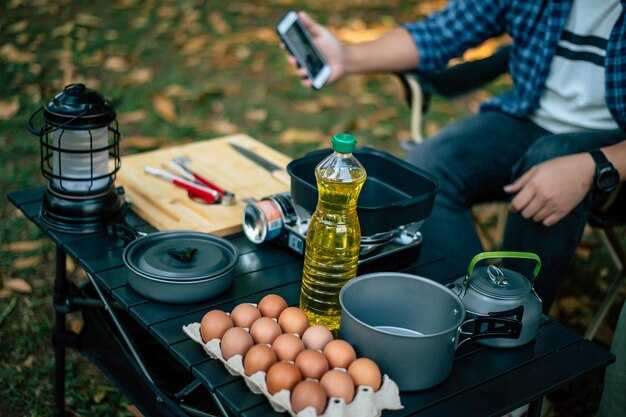
Begin your day with a concrete rule: pack 25–30 g of protein and 600–800 kcal for the first two hours, kept free of unnecessary fluff and emballé with real foods you actually enjoy.
For daily fueling, maintain a simple macro plan: protein 1.2–1.6 g/kg, carbs 4–6 g/kg, fats to fill the rest. Hydration stays practical at 35–40 ml/kg per day, with electrolytes on hot days or at altitude. On unpredictable days, awareness matters: the weather shifts, the terrain is steep, and the panoramic views come with gusts that challenge appetite. Be aware of fatigue signals and adjust. When hunger comes, pre-portion meals and snacks so you actually eat on schedule, not by whim. Make sure you have enough energy in reserve for the longest ascent.
Choose shelf-stable, affordable staples that travel light: almonds, peanuts, mixed nuts, oats, dried fruit, jerky or tuna packets, and small cheese portions. The cheapest bundles deliver energy per gram, while a few protein-dense options prevent energy dips. Include a salty snack for patagonico winds, and use light, resealable packaging to keep aromas down in caves or tents. In practice, a 30 g nut mix plus a 40 g jerky bar at each break keeps you moving and avoids cramming cravings. You can pace yourself with a tiny, sens unique bag system so you don’t carry duplicates.
Here’s a practical day-up plan you can adapt: breakfast 20–30 g protein with oats or powder milk; mid-morning snack 200–300 kcal; lunch a 400–600 kcal mix of starch and protein; afternoon snack 200–300 kcal; dinner 500–700 kcal with a complete protein source. If you’re starting a longer trek, carry an extra 200–300 kcal in a compact bar or fudge that travels well. getty-style field notes remind you to adjust portions to quite stable pace; the goal is to stay ahead of fatigue without overloading your pack.
Keep this approach flexible: once you know how your body responds, you’ll crave a quite stable routine more than guesswork. Some hikers asked for a simple starter, and this approach scales well on longer trips. Build your plan with small, repeatable steps, monitor GI comfort, and adjust fuel during big ascents or cold nights. If you’re ever unsure, remember that a balanced, pragmatic routine beats heroic but chaotic meals when unpredictability rules the trail; quite often, your appetite will thank you, and bigfoot can wait.
Patagonia Two-Week Itinerary and Practical Nutrition Strategy for Outdoor Enthusiasts
Pack a 14-day caloric plan with shelf-stable meals and a compact stove, and keep a centralized grocery list collected in neuquén; the meals are packed and ready for field cooking.
Starting from neuquén, head toward a mountain village to acclimate; check into rooms at a rustic lodge and begin the first cooking test after a day on the road.
Days 4-7 stay on a loop through parque Nahuel Huapi and nearby towns, with planned hikes, a must-see overlook, and an optional kayak on the lake; guanacos observe from the slopes as temperatures swing, so bring breathable layers and a compact duvet for cool evenings.
What comes next in the coming days is a southward move to El Chaltén for multi-day treks into Parque Nacional Los Glaciares; magical views greet early starts, and refugios offer rooms and reliable cooking facilities; carry a compact duvet for chilly nights and refresh energy with protein-rich snacks between climbs.
Days 12-14 return toward neuquén with a relaxed finish: a final kayak on a protected lake, a couple of town visits, and a closing check before flying or driving home; for passengers flying out, verify baggage allowances well in advance and plan to ship bulky gear if needed.
Nutrition strategy: aim for roughly 50% carbs, 30% fats, 20% protein; hydrate with 2–3 liters of water daily and supplement with electrolyte powder on long climbs; snack 2–3 times between meals using nuts, dried fruit, jerky, and compact cheese, and pre-portion meals for each day to streamline cooking; already tested with groups, known by guides, and this process has helped many travelers; energy stays steady even when temperatures drop.
june planning tips: daylight narrows, so start early and finish with a warm dinner; check weather every morning and adjust pacing accordingly; the tierra landscapes add a magical backdrop to each village visit, and the must-see ridges reward consistent effort; doing this approach helps maintain energy and recovery.
Wildlife etiquette and safety: none of the waste should be left behind; keep a respectful distance from guanacos and other wildlife; follow Leave No Trace across parque and towns, and coordinate with passengers if you plan to share meals on the same trail.
Day-by-Day Meal Plan for Patagonia Trekking
Pack a compact, high-protein breakfast and a 250–300 kcal snack for Day 1 from Chalten, and drink 2 liters of water before the morning climb to mirador; keep a daily list of meals to simplify refills.
Day 1 in Chalten begins with a warm oats-and-nuts bowl: 50 g oats, 20 g almonds, dried fruit, and honey for about 520 kcal. Lunch balances a chickpea wrap with greens (≈450 kcal); snacks include two energy bars (≈200–250 kcal); dinner provides quinoa with roasted vegetables and a lean protein (≈600–700 kcal). Hydration stays at 2–3 L; you should finish the day with enough energy for a climb that reveals a large view. Wildlife sightings around the trailhead add motivation; be aware and move calmly if you hear branches rustle. Accommodations near the trailhead offer a simple, traditional setup, and booking in advance avoids stress. Tickets to park areas can be purchased locally, and guides can suggest the best mirador routes for the afternoon. If you want variety, swap the lunch for Spanish-style tortilla or a light lentil salad; none of the meals requires refrigeration beyond a day’s shelf life.
Day 2 keeps you moving toward the Fitz Roy base. Breakfast remains around 500 kcal; you’ll carry a thermos with soup or a hot drink to stay warm. Lunch blends tomato and rice or a lentil soup; dinner is pasta with tomato sauce and vegetables; snacks include nuts and dried fruit, totaling roughly 2,800–3,000 kcal for the day. The route offers a rewarding view from a mirador; wildlife may appear along the path. Refugios located near the trailhead provide basic accommodations, and booking ahead secures a bed. If you grabbed tickets and arranged transport, you’ll avoid last‑minute delays; you’ll meet fellow travelers from several countries in the area. When you encounter steeper sections, cut portions slightly and pace yourself, avoiding hard days on consecutive climbs. If a traditional restaurant near the refugio tempts you, a Spanish‑inspired dish will hit the spot; if you took a late drive, plan shorter daylight segments and carry a compact headlamp.
Day 3 targets a southern ridge with a longer ascent. Breakfast options include buckwheat porridge; lunch offers a bulgur salad; dinner features a bean stew; snacks round out the plan. Daily calories run about 2,900–3,200. You may dine at a local restaurant or in the refugio, with some large portions to share if you prefer, but keep portions manageable to stay nimble on the trail. The mirador delivers an expansive view, and wildlife may wander close–stay aware and respect space. Refugios are located nearby, and there are few less crowded options if you book early. Meeting travelers from different countries adds variety to the evening conversations; when you cross a snow patch, step carefully and conserve energy; none of these meals relies on specialty gear beyond a small stove kit.
Day 4 leans into steady, low‑intensity days between climbs. Breakfast cereal with milk powder, lunch quinoa bowl, dinner bean stew, and snacks of fruit and nuts keep you fueled. The route stays in a sheltered valley with a calm view of the granite walls reflected in a lake; this view is perfect for photos. There’s a local restaurant offering Spanish‑inspired tapas and traditional dishes; if you crave a heartier option, an asado can be found in the evening. Accommodations near the trailhead remain convenient, and booking prevents morning delays. Tickets to access certain viewpoints may still be required, so carry your pass. When the day wraps, a comfortable bed and a warm shower help you recover for the final push; choose less crowded refugios if possible to reduce noise and maximize sleep.
Day 5 returns toward the trailhead and exits the park area. Breakfast uses leftovers and fruit; lunch is a light wrap; dinner is a celebratory hot meal at a refugio, totaling around 2,200–2,500 kcal. You’ll spot wildlife near a broad view and have a last chance for a photoshoot with the mountains. After packing, verify transport back to the town and confirm your booking for any return tickets or flights; a final drive to the bus stop or airport is short but worth planning. Back in town, you can relax at a restaurant and compare notes with fellow trekkers; if you still have tickets, keep them handy, and consider stopping at a mirador you missed earlier. Some travelers swap stories about bigfoot rumors with locals and friends, sealing the trip’s memories.
Lightweight, High-Energy Snack Ideas for Trail Days
For most trail days, start with a 200–250 kcal snack: 40 g mixed nuts and dried fruit plus a 15 g dab of peanut butter to ensure 10–12 g protein and roughly 25–30 g carbs for the next climb.
Option 1: Nuts & Seed Trail Mix – 30 g yields about 170 kcal, 5 g protein, 9 g carbs, 14 g fat. Pack in a lightweight pouch; checked labels help you compare sugar and sodium so the group stays hydrated during dramatic drives or sightseeing stops.
Option 2: Apple + Almond Butter – 1 medium apple (180 g) with 15 g almond butter provides ~185 kcal, 4 g protein, 26 g carbs, 9 g fat. This feels light, travels well, and fits in a small tub for mirador breaks.
Option 3: Rice Cakes with Tuna – two thin rice cakes topped with 45 g tuna and a dash of hot sauce deliver ~230 kcal, 20 g protein, 22 g carbs, 7 g fat. A compact lunch for boating trips or quick sightseeing pauses.
Option 4: Cheese Stick + Whole-Grain Crackers – one cheese stick (28 g) with 20 g crackers gives ~230 kcal, 12 g protein, 22 g carbs, 9 g fat. Easy to stash near cafes or stores for a quick top-up during a longer drive.
Other notes: For variety, try paine bars or other compact options, and check ingredient lists on the website before you stock up. Our guidance is practical, not advertisement, and helps you compare options without overloading your pack.
Share one snack per person in the group, because it reduces waste and speeds up breaks during sightseeing or at a mirador stop.
| Snack | Portion | Calories | Protein g | Carbs g | Fat g |
|---|---|---|---|---|---|
| Nuts & Seed Trail Mix | 30 g | 170 | 5 | 9 | 14 |
| Apple + Almond Butter | 1 medium + 15 g | 185 | 4 | 26 | 9 |
| Rice Cakes with Tuna | 2 cakes + 45 g tuna | 230 | 20 | 22 | 7 |
| Cheese Stick + Crackers | 28 g + 20 g | 230 | 12 | 22 | 9 |
Hydration and Electrolyte Strategy in Patagonia’s Climate
Start with 2 liters of water in your hydration system and keep a 0.5-liter bottle within easy reach; sip 200–250 ml every 15–20 minutes during movement and boost intake to 300–400 ml per 20 minutes on exposed ridges. Add one electrolyte tablet per liter to reach about 300–700 mg sodium per liter, plus 100–200 mg potassium and 20–40 mg magnesium per liter for sustained muscle function on big days.
Patagonia’s climate pushes evaporation through wind and dry air, so sweat rates spike on the W-circuit near Torres and on steep climbs. Expect 0.6–0.9 L of sweat per hour during hard efforts, even more if you’re layered against the wind. Cold days accelerate insensible losses, so plan a daily intake of 2–4 liters, adjusting upward with altitude, sun exposure, or higher pace. Use electrolytes consistently: tablets or powders that provide 300–700 mg sodium, 100–200 mg potassium, and 20–40 mg magnesium per liter help prevent cramps and fatigue.
Choose electrolyte options with low added sugars and handle flavor traded for reliability. One tablet per liter works for most days; in intense heat or high sweat, use two tablets per liter. If you prefer powders, mix to a concentration that keeps the sodium around 300–700 mg per liter while keeping total calories reasonable. Remember to drink before you feel thirsty, especially after long crossings or camping stints where wind dries the mouth quickly.
Water sources along the lake and through high passes require treatment, even when streams look clean. Carry a compact filter or purifier plus a small amount of iodine or a UV pen for rapid safety. For Nahuel Huapi lake-adjacent routes and the historic refugios on the W-circuit, treat every source and consider boiling when the water looks off. Always verify the источник of your information with ranger notices or guide journals, and log your intake to avoid underhydration on back-to-back days.
On multi-day trips, plan an early hydration check at camp: fill up, refresh electrolytes, and set a second bottle aside for the afternoon.Extra water is not a luxury here; it’s a tool to manage wind chill, altitude, and sun while you chase a must-see panorama of rugged beauty near Torre base or along the lakeside paths. Sharing a strategy with your camping team reduces risk and helps you stay on track even when reliability seems scarce, though you may encounter strangers who offer tips or cheer you on–adventure thrives on small, practical habits done consistently.
Pour une routine pratique à répéter sur le sentier, essayez d'augmenter votre apport avant les longues sections exposées au soleil, gardez un rythme d'hydratation régulier pendant les montées et réhydratez-vous après les pauses. Si vous remarquez des signes de déshydratation – urine foncée, vertiges ou crampes aux jambes – ajoutez du sel plus énergiquement dans les limites de sécurité et ralentissez votre rythme. Le deuxième jour teste souvent la constance ; en fin de journée, vous saurez comment votre corps réagit au climat de la Patagonie, et vous aurez un rythme confortable qui vous permettra de rester hydraté à travers les vues magnifiques sur les lacs, les silhouettes du Cerro Torre et les passages magnifiques et venteux qui définissent votre routine en plein air. Les billets pour les randonnées guidées dans les quartiers de Buenos Aires peuvent être utiles pour la logistique, mais votre plan d'hydratation vous accompagne, partagé et ajusté avec chaque compagnon de voyage que vous rencontrez en chemin.
Liste de colisage : Aliments nutritifs par poids et par volume
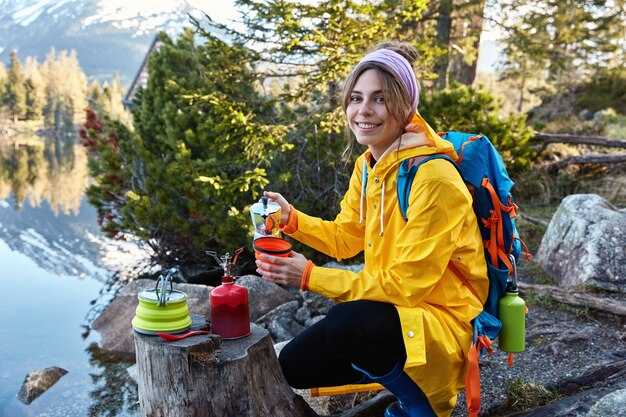
Pour un voyage de 3 jours, prévoyez environ 2 600 à 3 000 kcal par personne, réparties entre les repas et les collations pour couvrir plusieurs heures d'activité sur le sentier. Le petit-déjeuner donne un bon coup de fouet, le déjeuner et le dîner fournissent l'énergie principale, et une poignée de collations maintient un niveau d'énergie constant pendant la pluie ou les intempéries imprévisibles. Vous trouverez ci-dessous des poids et des volumes concrets pour optimiser l'emballage et la prévisibilité.
Voici une liste détaillée, soucieuse du poids et du volume, pour alimenter diverses aventures, des excursions en kayak au camping en voiture, s'étendant sur des mois tels qu'avril, juin et décembre. Lorsque les courses arrivent, vous pouvez ajuster les portions pour qu'elles correspondent à l'intensité de vos journées. L'objectif est de répartir l'apport sur la journée afin que les repas soient à la fois relaxants et utiles, avec une variété qui vous aide à rester au chaud, plein d'énergie et concentré sur la prochaine étape du voyage.
- Produits de base du petit-déjeuner
- Flocons d'avoine – par portion 60 g ; volume à sec ~120 ml ; deux portions par jour ; total 360 g et ~720 ml pour 3 jours.
- Lait en poudre – par portion 15 g ; volume négligeable tel qu'emballé, estimation ~20 ml par portion une fois réhydraté ; deux portions par jour ; total 90 g.
- Beurre de cacahuètes – par portion 20 g ; volume ~30 ml ; deux portions par jour ; total 120 g et ~60 ml en pots.
- Bases de déjeuner et de dîner
- Riz instantané – poids sec 100 g par portion ; volume sec ~180 ml ; deux portions par jour ; total 600 g et ~1 080 ml pour 3 jours.
- Couscous ou quinoa – 80 g par portion ; volume ~110 ml ; deux portions par jour ; total 480 g et ~660 ml.
- Thon en sachet (huile ou eau) – 80 g par sachet ; volume ~90 ml ; deux par jour ; total 480 g et ~540 ml.
- Huile d'olive pour la cuisine – 15 ml par jour ; total 45 ml ; poids ~41 g ; conserver dans un petit flacon étanche.
- Lentilles ou haricots (pré-cuits ou prêts à réhydrater) – 60 g par portion ; deux portions par jour si consommés ; total 360 g et ~600 ml pour 3 jours.
- Légumes déshydratés – 25 g par portion ; deux portions par jour ; 150 g au total et ~300 ml.
- Protéines et graisses
- Viande séchée ou séchée – 28 g par portion ; deux portions par jour ; total 168 g et environ 150 ml dans l'emballage.
- Mélange de noix et de graines – 40 g par jour ; total 120 g et ~120 ml.
- Graines de chia ou de chanvre – 15 g par jour ; total 45 g et ~60 ml.
- Fruits, snacks et remontants
- Fruits secs – 50 g par jour ; total 150 g et ~150 ml.
- Chocolat noir ou bouchée dessert – 15 g par jour ; total 45 g et ~40 ml.
- Galettes de riz ou pain croustillant – 20 g par portion ; deux portions par jour ; total 120 g et ~150 ml.
- Assaisonnements et suppléments
- Sel, poivre, herbes séchées – petits sachets ou un shaker compact ; gardez le poids sous 20 g.
- Notations de compatibilité pour bouilloire électrique ou combustible de réchaud – inclure un plan de combustible minimal ; vérifier la liste d'équipement.
- Condiments en petits sachets – sauce soja, sauce piquante ou substituts de sucre ; 15–25 g chacun au total.
- Planifier des notes par saison et activité
- En juin ou avril, lors de voyages en pleine nature, ajustez les portions pour tenir compte des journées plus longues et de l'activité accrue ; en décembre, ajoutez 200 à 400 kcal supplémentaires par jour pour les températures plus froides.
- Pour les sorties en kayak ou autres excursions en véhicule, gardez vos affaires dans des sacs étanches et étiquetez les sections pour un accès rapide lors d'un court arrêt.
- Préparez un petit paquet de “ douceurs ” pour un remontant après une longue étape ; cela vous aide à rester concentré sur le chemin à parcourir.
Conseils pratiques pour faire sa valise : portionnez les repas dans des sacs congélation étiquetés ou de petits contenants pour pouvoir attraper rapidement une portion, réduire le temps de déballage et garder votre espace rangé. Placez les objets les plus lourds vers le bas de votre sac à dos ou dans la coque d'un kayak pour un équilibre stable. Si vous vous déplacerez entre les campings, gardez un ensemble compact d'articles dans une pochette résistante aux intempéries et réapprovisionnez-vous au prochain point, vous assurant de ne jamais manquer d'essentiels. L'approche ci-dessous permet de garder les desserts visibles mais contrôlés, et répartit les calories tout au long de la journée pour répondre aux demandes d'énergie fluctuantes lors de sorties longues et variées.
En bref : ce plan détaillé, soucieux du poids et du volume, permet de l'adapter facilement pour une sortie de 3 jours, avec une marge pour ajuster les portions en fonction du niveau d'activité ou de la météo. Vous êtes arrivé avec un objectif clair, et ces métriques vous aident à rester sur la bonne voie, que vous fassiez de la randonnée, du kayak ou que vous vous relaxiez au coin du feu après le dîner. La configuration est conçue pour être flexible, vous pouvez donc l'ajuster pour des voyages plus longs, plus de personnes, ou des menus alternatifs sans dépasser le budget de l'emballage. Si vous planifiez à l'avance des sorties en avril, juin ou décembre, vous pouvez réutiliser cette structure et simplement augmenter ou diminuer les quantités en fonction du nombre de participants ou de jours. Le billet en main, vous êtes prêt à partir sur les sentiers avec un repas varié et satisfaisant qui rend le voyage agréable plutôt qu'épuisant.
Cuisine de sentier : équipement, combustible et recettes de préparation rapide
Commencez avec un réchaud compact, un coupe-vent et une marmite de 1 litre ; acheter une cartouche de combustible compatible est le meilleur choix pour la fiabilité lors des longues journées. Si vous êtes un cuisinier débutant sur les sentiers, gardez vos plans simples et choisissez des options qui font bouillir l'eau rapidement. Vous avez besoin d'une petite planche à découper, d'un couteau, d'une cuillère, d'une serviette compacte et d'un kit de réparation léger ; ces éléments réduisent le temps de préparation et minimisent l'improvisation au réchaud. Une installation avec une seule marmite vous permet de cuisiner près des hôtels, entre deux séjours en village, ou sur le sentier sans encombrement supplémentaire.
Stratégie de carburant : par temps doux, les mélanges d'isobutane brillent ; par nuits froides ou en haute altitude, le white gas offre une pression plus constante. Pour les itinéraires d'avril près des sommets enneigés ou lors des passages frontaliers, testez votre réchaud les matins frais et emportez une cartouche de carburant de rechange. Un pare-vent compact permet d'économiser du carburant en réduisant les temps d'ébullition. Les distances entre les points de ravitaillement varient selon la région, alors apportez suffisamment de carburant pour les étapes plus longues et planifiez vos repas en fonction de l'eau disponible. Cette approche libère du temps pour la prochaine ascension et vous aide à rester conscient des budgets temps lors de vos sorties.
Porridge « avoine et baies énergisantes » : 1/2 tasse de flocons d'avoine, 1 tasse d'eau, une pincée de sel, 2 c. à soupe de lait en poudre, 2 c. à soupe de noix hachées, 1/4 tasse de fruits secs, une pincée de cannelle. Porter l'eau à ébullition, ajouter les flocons d'avoine, laisser mijoter 4 à 5 minutes, incorporer le lait en poudre et les fruits, laisser reposer 1 minute, puis déguster. Ce petit-déjeuner apporte 350 à 450 calories et se conserve bien dans un petit bocal pour les départs matinaux.
Couscous aux haricots : 1 tasse de couscous à cuisson rapide, 1 tasse d'eau chaude, 1/2 tasse de haricots déshydratés, 1/4 tasse de maïs, 1 c. à soupe d'huile d'olive, 1 c. à café de poudre de chili, sel. Porter l'eau à ébullition, ajouter le couscous et les haricots, couvrir 3 à 4 minutes, incorporer le maïs et l'huile, assaisonner au goût. Deux portions, environ 8 à 12 minutes au total. Pour varier, ajoutez du thon ou de la poudre de fromage si vous en avez.
Wrap tomate-lentilles : 1/2 tasse de lentilles instantanées, 1/2 tasse d'eau, 1 tortilla, 1/4 tasse de tomates réhydratées en miettes, 1 c. à soupe de poudre de salsa, pincée de sel, une touche de poivre. Laisser mijoter les lentilles jusqu'à ce qu'elles soient tendres, déposer sur la tortilla, plier et déguster en 3 à 6 minutes. Pratique, rassasiant et excellent après une journée de vent froid près d'un col animé près de la frontière.
Notes sur le shopping et la planification : faites provision d'aliments de base dans les marchés situés le long des routes ; acheter dans un village avant une longue traversée permet de gagner du temps. Certaines traversées de régions argentines en avril apportent des journées plus douces mais des soirées fraîches, alors prévoyez un mélange de repas froids et chauds. Il y a une tonne d'options, et il y a beaucoup d'articles de garde-manger dans les petits magasins ; gardez du carburant supplémentaire et une couche de vêtements de rechange à portée de main dans votre sac. Être conscient de la saison et des distances vous aide à gérer votre cuisine et à profiter du paysage sans maux de tête dus à la faim, rendant vos repas meilleurs lors des longs voyages.