


 O‘zbekcha
  English (UK)
  Русский
  বাংলা
বাংলা  العربية
  日本語
日本語  한국어
한국어  Magyar
  Norsk nynorsk
  Türkçe
  עִבְרִית
  Español
  Čeština
  Svenska
  Português
  Ελληνικά
  Suomi
Suomi  Nederlands
  Română
  Italiano
  Français
  Polski
  Українська
  Deutsch
  简体中文
简体中文  Slovenčina
  Српски језик
  اردو
اردو  Azərbaycan dili
  አማርኛ
አማርኛ 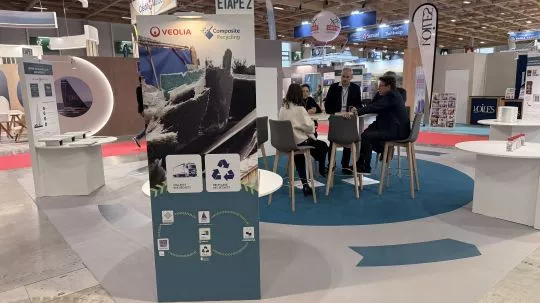 How Beneteau and Composite Recycling Turn Hull Waste into New Boat Materials">

Manufacturing logistics now route roughly 10–15% production offcuts from resin and reinforcements through a dedicated recovery chain: collection at Beneteau yards, consolidation and transport to Composite Recycling’s pyrolyzer, and onward shipment of reclaimed glass fiber and pyrolysis oil to industrial partners for reprocessing into new hull materials, with large-scale trials booked for 2026 on a Lagoon 82 demonstrator.
Closed-loop recycling chain at a glance
Beneteau and Composite Recycling have defined an operational loop that starts at the point of cutting and lamination inside production halls and ends with reintroduced materials in new hull laminates. The process is structured to minimise transport distances and handling stages, reducing carbon footprint while maintaining supply-chain traceability.
Supply‑chain steps
- On-site segregation of polyester and fiberglass offcuts during hull layup;
- Consolidation and palletised transport to the pyrolysis facility;
- Thermal separation in a low-temperature pyrolyzer to recover oil and fibres;
- Distribution of recovered streams to Arkema, Owens Corning and Chomarat for reprocessing;
- Return logistics delivering reprocessed Elium resin and remanufactured fabrics back to boatyards for reintegration.
Pyrolysis separation process
The central technology is a pyrolyzer designed by Composite Recycling. Operating at approximately 400°C, it selectively decomposes thermoplastic binders while preserving the integrity of glass fibers. The thermal profile is tuned to avoid combustion, ensuring recovered fibres retain mechanical performance suitable for re-incorporation.
| Input | Chiqish | Reprocessor |
|---|---|---|
| Polyester and thermoplastic offcuts | Pyrolysis oil | Arkema (Elium resin feedstock) |
| Glass fibre reinforcements | Remelted, spinnable glass fibre | Owens Corning → Chomarat (technical fabrics) |
Materials and mechanical properties
Recovered products are reported to show mechanical properties comparable to virgin inputs when processed by partners. This parity is crucial: it allows reintroduced materials to meet structural requirements in hulls and deck assemblies without major redesign of laminates or manufacturing tooling.
Industrial partnership model
The initiative depends on a modular industrial chain where each partner handles a defined conversion step:
- Arkema reworks pyrolysis oil into a recyclable resin compatible with existing processes;
- Owens Corning remelts reclaimed fibres and readies them for textile spinning;
- Chomarat weaves technical fabrics tuned to marine mechanical needs;
- Beneteau integrates the end-products into new units, closing the loop.
Timeline and first demonstrators
Industrial-scale integration is slated for 2026. The initial demonstrator is a Lagoon 82 catamaran where recycled fibres will be paired with an alternate resin to isolate variable effects. A second vessel, planned with Elium resin and combined recycled fibres, will follow in the same season to validate full-process compatibility.
Challenges en route to end-of-life recycling
Scaling from controlled production offcuts to decommissioned boats presents logistical and economic hurdles:
- Highly variable material quality from old hulls complicates sorting and pre‑processing;
- Lack of historical traceability on many vessels increases uncertainty about resin and reinforcement types;
- Treatment costs remain elevated until throughput volumes and business models improve.
Modularity of the solutions offers a pragmatic path: some shipyards may adopt only resin recovery, others only fibre treatment, enabling phased rollouts across different yards and regions.
Implications for tourism and yacht operations
For the leisure marine sector, recycled composites open opportunities for more sustainable charter fleets and eco-conscious buyers. Operators running Tadbirlar uchun eksklyuziv yaxta charterlari or organising yacht parties can market lower‑impact vessels, while marinas and tour operators can incorporate recycled‑content standards into procurement and maintenance logistics.
Even with encouraging trials, nothing replaces firsthand experience: consumer reviews and expert feedback help, but they can’t substitute testing a boat under real charter or cruising conditions. On GetExperience, you book your experience from verified providers at reasonable prices. This empowers you to make the most informed decision without unnecessary expenses or disappointments. You can also enjoy the convenience of secure online payments with voucher confirmations and request tailored tours or excursions that match your interests—perfect for trying the next generation of sustainable yachts. Book now GetExperience.com
In summary: the Beneteau–Composite Recycling alliance establishes a pragmatic logistics and industrial chain to convert manufacturing offcuts into reusable pyrolysis oil and glass fibres, with first large-scale trials on Lagoon 82 catamarans in 2026. The effort reduces landfill flows, preserves material performance, and depends on coordinated partnerships (Arkema, Owens Corning, Chomarat) and optimised transport and consolidation steps. Long-term ambitions extend to end‑of‑life boats, offering potential benefits for Travel experiences and Adventure activities through more eco-friendly fleets, Luxury adventure travel experiences, Exclusive yacht charters for events, Cruise packages, Safari tours and even Museum tours with live guides tied to sustainable maritime themes. Interactive online cultural workshops and professional esports training programs aside, the key takeaway is that operational recycling can become part of the tourism value chain—enabling eco-friendly wildlife safaris, adventure rafting trips for beginners, and broader sustainable travel options while keeping costs and environmental impacts in check.