


 اردو
اردو  English (UK)
  Русский
  বাংলা
বাংলা  العربية
  日本語
日本語  한국어
한국어  Magyar
  Norsk nynorsk
  Türkçe
  עִבְרִית
  Español
  Čeština
  Svenska
  Português
  Ελληνικά
  Suomi
Suomi  Nederlands
  Română
  Italiano
  Français
  Polski
  Українська
  Deutsch
  简体中文
简体中文  Slovenčina
  Српски језик
  Azərbaycan dili
  O‘zbekcha
  አማርኛ
አማርኛ 
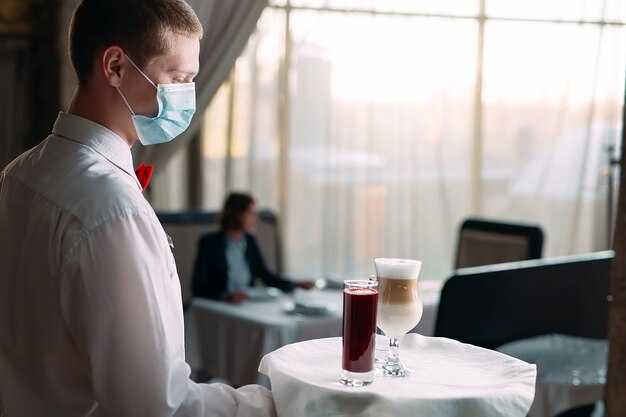
Eat a light, high-protein snack before you board to stabilize blood sugar and combat altitude fatigue. A 15–25 g protein option (about 150–250 calories) keeps you energized without feeling heavy; avoid burritos or other large meals that sit in your stomach and increase strain on digestion. In airplanes, digestion slows, so choose options that are easy to digest and low in salt and fiber; theres no need to push your stomach just before takeoff.
Hydration matters. Sip water regularly, aiming for about 250–350 ml per hour of flight, and limit wines or other alcohol which can worsen dehydration. even moderate caffeine can be included if you tolerate it, but avoid excess sugar and keep a balance with water to stay hydrated. If you drink caffeine, keep it light; you will receive steadier energy across the cabin rather than a quick spike. in an airplane cabin, dry air amplifies fluid loss, so sip steadily rather than chugging at once.
What to avoid at altitude. High-sodium snacks, fried foods, and heavy dairy can cause bloating and slower digestion in the cabin. Limit processed meats, salty crackers, and the occasional bloody marys that add dehydration. If you’re craving a sweet treat, choose کوکیز with modest sugar and pair with water; theres no need to eat more than you planned. harvard research notes that taste perception shifts at altitude, so simple, clean flavors satisfy without overloading your palate.
On the plane, choose light, balanced options like plain yogurt, almonds, fruit, cheese, and whole-grain crackers. These foods sit easier than fried items or burritos and help you stay hydrated. If a warm option is offered on the airplane, pick a clear broth-based soup or a lean protein with vegetables, and receive it in moderate portions. theyre quick to digest at altitude, aligning with harvard guidance that favors small, steady intakes over big meals during flight.
Bottom line: plan ahead, pack smart, and adjust your choices to the flight length. Further, think about your own tolerance–what works on a two-hour hop might not suit a red-eye. Keep alcohol minimal, stay hydrated, and listen to your body’s signals; you will feel less fatigued and arrive clearer at your destination. airplanes and altitude change how tastes and digestion behave, so experimentation with small adjustments is key.
Practical Flight Nutrition Plan: Eat, Drink, and Avoid with Salt Awareness
Pack a low-sodium snack box and hydrate consistently on travel day. youll stay alert and comfortable as cabin oxygen dries your mucosa; a steady hydration plan reduces thirst and stomach strain, making this plan work soon after boarding and across travel hours.
Having a clear structure helps; as explained by nutritionists, salt loads add up quickly in flight. sodium control applies across meals, snacks, and drinks, so aim for 400–600 mg sodium per main meal and keep snacks under 150 mg.
- Before you fly – Build your plate with salad greens (leafy varieties like romaine or spinach) and a lean protein. Choose grilled chicken or beans; add vegetables and a dressing you make at home with lemon or olive oil. Braised lean meat is fine if you leave heavy sauces on the side. Aim for about 400–600 mg sodium per main meal and flavor with herbs, citrus, and pepper instead of salt; this would set you up for success soon after you arrive.
- During the flight – Bring unsalted snacks and sip regularly. A simple plate can be leafy greens topped with a small portion of meat or beans and fresh fruit. If you choose cheese, pick a small wedge and leave extra salt on the side. Hydration should be steady: target about 250 ml per hour; youll reduce dryness and maintain stomach comfort. If youre choosing from airline menus, ask for no-salt-added options and sauces on the side. Limit caffeine to 1 cup and avoid alcohol to prevent dehydration.
- Snack and beverage options – Favor items with lower sodium: fruit cups, plain yogurt, unsalted nuts, carrot sticks with unsalted hummus, and a simple protein with greens. Meal ideas include salad with leafy greens plus grilled meat and vegetables; a plate of braised chicken with quinoa and greens; a small portion of cheese with fruit when sodium is controlled. If you need salt, add it at the table so you can steer the amount. Possible flavor boosters include lemon, herbs, and vinegar.
- What to avoid on board – Restaurant meals at the airport or café often carry high sodium; skip processed meats, heavy sauces, and aged cheeses. Check labels, choose low-sodium options, and leave salt off the plate. This helps against taste fatigue and keeps the stomach comfortable in dry cabin air.
Further tips: hydrate before, during, and after the flight. If youre worried about taste changes, start with a salad that includes leafy greens, then add a protein you enjoy. For flavor, use lemon, herbs, or vinegar instead of salt. This plan keeps salt to a minimum while preserving fullness, so you’re sure to have energy for the next leg of your trip. For back-to-back flights, carry a low-sodium electrolyte option to support balance across legs.
Hydration Strategy for Short, Medium, and Long Flights
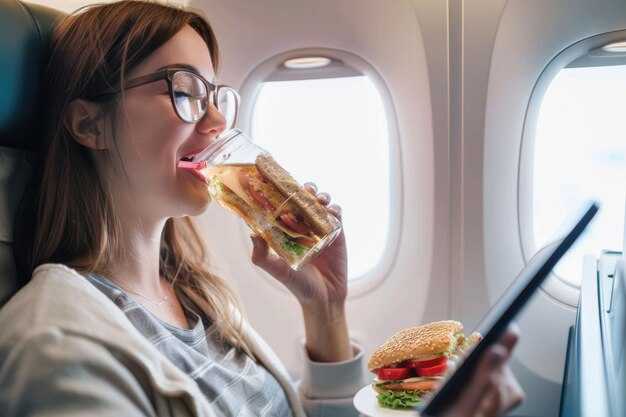
Drink 500 ml water 2-3 hours before your flight and sip 150-250 ml every 30-40 minutes once you’re in the air to stay ahead of dehydration. According to hydration guidance for air travel, steady intake supports comfort and focus; theres no magic fix, but these habits help you receive relief from dry mouth and headaches, whether you’re at the airport or aboard the airplane. Experts explained that steady intake reduces headaches. This approach makes dehydration less likely and is possible to keep up throughout the journey.
Short flights (0–2 hours): 600–900 ml of fluids in transit, mostly water or a low-sugar electrolyte drink. Take small sips every 20–30 minutes and avoid wine and other alcohol, which can worsen dehydration. If you receive a snack, choose fruit and skip cookies or salty options. Be sure to fill your bottle at the airport before security and carry it with you until you land to maintain a steady supply without filling your stomach too quickly.
Medium-length flights (2–6 hours): target 1–1.5 liters in flight plus a light preflight dose. If you can, add an electrolyte beverage every 2–3 hours or use fogwell electrolyte tablets dissolved in water. Be mindful that salty snacks tend to exacerbate thirst, so opt for fresh fruit, yogurt, or lean protein rather than steak or cheese-heavy meals; choose lighter dishes and avoid overdoing caffeine, which can increase water loss. Former travelers with busy itineraries report fewer headaches when they hydrate regularly.
Long flights (>6 hours): aim for about 1.5–2 liters of fluids per leg with electrolytes, and keep alcohol to a minimum; wine can exacerbate dehydration on long hauls. If your meal involves reheating, choose options with lower salt and simpler sauces to reduce thirst. They also help you feel steadier during the flight, and if you feel thirsty, drink more; if you feel full, ease back a little. Studies appeared showing hydration supports alertness and digestion during long flights, so these habits help you arrive ready for the next leg, until your destination, and they benefit them as well.
Low-Sodium Meal Ideas You Can Pack or Order
Pack a salt-free chicken wrap with grilled chicken, cucumber, spinach, and lemon-herb hummus in a whole-wheat tortilla. This keeps sodium low and travels well on a trip, planes, or flights.
Add a quinoa and veggie bowl: quinoa with roasted peppers, cherry tomatoes, and chickpeas dressed in olive oil and lemon juice. Rinse canned beans to cut sodium; this option provides steady energy without strain during long connections.
For onboard options, choose lean meat or fish with salads and keep sauces on the side. If you must choose meat, should you order, pick turkey or chicken instead of steak; ask for no salted toppings and vinaigrette on the side to stay against high sodium levels. Tell attendants your preference for low-sodium options so they can guide toward meals that fit your plan. Thats a good way to leave excess salt behind and keep things simple for the rest of the flight.
Beverage strategy centers on hydration: drink water regularly, opt for unsweetened tea, and consider diluting juice with water to curb sodium intake in beverages. Some people rely on a pretty steady routine that reduces thirst during drinking moments on planes, which helps during long flights and minimizes discomfort.
To stay prepared between sights and seats, subscribe to a newsletter from the airline or travel site for tips on limited-sodium meals and new ideas you can try on your own trip.
| آئٹم | Sodium (approx mg) | Packable or Order | نوٹس |
|---|---|---|---|
| Salt-free chicken wrap with hummus and veggies | 200–320 | قابلِ تہ کرنا | Choose lemon-herb hummus; avoid mayo |
| Quinoa veggie bowl with chickpeas | 150–260 | قابلِ تہ کرنا | Rinse beans; use olive oil and lemon |
| Plain Greek yogurt with berries and unsalted nuts | 60–120 | قابلِ تہ کرنا | Opt for unsweetened yogurt; small portions |
| Tuna or turkey lettuce wraps with avocado | 160–240 | آرڈر | No added salt; dressing on the side |
| Fresh fruit and unsalted nut mix | 0-5 | قابلِ تہ کرنا | پانی کی کمی کو پورا کرنے والا اور آسانی سے لے جانے والا |
جہاز میں زیادہ نمک کے بغیر خود کو ہائیڈریٹ رکھنے کے لیے بہترین مشروبات
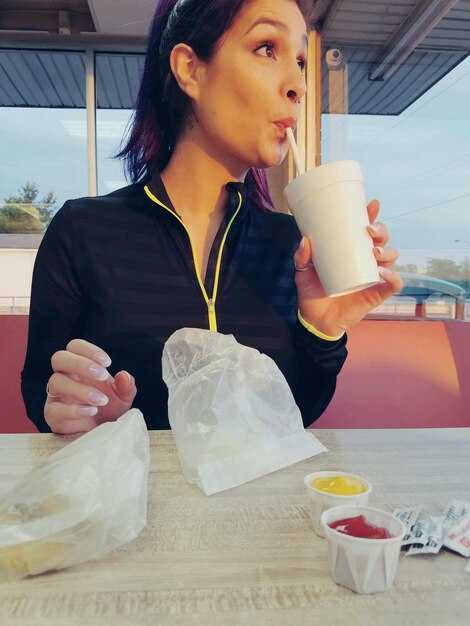
سادہ پانی 15–20 منٹ کے وقفے سے جہاز میں سوار ہوتے وقت اور بلندی پر جاتے ہوئے پیتے رہیں، اور کیبن کی خشکی سے نمٹنے کے لیے تقریباً 250–350 ملی لیٹر فی گھنٹہ پینے کا ارادہ کریں۔ الیکٹرولائٹ مشروبات میں سوڈیم کی مقدار چیک کریں اور کم سوڈیم والے مشروبات کو ترجیح دیں تاکہ نمک کی مقدار زیادہ نہ ہو۔ اونچائی اور دن کے اوقات کے لحاظ سے پانی کی ضروریات بدلتی رہتی ہیں، خاص طور پر لمبی پروازوں میں، اس لیے پانی کی بوتل اپنے پاس رکھیں اور مسلسل پیتے رہیں۔.
لیموں کے نچوڑ کے ساتھ عام پانی یا ہلکا سا چمکتا ہوا پانی منتخب کریں؛ اگر آپ الیکٹرولائٹس شامل کرتے ہیں، تو کم سوڈیم والی مصنوعات کا انتخاب کریں (20-70 ملی گرام فی 8 اونس)۔ نمک کے بغیر ذائقہ کے لیے، ادرک کی چائے جیسے مشروبات کے بارے میں سوچیں، جو بغیر شکر کے پیاس بجھانے والی ہلکی تلخی کے ساتھ ہائیڈریشن فراہم کرتی ہے۔ جب کیفین آپ کے معمول کا حصہ ہو، تو اسے معتدل رکھیں اور چڑھائی کے ادوار کے قریب مشروبات جمع کرنے سے گریز کریں۔.
پودینے یا بابونہ جیسی ہربل چائے کیفین سے پاک بہترین متبادل ہیں، جبکہ ادرک کی چائے ہاضمے کو آرام اور مستقل ہائیڈریشن فراہم کرتی ہے۔ خاص طور پر، ادرک ایک خوشگوار ذائقہ اور ہلکی سی تلخی لاتا ہے جو آپ کو نمک یا کیلوریز شامل کیے بغیر سیراب محسوس کرنے میں مدد کرتا ہے۔ متوازن مقدار کے لیے انہیں سادہ پانی کے ساتھ بدلنے کے بارے میں سوچیں۔.
جہاز میں بیئر اور شراب محدود کریں، کیونکہ الکحل پانی کی کمی کو بڑھاتا ہے اور سیال کے توازن کو ہائیڈریٹ رہنے کے خلاف کر دیتا ہے۔ اگر آپ پیتے ہیں، تو خالص نقصان کو کم کرنے کے لیے گھونٹ کے درمیان ایک گلاس پانی پی لیں اور نمکین مکسر کے مشروبات سے پرہیز کریں۔ ٹماٹر کے جوس یا دیگر مشروبات سے پرہیز کریں جن میں ساس ہوتی ہے جو اپنے ساتھ اضافی نمک اور سوڈیم لاتے ہیں۔.
کیل جوس اور دیگر سبز مشروبات فائبر اور ذائقوں کو چھوڑ سکتے ہیں جو پرواز کے دوران ہاضمے کو سست کرتے ہیں۔ بھاری مشروبات کو چھوڑ دیں یا انہیں لینڈنگ کے بعد کے لیے بچا لیں۔ ساس سے بھرے مکسر یا مرچوں والی ٹماٹر کی چٹنی بھی نمکینیت کو بڑھاتی ہے، جس سے آپ کو پرواز کے دوران بچنا چاہیے۔ اس منصوبے کو اپنے ساتھ بیٹھے شخص کے ساتھ شئیر کریں تاکہ آپ ٹریک پر رہیں، اور کیفین کے وقت کے بارے میں سوچیں تاکہ بعد میں توانائی میں کمی سے بچا جا سکے۔ چڑھائی اور اترائی کے دوران، ایک بڑا گھونٹ پینے کے بجائے پانی کی مقدار کو مستقل رکھیں۔.
بہتر بنانے کے لیے، نیوز لیٹر اپ ڈیٹس میں شامل ہوں جو اونچائیوں کے ارد گرد پانی پلانے کی حکمت عملیوں کی وضاحت کرتے ہیں اور کیبن عملے کے ذریعے سمجھائی جاتی ہیں۔ پکنگ پبلشنگ کی تجاویز عملی اقدامات کی حمایت کرتی ہیں جو آپ کسی بھی سفر پر استعمال کر سکتے ہیں۔ لیبل چیک کریں، ایک کمپیکٹ بوتل ساتھ رکھیں اور ہر 15-20 منٹ میں گھونٹ لینے کے لیے یاد دہانی سیٹ کریں۔ اگر آپ دوسروں کے ساتھ سفر کر رہے ہیں، تو اپنی بوتل شیئر کریں اور اپنے ہائیڈریشن کے اہداف کو ہم آہنگ رکھیں، تاکہ آپ دونوں بورڈنگ سے لے کر ٹچ ڈاؤن تک آرام دہ رہیں۔.
جہازوں میں جن 4 زیادہ سوڈیم والی غذاؤں سے پرہیز کرنا چاہیے اور کیوں
ہوائی جہازوں میں ڈیلی گوشت سے پرہیز کریں؛ ان میں نمک ہوتا ہے اور یہ بلندی پر پانی کی کمی کو بڑھاتے ہیں۔. یہ سادہ انتخاب پیاس کو کم کرتا ہے، پیٹ پھولنے سے بچاتا ہے، اور دل کے کام کے بوجھ کو کم کرتا ہے۔ یہ ہدایت ان بیشتر سفری منصوبوں پر لاگو ہوتی ہے جہاں کھانے جمع ہوجاتے ہیں اور آپ آرام دہ رہنے کی کوشش کر رہے ہوتے ہیں۔ زیادہ سوڈیم والی اشیاء سے پرہیز کرنے سے آپ نمک کی مقدار کو کنٹرول کر سکتے ہیں اور لمبی پروازوں پر کھانوں سے مغلوب ہونے سے بچ سکتے ہیں۔.
پروسیسڈ ڈیلی میٹس (سلامی، پیپرونی، ہیم) – سوڈیم کی مقدار زیادہ، عموماً 2-3 سلائسوں میں 500-700 ملی گرام۔ ہوائی جہازوں میں، پانی کی کمی تیز ہوتی ہے، پیاس بڑھتی ہے، اور بلڈ پریشر بڑھ سکتا ہے، جس سے آپ کے دل پر دباؤ پڑتا ہے۔ اس سے بچنے کے لیے، پروٹین کے تازہ ذرائع جیسے گرلڈ چکن، لوبیا، یا اُبلے ہوئے انڈے کا انتخاب کریں؛ اور پیک شدہ سینڈوچ میں فی سرونگ سوڈیم کی مقدار بھی چیک کریں۔ یہ عادت تمام پروازوں پر لاگو ہوتی ہے، نہ کہ صرف لمبی پروازوں پر، اور آپ پہلے سے منصوبہ بندی کر کے ذائقہ قربان کیے بغیر نمک میں کمی کر سکتے ہیں۔.
سوپ، شوربے، اور رامین کپ – ان میں فی سرونگ 1,000–2,000 ملی گرام سوڈیم بُلیَن اور ذائقہ بڑھانے والے اجزاء کی وجہ سے پوشیدہ ہوتا ہے۔ اونچائی اور کیبن کی خشکی پانی کی کمی کو بڑھاتی ہے، جس سے پیاس، سر درد اور دل پر دباؤ کا امکان زیادہ ہوتا ہے۔ اگر ممکن ہو تو، ان سے گریز کریں؛ اگر آپ کو کچھ گرم چاہیے، تو کم سوڈیم والے اختیارات کا انتخاب کریں یا نمک کی بجائے سادہ پانی اور لیموں کا انتخاب کریں۔ ہارورڈ نیوز نوٹ کرتا ہے کہ نمک سے بھرپور غذائیں پروازوں کے دوران بلڈ پریشر کے ردعمل کو تبدیل کرتی ہیں، جیسا کہ بیٹسی کوریج میں دیکھتی ہیں۔.
نمکین اسنیکس: پریٹزل، چپس، نمکین میوے - ایک عام بیگ فی سرونگ 200-350 ملی گرام ڈیلیور کر سکتا ہے، لیکن بہت سے لوگ متعدد سرونگز کھاتے ہیں، جو کہ آسانی سے 600-1000 ملی گرام سے تجاوز کر جاتی ہے۔ خشک کیبن کی ہوا، ہوائی جہاز کی وائبریشن اور محدود حرکت آپ کو زیادہ پیاسا بناتی ہے اور پرواز کے دوران کمر میں تکلیف یا سوجن پیدا کر سکتی ہے۔ اگر آپ سنیک کھاتے ہیں تو تازہ پھل، کھیرے کے قتلے، یا ہلکے ڈریسنگ کے ساتھ پتوں والی سبزیاں چنیں۔ نمک کو کم کرنے کے لیے پانی پئیں۔ آپ جو بھی سنیک چنیں، کم سوڈیم والے آپشنز کا انتخاب کریں اور حصوں کو قابو میں رکھیں۔.
ہوائی جہازوں پر ریستوران یا ٹیک آؤٹ کھانے۔ - ہوائی اڈوں سے پیزا کے سلائس، فرائیڈ چکن یا ہیوی سینڈوچ میں سوڈیم کی مقدار زیادہ ہوتی ہے، بعض اوقات فی کھانے میں 1,500-2,500 ملی گرام تک ہوتی ہے۔ بلندی اور دباؤ اس اثر کو مزید بڑھا دیتے ہیں۔ تاہم، آپ کھانے کو شیئر کر کے یا کم سوڈیم والے آپشنز کا انتخاب کر کے اسے محدود کر سکتے ہیں۔ تین آسان متبادل اچھے کام کرتے ہیں: پھل، پتوں والی سبزیاں، اور بغیر نمک والی پروٹین۔ تازہ پیداوار کا ایک چھوٹا بیگ پیک کر کے یا ہلکے نمک کے استعمال کے لیے مشہور وینڈرز کو منتخب کر کے پہلے سے منصوبہ بندی کریں، تاکہ ہوائی سفر کے دوران آپ کے کھانے آرام دہ رہیں۔.
اپنے منصوبے کو سہارا دینے کے لیے، ایک پانی کی بوتل پاس رکھیں اور باقاعدگی سے گھونٹ بھرتے رہیں؛ پتوں والی سبزیاں اور پھل نمی اور غذائیت کا اضافہ کرتے ہیں جو پروازوں کے دوران خود کو زیادہ مستحکم محسوس کرنے میں مدد کرتے ہیں۔ اگر آپ کو بلندی پر بو یا ذائقہ کی تبدیلیوں کے بارے میں فکر ہے، تو پانی اور لیموں سے اپنا تالو صاف کریں؛ آپ جو بھی منتخب کریں، مقصد واضح رہے: نمک کو کم سے کم کریں، نمی کو زیادہ سے زیادہ کریں، اور پرواز کے دوران دل کی صحت کی حفاظت کریں۔.
پورٹیبل اسنیکس اور نمک کو قابو میں رکھنے کے لیے پیکنگ کے متعلق تجاویز
ہوائی جہازوں میں نمک کو قابو میں رکھنے کے لیے، کم سوڈیم، زیادہ پروٹین والے ناشتے کا ایک زِپر بند، واحد سرونگ کٹ پیک کریں۔. یہ طریقہ آپ کو مقررہ حصے دیتا ہے، بے لگام خریداریوں کو کم کرتا ہے، اور اترنے سے پہلے آپ کو بدترین سوڈیم سپائکس سے بچنے میں مدد کرتا ہے۔ تیاری کے بغیر، پرواز کے وسط میں نمک کا استعمال بدتر ہو سکتا ہے۔ جیسا کہ آپ نے بہت سے دوروں پر سیکھا ہے، پیشگی منصوبہ بندی کرنے سے سفر زیادہ پرسکون ہوتا ہے۔.
کیبن کے درجہ حرارت میں ٹھیک رہنے والی اور تازہ رہنے والی 3-4 چیزوں کا انتخاب کریں: گوشت کم سوڈیم والے لیبل لگی ہوئی اسٹکس، بغیر نمک کے نٹس، ہلکی مصالحوں کے ساتھ مٹیالے بھنے ہوئے چنے، اور بغیر چینی کے خشک میوہ جات کا ایک چھوٹا حصہ۔ زیادہ کھانے سے بچنے کے لیے سنگل سرونگ والے پاؤچ استعمال کریں، اور غذائیت کے لیبل پڑھ کر سوڈیم کو فی سرونگ 180 ملی گرام سے کم رکھیں؛ آپ کو خاص طور پر “کم سوڈیم” لیبل لگی ہوئی اشیاء یا کم سے کم ممکنہ سوڈیم والی اشیاء کی ضرورت ہوگی، تاکہ آپ بغیر کسی حیرت میں مبتلا ہوئے اعتماد کے ساتھ کھا سکیں۔.
بو کو روکنے والی اور ایک کمپیکٹ ڈے پیک میں فٹ ہونے والی پیک پیکیجنگ: ائیر ٹائٹ کنٹینرز یا دوبارہ سیل کیے جانے والے بیگ ذائقوں کو محدود رکھتے ہیں۔ چلتے پھرتے آسانی سے باخبر رہنے کیلئے ہر کنٹینر پر سوڈیم کی مقدار کا لیبل لگائیں۔ اگر آپ کسی ریستورنٹ کیوسک سے ان ہائی سوڈیم اسنیک پیک کو چھوڑ دیں اور اس کے بجائے کِٹ سے اپنے لیے خود منتخب کریں۔ اگر آپ places غیر متوقع اسنیک آپشنز کے ساتھ، گہرے سیزن والے ان اشیاء کو چھوڑ دیں جو مضبوط کو متحرک کرتے ہیں۔ بو آتی ہے کیبن میں، اور تیز آپشنز کو ہلکے آپشنز سے الگ رکھیں تاکہ بو کے ملاپ کو کم کیا جا سکے۔ یہ منظم کرنے میں آسان ہیں اور متبادل تلاش کرنے سے کہیں زیادہ کم تناؤ کا باعث ہیں۔.
: بو کے انتظام کی اہمیت: کیبن میں بدبو کو کم کرنے کے لیے اسنیکس کو ائیر ٹائٹ کنٹینرز میں رکھیں۔ مشروبات کو الگ رکھیں؛ اگر آپ پیتے ہیں کافی, ، کپ کو اس کے مخصوص علاقے میں رکھیں تاکہ اس کی خوشبو آپ کی طرف نہ جائے۔ پاؤں اور ساتھی مسافر کے لیے بھی آسان ہوگا۔ یہ ترتیب آپ کو دوسرے مسافروں کو پریشان کیے بغیر سوار ہوتے ہی اپنے اسنیک کِٹ سے لطف اندوز ہونے میں مدد کرتی ہے۔.
چیپزم نوٹ کرتا ہے کہ آپ سادہ اجزاء کا انتخاب کرکے اور ایئرپورٹ شاپ کے لالچ سے بچ کر پیسے بچا سکتے ہیں۔ اگر آپ کو آئیڈیاز درکار ہیں تو cavintravel ویب سائٹ پر سیمپل پیکس اور پیکنگ لے آؤٹس کے لیے وزٹ کریں۔ وہ کم پریشانی کے ساتھ سیکورٹی سے گزرنے اور نمک پر زیادہ کنٹرول کے لیے عملی ہیں۔.
نوار سفر کی وائبز ایک طرف، روٹین کو سخت اور عملی رکھیں: ایک چھوٹا، واضح طور پر لیبل لگا ہوا کٹ، کم سوڈیم آئٹمز، اور ٹائٹ سیلز آپ کو ہلکا محسوس کرائے گی۔ آپ اس بات پر قابو رکھتے ہیں کہ آپ کیا کھاتے ہیں، آپ کہاں جاتے ہیں، اور کیبن میں آپ کی بو کیسی آتی ہے۔.