


 Português
  English (UK)
  Русский
  বাংলা
বাংলা  العربية
  日本語
日本語  한국어
한국어  Magyar
  Norsk nynorsk
  Türkçe
  עִבְרִית
  Español
  Čeština
  Svenska
  Ελληνικά
  Suomi
Suomi  Nederlands
  Română
  Italiano
  Français
  Polski
  Українська
  Deutsch
  简体中文
简体中文  Slovenčina
  Српски језик
  اردو
اردو  Azərbaycan dili
  O‘zbekcha
  አማርኛ
አማርኛ 

Eat a light, high-protein snack before you board to stabilize blood sugar and combat altitude fatigue. A 15–25 g protein option (about 150–250 calories) keeps you energized without feeling heavy; avoid burritos or other large meals that sit in your stomach and increase strain on digestion. In airplanes, digestion slows, so choose options that are easy to digest and low in salt and fiber; theres no need to push your stomach just before takeoff.
Hydration matters. Sip water regularly, aiming for about 250–350 ml per hour of flight, and limit wines or other alcohol which can worsen dehydration. even moderate caffeine can be included if you tolerate it, but avoid excess sugar and keep a balance with water to stay hydrated. If you drink caffeine, keep it light; you will receive steadier energy across the cabin rather than a quick spike. in an airplane cabin, dry air amplifies fluid loss, so sip steadily rather than chugging at once.
What to avoid at altitude. High-sodium snacks, fried foods, and heavy dairy can cause bloating and slower digestion in the cabin. Limit processed meats, salty crackers, and the occasional bloody marys that add dehydration. If you’re craving a sweet treat, choose cookies with modest sugar and pair with water; theres no need to eat more than you planned. harvard research notes that taste perception shifts at altitude, so simple, clean flavors satisfy without overloading your palate.
On the plane, choose light, balanced options like plain yogurt, almonds, fruit, cheese, and whole-grain crackers. These foods sit easier than fried items or burritos and help you stay hydrated. If a warm option is offered on the avião, pick a clear broth-based soup or a lean protein with vegetables, and receive it in moderate portions. theyre quick to digest at altitude, aligning with harvard guidance that favors small, steady intakes over big meals during flight.
Bottom line: plan ahead, pack smart, and adjust your choices to the flight length. Further, think about your own tolerance–what works on a two-hour hop might not suit a red-eye. Keep alcohol minimal, stay hydrated, and listen to your body’s signals; you will feel less fatigued and arrive clearer at your destination. airplanes and altitude change how tastes and digestion behave, so experimentation with small adjustments is key.
Practical Flight Nutrition Plan: Eat, Drink, and Avoid with Salt Awareness
Pack a low-sodium snack box and hydrate consistently on travel day. youll stay alert and comfortable as cabin oxygen dries your mucosa; a steady hydration plan reduces thirst and stomach strain, making this plan work soon after boarding and across travel hours.
Having a clear structure helps; as explained by nutritionists, salt loads add up quickly in flight. sodium control applies across meals, snacks, and drinks, so aim for 400–600 mg sodium per main meal and keep snacks under 150 mg.
- Before you fly – Build your plate with salad greens (leafy varieties like romaine or spinach) and a lean protein. Choose grilled chicken or beans; add vegetables and a dressing you make at home with lemon or olive oil. Braised lean meat is fine if you leave heavy sauces on the side. Aim for about 400–600 mg sodium per main meal and flavor with herbs, citrus, and pepper instead of salt; this would set you up for success soon after you arrive.
- During the flight – Bring unsalted snacks and sip regularly. A simple plate can be leafy greens topped with a small portion of meat or beans and fresh fruit. If you choose cheese, pick a small wedge and leave extra salt on the side. Hydration should be steady: target about 250 ml per hour; youll reduce dryness and maintain stomach comfort. If youre choosing from airline menus, ask for no-salt-added options and sauces on the side. Limit caffeine to 1 cup and avoid alcohol to prevent dehydration.
- Snack and beverage options – Favor items with lower sodium: fruit cups, plain yogurt, unsalted nuts, carrot sticks with unsalted hummus, and a simple protein with greens. Meal ideas include salad with leafy greens plus grilled meat and vegetables; a plate of braised chicken with quinoa and greens; a small portion of cheese with fruit when sodium is controlled. If you need salt, add it at the table so you can steer the amount. Possible flavor boosters include lemon, herbs, and vinegar.
- What to avoid on board – Restaurant meals at the airport or café often carry high sodium; skip processed meats, heavy sauces, and aged cheeses. Check labels, choose low-sodium options, and leave salt off the plate. This helps against taste fatigue and keeps the stomach comfortable in dry cabin air.
Further tips: hydrate before, during, and after the flight. If youre worried about taste changes, start with a salad that includes leafy greens, then add a protein you enjoy. For flavor, use lemon, herbs, or vinegar instead of salt. This plan keeps salt to a minimum while preserving fullness, so you’re sure to have energy for the next leg of your trip. For back-to-back flights, carry a low-sodium electrolyte option to support balance across legs.
Hydration Strategy for Short, Medium, and Long Flights
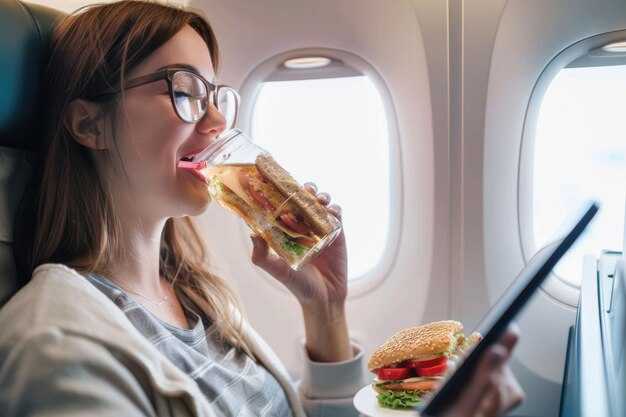
Drink 500 ml water 2-3 hours before your flight and sip 150-250 ml every 30-40 minutes once you’re in the air to stay ahead of dehydration. According to hydration guidance for air travel, steady intake supports comfort and focus; theres no magic fix, but these habits help you receive relief from dry mouth and headaches, whether you’re at the airport or aboard the airplane. Experts explained that steady intake reduces headaches. This approach makes dehydration less likely and is possible to keep up throughout the journey.
Short flights (0–2 hours): 600–900 ml of fluids in transit, mostly water or a low-sugar electrolyte drink. Take small sips every 20–30 minutes and avoid wine and other alcohol, which can worsen dehydration. If you receive a snack, choose fruit and skip cookies or salty options. Be sure to fill your bottle at the airport before security and carry it with you until you land to maintain a steady supply without filling your stomach too quickly.
Medium-length flights (2–6 hours): target 1–1.5 liters in flight plus a light preflight dose. If you can, add an electrolyte beverage every 2–3 hours or use fogwell electrolyte tablets dissolved in water. Be mindful that salty snacks tend to exacerbate thirst, so opt for fresh fruit, yogurt, or lean protein rather than steak or cheese-heavy meals; choose lighter dishes and avoid overdoing caffeine, which can increase water loss. Former travelers with busy itineraries report fewer headaches when they hydrate regularly.
Long flights (>6 hours): aim for about 1.5–2 liters of fluids per leg with electrolytes, and keep alcohol to a minimum; wine can exacerbate dehydration on long hauls. If your meal involves reheating, choose options with lower salt and simpler sauces to reduce thirst. They also help you feel steadier during the flight, and if you feel thirsty, drink more; if you feel full, ease back a little. Studies appeared showing hydration supports alertness and digestion during long flights, so these habits help you arrive ready for the next leg, until your destination, and they benefit them as well.
Low-Sodium Meal Ideas You Can Pack or Order
Pack a salt-free chicken wrap with grilled chicken, cucumber, spinach, and lemon-herb hummus in a whole-wheat tortilla. This keeps sodium low and travels well on a trip, planes, or flights.
Add a quinoa and veggie bowl: quinoa with roasted peppers, cherry tomatoes, and chickpeas dressed in olive oil and lemon juice. Rinse canned beans to cut sodium; this option provides steady energy without strain during long connections.
For onboard options, choose lean meat or fish with salads and keep sauces on the side. If you must choose meat, should you order, pick turkey or chicken instead of steak; ask for no salted toppings and vinaigrette on the side to stay against high sodium levels. Tell attendants your preference for low-sodium options so they can guide toward meals that fit your plan. Thats a good way to leave excess salt behind and keep things simple for the rest of the flight.
Beverage strategy centers on hydration: drink water regularly, opt for unsweetened tea, and consider diluting juice with water to curb sodium intake in beverages. Some people rely on a pretty steady routine that reduces thirst during drinking moments on planes, which helps during long flights and minimizes discomfort.
To stay prepared between sights and seats, subscribe to a newsletter from the airline or travel site for tips on limited-sodium meals and new ideas you can try on your own trip.
| Item | Sodium (approx mg) | Packable or Order | Notas |
|---|---|---|---|
| Salt-free chicken wrap with hummus and veggies | 200–320 | Empacotável | Choose lemon-herb hummus; avoid mayo |
| Quinoa veggie bowl with chickpeas | 150–260 | Empacotável | Rinse beans; use olive oil and lemon |
| Plain Greek yogurt with berries and unsalted nuts | 60–120 | Empacotável | Opt for unsweetened yogurt; small portions |
| Tuna or turkey lettuce wraps with avocado | 160–240 | Ordem | No added salt; dressing on the side |
| Fresh fruit and unsalted nut mix | 0-5 | Empacotável | Hydrating and easy to carry |
Best Beverages in the Cabin to Stay Hydrated Without Excess Salt

Sip plain water every 15–20 minutes as you board and during ascent, aiming for about 250–350 ml per hour to stay ahead of cabin dryness. Check sodium content on electrolyte drinks and favor low-sodium options to avoid adding salt. Hydration needs shift around altitudes and times of day, especially over long flights, so keep a bottle within reach and sip consistently.
Choose still water or lightly sparkling water with a squeeze of lemon; if you add electrolytes, pick products with low sodium (20–70 mg per 8 oz). For flavor without salt, think of beverages like ginger tea, which provides hydration with a mild bitterness that satisfies thirst without sugar. When caffeine is part of your routine, keep it moderate and avoid piling drinks near ascent periods.
Herbal teas such as peppermint or chamomile are good caffeine-free options, while ginger tea offers digestive comfort and steady hydration. Specifically, ginger brings a bright note and a slight bitterness that helps you feel quenched without adding salt or calories. Think about alternating them with plain water for balanced intake.
Limit beer and wines on board, as alcohol promotes dehydration and shifts your fluid balance against staying hydrated. If you do drink, down a glass of water between sips to reduce net loss and avoid piling drinks with salty mixers. Avoid tomato juice or other beverages with sauces that bring extra salt and sodium along for the ride.
Kale juice and other green blends can dump fiber and flavors that slow digestion in flight; skip heavy blends or save them for after landing. Sauce-heavy mixers or peppery tomato sauces also tend to increase perceived saltiness, which you want to avoid mid-flight. Share this plan with a seatmate to stay on track, and think about caffeine timing to avoid dips in energy later. Around ascent and descent, keep hydration steady rather than chasing a single big gulp.
To keep improving, join newsletter updates that explain hydration strategies times around altitudes and explained by cabin crews. Tips from pickering publishing support practical steps you can use on any trip; check labels, carry a compact bottle, and set reminders to sip every 15–20 minutes. If you’re traveling with others, share your bottle and keep your hydration goals aligned, so you both stay comfortable from boarding down to touchdown.
4 High-Sodium Foods to Avoid on Planes and Why
Avoid deli meats on planes; they pack salt and spike dehydration at altitude. This simple choice reduces thirst, prevents bloating, and eases heart workload. The guidance applies to most itineraries where meals stack up and youre trying to stay comfortable. Avoiding high-sodium items can help you manage salt intake and prevent getting overwhelmed by meals on long flights.
Processed deli meats (salami, pepperoni, ham) – High sodium content, typically 500–700 mg per 2–3 slices. In planes, dehydration accelerates, thirst grows, and blood pressure can rise, stressing your heart. To avoid this, choose fresh sources of protein like grilled chicken, beans, or hard-boiled eggs; also check packaged sandwiches for sodium per serving. The habit applies to all flights, not just long ones, and you can cut salt without sacrificing flavor by planning ahead.
Soups, broths, and ramen cups – These hide 1,000–2,000 mg sodium per serving due to bouillon and flavor enhancers. Altitude and cabin dryness amplify dehydration, making thirst, headaches, and heart strain more likely. If possible, skip these; if you must have something hot, opt for low-sodium options or choose plain water and lemon instead of salt. harvard news notes that salt-heavy meals shift blood pressure responses during flights, as betsy observes in coverage.
Salty snacks: pretzels, chips, salted nuts – A typical bag can deliver 200–350 mg per serving, but many eat multiple servings, easily crossing 600–1,000 mg. The dry cabin air, vibration of the aircraft, and limited mobility make you thirstier and can produce back discomfort or swelling over the course of a flight. If you snack, choose fresh fruit, cucumber slices, or leafy greens with a light dressing; drink water to offset the salt. Whatever snack you choose, aim for lower-sodium options and keep portions under control.
Restaurant or takeout meals on planes – Pizza slices, fried chicken, or heavy sandwiches from airports often carry high sodium, sometimes 1,500–2,500 mg per meal. Altitude and pressure worsen the effect; however, you can limit intake by sharing a meal or choosing lower-sodium options. three simple replacements work well: fruit, leafy greens, and unsalted protein. Plan ahead by packing a small bag of fresh produce or selecting vendors known for lighter salt use, so your meals stay comfortable during times in the air.
To support your plan, keep a water bottle handy and sip regularly; leafy greens and fruit add hydration and nutrients that help yourself feel steadier during flights. If youre worried about smell or taste changes at altitude, rinse your palate with water and lemon; whatever you choose, the goal remains clear: minimize salt, maximize hydration, and protect heart health while you fly.
Portable Snacks and Packaging Tips to Keep Salt Under Control
Pack a zipper-sealed, single-serving kit of low-sodium, high-protein snacks to keep salt under control on planes. This approach gives you fixed portions, reduces impulsive purchases, and helps you avoid the worst sodium spikes before landing. Without prep, salt intake can get worse mid-flight. As youve learned on many trips, planning ahead makes the journey calmer.
Choose 3–4 items that travel well and stay fresh in cabin temperatures: carne sticks labeled low-sodium, unsalted nuts, earthy roasted chickpeas with light spices, and a small portion of dried fruit with no added sugar. Use single-serving pouches to prevent overeating, and read nutrition labels to keep sodium under 180 mg per serving; youll specifically want items labeled “low sodium” or with the lowest possible sodium, so you can eat confidently without surprises.
Pack packaging that blocks smells and fits in a compact daypack: hermético containers or resealable bags keep flavors contained; label each container with its sodium content for easy tracking on the go. If you pass a restaurante kiosk, skip their high-sodium snack packs and choose your own from the kit instead. If you’re getting to places with unpredictable snack options, skip deeply seasoned items that trigger strong smells in the cabin, and keep spicy options separate from milder ones to reduce cross-odor drift. theyre simple to manage and much less stressful than hunting for alternatives.
Smell management matters: store snacks in airtight containers to minimize cabin odors. Keep beverages separate; if you drink coffee, place the cup in its own area to prevent aroma drift toward your pés and seatmate. This setup helps you enjoy your snack kit soon after boarding without disturbing others.
Cheapism notes that you can save money by choosing simple ingredients and avoiding airport shop temptations. If you want ideas, visit cavintravel website for sample packs and packing layouts; theyre practical for getting through security with less fuss and higher control over salt.
noir travel vibes aside, keep the routine tight and practical: a small, clearly labeled kit, low-sodium items, and tight seals will let you land feeling lighter. Youre in control of what you eat, where you go, and how you smell in the cabin.